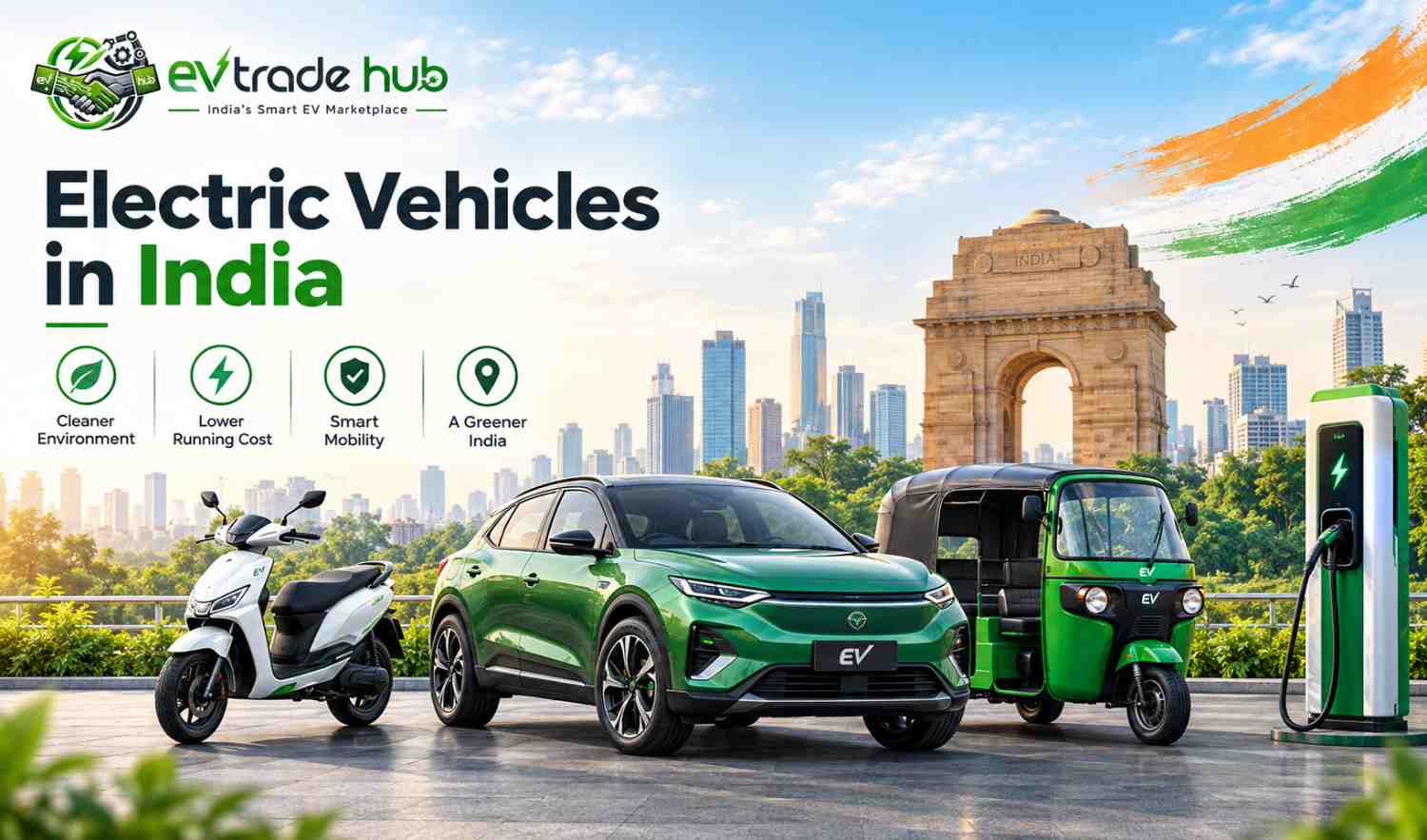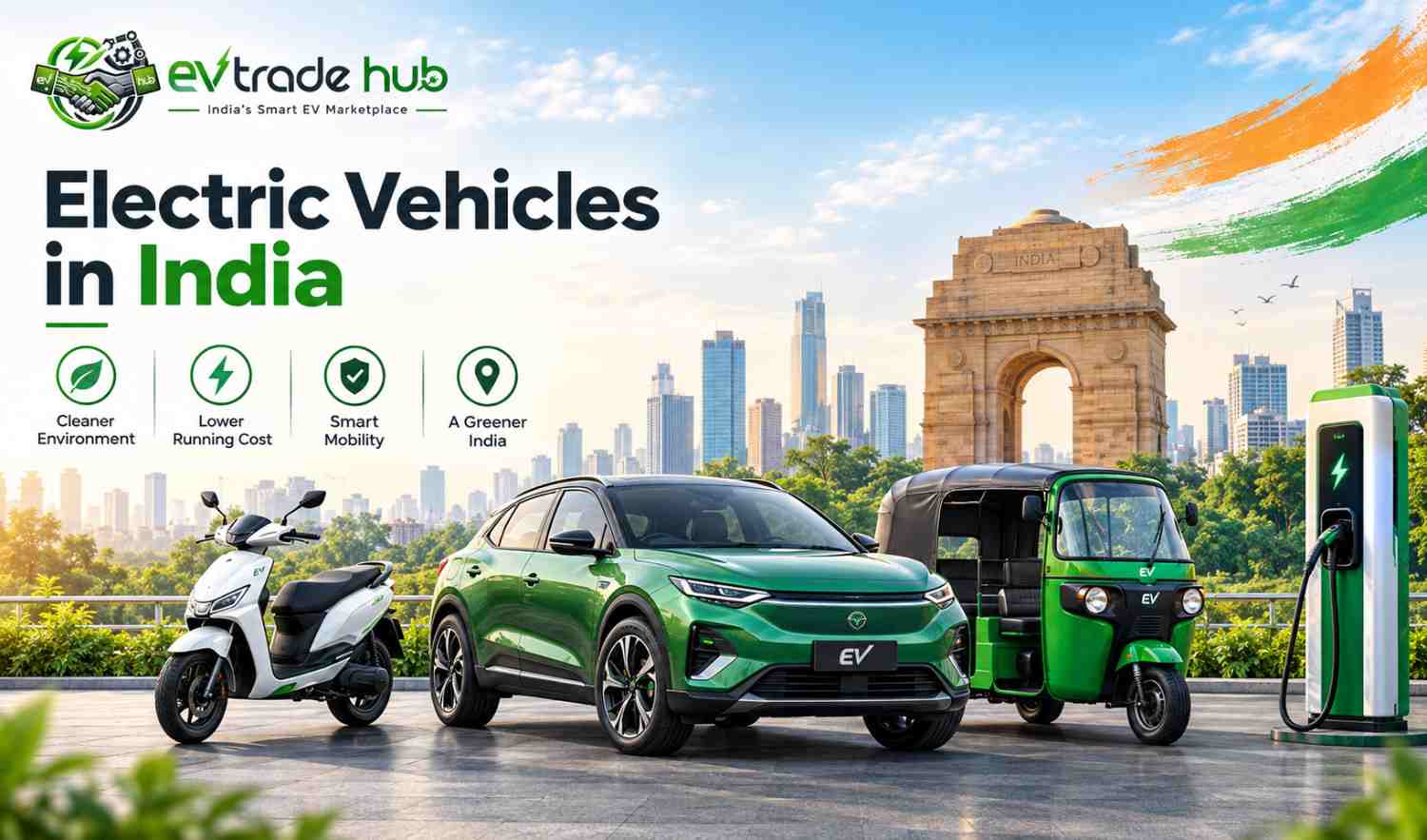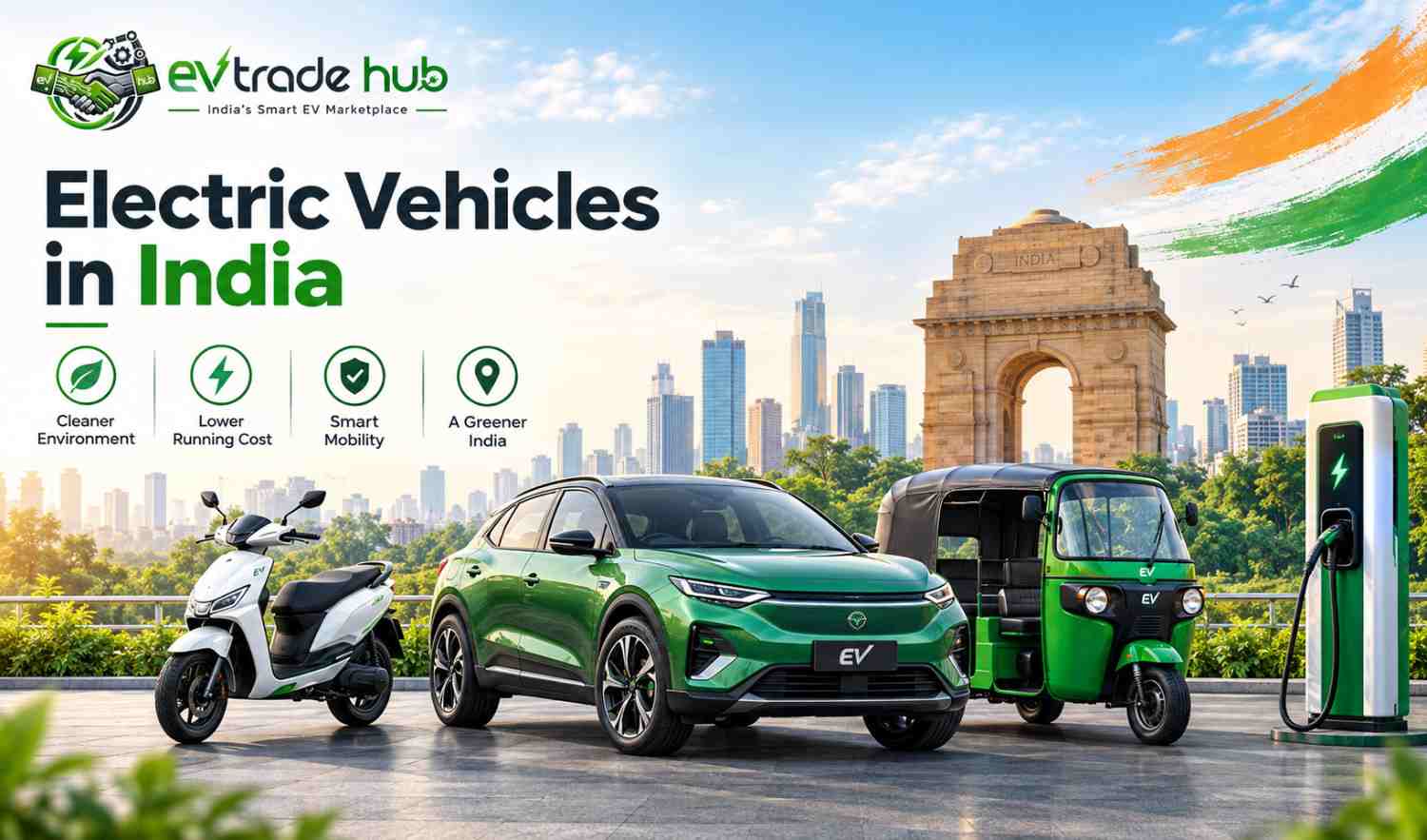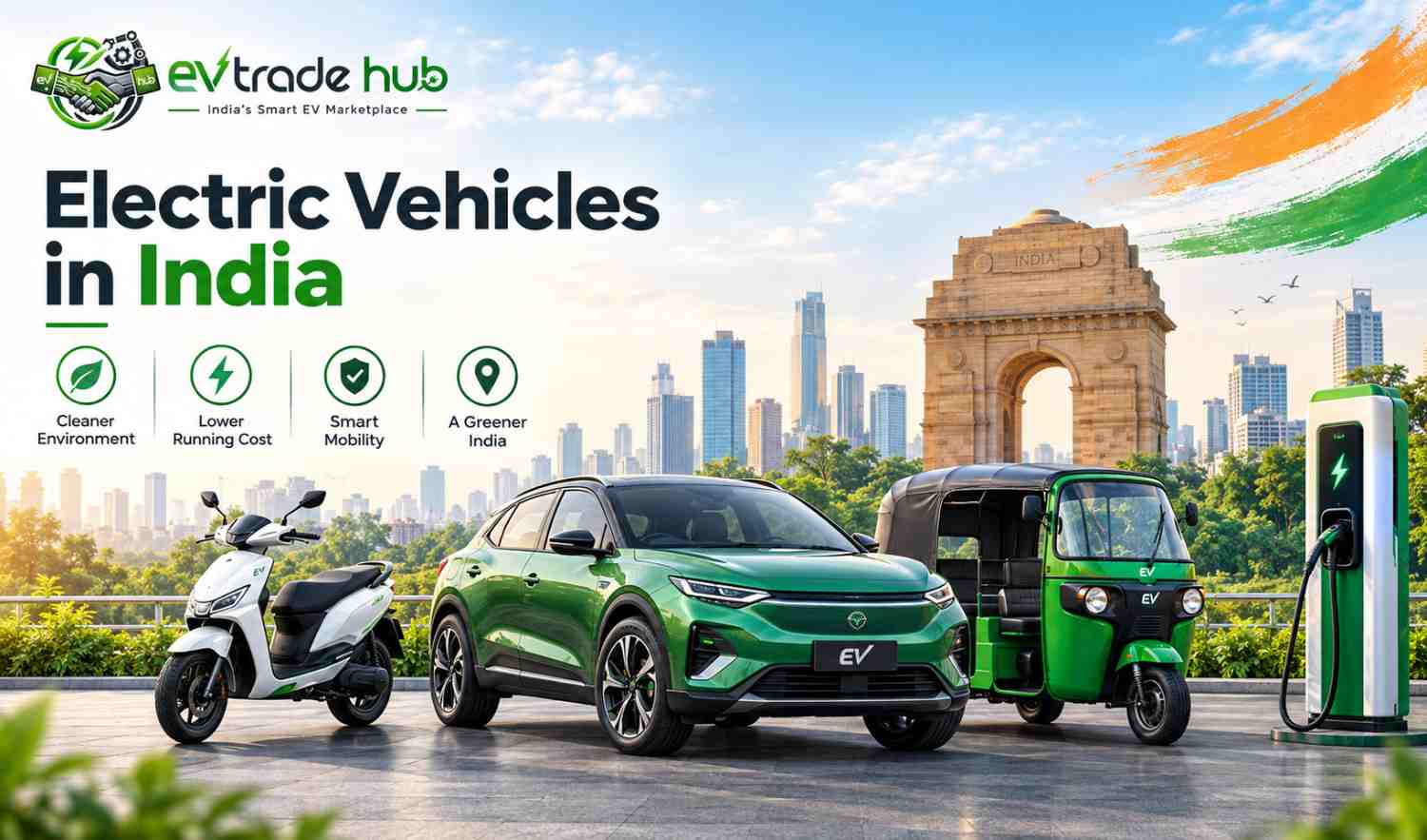
For commercial use, the best E Rickshaw should balance purchase cost, operating efficiency, passenger capacity, range, battery life and reliability. An e rickshaw used for business is not simply a vehicle; it is an income-generating asset that may operate for several hours every day. Therefore, buyers should consider both the initial purchase price and the long-term cost of ownership.
The right e rickshaw can be used for passenger transportation, local commuting, school routes, market areas and other short-distance commercial requirements. However, the ideal model depends on the daily route, expected passenger load, road conditions, charging availability and maintenance support in the operating area.
Before buying an e rickshaw, first determine how the vehicle will be used. A vehicle operating on short urban routes may have different requirements from one operating on longer routes or roads with frequent slopes and heavier passenger loads.
This information makes it easier to select a suitable battery, motor, seating configuration and overall vehicle specification.
Daily running requirements are one of the most important factors when selecting an e rickshaw for business. Estimate the expected daily distance and number of trips before selecting a vehicle.
If the vehicle needs to operate for long hours, battery capacity should be sufficient for the expected schedule. A vehicle that frequently requires charging during working hours may reduce the number of trips and affect daily earnings.
Do not select a vehicle based only on the manufacturer's claimed range. Actual range can vary depending on passenger load, road conditions, driving style, tyre pressure, battery condition, weather and use of electrical accessories.
It is better to maintain a practical range margin so that the vehicle does not regularly operate with a nearly empty battery.
The battery is one of the most important components of a commercial e rickshaw. Battery chemistry, capacity, charging requirements, warranty and expected usable life should all be considered before purchase.
Lead-acid batteries can be attractive for buyers who want to keep the initial purchase cost comparatively low. However, buyers should consider their weight, charging requirements, maintenance and replacement cost over the ownership period.
Lithium-based batteries can offer advantages such as lower weight, faster charging and potentially longer service life, depending on the battery chemistry and quality. LiFePO4 batteries are also considered by many commercial users because of their durability and safety characteristics.
The correct choice depends on budget, daily usage, charging availability and expected ownership period. The cheapest battery is not always the most economical option for a commercial business.
Commercial vehicles can put significant usage demands on their batteries. Therefore, battery warranty should be checked carefully before purchasing an e rickshaw.
Ask the dealer about warranty coverage, charging conditions, replacement terms and the expected battery life under normal usage. If the battery requires frequent replacement, it can significantly increase the total operating cost of the business.
The motor and controller should be suitable for the vehicle's expected passenger load and operating environment. A commercial e rickshaw may frequently start, stop and accelerate in traffic, so the electrical system needs to work reliably under regular usage.
The motor, controller and battery should be treated as a complete system rather than evaluating each component separately.
Passenger comfort can influence the success of a commercial e rickshaw business. A vehicle should provide suitable seating, adequate legroom and a comfortable ride for its intended passengers.
Suspension quality, seat design, roof structure and overall cabin design should be checked before purchase. The vehicle should also be operated within the manufacturer's recommended passenger and load specifications.
Since an e rickshaw used for business may operate for many hours every day, build quality is extremely important. A strong chassis and reliable suspension can help the vehicle handle regular commercial use.
During a test drive, observe the vehicle's stability, steering response, braking performance and suspension behaviour.
Purchase price alone cannot determine whether an e rickshaw is suitable for business. Electricity, maintenance, financing, insurance, tyres, brakes and eventual battery replacement should be included when calculating business expenses.
Keeping a monthly expense record can help business owners understand the actual cost of operating the vehicle.
Before purchasing an e rickshaw, estimate the expected daily revenue based on the intended route and number of trips. Income can vary significantly depending on passenger demand, route, working hours, competition and local transportation conditions.
Instead of calculating profit only from daily collections, subtract charging, maintenance, financing and other operating expenses. This provides a more realistic picture of the potential business return.
Reliable charging is essential for an e rickshaw business. Before purchasing, determine whether the vehicle can be conveniently charged at home, at a business location or at another suitable charging point.
Charging should be planned according to the daily operating schedule. If the vehicle needs to operate again early in the morning, sufficient charging time should be available after the day's work.
Local availability of spare parts and technical support can reduce downtime and improve business continuity. A vehicle that is inexpensive to purchase but difficult to repair can become costly when it remains off the road for several days.
Before buying, check the availability of common parts such as:
It is also useful to identify a reliable local mechanic or authorised service centre before starting commercial operations.
Warranty coverage can provide additional protection during the early ownership period. However, buyers should read the warranty conditions instead of assuming that every component is covered in the same way.
Ask about separate warranty terms for the vehicle, battery, motor, controller and charger. Good after-sales support can be especially valuable for business owners because quick repairs can reduce income loss caused by vehicle downtime.
A new e rickshaw generally provides the advantage of a fresh battery, newer components and manufacturer or dealer warranty. A used e rickshaw may require a lower initial investment but should be inspected carefully before purchase.
For a used vehicle, check battery health, charging performance, motor, controller, chassis, suspension, tyres, brakes and maintenance history. Also verify the relevant ownership and vehicle documents before completing the transaction.
The best e rickshaw for business should match the actual operating requirements rather than simply offering the lowest purchase price. Compare battery capacity, practical range, motor performance, passenger capacity, charging requirements, build quality, warranty, service support and total ownership cost.
For commercial users, reliability should be given high priority because every day of unnecessary downtime can affect income. A vehicle with dependable components and easily available spare parts can be more practical over the long term.
The best E Rickshaw for business is one that provides dependable daily performance with manageable total ownership cost and strong after-sales support. Buyers should evaluate the vehicle according to daily distance, passenger demand, battery requirements, charging availability, road conditions and expected business income.
Before making the final purchase, compare multiple models, check battery and motor specifications, take a proper test drive and understand the warranty and service terms. A well-selected e rickshaw can become a practical commercial asset when its running cost, maintenance requirements and expected income are properly planned.