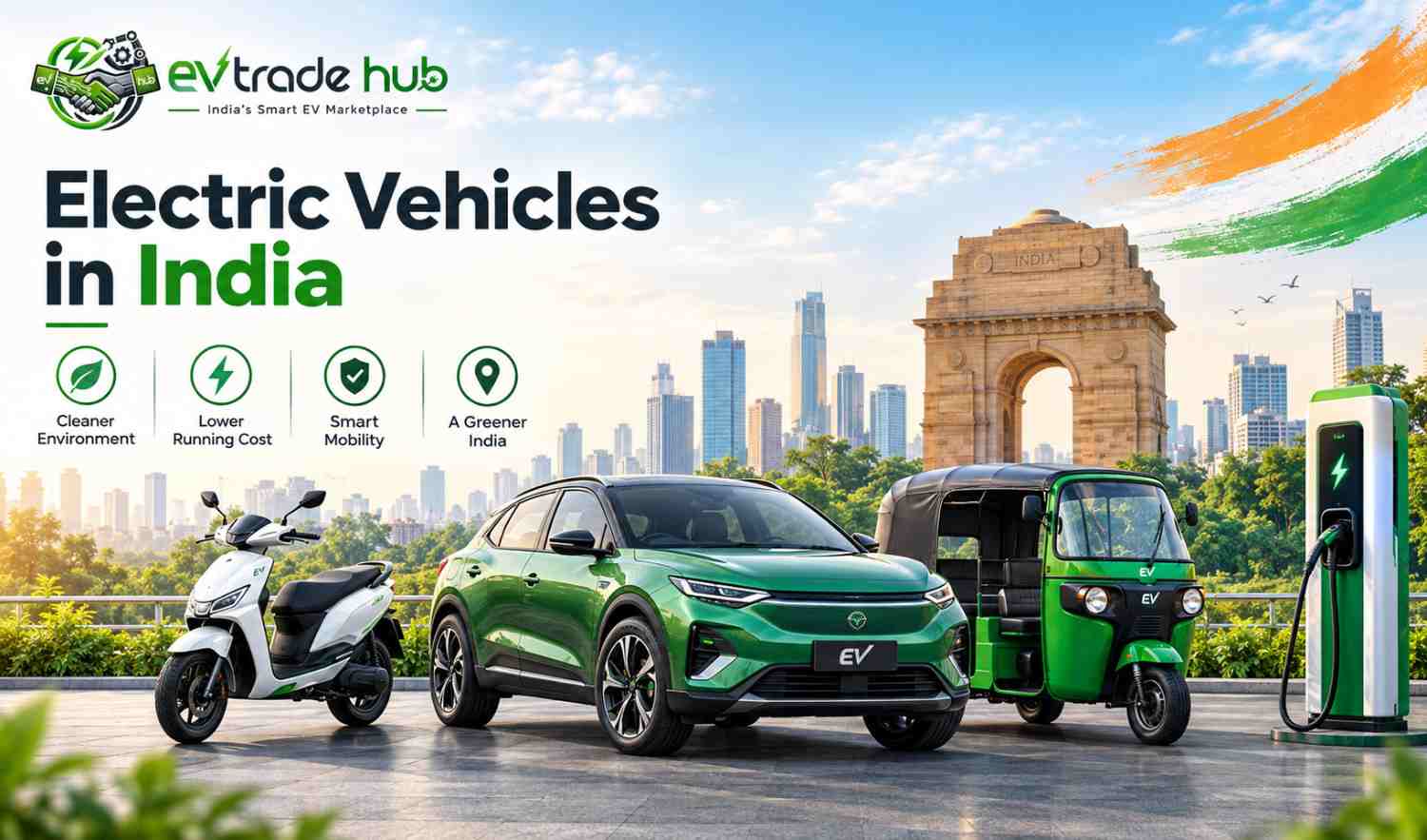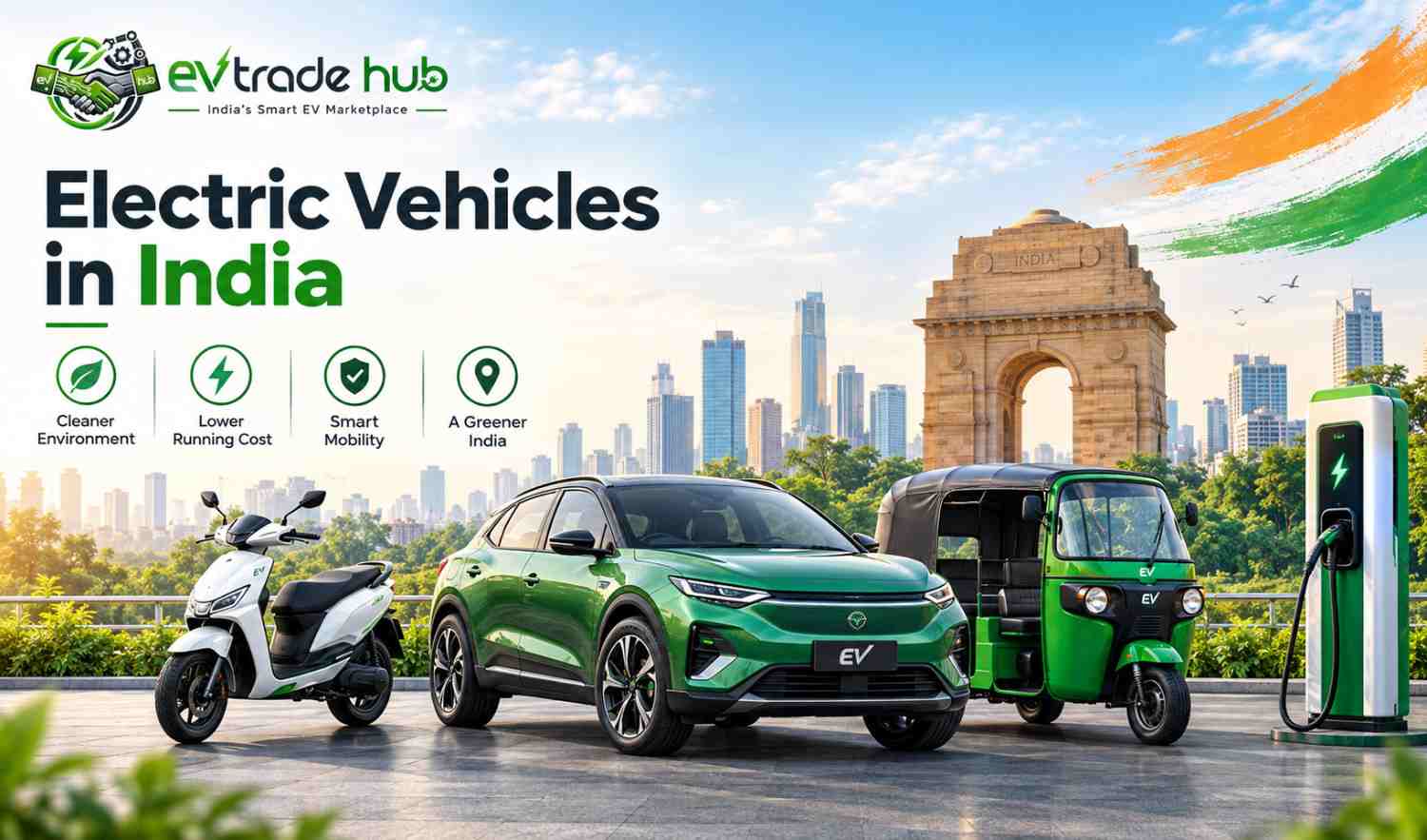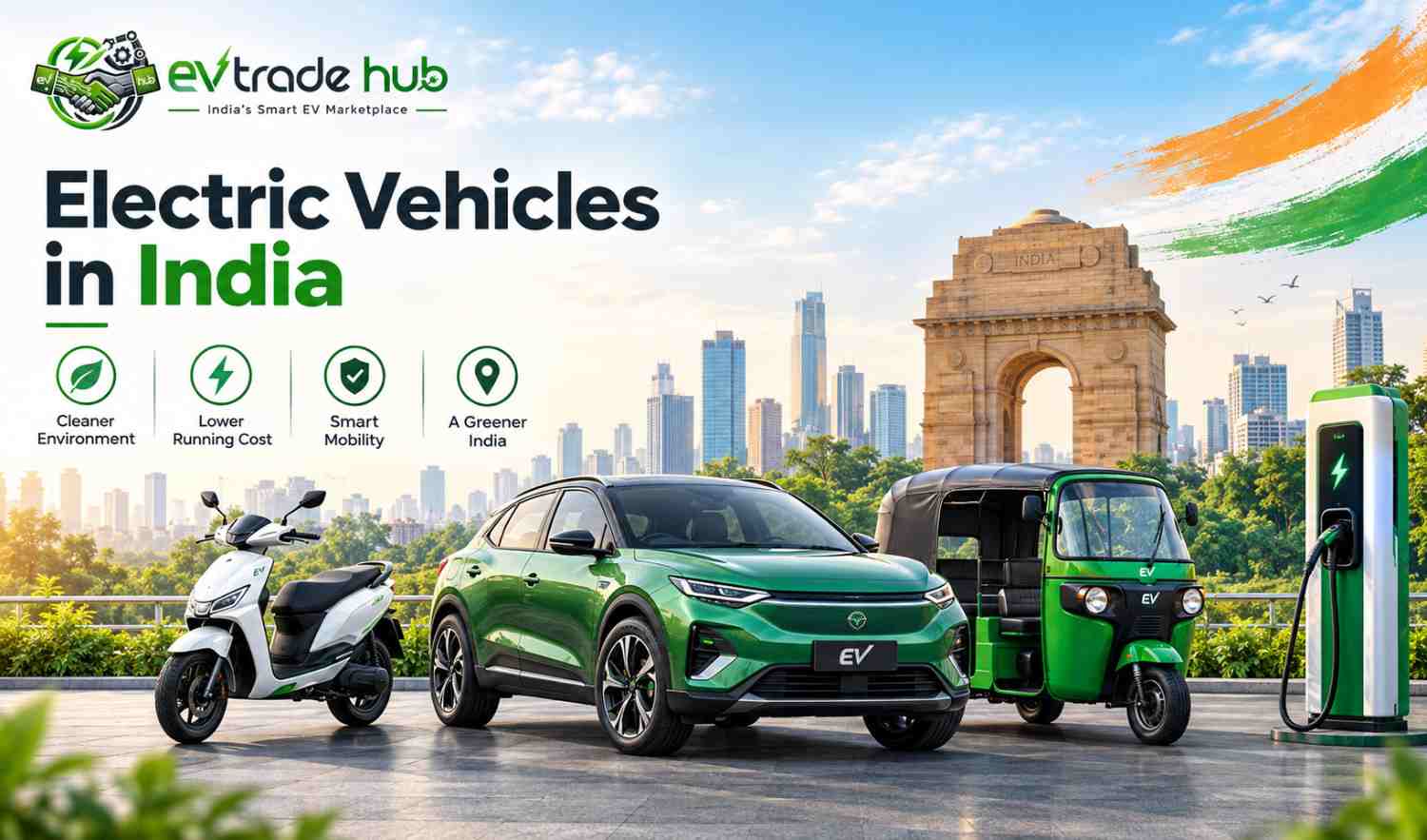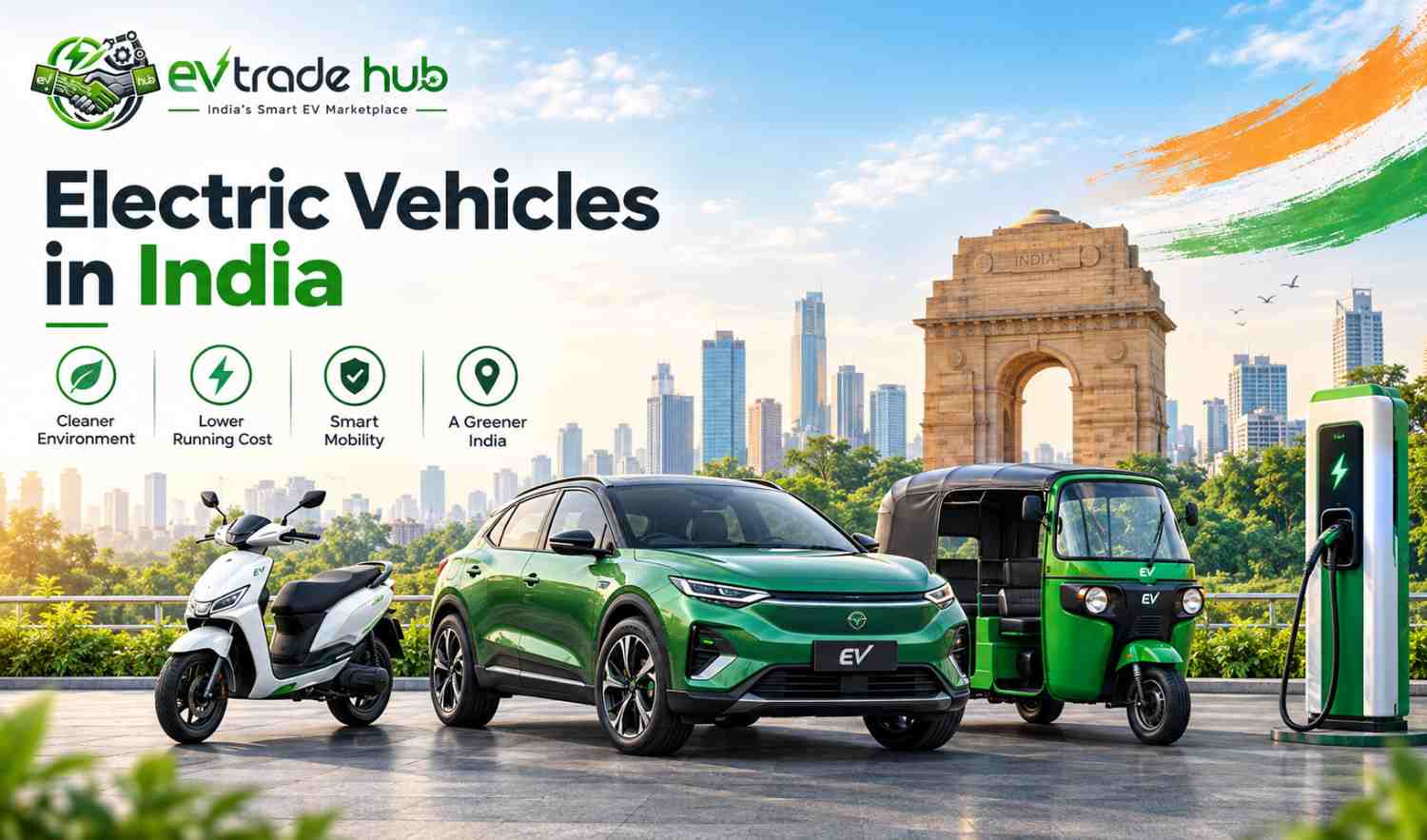
Electric scooter distributors play an important role in India's growing electric two-wheeler market. They help manufacturers move electric scooters from production and supply networks to dealers, retailers and other businesses across different regions. By managing regional inventory, transportation and dealer relationships, distributors can make it easier for manufacturers to expand their market presence.
The demand for electric scooters is increasing as consumers, delivery businesses and commercial users look for practical and economical mobility solutions. This creates opportunities for manufacturers as well as distributors that can build strong regional dealer networks and maintain reliable product availability.
A dependable electric scooter distributor can provide more than vehicle supply. Depending on the business arrangement, distributors may also support dealers with batteries, chargers, spare parts, marketing material, technical assistance and warranty coordination.
An electric scooter distributor acts as a link between an electric scooter manufacturer and businesses that sell the vehicles to customers. A distributor may purchase products in larger quantities and supply them to dealers and retailers within a particular market.
Distributors can help manufacturers expand into new cities and regions without requiring the manufacturer to manage every individual dealer relationship directly.
The exact responsibilities of a distributor depend on the agreement with the manufacturer. Some distributors may handle only product supply, while others may also manage warehousing, logistics, marketing and dealer development.
The role of an electric scooter distributor can cover several areas of the supply chain.
By managing these activities efficiently, distributors can help manufacturers maintain better product availability in different markets.
Electric scooter distributors may handle multiple models designed for different customer requirements. Models can vary in battery capacity, motor specifications, range, design, features and pricing.
Depending on the manufacturer and distribution agreement, a distributor may also supply related products such as:
Having access to both vehicles and commonly required spare parts can help dealers provide better after-sales support to customers.
Battery technology is an important consideration in electric scooter distribution. Different models may use different battery capacities and battery chemistries depending on their design and intended usage.
Distributors should ensure that dealers have accurate information about battery capacity, expected range, charging requirements and battery warranty. Customers should understand that actual range can vary depending on rider weight, speed, road conditions, riding style, weather and battery condition.
Providing clear product information helps dealers set realistic customer expectations.
The electric motor is another important part of an electric scooter. Motor specifications influence acceleration, performance and the vehicle's ability to handle different riding conditions.
Distributors should provide dealers with appropriate technical information about motor specifications, controller configuration and vehicle performance.
For customers who use scooters for daily commuting or delivery applications, distributors and dealers should recommend models according to actual usage instead of focusing only on headline specifications.
Working with a reliable distributor can provide several benefits to dealers.
A distributor with strong logistics and inventory management can help dealers reduce stock shortages and improve customer delivery timelines.
Some electric scooter manufacturers may assign specific territories or market areas to distributors. The exact structure depends on the manufacturer's business model and distribution agreement.
Before entering into a distribution relationship, businesses should understand the territory, sales expectations, dealer appointment policies and any applicable commercial conditions.
Clear territory arrangements can help avoid unnecessary conflicts between distributors and dealers operating in the same market.
Inventory management is one of the most important responsibilities of an electric scooter distributor. Keeping too little stock can result in delayed dealer orders, while excessive inventory can increase storage and working-capital requirements.
Distributors should monitor sales trends, dealer demand, seasonal changes and model performance to determine appropriate inventory levels.
Fast-moving scooter models can require more frequent replenishment, while slow-moving models should be stocked more carefully.
Electric scooters require proper transportation and storage planning. Distributors should coordinate vehicle movement from manufacturers or warehouses to dealers while minimizing unnecessary delays and handling issues.
Logistics planning should consider transportation costs, delivery routes, warehouse capacity, product handling and expected delivery timelines.
Efficient logistics can help distributors provide faster service to dealers and improve overall supply-chain performance.
Warranty support is an important part of electric scooter distribution. Dealers need a clear process for handling customer complaints related to batteries, chargers, controllers, motors and other components.
A distributor can help coordinate warranty cases between the dealer and manufacturer. Businesses should clearly understand warranty coverage, documentation requirements, inspection procedures and replacement policies before entering into a distribution agreement.
Electric scooters require replacement parts during their ownership period. A distributor that maintains adequate spare-parts inventory can help dealers reduce repair delays.
Commonly required parts may include controllers, chargers, brake components, tyres, electrical switches, wiring, lights, displays and model-specific components.
Dealers should understand the spare-parts supply process before committing to a particular electric scooter brand.
Distributors can also support manufacturers by developing local dealer networks and helping dealers promote electric scooters in their markets.
Marketing activities may include local promotions, product demonstrations, test-ride events, dealer training, digital marketing and customer awareness campaigns.
Test rides can be particularly useful for electric scooters because customers can experience acceleration, comfort, braking, handling and overall riding performance before making a purchase.
Businesses interested in becoming electric scooter distributors should first research the local market and identify the brands and products with suitable demand.
Important preparation areas include:
Before signing an agreement, the business should carefully review pricing, territory, minimum purchase requirements, payment terms, warranty responsibilities and dealer appointment conditions.
Manufacturers and dealers should evaluate distributors based on their ability to manage inventory, logistics and market development effectively.
Important factors include:
Distribution businesses can face problems if they focus only on sales volume without building a reliable supply and support system.
As electric two-wheelers become more common for personal transportation, commuting and delivery applications, the need for organized distribution networks is expected to remain important.
Manufacturers can use regional distributors to reach more cities, while distributors can build dealer networks and provide local market support. Businesses that combine reliable inventory, efficient logistics, strong dealer relationships and effective after-sales support can create sustainable distribution operations.
Electric scooter distributors are an important part of India's growing electric two-wheeler ecosystem. They help manufacturers expand their reach while providing dealers and retailers with regular product supply, regional logistics and business support.
A successful distributor should focus on inventory management, dealer relationships, product quality, logistics, warranty coordination, spare parts and technical support. Manufacturers and dealers should carefully evaluate authorization, product quality, pricing, supply capacity and long-term support before establishing a distribution relationship.
With the continued growth of electric mobility, reliable electric scooter distributors can play an important role in improving product availability and helping electric two-wheeler businesses expand across different markets in India.