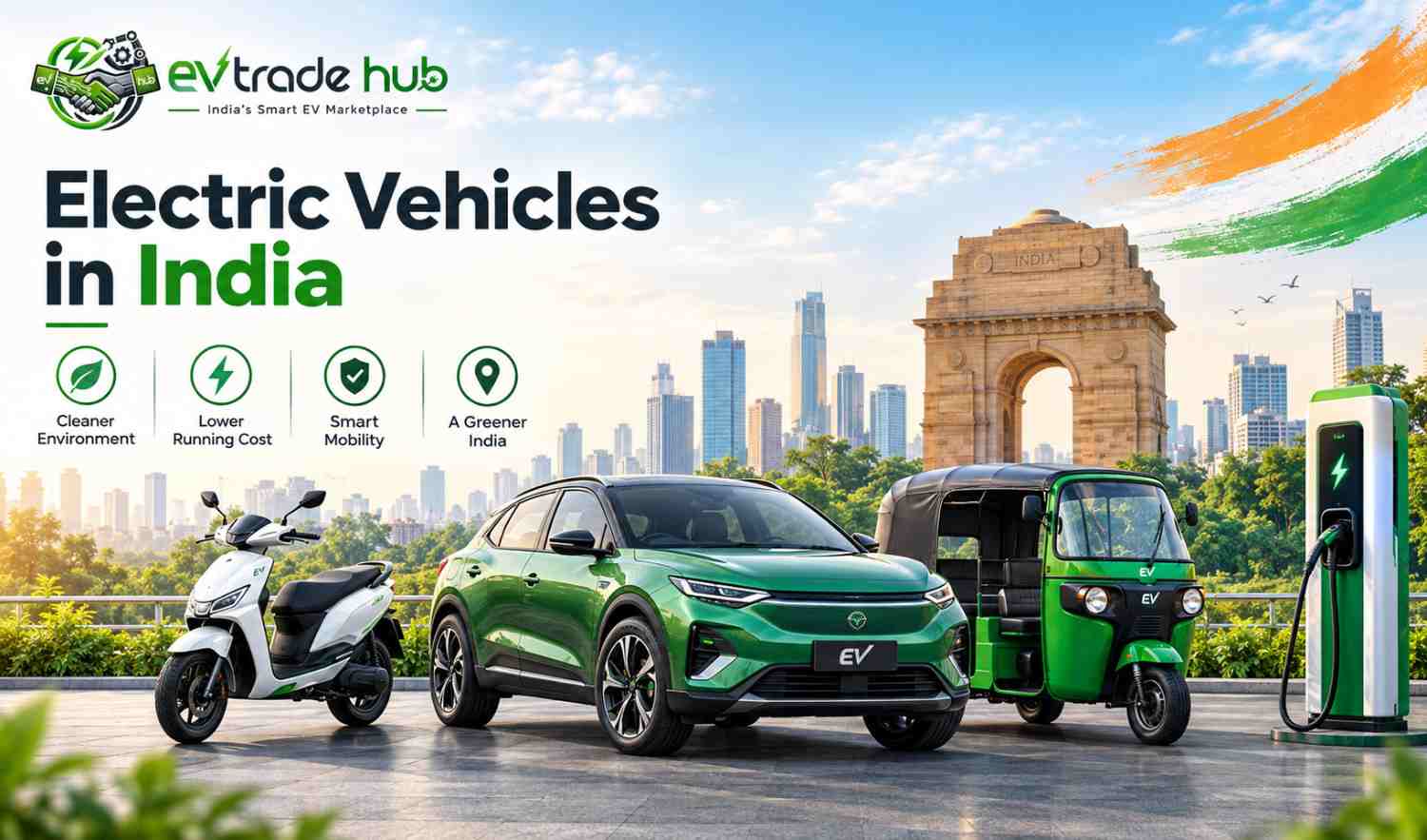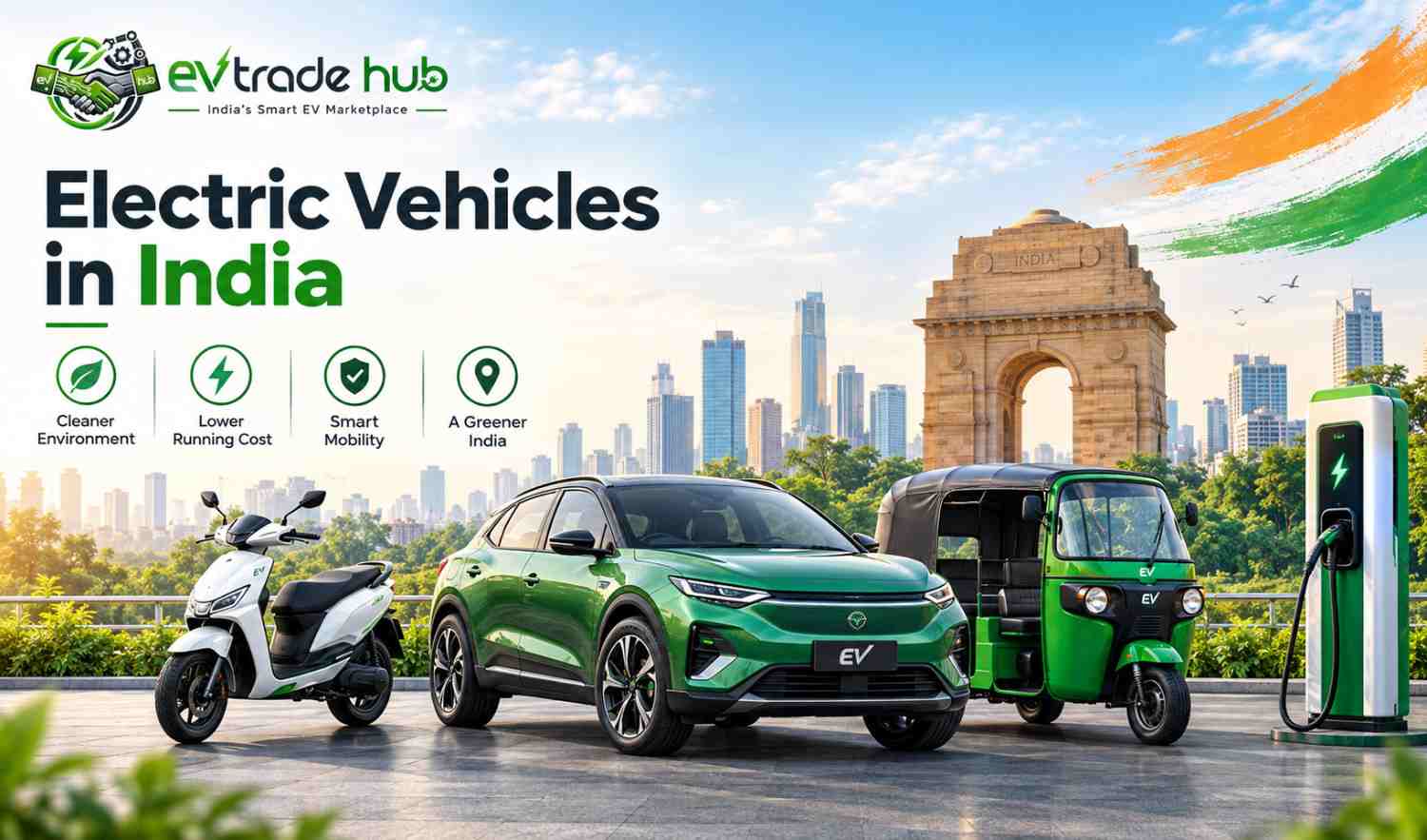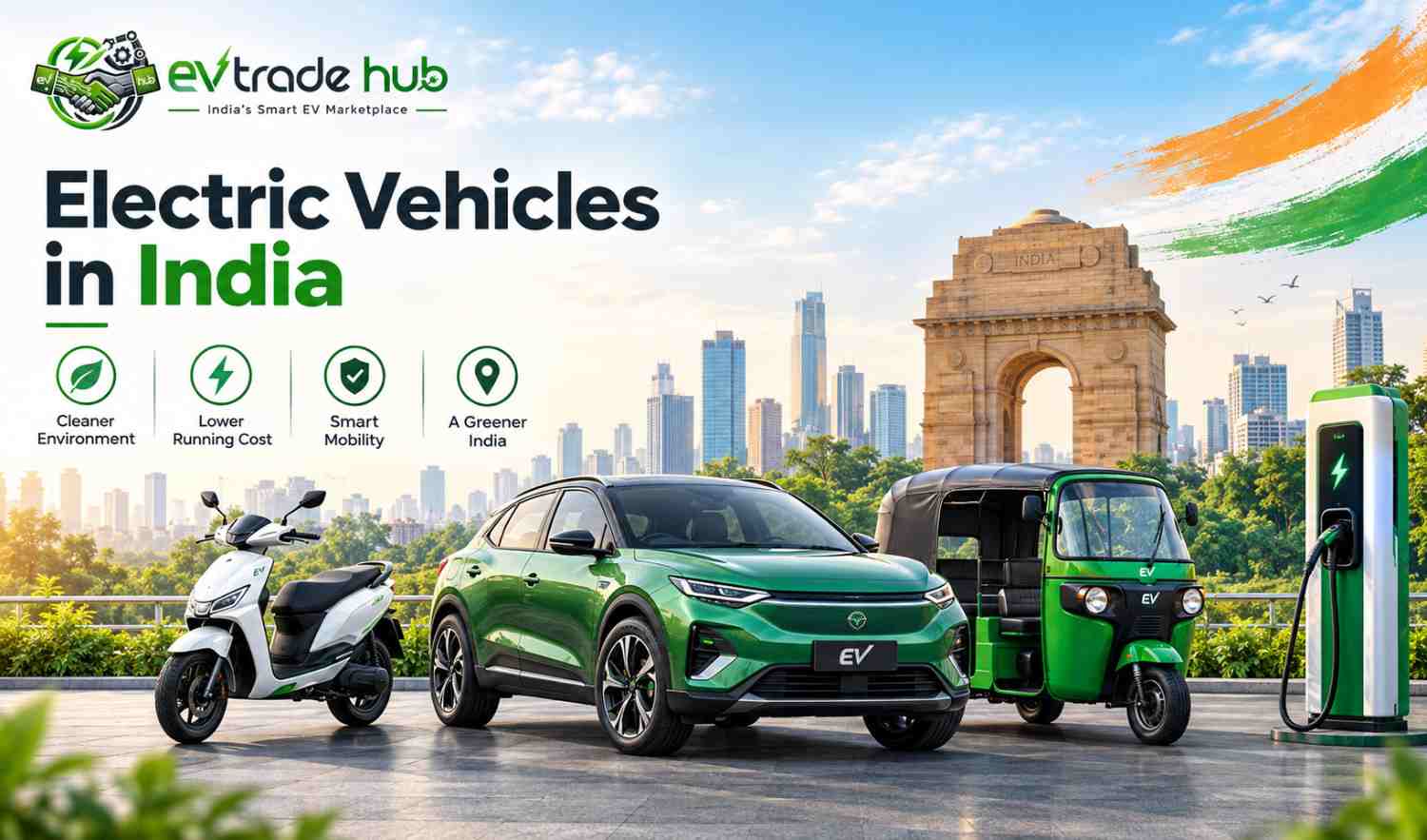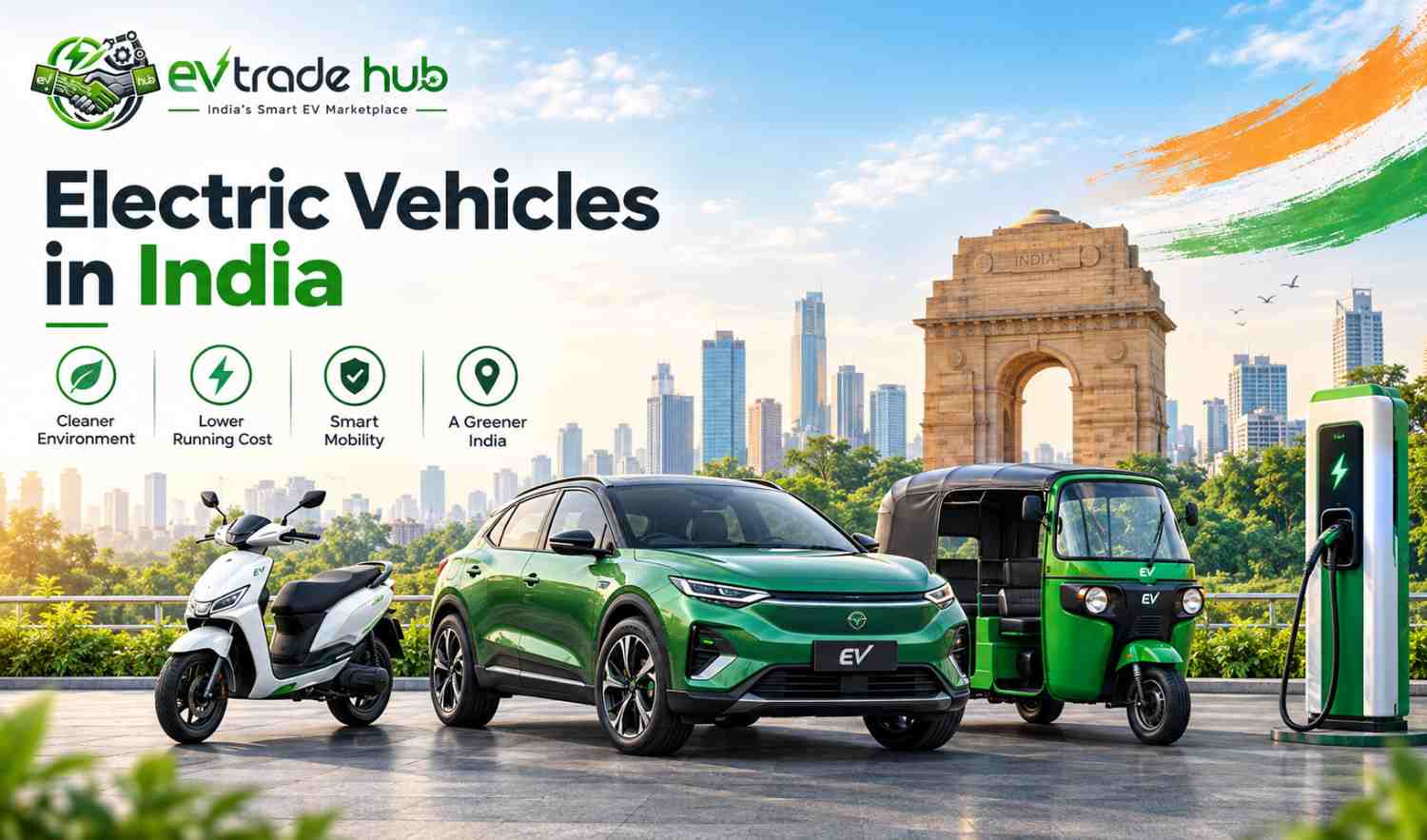
EV distributors in India form an important link between electric vehicle manufacturers and regional dealer networks. They help manufacturers expand their products into different cities and markets while making electric mobility products more easily available to dealers, retailers, fleet operators and business customers.
A professional EV distributor can manage several activities including inventory, transportation, dealer relationships, product supply, spare parts and manufacturer communication. Depending on the business model, distributors may handle electric scooters, electric bikes, E Rickshaws, electric loaders, commercial vehicles, batteries, chargers and other EV components.
As electric mobility continues to develop in India, an efficient distribution network can help manufacturers reach new markets while allowing dealers to procure products through regional supply channels.
The primary role of an EV distributor is to manage the regional supply of electric mobility products. Distributors generally purchase or receive products from manufacturers and supply them to dealers and other approved business partners.
Their responsibilities may include:
The exact responsibilities can vary according to the agreement between the manufacturer and distributor.
India has a large and diverse market for electric vehicles. Demand can vary significantly between cities, towns and different customer segments. A manufacturer may find it difficult to directly manage sales and inventory across every market.
Distributors can help solve this challenge by maintaining regional stock and developing local dealer networks. This allows manufacturers to expand their market presence while dealers can source vehicles and components from a nearby distribution channel.
A strong distribution network can also improve delivery times, product availability and communication between manufacturers and local markets.
EV distributors can handle different types of electric mobility products depending on their manufacturer relationships and business portfolio.
Common product categories include:
Some distributors specialize in a single category, while others may maintain a broader EV product portfolio.
Electric scooters and bikes represent an important category in the EV market. Distributors can help manufacturers supply these vehicles to local dealerships and retailers.
For two-wheelers, distributors may need to manage complete vehicle inventory as well as chargers, replacement components and other commonly required parts.
Availability of spare parts and technical support can be particularly important because dealers need to provide after-sales service to customers.
E Rickshaws, electric loaders and other three-wheelers are widely considered for passenger transportation and commercial applications. Distributors serving this segment may need to maintain vehicles, batteries, chargers and replacement parts.
Commercial customers generally focus heavily on vehicle availability, operating cost, battery performance and service support. A reliable distribution system can help dealers respond to these requirements more efficiently.
Batteries are one of the most important components of electric vehicles, making battery distribution an important part of the EV supply chain.
Distributors may handle lithium-ion batteries, LiFePO4 battery systems, lead-acid batteries and other battery products depending on the vehicle category.
Battery distributors should ensure that dealers receive correct information regarding voltage, capacity, compatibility, charging requirements, warranty and installation.
Dealers can benefit from working with a regional EV distributor because it can simplify product procurement and logistics.
Potential benefits include:
The actual benefits depend on the distributor's agreement with manufacturers and its regional infrastructure.
Businesses interested in becoming EV distributors should carefully evaluate manufacturers before entering into a distribution agreement. Product quality, production capacity and after-sales support can directly affect the distributor's reputation.
Important factors include:
It is also important to understand how quickly the manufacturer can replenish stock when regional demand increases.
Many EV distribution arrangements are based on specific geographical territories. A distributor may be responsible for developing dealers and maintaining product supply within an agreed region.
Before signing an agreement, distributors should clearly understand the territory, sales expectations, dealer appointment process, pricing structure and business conditions.
A well-defined territory can help avoid channel conflicts and create a more organized dealer network.
Inventory management is one of the most important aspects of EV distribution. Maintaining insufficient stock can lead to delayed dealer deliveries, while excessive stock can block working capital and increase storage expenses.
Distributors should regularly monitor:
Demand forecasting and regular communication with dealers can help distributors maintain appropriate inventory levels.
Transportation is another important part of the EV distribution business. Vehicles and components need to be transported safely from manufacturers or warehouses to dealers in different locations.
Distributors should consider transportation costs, delivery timelines, warehouse location, product handling and regional demand when developing their logistics system.
For batteries and electrical components, suitable packaging and handling procedures are particularly important.
A distributor's success depends heavily on its dealer network. Distributors can identify suitable dealers in cities and towns where electric vehicle demand is developing.
Potential dealer partners can be evaluated based on showroom location, customer reach, sales capability, service infrastructure and financial capacity.
Distributors can also provide product training and technical information to help dealers explain EV technology to customers.
Warranty coordination is an important part of the EV distribution ecosystem. Dealers may need assistance from distributors and manufacturers when customers report problems with vehicles, batteries or electrical components.
A clear warranty process can improve communication and reduce unnecessary delays. Distributors should understand warranty conditions, claim procedures and replacement policies before supplying products to dealers.
Spare parts availability is important for maintaining electric vehicles after purchase. Distributors can support dealers by maintaining stocks of commonly required components.
These may include:
Reliable spare-parts supply can help dealers reduce repair delays and improve customer satisfaction.
Pricing is an important factor in the EV distribution business. The distributor's business economics can be influenced by manufacturer pricing, transportation expenses, warehouse costs, taxes, inventory holding costs and dealer pricing.
Distributors should evaluate the complete cost structure rather than focusing only on the manufacturer's purchase price. A product with dependable supply and strong after-sales support may provide better long-term value than a product with a lower initial procurement price but weak support.
EV distribution generally requires working capital because businesses may need to purchase vehicles, batteries and spare parts before receiving payment from dealers.
The required capital can vary depending on the product category, inventory size, manufacturer payment terms, warehouse requirements and distribution territory.
Distributors should maintain sufficient working capital for inventory, transportation, warehouse expenses, staff and regular business operations.
Distributors can support dealer networks through local marketing activities. Product brochures, banners, digital campaigns, promotional materials and product demonstrations can help dealers generate customer interest.
Local marketing is particularly useful in the EV sector because customers often want to see the vehicle physically, understand battery performance and take a test ride before purchasing.
Businesses interested in becoming EV distributors should first research the local market and identify product categories with suitable demand. They can then approach manufacturers and discuss their distribution requirements.
A typical process may include:
New distributors may face problems if they focus only on vehicle sales and ignore supply-chain management and after-sales support.
The expanding electric mobility ecosystem is creating opportunities across several EV categories. Distributors can start with one product category and gradually expand their portfolio according to market demand.
Potential growth areas include electric scooters, electric bikes, E Rickshaws, electric loaders, commercial EVs, batteries, chargers, spare parts and EV components.
Geographical expansion can also provide opportunities when distributors successfully establish a strong dealer network in their existing territory.
As more consumers and businesses consider electric mobility, efficient supply chains will remain important. Manufacturers need reliable partners who can move products into regional markets, while dealers need consistent access to vehicles, batteries and spare parts.
Distributors that combine efficient inventory management, reliable logistics, strong dealer relationships and effective after-sales coordination can become valuable partners within the EV ecosystem.
EV distributors in India help connect manufacturers with dealers and regional markets. They support product availability through inventory management, transportation, dealer development, spare parts supply and warranty coordination.
Businesses planning to work with an EV distributor should evaluate product quality, manufacturer relationships, supply capacity, territory coverage, logistics, pricing and after-sales support. Similarly, businesses looking to become distributors should carefully plan working capital, warehouse operations, dealer development and inventory management.
With the continued development of electric mobility in India, professional EV distribution networks can support manufacturers in expanding their reach and help dealers provide customers with better access to electric vehicles and related products.