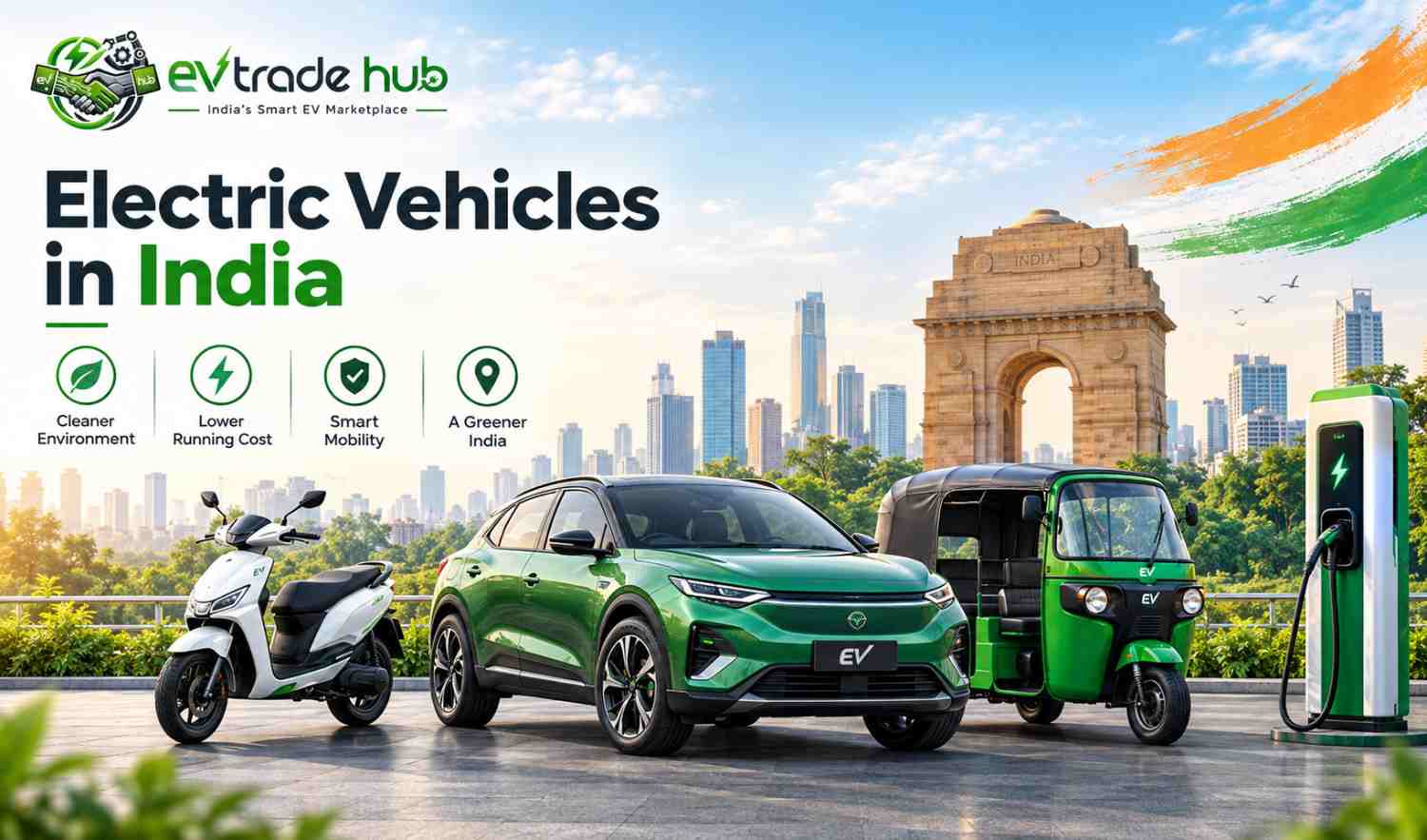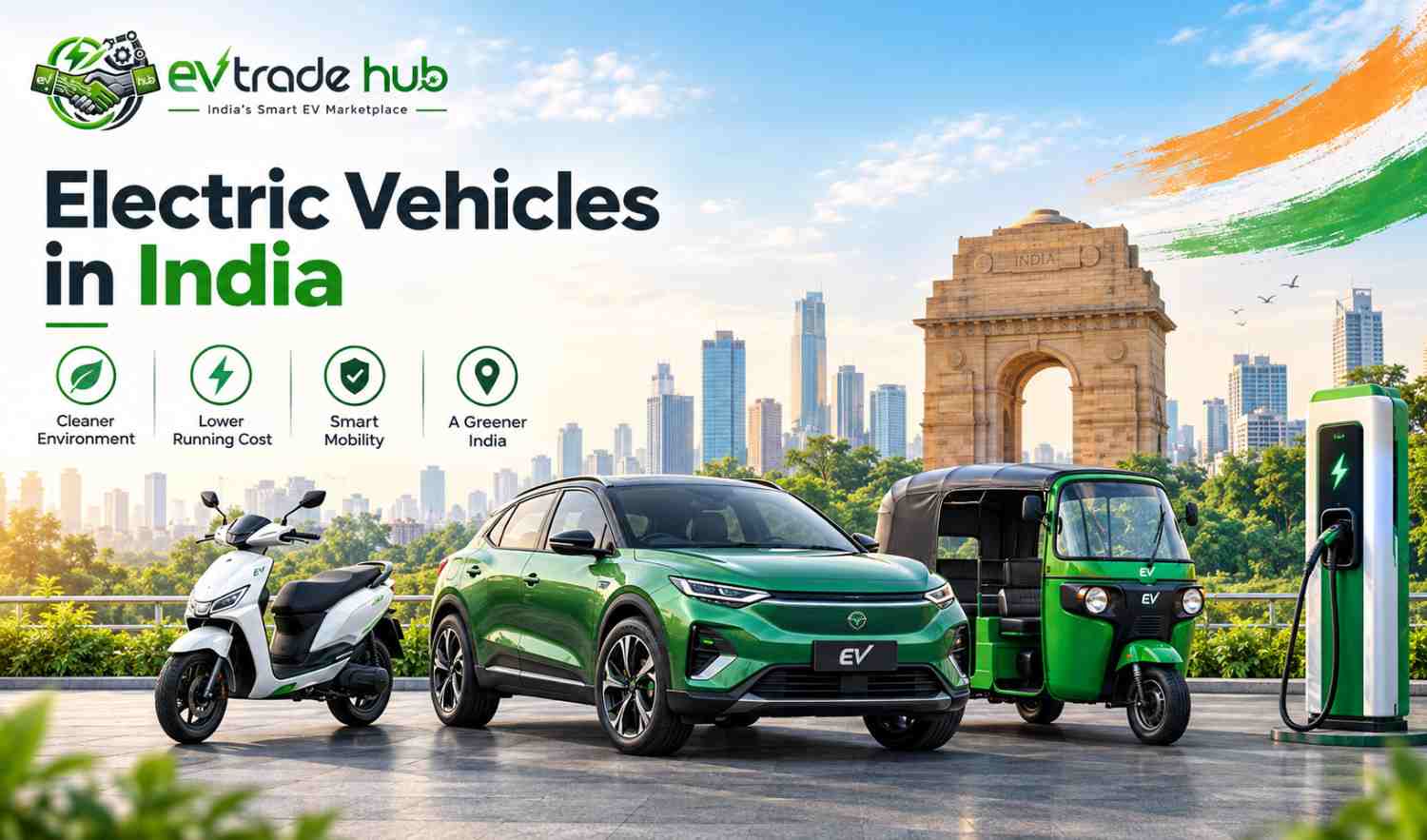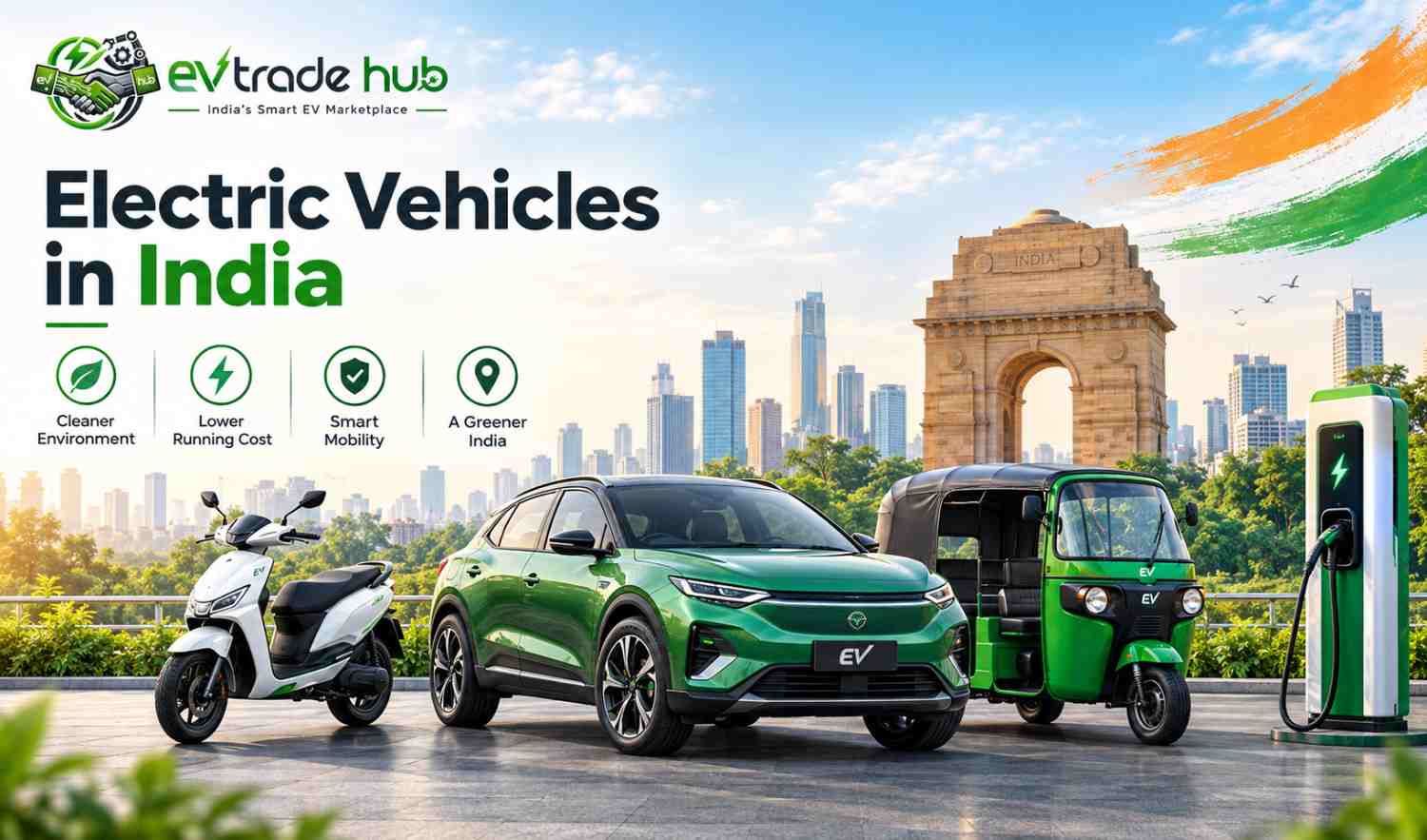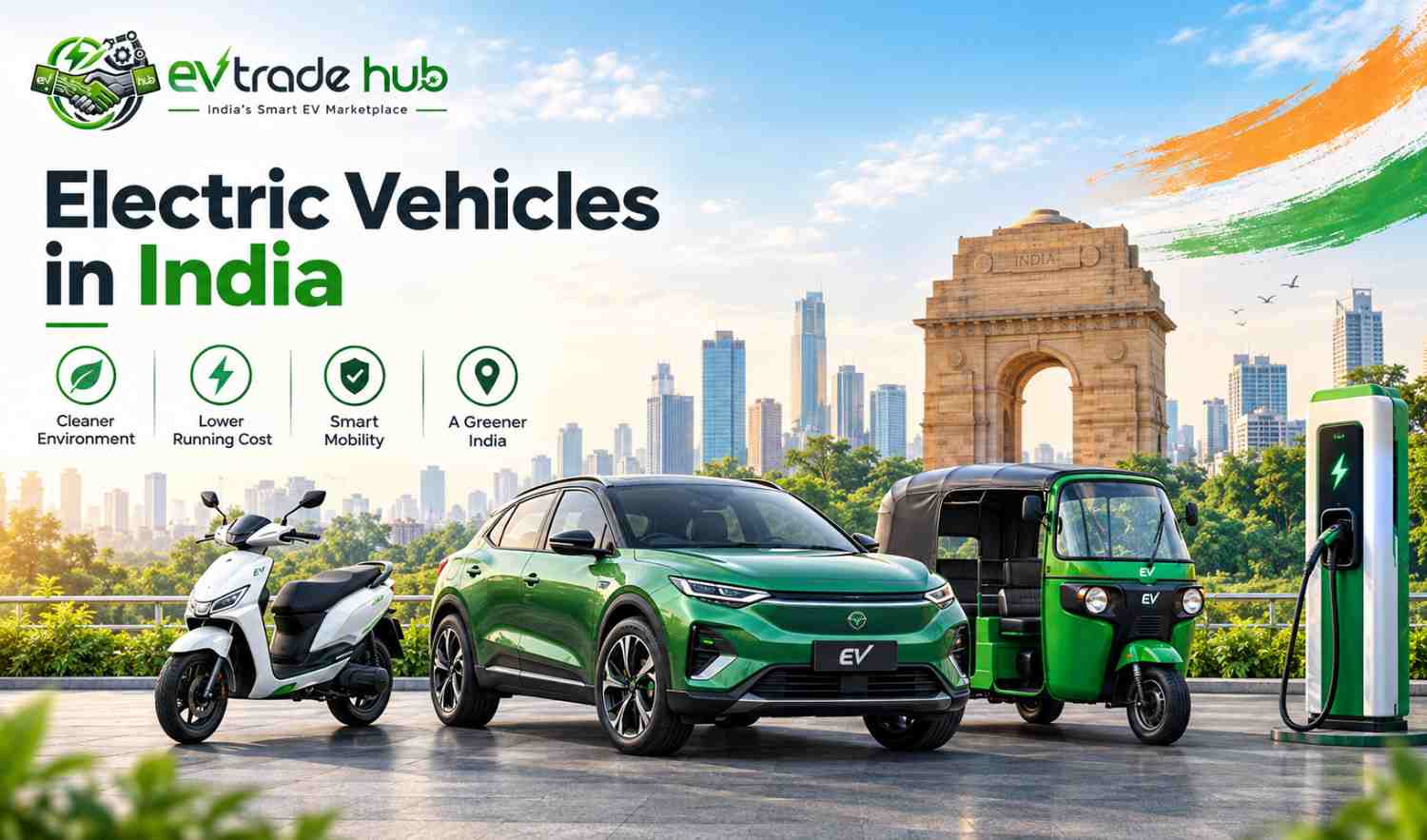
The electric car battery is the primary energy storage system that powers an electric vehicle. Unlike conventional petrol or diesel cars that use an internal combustion engine and fuel tank, electric cars store electrical energy in a high-voltage battery pack and use that energy to power an electric motor.
Battery technology plays a major role in the overall performance of an electric car. Battery capacity, energy density, charging capability, thermal management and battery management systems can influence driving range, charging time, acceleration, vehicle weight and overall ownership cost.
In India, modern electric cars generally use advanced lithium-based battery systems. Different manufacturers can use different battery chemistries and pack designs depending on vehicle size, performance requirements, price segment and intended usage.
An electric car battery is a rechargeable high-voltage energy storage system designed to provide electrical power to the vehicle's electric motor and other electrical components.
The battery pack consists of multiple individual cells connected together to achieve the required voltage and energy capacity. A complete battery system can also include battery modules, Battery Management System, sensors, cooling components, electrical protection devices, wiring and a protective enclosure.
The battery pack works together with the motor, inverter, charger and other vehicle systems to deliver power and manage energy efficiently.
Electric car battery capacity is generally measured in kilowatt-hours (kWh). It represents the amount of electrical energy that the battery can store.
A larger battery can store more energy and may provide greater driving range. However, battery capacity alone does not determine the actual distance an electric car can travel.
Range also depends on factors such as:
Therefore, buyers should consider both battery capacity and overall vehicle efficiency when evaluating an electric car.
Driving range is one of the most important factors when purchasing an electric car in India. The available range depends on the battery's usable energy and the vehicle's energy consumption.
Manufacturer range figures can be useful for comparison, but real-world range can vary according to driving conditions. Highway driving, heavy traffic, frequent acceleration, high-speed driving and extensive air-conditioning use can affect energy consumption.
For daily commuters, the most important consideration is whether the vehicle can comfortably cover the normal daily travel distance while leaving a reasonable charging margin.
Lithium ion technology is widely used in modern electric cars because it can provide high energy density, efficient power delivery and comparatively low weight.
The term lithium ion covers several battery chemistries, and different chemistries can provide different combinations of energy density, safety characteristics, cost, durability and cycle life.
LiFePO4, for example, is one lithium battery chemistry that is known for its thermal characteristics and durability. Other lithium-based chemistries may be selected when energy density and packaging requirements are more important.
The actual performance of an electric car battery depends on the complete battery pack rather than chemistry alone.
An electric car battery pack is made up of many battery cells arranged in series and parallel configurations. The cells can be grouped into modules and integrated into a complete high-voltage battery system.
A modern battery pack can contain:
All these components work together to provide controlled and reliable energy storage.
The Battery Management System, commonly called BMS, is a critical part of an electric car battery. It monitors important parameters such as voltage, current and temperature.
The BMS can help protect the battery from unsuitable operating conditions such as excessive charging, excessive discharge, abnormal current and temperature-related issues, depending on the vehicle's system design.
Battery management can also involve cell balancing to help maintain consistent operation across multiple cells within the battery pack.
Electric cars can be charged using home charging equipment or public charging stations. The charging method and charging speed depend on the vehicle, battery system and charging equipment.
Common charging options include:
Not every electric car supports the same charging power. Therefore, buyers should check the vehicle's AC and DC charging capabilities before selecting a charging setup.
Charging time depends on battery capacity, charger output, current battery charge level, charging system and the maximum charging capability of the vehicle.
Home AC charging is generally suitable when a vehicle can remain connected for several hours, such as overnight. DC fast charging can provide higher charging power to compatible vehicles and can reduce charging time during longer journeys.
Charging speed can also vary depending on battery temperature and the vehicle's battery management system.
Electric car battery life depends on several factors, including battery chemistry, charging patterns, temperature, depth of discharge, charging speed, usage frequency and overall battery management.
Modern battery management systems are designed to monitor battery conditions and help maintain operation within appropriate limits.
Battery performance can gradually change over time. As the battery ages, its usable capacity and available range may decrease depending on usage and operating conditions.
Temperature management is an important part of electric car battery design. Battery performance and charging behavior can be affected by temperature.
Depending on the vehicle design, thermal management may use air cooling, liquid cooling or other methods to help maintain suitable battery operating conditions.
Effective thermal management can be particularly important during high-power driving, fast charging and extreme temperature conditions.
Battery safety depends on cell quality, battery pack design, BMS, electrical protection, thermal management and charging equipment.
Modern electric cars use multiple systems to monitor and protect the high-voltage battery. However, owners should still follow the manufacturer's instructions and avoid unauthorized modifications to the battery or high-voltage electrical system.
Important safety practices include:
Electric cars generally require less routine powertrain maintenance than conventional engine-powered vehicles because they have fewer moving mechanical components. However, the battery system still requires proper operating practices.
Battery maintenance can include following recommended charging procedures, monitoring vehicle warnings, maintaining suitable tyre pressure and following scheduled vehicle inspections.
Owners should also follow the manufacturer's recommendations for long-term vehicle storage and charging.
Battery warranty is an important factor when purchasing an electric car because the high-voltage battery is one of the most valuable components of the vehicle.
Warranty conditions can vary between manufacturers and models. Buyers should understand the applicable warranty period, coverage conditions, battery performance requirements and service procedures.
Before purchasing an electric car, it is useful to review the battery warranty separately from the general vehicle warranty.
Electric car batteries are designed for long-term use, but battery performance can gradually decline over time. Battery replacement requirements depend on the vehicle, battery condition, usage and manufacturer specifications.
A battery replacement can be a significant expense, so buyers should consider warranty coverage, service support and battery technology when evaluating long-term ownership.
Battery replacement should be handled by an authorized or appropriately qualified service provider because high-voltage battery systems require specialized equipment and procedures.
The cost of an electric car battery depends on battery capacity, chemistry, vehicle design, cell technology, manufacturing quality, thermal management and other components of the battery system.
Larger battery packs generally contain more energy storage capacity and can therefore represent a larger portion of the overall vehicle cost.
When evaluating the cost of an electric car, buyers should consider the complete ownership cost rather than looking only at the battery price. Electricity cost, maintenance, insurance, charging equipment and potential long-term battery expenses can all contribute to total ownership cost.
Home charging can be a convenient option for electric car owners who have suitable parking and electrical infrastructure. The vehicle can often be charged during periods when it is not being used, such as overnight.
Before installing a home charging system, users should consider electrical capacity, charger specifications, cable routing, parking location and installation safety.
Public charging infrastructure is useful for long-distance travel and for owners who cannot rely entirely on home charging.
Public charging stations can offer different charging speeds and connector systems depending on the station and supported vehicles. Drivers should check charging compatibility and availability when planning longer journeys.
The battery directly influences the amount of electrical energy available for driving. However, the overall running cost of an electric car also depends on vehicle efficiency, electricity rates, charging method and daily distance.
Home charging can provide a different operating cost compared with public charging, while frequent fast charging may have different pricing depending on the charging provider.
For customers comparing electric cars, battery specifications should be evaluated along with the complete vehicle.
Battery specifications are important, but buyers should avoid choosing an electric car based only on the largest battery capacity or highest advertised range.
For long-distance travel, battery capacity and charging capability become particularly important. A vehicle with suitable range can reduce the number of charging stops, while fast charging capability can help reduce waiting time during journeys.
Before a long trip, drivers should consider the planned route, available charging locations, expected range and weather or traffic conditions.
Battery technology continues to develop as electric vehicle adoption grows. Improvements in cell technology, battery pack design, charging systems, thermal management and energy management can contribute to better electric vehicle performance.
As charging infrastructure expands and battery technology continues to improve, electric cars can become increasingly practical for different types of Indian driving requirements.
Electric car batteries are at the center of modern electric mobility. They store the energy required to power the electric motor and have a major influence on vehicle range, charging time, performance, weight and ownership cost.
Lithium-based battery technologies are widely used in modern electric cars because of their energy density, efficiency and suitability for different vehicle designs. However, battery performance depends on the complete system, including cells, BMS, thermal management, charger and vehicle powertrain.
When choosing an electric car in India, buyers should consider battery capacity, real-world range, charging speed, battery chemistry, charging infrastructure, warranty, service support and total ownership cost. A properly designed battery system combined with suitable charging infrastructure can make electric cars a practical option for everyday transportation and longer journeys.