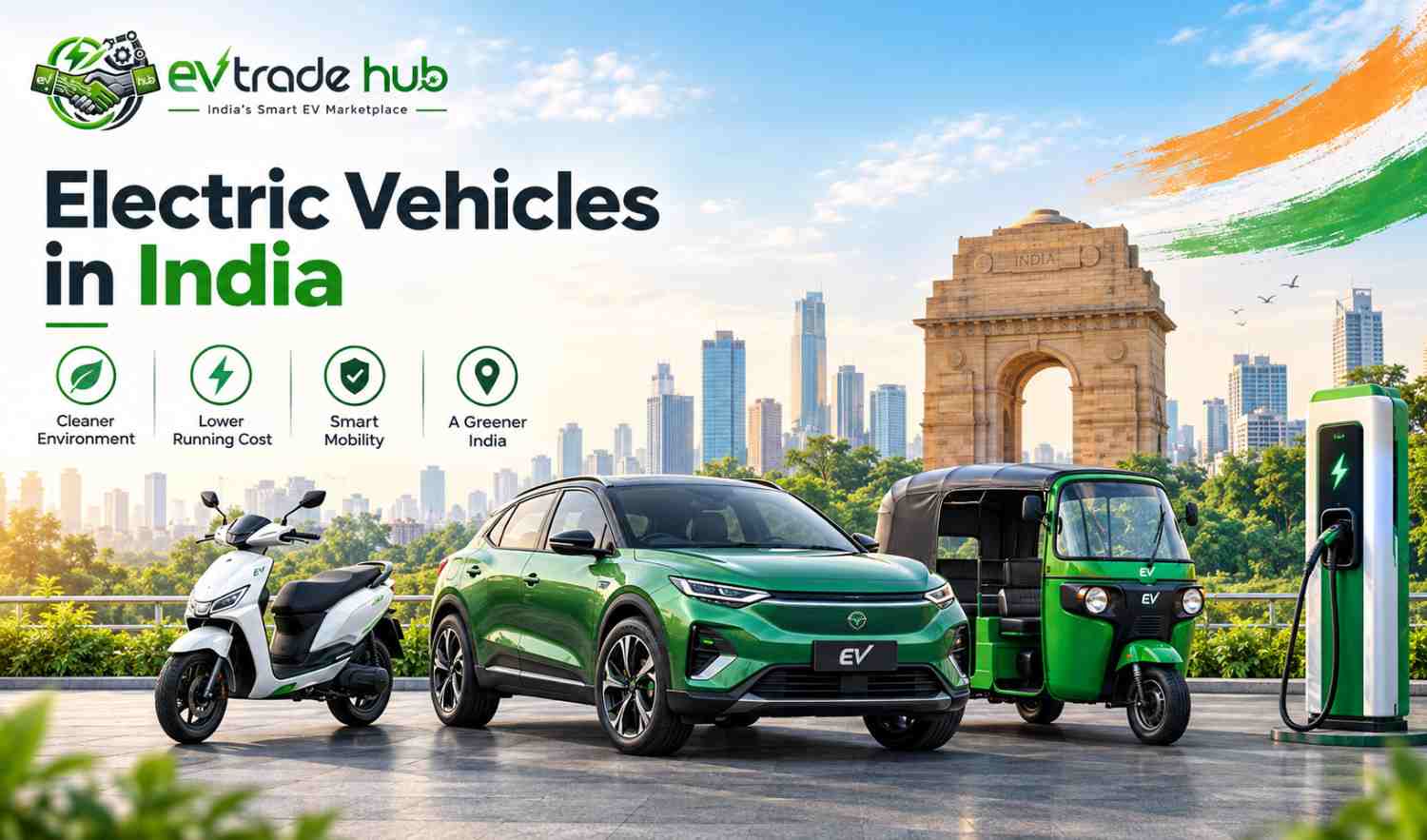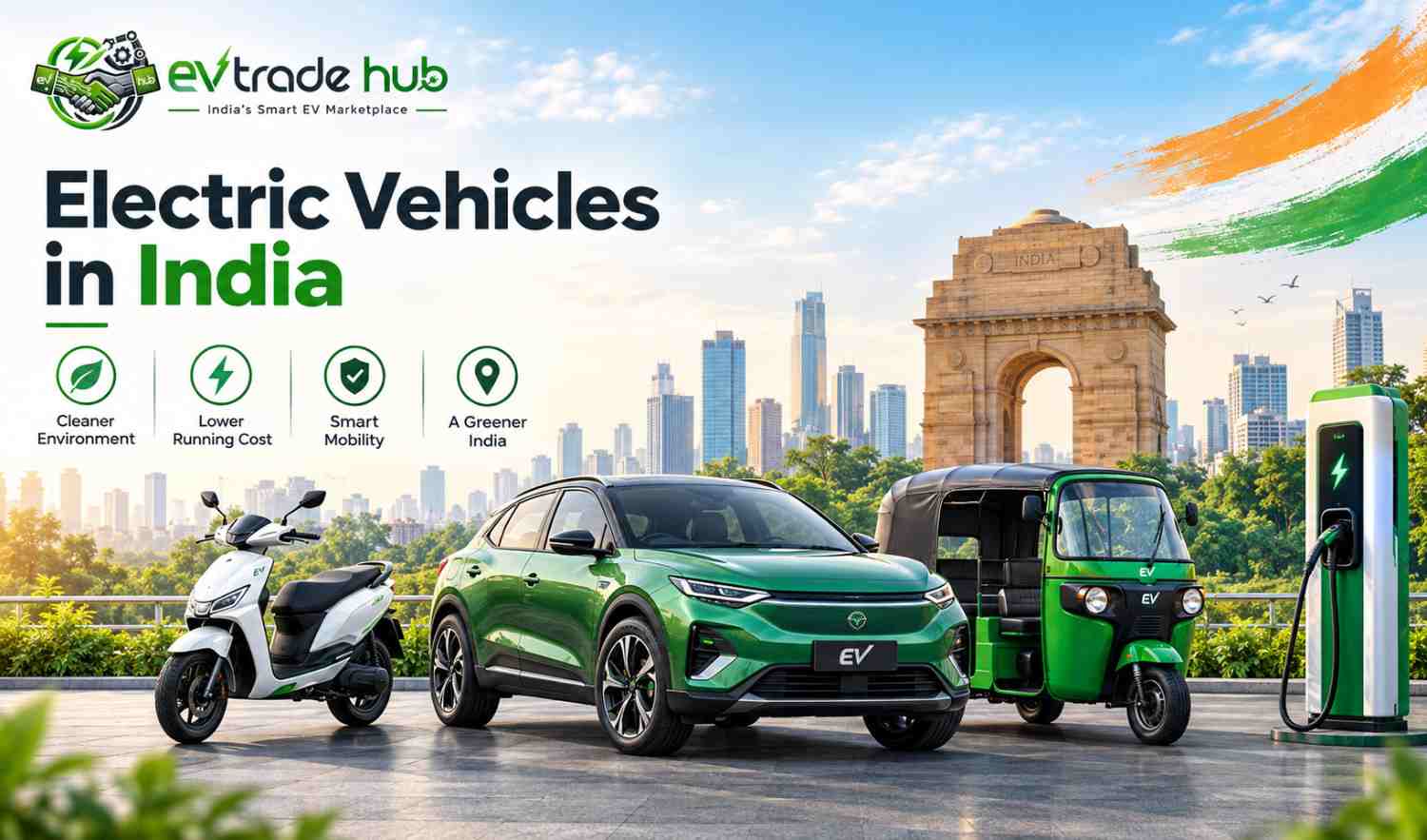
Electric scooter dealerships are becoming an attractive business opportunity as more customers consider electric two-wheelers for daily commuting, local travel and personal transportation. Electric scooters can offer customers an alternative to conventional petrol vehicles, particularly for short and medium-distance travel.
An electric scooter dealership can generate revenue through vehicle sales and may also provide opportunities through accessories, spare parts, servicing and other after-sales activities. However, starting a dealership requires careful planning. Entrepreneurs should evaluate local demand, select a suitable brand, arrange an appropriate showroom, plan inventory and build reliable service support before starting operations.
The first step is to understand the demand for electric scooters in your target market. Demand can vary between cities, towns and different customer segments.
Research factors such as:
Visiting competing dealerships and speaking with local customers can provide useful information about the products and features that have the strongest demand.
Brand selection is one of the most important decisions when starting an electric scooter dealership. The brand you choose will influence your product range, pricing, customer trust, margins and after-sales responsibilities.
Compare manufacturers based on:
A low-cost product is not necessarily the best dealership opportunity. Long-term customer satisfaction and manufacturer support should also be considered.
Electric scooters can appeal to different types of customers. Identifying your target audience can help you choose the right products and marketing strategy.
Potential customers include:
Different customers may prioritize different features. Some may focus on price, while others may be more interested in range, charging time, performance, storage space, design or warranty.
A visible and accessible showroom can help increase customer enquiries and walk-in traffic. Location requirements may also depend on the manufacturer's dealership guidelines.
When selecting a showroom, consider:
A premium showroom is not always necessary. A clean, professional and well-organized showroom in the right location can provide a better return than an expensive location with limited customer demand.
After selecting the location, plan the showroom according to the manufacturer's requirements and your customer experience goals.
The setup may include:
Customers should be able to easily compare models, understand important features and speak with trained sales representatives.
The investment required for an electric scooter dealership depends on the brand, showroom size, location, inventory requirements and service facilities.
Potential expenses may include:
Entrepreneurs should maintain enough working capital to cover operating expenses during the initial months. Avoid investing the entire available budget in showroom setup or vehicle inventory.
Electric scooter customers often have questions about battery performance, range, charging, maintenance, warranty and operating costs. A knowledgeable sales team can make the buying process easier.
Sales staff should be trained to:
Sales representatives should provide accurate information rather than making unrealistic promises about range, battery life or performance.
Test rides can be an important part of electric scooter sales. Customers can understand vehicle acceleration, handling, comfort, braking and overall riding experience more effectively through a practical demonstration.
A dealership should establish a suitable test-ride process that prioritizes customer safety and follows the manufacturer's requirements and applicable local rules.
After-sales service can significantly influence customer satisfaction and referrals. Customers need reliable support for routine maintenance, warranty issues, battery-related concerns and other technical requirements.
A dealership service setup may provide support for:
Keeping commonly required spare parts available can also reduce service delays and improve the customer experience.
Marketing is essential for generating awareness and dealership enquiries. A combination of digital and local marketing can help reach potential customers.
Useful marketing activities include:
Educational content about electric scooter charging, range, battery maintenance and ownership costs can also help attract customers who are researching EVs online.
Once the dealership starts operating, regularly track sales and business expenses. Proper data can help identify which models and marketing channels are performing well.
Important metrics can include:
Reviewing these numbers regularly can help improve inventory planning, marketing budgets and overall dealership profitability.
New dealership owners should carefully evaluate the business before making a large investment. Some common mistakes include:
Starting an electric scooter dealership in India can be a promising business opportunity when supported by proper market research, reliable products, professional sales operations and strong after-sales service. The growing interest in electric two-wheelers can create opportunities in both urban and smaller markets.
Before starting the dealership, entrepreneurs should compare brands, understand local customer demand, evaluate dealership terms, select an appropriate showroom location and prepare a realistic investment plan. Service support, spare parts availability and customer satisfaction should also be treated as important parts of the business rather than secondary activities.
With the right brand, suitable products, trained staff, effective marketing and dependable after-sales support, an electric scooter dealership can build customer trust and develop into a sustainable electric mobility business.