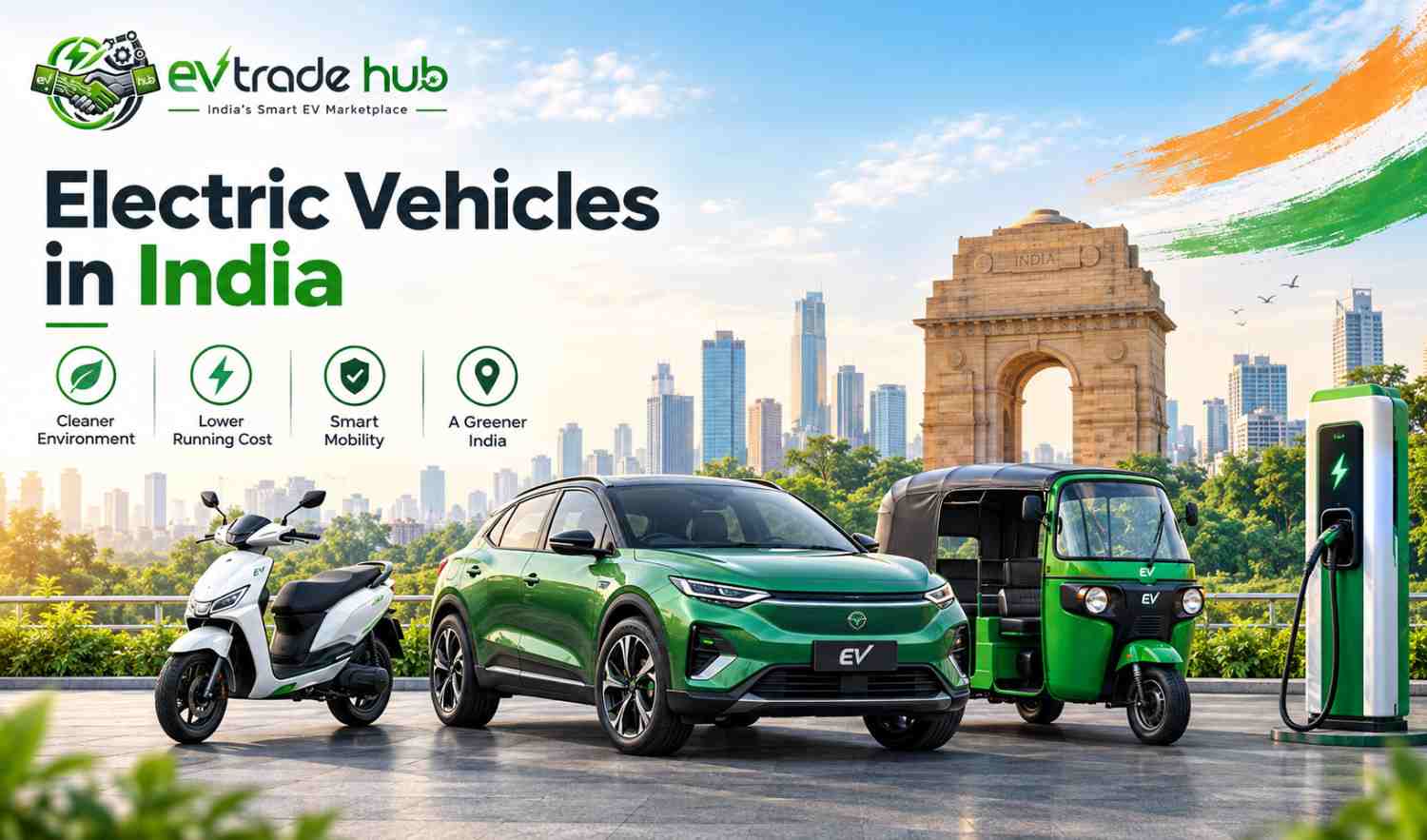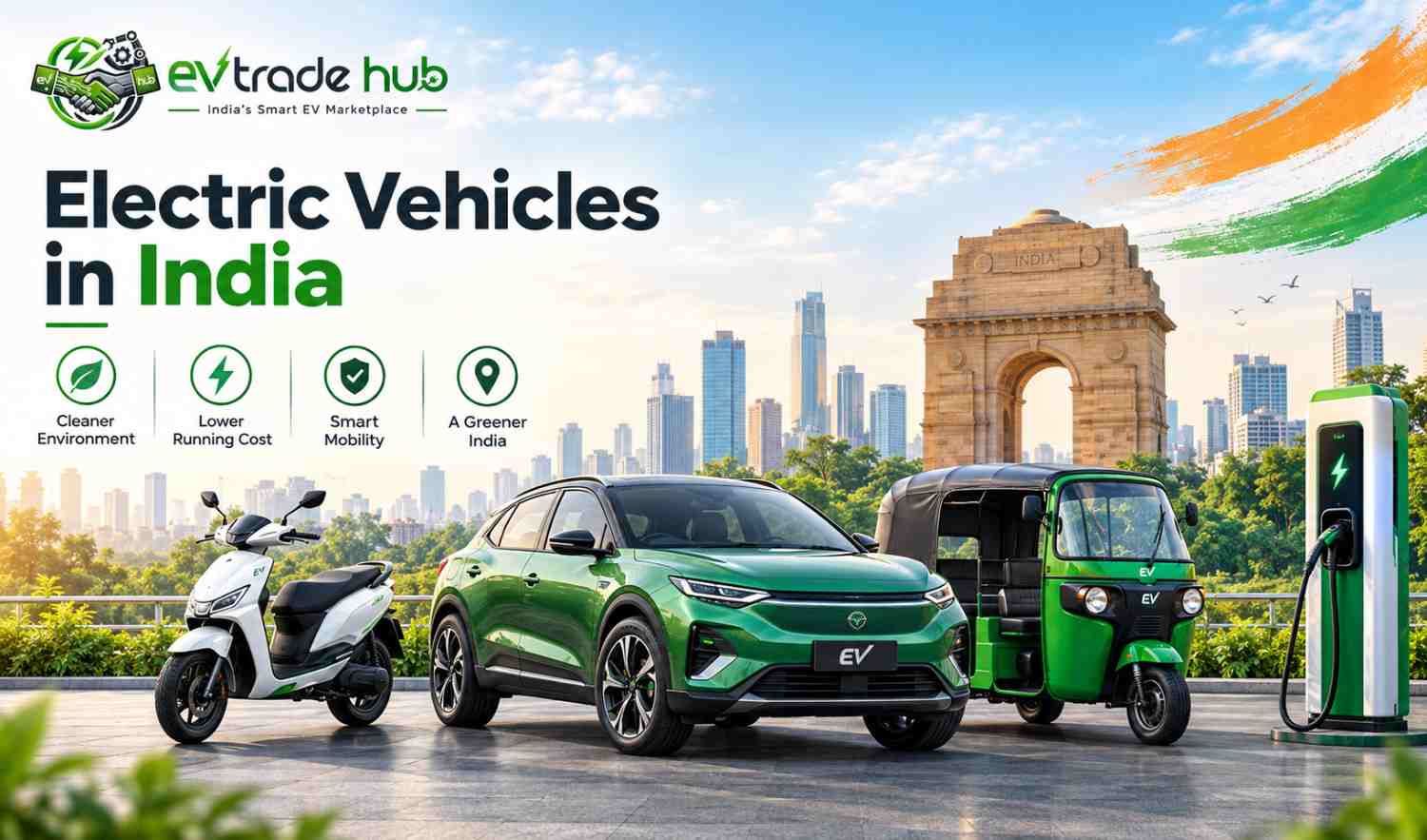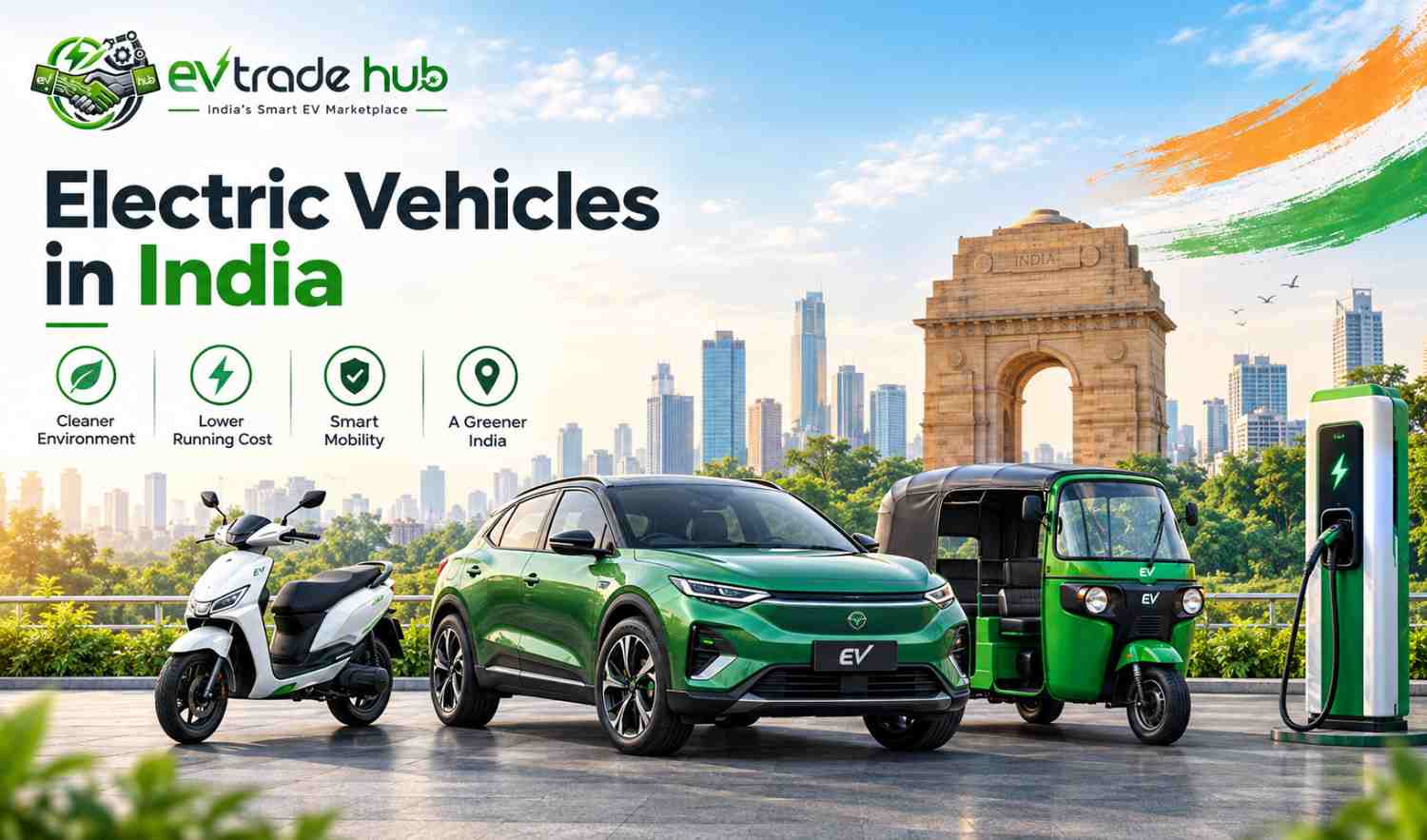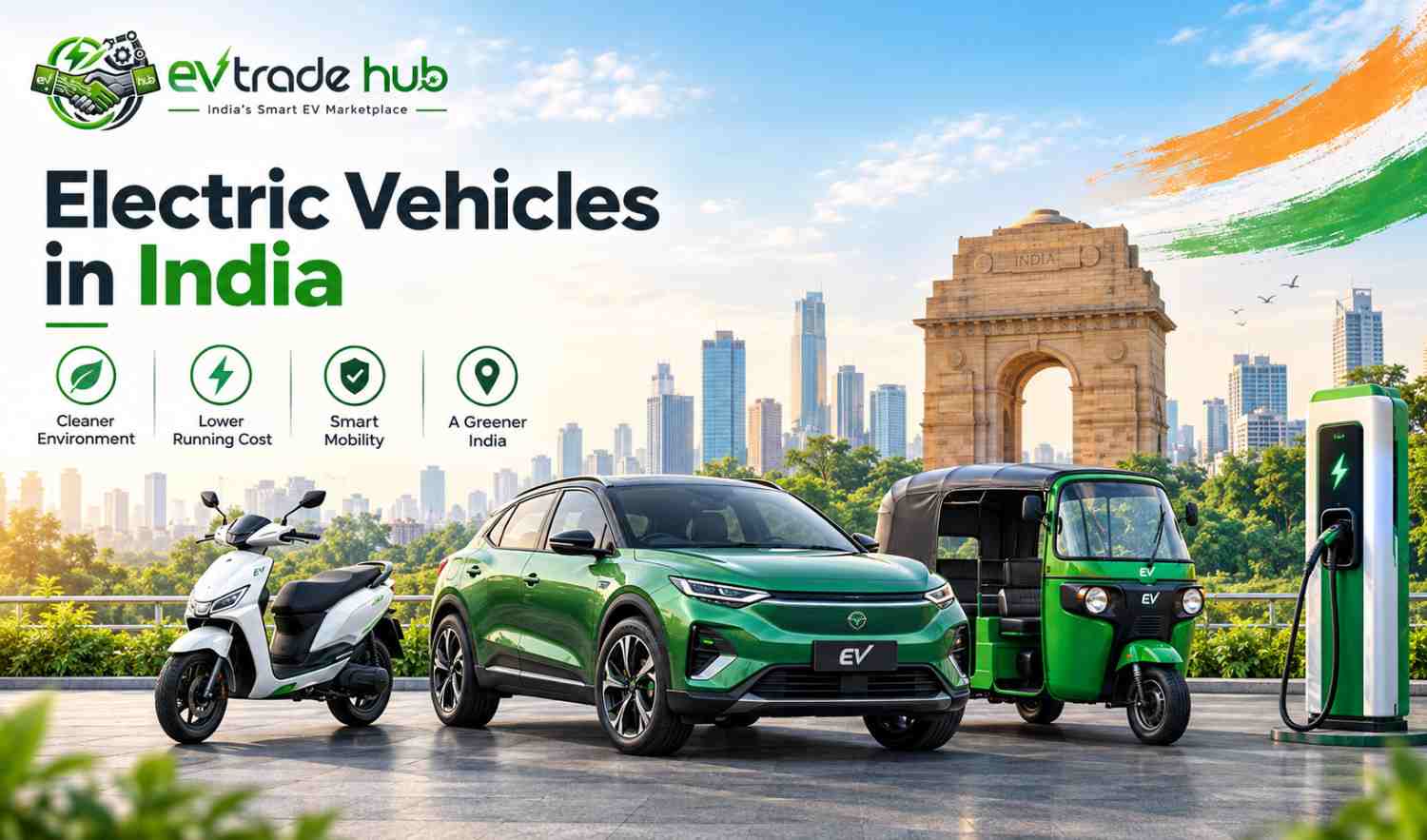
An EV battery charger is an important component of an electric vehicle charging system. It supplies electrical energy to the vehicle battery and helps restore the energy used during driving. The charger must be properly matched with the battery voltage, chemistry, capacity, charging current and overall electrical system of the vehicle.
Charging technology has a direct impact on the daily usability of an electric vehicle. Charging time, efficiency, safety and charger compatibility can influence how easily an EV can be used for personal commuting, commercial transportation and delivery operations.
Choosing an EV battery charger should therefore not be based only on charging speed or price. Battery specifications, charger output, connector type, electrical protection and manufacturer recommendations should all be considered before purchasing a charger.
An EV battery charger converts electrical power from a suitable electricity source into the form required by the vehicle's battery system. Depending on the vehicle and charging setup, the charger may be built into the vehicle or provided as an external charging unit.
The charger works with the vehicle's battery management and electrical systems to deliver energy under controlled conditions. Different electric vehicles can require different charger specifications, so a charger designed for one vehicle may not necessarily be suitable for another.
EV chargers can be categorized according to their design, power output, charging method and application. The appropriate charger depends on the vehicle type and battery system.
Portable chargers are commonly used for home or convenient charging applications. They can be useful for personal electric scooters, bikes and other vehicles that support compatible portable charging systems.
Portable chargers are generally convenient because they can be carried or stored when not in use, but their output should always match the vehicle's charging requirements.
AC charging systems supply alternating current to the vehicle charging system. Depending on the vehicle design, the required power conversion may be handled by an onboard charger.
AC charging can be suitable for home, workplace and regular charging applications where the vehicle can remain connected for a longer period.
DC charging systems can provide higher charging power to compatible electric vehicles. In suitable vehicles, DC charging can reduce charging time compared with lower-power charging methods.
However, not every electric vehicle supports high-power DC charging. Vehicle specifications and battery limitations must always be checked before using a particular charging system.
Charger compatibility is one of the most important factors when purchasing an EV charger. The charger should match the electrical and charging requirements of the vehicle battery system.
Important compatibility factors include:
Using an incompatible charger can cause charging problems and may create safety risks or negatively affect battery performance.
Battery voltage is an important specification when selecting a charger. The charger output should be designed for the specific battery system rather than simply being selected based on physical connector compatibility.
For example, a charger intended for one battery voltage category should not automatically be used with a battery having a different voltage requirement. Customers should always verify the recommended charger specification provided by the vehicle or battery manufacturer.
Charging current determines how much electrical current is delivered to the battery during charging. A higher charging current can potentially reduce charging time, but the battery and charging system must be designed to safely support it.
Customers should not assume that using the highest available current will always provide better performance. Charging current should remain within the battery manufacturer's recommended limits.
Charging time depends on several factors, including battery capacity, battery state of charge, charger output, charging efficiency and the vehicle's charging limitations.
In general, a larger battery requires more energy to reach a full charge. A higher-power charger can reduce charging time when the vehicle and battery are designed to accept that charging power.
Charging time can also vary depending on temperature, battery condition and charging system limitations.
The Battery Management System, commonly known as BMS, plays an important role in many modern battery systems. It monitors battery parameters and can help control or protect the battery during charging and operation.
The charger and BMS should work correctly together. This is particularly important for lithium-based batteries, where proper charging control is important for battery performance and safety.
When replacing a charger, customers should confirm that the new charger is compatible with the battery's BMS and charging specifications.
Charging equipment should include suitable electrical protection and should be used according to manufacturer instructions. A quality charger may include protection features designed to help manage conditions such as overcurrent, overheating, short circuits or abnormal voltage conditions.
Customers should also ensure that the electrical connection and installation are suitable for the charger's power requirements.
Important safety practices include:
Home charging is suitable for many personal electric vehicles, particularly when the vehicle is used for daily commuting and can remain connected for several hours.
Before installing a home charging setup, users should consider the vehicle's charger requirements, available electrical supply, charging location and safety of the electrical installation.
For electric scooters and smaller EVs, a portable charger may be sufficient when supported by the vehicle. Larger vehicles may require dedicated charging equipment depending on their specifications.
Commercial charging systems are useful for businesses, fleet operators, delivery companies and public charging locations where multiple vehicles may need regular charging.
Commercial charging requirements can be different from home charging because businesses may need higher charging power, multiple charging points, longer operating hours and appropriate electrical infrastructure.
Fleet operators should evaluate vehicle charging requirements, daily usage patterns and available electrical capacity before installing commercial charging equipment.
Charging efficiency refers to how effectively electrical energy is transferred into usable battery energy. Some energy can be lost during power conversion and charging.
Charger efficiency can influence electricity consumption and operating cost over time. Customers should therefore consider charger quality and efficiency along with its power rating.
Electric scooter chargers are generally designed according to the scooter's battery voltage, capacity and charging system. Since different scooters can have different battery configurations, chargers should not be interchanged simply because their connectors look similar.
Before purchasing a replacement scooter charger, users should verify the original charger specifications and compare the voltage, current, connector and charging requirements.
E Rickshaws may use different battery configurations depending on the vehicle and battery technology. The charger should therefore be matched with the specific battery system installed in the vehicle.
Commercial E Rickshaw users should pay particular attention to charging reliability because charging downtime can affect daily operations. A suitable charger can help maintain predictable charging schedules when used correctly.
Lithium-based batteries require charging systems designed according to their specific chemistry and battery management system. A lithium battery charger should not be selected only based on voltage.
Users should check the battery chemistry, charging voltage, charging current and BMS compatibility before selecting a charger.
Lead-acid batteries have different charging characteristics from lithium-based batteries. The charger must therefore be designed for the correct lead-acid battery configuration and voltage.
Using a charger designed for a different battery chemistry can result in improper charging and may affect battery performance or safety.
Proper charger maintenance can help extend its usable life and improve charging reliability. Users should regularly inspect the charger, cable and connector for visible damage.
A faulty charger may show different symptoms depending on the type of failure. Users should stop using damaged charging equipment and have it inspected when necessary.
Possible warning signs include:
Electrical problems should be inspected by a qualified technician or authorized service provider.
Customers should check several specifications before buying an EV battery charger.
The charger should be selected according to the vehicle or battery manufacturer's recommended specifications.
Choosing a charger only based on price or charging speed can create compatibility and safety problems.
The cost of an EV charger depends on its power rating, technology, connector type, safety features, build quality and intended application. Portable chargers may have different pricing from higher-power commercial charging systems.
Customers should compare the complete value of the charger, including warranty, safety features, efficiency and after-sales support rather than selecting the cheapest available option.
An EV battery charger is an essential part of electric vehicle ownership because it determines how efficiently and safely the vehicle battery can be recharged. The correct charger should match the battery voltage, chemistry, charging current, connector and Battery Management System requirements.
Before purchasing an EV charger, customers should verify the manufacturer's recommended specifications, charging power, compatibility, safety features, installation requirements and warranty support. A suitable charger can provide reliable charging and help maintain the usability of an electric vehicle for daily transportation and commercial applications.
As electric mobility continues to grow in India, reliable charging equipment will remain an important part of the EV ecosystem. Choosing the right charger according to the vehicle and battery system can help customers achieve safer, more convenient and efficient charging.