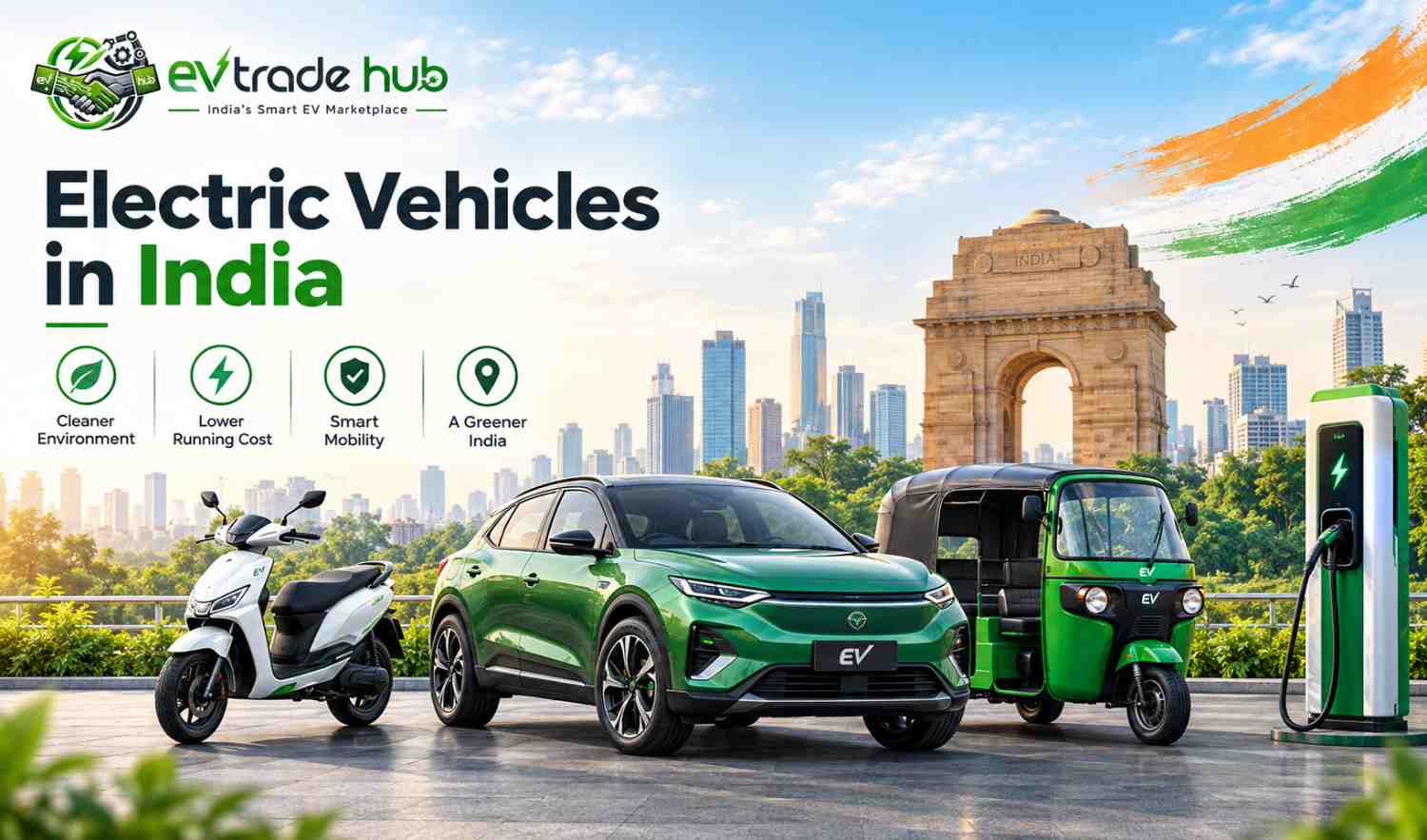
Running cost is one of the most important factors when comparing electric vehicles with petrol vehicles. While the purchase price of an EV can sometimes be higher than a comparable petrol vehicle, the overall ownership cost can be influenced by lower energy expenses, maintenance requirements and daily usage.
On the other hand, petrol vehicles have a well-established refuelling network and can be convenient for users who regularly travel long distances without access to charging facilities. The right choice depends on vehicle type, daily distance, energy prices, maintenance, financing, battery costs and the expected ownership period.
A proper EV vs petrol comparison should therefore look beyond the showroom price and calculate the complete cost of operating the vehicle over several years.
EVs use electricity while petrol vehicles use petrol. The actual energy cost per kilometre depends on vehicle efficiency, battery consumption, fuel efficiency and local electricity or fuel prices.
An EV consumes electricity according to its battery capacity and efficiency. The cost per kilometre can be estimated by considering the electricity consumed for a particular distance and the applicable electricity rate.
For example, if an EV consumes a certain amount of electricity to travel 100 kilometres, the electricity required for that distance can be multiplied by the applicable per-unit electricity cost. Actual consumption can vary depending on speed, traffic, road conditions, load, weather and driving style.
For a petrol vehicle, fuel cost depends on petrol price and the vehicle's real-world mileage. A vehicle that provides better mileage can reduce the cost per kilometre, while frequent traffic, high speeds and aggressive acceleration can increase fuel consumption.
For both vehicle types, actual usage conditions are more important than laboratory or advertised efficiency figures.
Cost per kilometre is one of the simplest ways to compare EV and petrol running expenses. To make a useful comparison, buyers should calculate the energy cost using their expected daily distance.
A user travelling only a few kilometres every day may see smaller absolute savings, while a high-mileage user can potentially benefit more from lower energy costs over time.
Maintenance is another important difference between EVs and petrol vehicles. Electric vehicles generally have fewer mechanical components associated with propulsion than conventional petrol vehicles.
EV maintenance can include tyres, brakes, suspension, steering components, electrical systems, cooling systems where applicable and battery-related checks. Brake wear can also vary depending on the vehicle's regenerative braking system and driving conditions.
Petrol vehicles require engine-related maintenance in addition to normal wear components. Depending on the vehicle, this can include engine oil, oil filters, air filters, spark plugs, belts and other engine or transmission-related components.
Maintenance requirements vary by vehicle, manufacturer and usage, so buyers should compare the recommended service schedule before making a purchase.
Charging is a major part of EV ownership. Home charging can be convenient for EV owners who have suitable electrical infrastructure and sufficient parking or charging space.
Home charging can also make it easier to charge the vehicle overnight or during periods when the vehicle is not being used. The cost will depend on electricity consumption and the applicable electricity tariff.
Public charging can be useful for users who do not have convenient home charging or who travel longer distances. Public charging costs can vary depending on the charging provider, charger type, location and applicable pricing structure.
Before purchasing an EV, users who depend heavily on public charging should understand the availability and cost of suitable charging facilities along their regular routes.
Petrol vehicles have the advantage of a mature refuelling network, making it relatively easy to refuel during long-distance travel. Refuelling generally takes less time than many charging situations, depending on the charging method and vehicle.
However, petrol prices can have a significant impact on monthly running expenses, particularly for users who travel long distances every day.
Battery replacement is an important long-term consideration for EV ownership. The battery is one of the most valuable components of many electric vehicles, so buyers should understand the warranty and expected battery performance before purchasing.
Battery life depends on several factors, including battery chemistry, usage pattern, temperature, charging behaviour and overall battery management.
Buyers should carefully check the battery warranty provided by the manufacturer. Warranty conditions can specify coverage duration and other applicable requirements.
Instead of assuming that a battery will need immediate replacement after the warranty period, buyers should consider the expected degradation, usage pattern and available manufacturer support.
The difference between EV and petrol running cost becomes more meaningful when the vehicle is used regularly. A person travelling long distances every day may have a greater opportunity to recover a higher initial EV purchase price through lower energy and maintenance expenses.
For example, commercial users, delivery operators and daily commuters should calculate their expected monthly distance before comparing vehicle options.
The purchase price and financing structure can significantly affect total ownership cost. An EV may have a different upfront price compared with a similar petrol vehicle, so buyers should compare the down payment, interest rate, loan tenure and total repayment amount.
Looking only at monthly EMI can be misleading because a longer loan tenure may reduce the monthly payment while increasing the total financing cost.
Insurance should also be included when comparing EV and petrol vehicles. Insurance costs can vary depending on vehicle type, model, location, coverage, insurer and other factors.
Other ownership expenses may include tyres, brake components, suspension repairs, accessories, registration-related costs and unexpected repairs. These expenses should be considered when calculating the total cost of ownership.
Resale value can influence the overall economics of vehicle ownership. The future resale value of an EV or petrol vehicle can depend on vehicle condition, brand, demand, age, battery condition, market trends and maintenance history.
Instead of assuming a fixed resale value, buyers should consider realistic market conditions when calculating the expected long-term cost.
EVs can be particularly practical for users who frequently drive within cities and have convenient access to charging. Stop-and-go traffic, short daily routes and regular charging opportunities can make electric mobility suitable for many urban use cases.
However, users should still evaluate their daily distance and charging arrangements before choosing an EV.
Petrol vehicles can be convenient for long-distance users because of the widespread availability of fuel stations and relatively quick refuelling. EVs can also be used for long-distance travel, but route planning may be more important depending on charging availability and the vehicle's range.
Users who frequently travel between cities should consider charging infrastructure along their regular routes as part of the purchase decision.
A practical comparison should include all major expenses over the expected ownership period. Buyers can consider the initial purchase price, financing cost, energy expenses, maintenance, insurance, battery-related expenses and expected resale value.
This approach provides a better picture of the actual cost of owning either type of vehicle.
EVs can offer lower energy and maintenance costs in many use cases, particularly when the vehicle is driven regularly and charging is conveniently available. However, the final economics depend on the vehicle's purchase price, daily usage, electricity rates, charging arrangements, maintenance and battery-related costs.
Petrol vehicles may remain practical for users who travel long distances, have limited access to charging or prioritise quick refuelling. Therefore, the most economical option can differ from one user to another.
EV vs petrol running cost should be evaluated using the complete ownership picture rather than only the purchase price or fuel cost. Electricity consumption, petrol mileage, maintenance, charging, battery considerations, financing, insurance and resale value can all influence the final economics.
EVs can provide lower energy and maintenance expenses in many daily-use situations, especially for users with regular charging access and higher annual mileage. Petrol vehicles can remain convenient where long-distance travel and quick refuelling are important.
The best choice is therefore the vehicle that matches the user's daily distance, budget, charging or refuelling availability and expected ownership period.