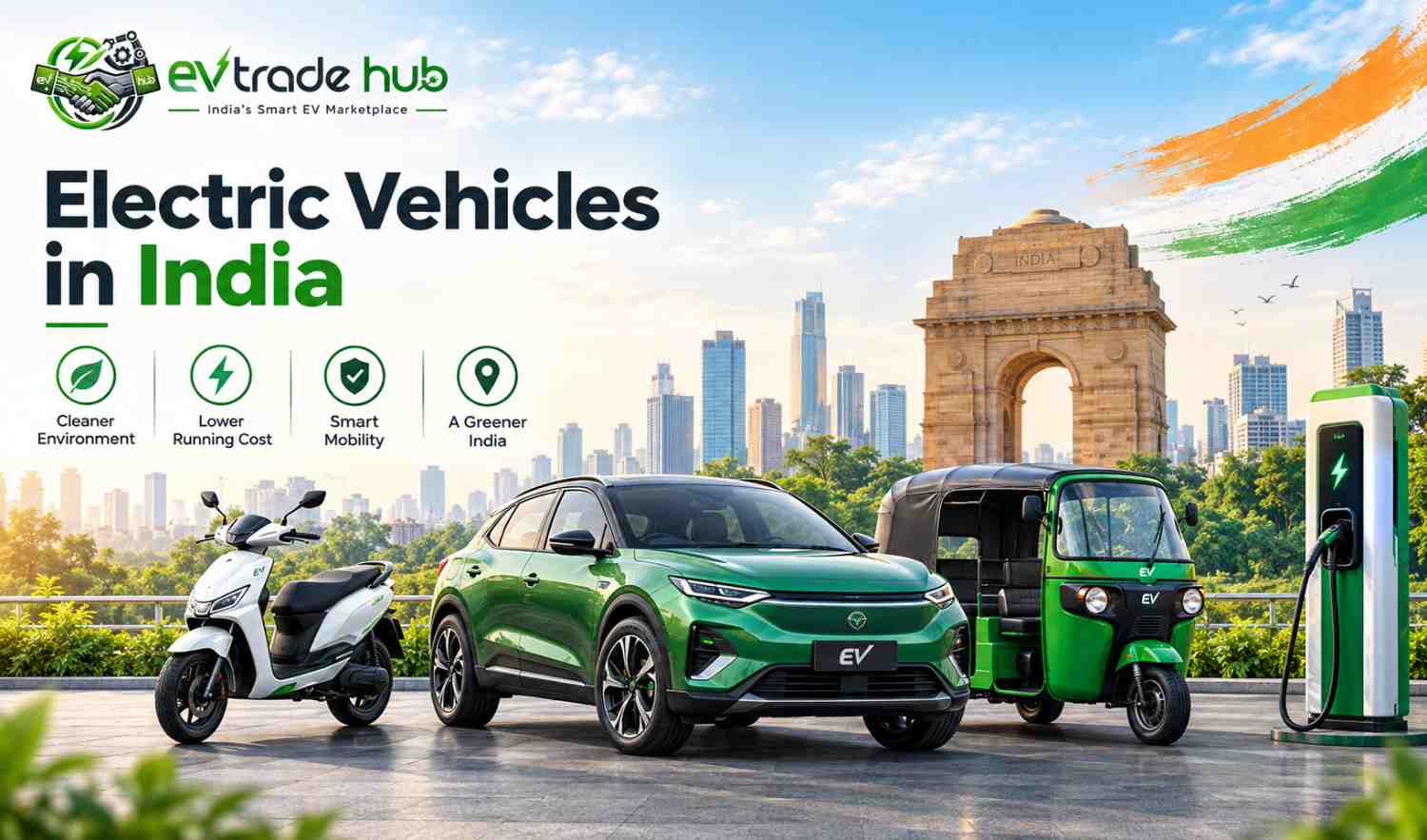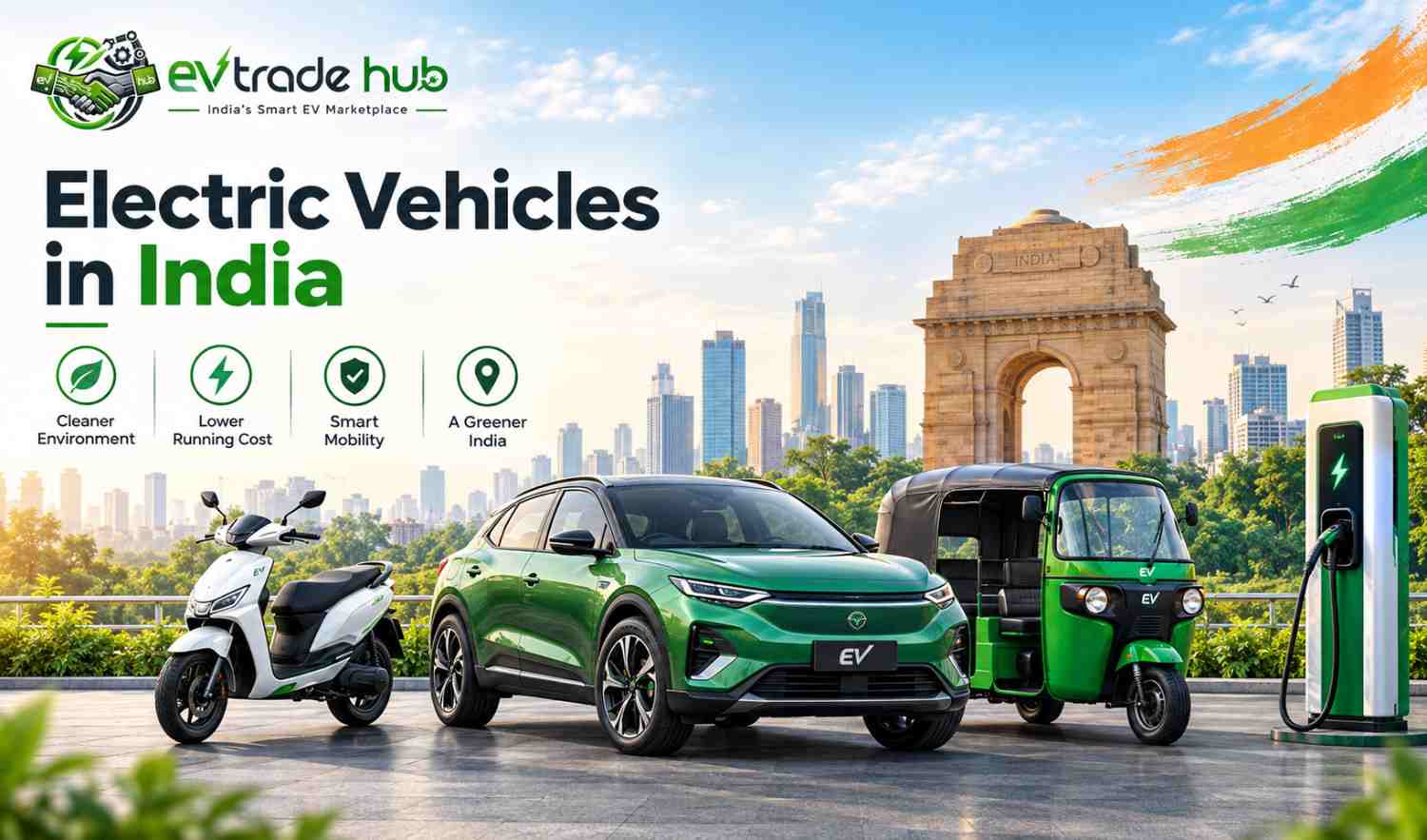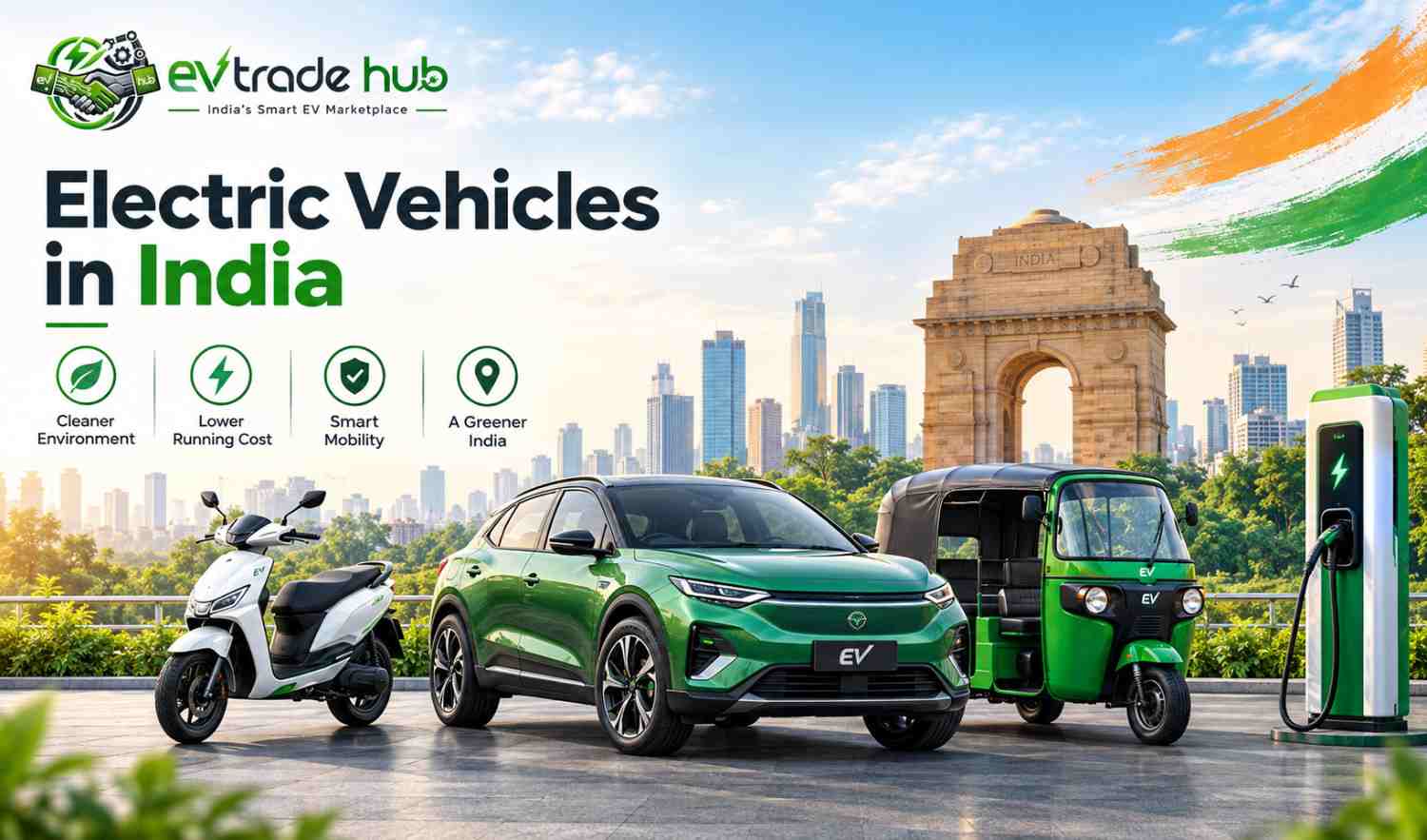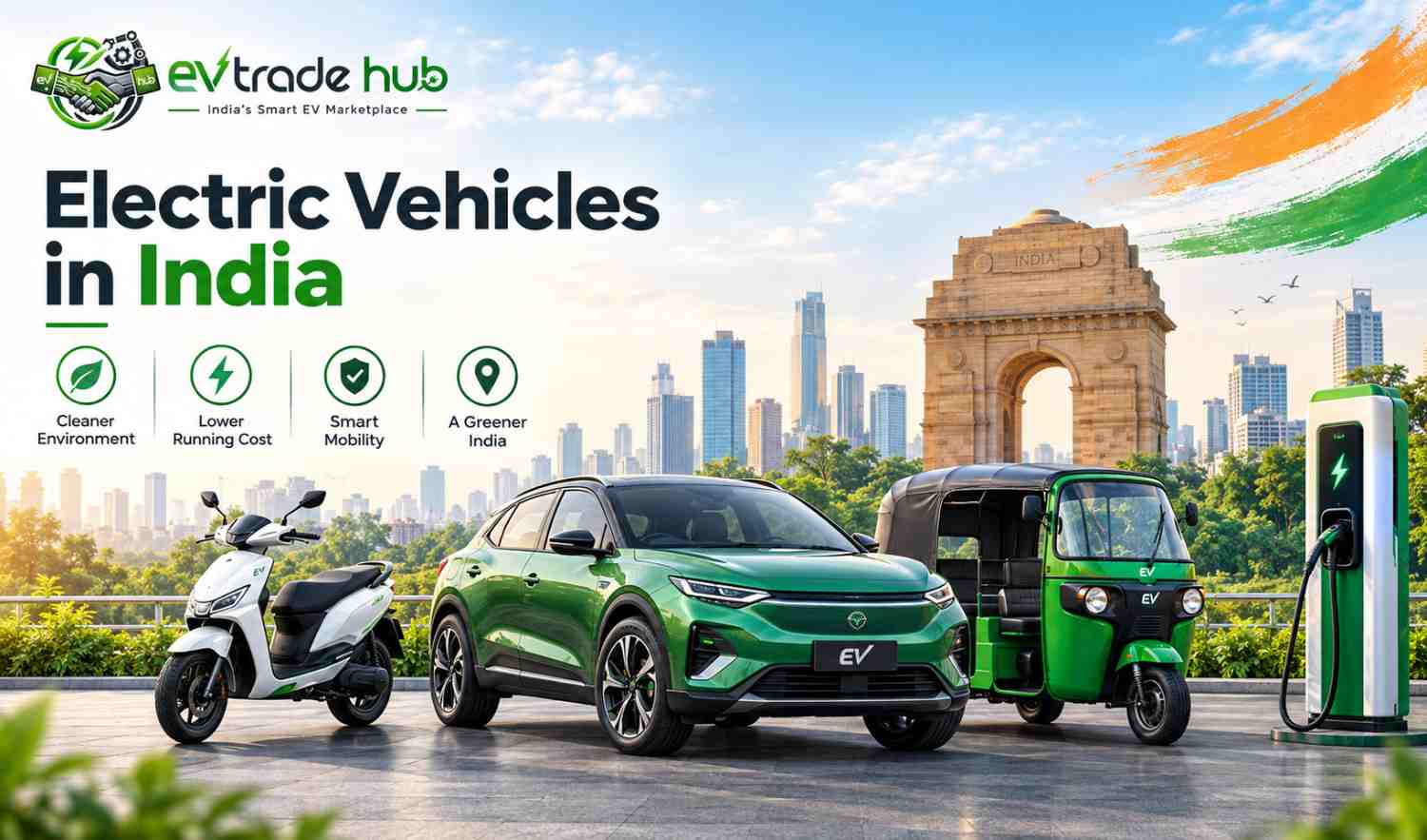
Buyers looking for an E Rickshaw under ₹1.5 lakh should compare complete specifications instead of focusing only on the purchase price. An affordable e rickshaw can be a practical option for passenger transportation, local commuting and small commercial operations, but the right model depends on battery capacity, motor performance, build quality, range, warranty and after-sales support.
The price of an e rickshaw is only one part of the total ownership cost. Battery replacement, charging, maintenance, tyres, brakes, spare parts and service expenses can affect the long-term profitability of the vehicle. Therefore, buyers should compare different models carefully before making a purchase decision.
The battery is one of the most important components of an electric rickshaw. Buyers should select a battery according to their expected daily usage rather than choosing only on the basis of the lowest price.
Battery capacity directly affects how far the e rickshaw can operate between charging sessions. A vehicle intended for long daily routes may require a higher-capacity battery than one used for short local trips.
Lead-acid batteries are commonly considered when the initial purchase budget is limited. Lithium batteries can offer advantages such as lower weight, faster charging and potentially longer usable life, depending on the battery chemistry, quality and usage pattern.
Buyers should compare the complete ownership cost instead of selecting a battery only because its initial price is lower.
The motor determines how effectively the e rickshaw can move under different load and road conditions. A suitable motor should provide enough performance for regular passenger transportation without unnecessary stress on the electrical system.
The motor, controller and battery should work as a properly matched system. Using incompatible components can affect acceleration, efficiency, range and overall reliability.
For commercial use, buyers should avoid choosing a vehicle only because it has a higher motor rating. The complete combination of motor, controller, battery, vehicle weight and load capacity is more important.
An e rickshaw used for passenger transportation may operate with different loads throughout the day. Therefore, the vehicle should have a suitable load-carrying capability for its intended use.
Before purchasing, check the manufacturer's recommended seating and load specifications. Overloading can increase battery consumption, reduce range and put additional stress on the motor, suspension, tyres and brakes.
Build quality is particularly important for an e rickshaw because commercial vehicles may operate for many hours every day. A strong chassis and reliable suspension can contribute to better durability and passenger comfort.
During a test drive, pay attention to unusual vibrations, excessive noise, steering response and braking performance. These checks can help identify potential issues before purchasing the vehicle.
Charging is an important part of daily e rickshaw operation. Buyers should understand how the vehicle needs to be charged and whether the available charging arrangement is suitable for their usage.
Ask the dealer about the recommended charger, charging time and electrical requirements. Avoid using an unsuitable charger because incorrect charging can affect battery performance and safety.
A low purchase price does not always mean a low-cost e rickshaw. Buyers should estimate the expected operating expenses before selecting a model.
Comparing these expenses can help determine which e rickshaw provides better value over several years of ownership.
Service center availability and spare parts support can be more valuable than a small difference in purchase price. An e rickshaw is generally a working vehicle, so long service downtime can affect daily income.
Before buying, check whether the manufacturer or dealer provides service support in your area. Also ask about the availability of common replacement parts such as controllers, motors, chargers, brakes, suspension components, tyres and electrical parts.
Warranty terms should be checked carefully before purchase. Battery warranty and vehicle warranty may have different conditions, exclusions and coverage periods.
Buyers should ask for warranty details in writing and understand what is covered in case of a component failure. A reliable service network can make ownership easier, especially for commercial users.
Buyers with a budget of ₹1.5 lakh may also compare new and used e rickshaw options. A used vehicle may have a lower purchase price, but its battery condition, motor, controller, chassis and maintenance history should be inspected carefully.
For a used e rickshaw, check battery age, charging performance, tyre condition, suspension, brakes and electrical components. Also verify available ownership and vehicle documents before completing the purchase.
If the complete purchase amount is not available upfront, buyers may consider suitable financing options. The down payment, interest rate, loan tenure and total repayment amount should be compared rather than focusing only on the monthly EMI.
A lower EMI can sometimes result from a longer repayment period, which may increase the total financing cost. Buyers should select a repayment plan that remains manageable alongside their expected daily or monthly income from the vehicle.
A test drive is one of the best ways to evaluate an e rickshaw before purchase. Try the vehicle with realistic operating conditions whenever possible and observe acceleration, braking, steering, suspension and overall comfort.
Check how the vehicle behaves on turns, uneven roads and slopes. Also listen for unusual motor or suspension noises and check whether the vehicle remains stable under normal passenger load.
The best e rickshaw under ₹1.5 lakh is not necessarily the model with the lowest purchase price. Buyers should compare battery technology, practical range, motor and controller, load capacity, build quality, charging system, warranty, service network and running cost.
For commercial users, reliability and after-sales support should receive special attention because vehicle downtime can directly affect earnings. A slightly higher initial investment can be worthwhile if the vehicle offers better durability, service support and ownership value.
Finding a suitable E Rickshaw under ₹1.5 lakh requires more than comparing showroom prices. Battery performance, motor and controller compatibility, build quality, passenger capacity, charging requirements, running costs, warranty and service support all play an important role in the ownership experience.
Before purchasing, compare multiple models, take a proper test drive, verify specifications and understand the complete ownership cost. A well-selected e rickshaw can be a practical option for local passenger transportation and commercial use when the vehicle matches the user's daily route, load requirements and budget.