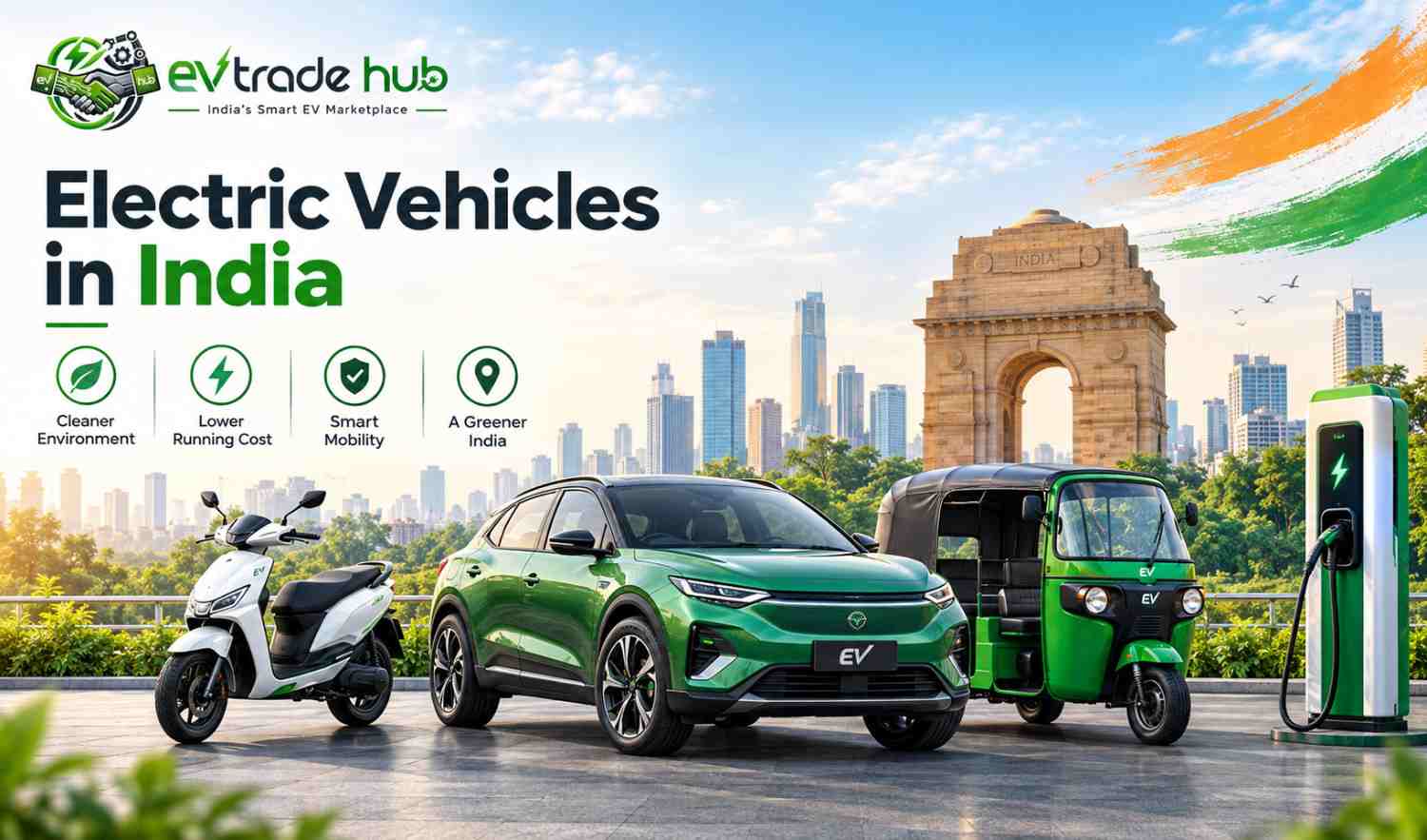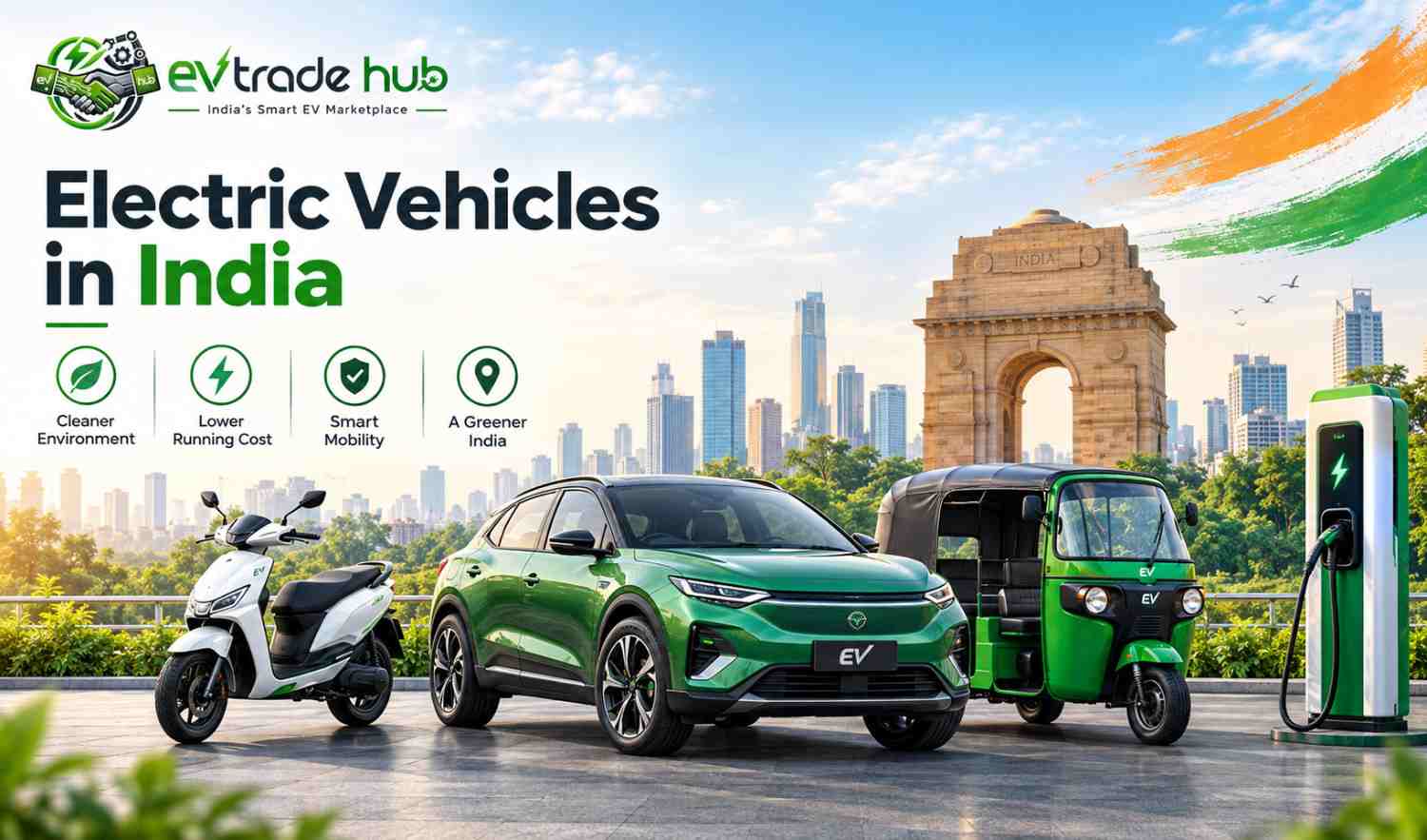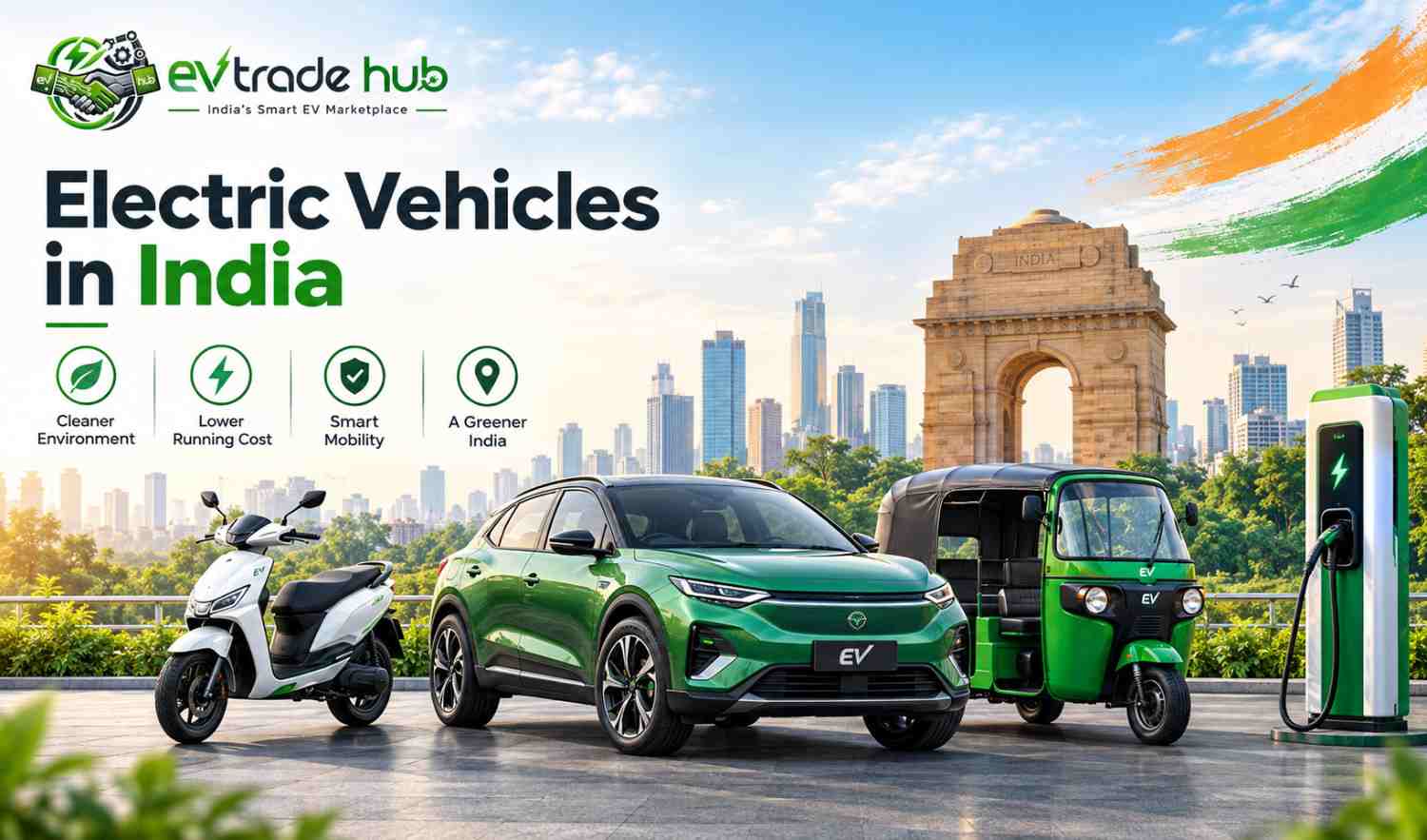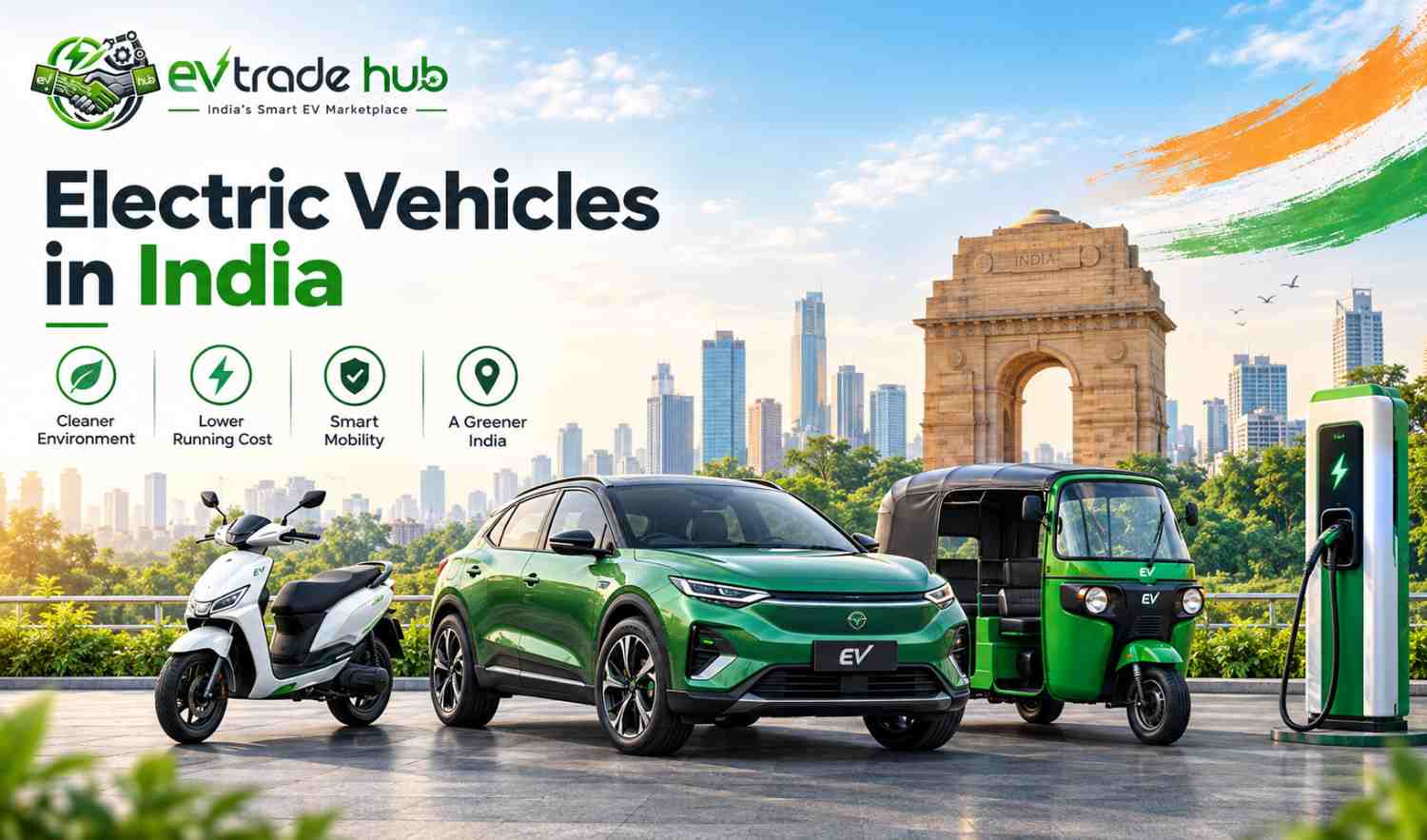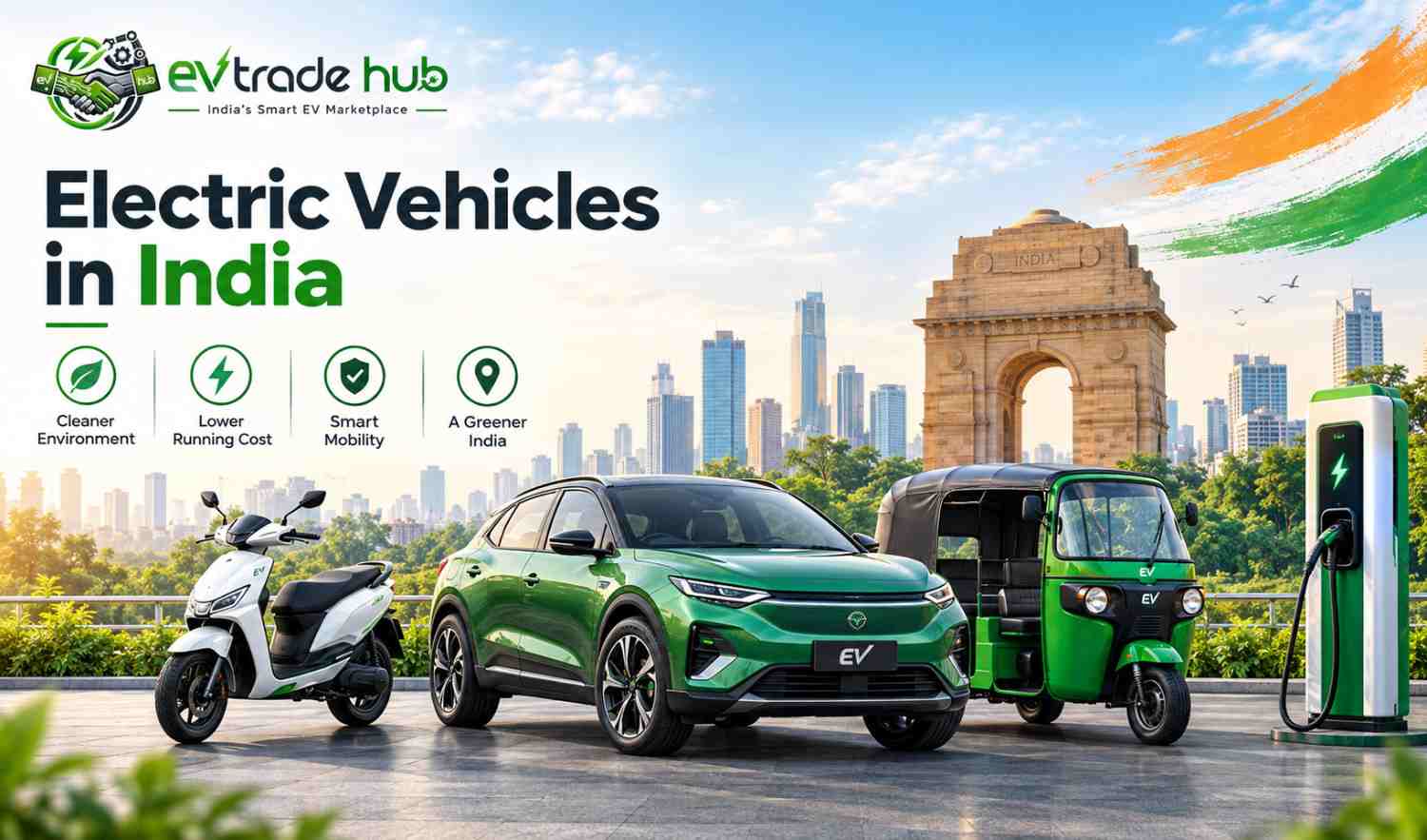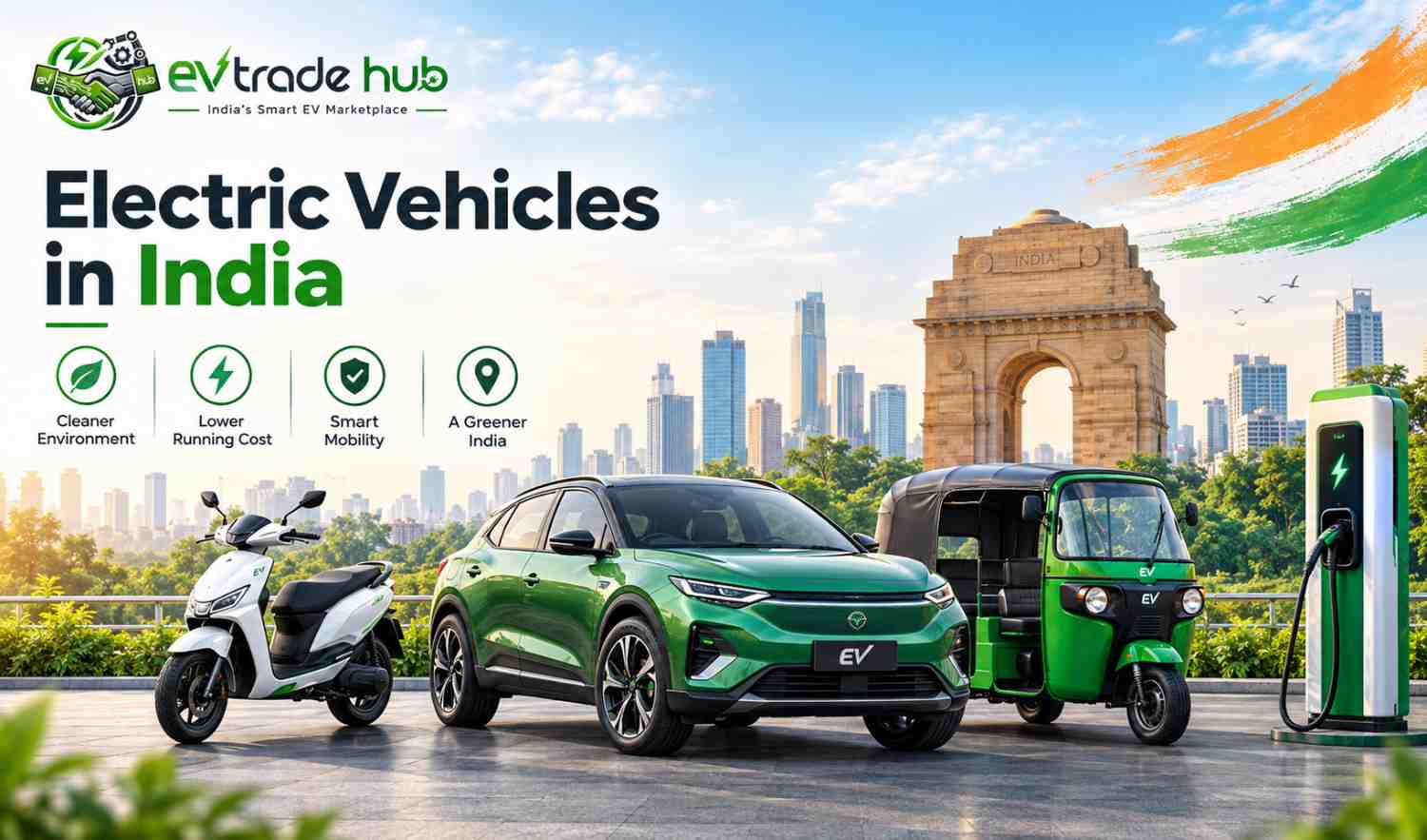
EV dealers in India play an important role in the growing electric vehicle ecosystem. They connect manufacturers with customers and provide access to electric scooters, electric bikes, E Rickshaws, electric loaders, commercial vehicles, electric cars and other electric mobility products.
As electric mobility continues to expand across urban and developing markets, customers are increasingly looking for reliable dealers who can provide genuine vehicles, accurate product information, test rides, financing guidance, warranty assistance, service support and spare parts.
A good EV dealer does more than sell an electric vehicle. The dealer can help customers understand battery capacity, riding range, charging requirements, motor performance, maintenance needs and the overall cost of ownership. For commercial users, dependable local service can also help reduce vehicle downtime.
EV dealers can specialize in different categories of electric vehicles depending on their target customers and manufacturer relationships.
Common types of EV dealers include:
Some dealerships may focus on a single manufacturer, while others may offer products from multiple brands or categories depending on their business model.
Electric scooters and bikes are among the most common electric vehicles used for personal commuting. Dealers can help customers compare different models based on battery capacity, range, motor performance, charging time, comfort and available features.
Customers should select a two-wheeler according to their daily travel distance, road conditions, charging availability and budget rather than relying only on advertised specifications.
E Rickshaws and electric loaders are commonly considered for local passenger transportation and commercial applications. Dealers serving this segment may offer different vehicle configurations based on passenger capacity, load requirements, battery technology and motor specifications.
Commercial customers should pay particular attention to battery warranty, service availability, spare parts and expected operating costs before purchasing an electric three-wheeler.
Electric commercial vehicles can be used for delivery, cargo transportation, local business operations and other applications. These vehicles may include electric loaders, cargo three-wheelers and other utility-focused EVs.
For commercial users, factors such as payload requirements, daily kilometres, battery range, charging time, vehicle durability and after-sales support are especially important.
EV dealers may provide a range of services to customers before and after the vehicle purchase. The exact services depend on the dealership, manufacturer and vehicle category.
Common dealer services may include:
A test ride is one of the most useful services offered by an EV dealer. Customers can use it to understand the actual riding experience instead of relying only on brochures or online specifications.
During a test ride, customers can evaluate acceleration, braking, steering, suspension, seat comfort, visibility and overall handling.
For commercial vehicles, customers should also consider how the vehicle performs under the type of load and road conditions expected during regular operation.
The battery is one of the most important components of an electric vehicle. It stores energy and supplies power to the motor through the vehicle's electrical system.
Customers should ask the dealer about battery chemistry, capacity, voltage, expected range, charging time, warranty and replacement cost.
Depending on the vehicle, customers may encounter lithium-ion, LiFePO4 or lead-acid battery systems. Each technology can have different characteristics related to weight, cost, range, charging and lifecycle.
Range refers to the distance an EV can travel on a charged battery. Actual range can vary according to several factors.
Customers should therefore compare advertised range with their actual daily usage requirements.
Charging is an important part of EV ownership. Customers should understand where and how the vehicle will be charged before purchasing it.
Important charging considerations include:
A good dealer should explain the recommended charging procedure and compatible charging equipment for the selected vehicle.
Some EV dealers provide financing assistance through available financial partners. Financing can help customers manage the initial purchase cost by spreading payments over a selected repayment period.
Customers should compare down payment, interest rate, processing charges, monthly EMI and total repayment amount before selecting a finance option.
Commercial users should also consider whether the expected operating income can comfortably support the monthly financing obligation.
Depending on the vehicle category and applicable requirements, customers may need registration, insurance and other documentation. Dealers may assist customers with the process, but buyers should verify the documents and requirements applicable to their particular vehicle.
Before taking delivery, customers should carefully check the invoice, vehicle details, warranty documentation, insurance information and other relevant paperwork.
Warranty is an important consideration when purchasing an electric vehicle. Major components such as the battery, motor, controller and electrical systems can have a significant impact on long-term ownership.
Customers should ask the dealer about warranty duration, covered components, conditions, service requirements and the process for submitting a warranty claim.
Battery warranty deserves particular attention because battery replacement can be a significant expense depending on the vehicle and battery technology.
After-sales service can have a major influence on customer satisfaction. Electric vehicles contain specialized electrical and electronic components, so access to trained technicians can be valuable.
Dealer service facilities may provide:
Customers should check the availability of service facilities before purchasing an EV.
Spare parts availability is an important factor for long-term ownership. Even a reliable electric vehicle may eventually require replacement components.
Common EV spare parts can include:
Customers should ask the dealer whether commonly required spare parts are available locally and how warranty or replacement requests are handled.
A strong dealer network allows manufacturers to reach customers across different cities and regions. Dealers provide local market support and help manufacturers understand customer preferences, product demand and service requirements.
For customers, a strong dealer network can make it easier to access test rides, vehicle servicing, warranty assistance and spare parts.
For manufacturers, an organized dealer network can support market expansion and improve product availability.
Customers should compare several factors before selecting an EV dealer. The lowest vehicle price should not be the only consideration.
The purchase price of an EV is only one part of its total ownership cost. Customers should also consider charging expenses, maintenance, insurance, battery replacement, spare parts and financing costs.
A vehicle with a slightly higher purchase price may provide better long-term value if it offers efficient energy usage, dependable battery performance, good warranty coverage and reliable service support.
Businesses using EVs for delivery, transportation or commercial operations should evaluate dealers from a different perspective. Vehicle downtime can directly affect business operations, making service and spare-parts availability especially important.
Business customers should discuss daily running distance, load requirements, charging arrangements, maintenance schedules and warranty support with the dealer before purchasing.
Customers can sometimes make purchasing decisions based only on price or advertised range. This can create problems later if service or spare-parts support is limited.
EV dealers contribute to electric mobility adoption by educating customers about electric vehicles and making products available in local markets. Customers may have questions about batteries, charging, range, maintenance and operating costs, and dealers can provide practical product information.
Test rides and physical demonstrations can also help customers understand the differences between electric vehicles and conventional vehicles before making a purchase decision.
As electric mobility develops across different vehicle categories, EV dealerships are likely to remain an important part of the market. Customers still benefit from physical showrooms, test rides, service centres and local technical support.
Dealers that combine reliable products with transparent pricing, good customer service, trained technicians and proper spare-parts support can build stronger long-term relationships with EV customers.
EV dealers in India are an important part of the electric mobility ecosystem. They connect manufacturers with customers and provide access to electric scooters, bikes, E Rickshaws, commercial vehicles, batteries and other EV products.
Before choosing an EV dealer, customers should compare vehicle specifications, battery capacity, range, charging requirements, pricing, warranty, service facilities and spare-parts availability. For commercial users, local after-sales support and quick access to technical assistance are especially important.
A reliable EV dealer can make the purchase and ownership experience easier by providing product guidance, test rides, financing assistance, warranty support, servicing and spare parts. As electric vehicle adoption continues to grow in India, strong dealer networks will remain an important part of expanding reliable and accessible electric mobility.