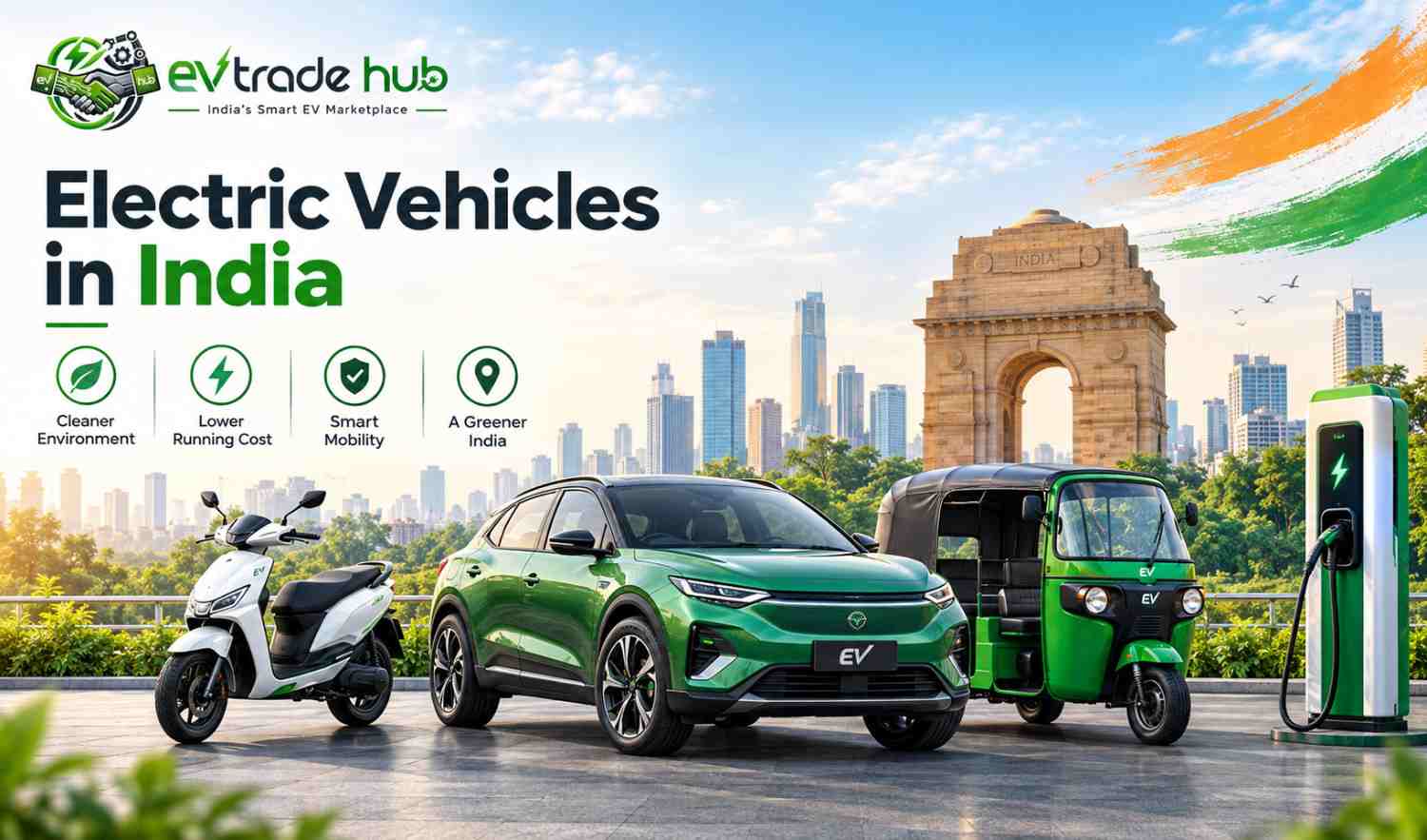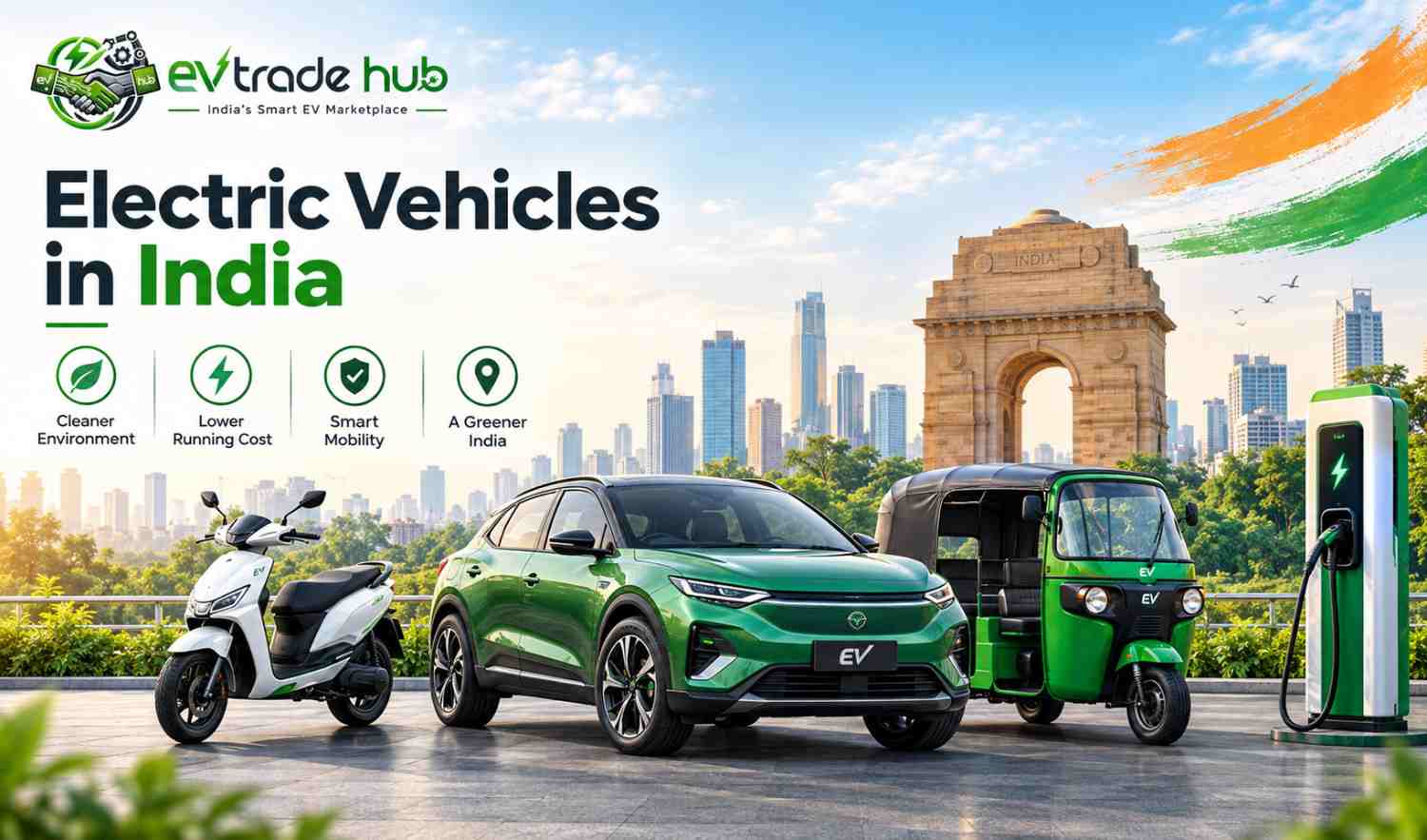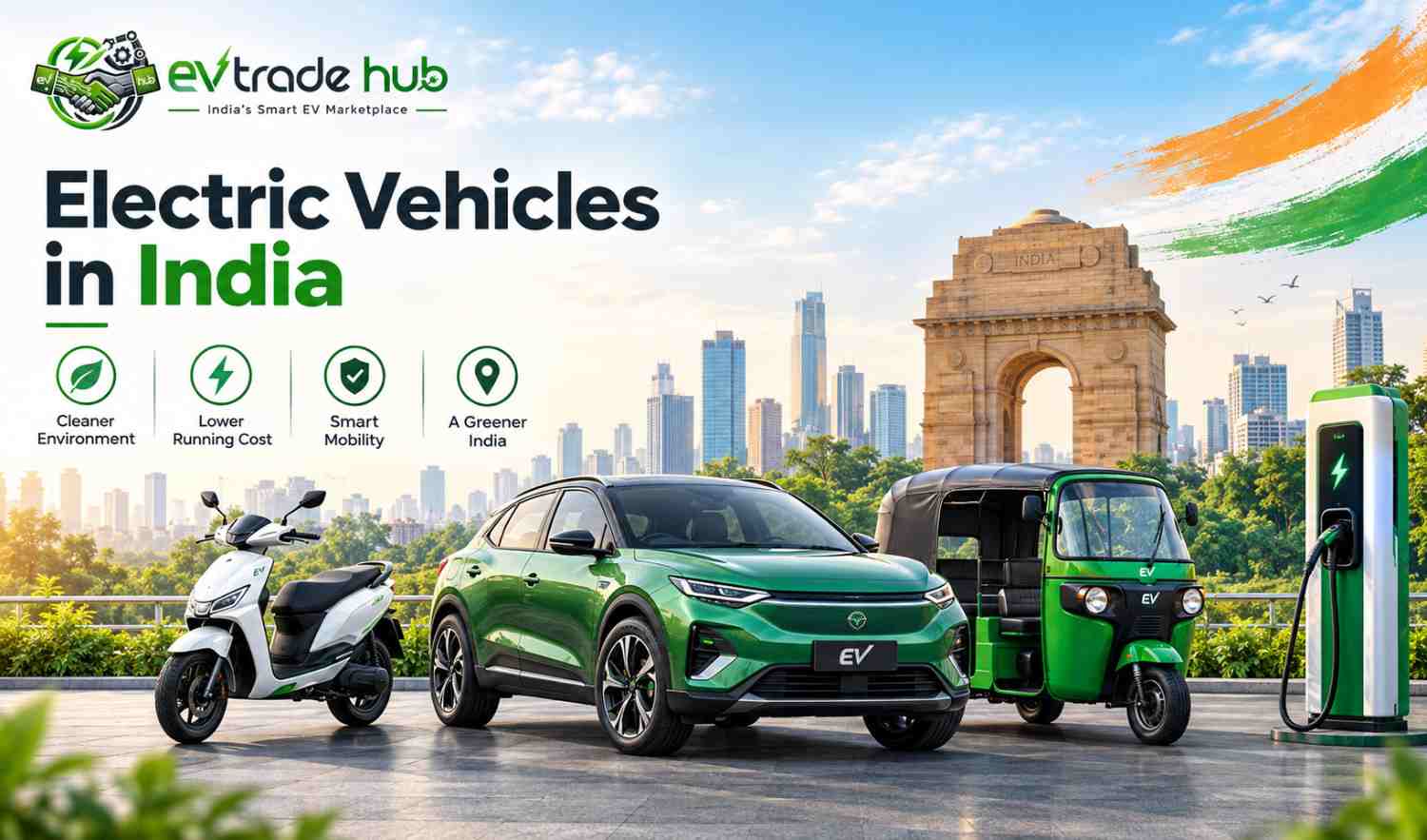
EV wholesalers in India play an important role in the electric vehicle supply chain by connecting manufacturers, distributors, dealers, retailers, workshops and commercial businesses. Instead of purchasing products individually, businesses can source electric mobility products in bulk through wholesalers and manage their inventory more efficiently.
The growing demand for electric scooters, electric bikes, E Rickshaws, electric loaders, batteries, chargers and EV spare parts has created opportunities for wholesale businesses across different regions of India. A dependable EV wholesaler can help businesses maintain regular stock, reduce procurement complexity and access products at commercially suitable prices.
EV wholesalers may specialize in complete vehicles, batteries, components, spare parts or accessories. Some wholesalers may also offer a broader product range covering multiple EV categories.
An EV wholesaler purchases or sources electric mobility products in larger quantities and supplies them to businesses such as dealers, retailers, distributors, workshops and commercial operators. The wholesaler acts as an important link between manufacturers or large suppliers and businesses that need regular inventory.
Wholesale purchasing can be particularly useful for businesses that sell multiple EV products or operate in markets where maintaining product availability is important.
The product range available from an EV wholesaler depends on its specialization, supplier network and target market. Common product categories include:
Before placing an order, businesses should confirm product availability, specifications, model compatibility and expected delivery time with the wholesaler.
Vehicle wholesale is useful for dealers and retailers that need multiple electric vehicles for their inventory. Depending on the wholesaler, products may include electric scooters, E Rickshaws, electric loaders and other commercial EVs.
Businesses should compare vehicle specifications carefully before purchasing in bulk. Important factors include battery type, battery capacity, motor rating, controller compatibility, load or passenger capacity, charging requirements, build quality and available warranty.
For commercial vehicles, durability and after-sales support can be especially important because the vehicle may operate for long hours every day.
EV batteries are one of the most important products in the electric mobility supply chain. Wholesale battery suppliers may offer lithium-ion, LiFePO4, lead-acid and other battery solutions depending on the vehicle category.
Businesses purchasing batteries in bulk should verify voltage, capacity, battery chemistry, dimensions, BMS, connectors and charging compatibility. A battery should be suitable for the intended vehicle and electrical system.
Wholesale battery purchasing can be useful for EV dealers, workshops, battery replacement businesses and fleet operators that require regular stock.
Spare parts are another important category for EV wholesalers. Dealers and workshops need replacement components to keep vehicles operational and reduce repair delays.
Common wholesale spare parts may include:
Maintaining stock of frequently required parts can help workshops and dealers provide faster customer service.
Wholesale purchasing can provide several benefits to businesses that have regular product demand.
Businesses can purchase multiple units or components through a single procurement process instead of dealing with many individual suppliers.
A reliable wholesaler can help businesses maintain regular stock levels and reduce the risk of product shortages.
Bulk purchases may provide commercially attractive pricing compared with buying individual products. However, businesses should always compare the complete landed cost rather than looking only at the quoted unit price.
Some wholesalers maintain regional inventory and logistics networks, which can help businesses receive products more efficiently.
Minimum Order Quantity, commonly called MOQ, is an important consideration when purchasing products from wholesalers. Different wholesalers may have different minimum order requirements depending on the product category.
For example, a wholesaler may require a minimum number of vehicles, battery units or spare parts before processing a wholesale order. Businesses should confirm MOQ requirements before finalizing their procurement strategy.
Small businesses should avoid ordering more inventory than they can sell or store simply to meet a wholesale quantity requirement.
Wholesale price is an important factor, but it should not be the only consideration. Businesses should calculate the total procurement cost before comparing different wholesalers.
The overall cost may include:
A supplier offering a slightly higher product price may still provide better value if it offers reliable delivery, better product quality and stronger warranty support.
Businesses should evaluate several factors before selecting a wholesale partner. A dependable wholesaler should be capable of providing consistent product quality and timely supply.
Before placing a large order, businesses should verify the wholesaler's product information, business details, supply capability and customer support process.
Where possible, businesses can begin with a smaller order or sample quantity to evaluate product quality, packaging, delivery performance and support. Once the wholesaler meets expectations, larger orders can be planned according to market demand.
Logistics can have a significant impact on wholesale EV procurement. Complete electric vehicles, batteries and certain components may require specialized handling, suitable packaging and careful transportation planning.
Businesses should discuss delivery timelines, transportation responsibility, packaging standards and procedures for damaged or missing products before confirming an order.
For vehicle wholesale, businesses should also consider warehouse or showroom capacity because electric scooters, E Rickshaws and commercial vehicles require sufficient storage space.
Warranty support is particularly important for electric vehicles and electrical components. Batteries, controllers, chargers and motors may require technical inspection if a problem occurs.
Businesses should understand who will handle warranty claims and how replacement or repair requests will be processed. Clear warranty terms can reduce disputes between wholesalers, dealers and customers.
Dealers and retailers can use wholesale networks to maintain a broader product range. For example, an EV retailer may source vehicles, chargers, batteries and spare parts through different wholesale channels.
Maintaining reliable stock can improve customer experience because customers are more likely to purchase when products and commonly required accessories are readily available.
The growing electric mobility ecosystem is creating opportunities for wholesale businesses across different categories. A wholesaler can specialize in electric two-wheelers, E Rickshaws, commercial EVs, batteries, chargers, spare parts or accessories.
Businesses can also develop regional supply networks by serving local dealers, workshops and retailers. Strong inventory management and reliable logistics can become important competitive advantages in this type of business.
Businesses should avoid making purchasing decisions based only on low prices. Poor product quality or unreliable supply can create larger costs later.
A successful EV wholesale operation requires proper supplier management and inventory planning. Businesses should monitor which products sell quickly and which products remain in stock for longer periods.
Fast-moving products can be replenished regularly, while slow-moving inventory should be purchased more carefully. Maintaining relationships with multiple reliable suppliers can also help reduce supply disruptions.
For dealers and retailers, it is useful to maintain a combination of vehicle suppliers, battery suppliers, spare-parts suppliers and service partners so that customer requirements can be handled efficiently.
As electric mobility expands into more cities and commercial applications, the demand for reliable distribution and wholesale networks is expected to remain important. Dealers, retailers, workshops and fleet businesses need regular access to vehicles, batteries, components and replacement parts.
This creates opportunities for wholesalers that can combine competitive pricing with dependable inventory, fast logistics, technical support and consistent product quality.
EV wholesalers in India form an important link between manufacturers, suppliers, distributors, dealers, retailers and commercial businesses. They can provide electric scooters, bikes, E Rickshaws, loaders, batteries, chargers, spare parts and other electric mobility products in bulk.
Businesses looking for an EV wholesaler should evaluate product quality, pricing, MOQ, inventory availability, delivery capability, warranty, technical support and long-term reliability before placing large orders.
A dependable wholesale partner can help businesses maintain regular inventory, simplify procurement and serve growing customer demand. With the continued development of electric mobility in India, efficient EV wholesale networks can become an important part of the country's expanding electric vehicle supply chain.