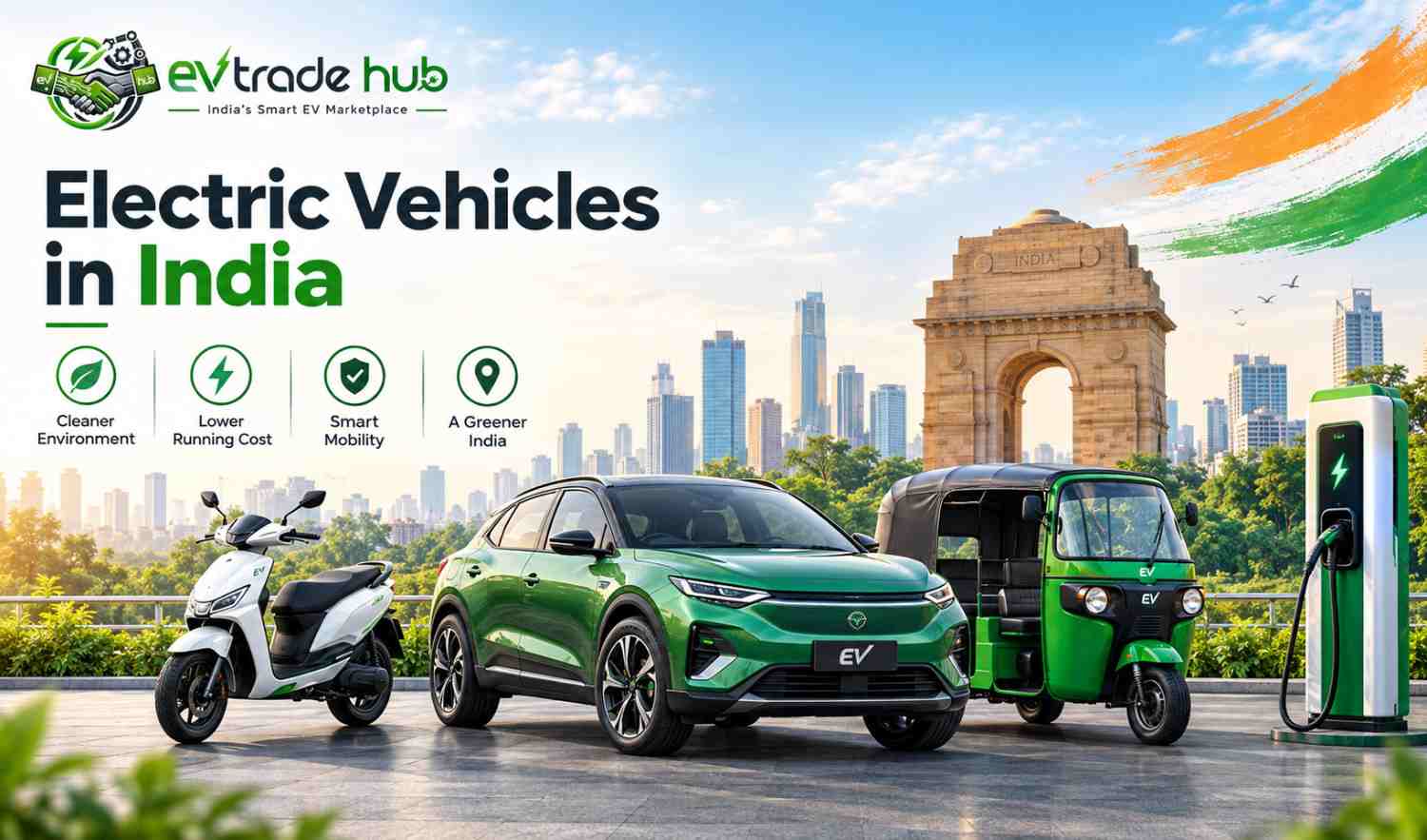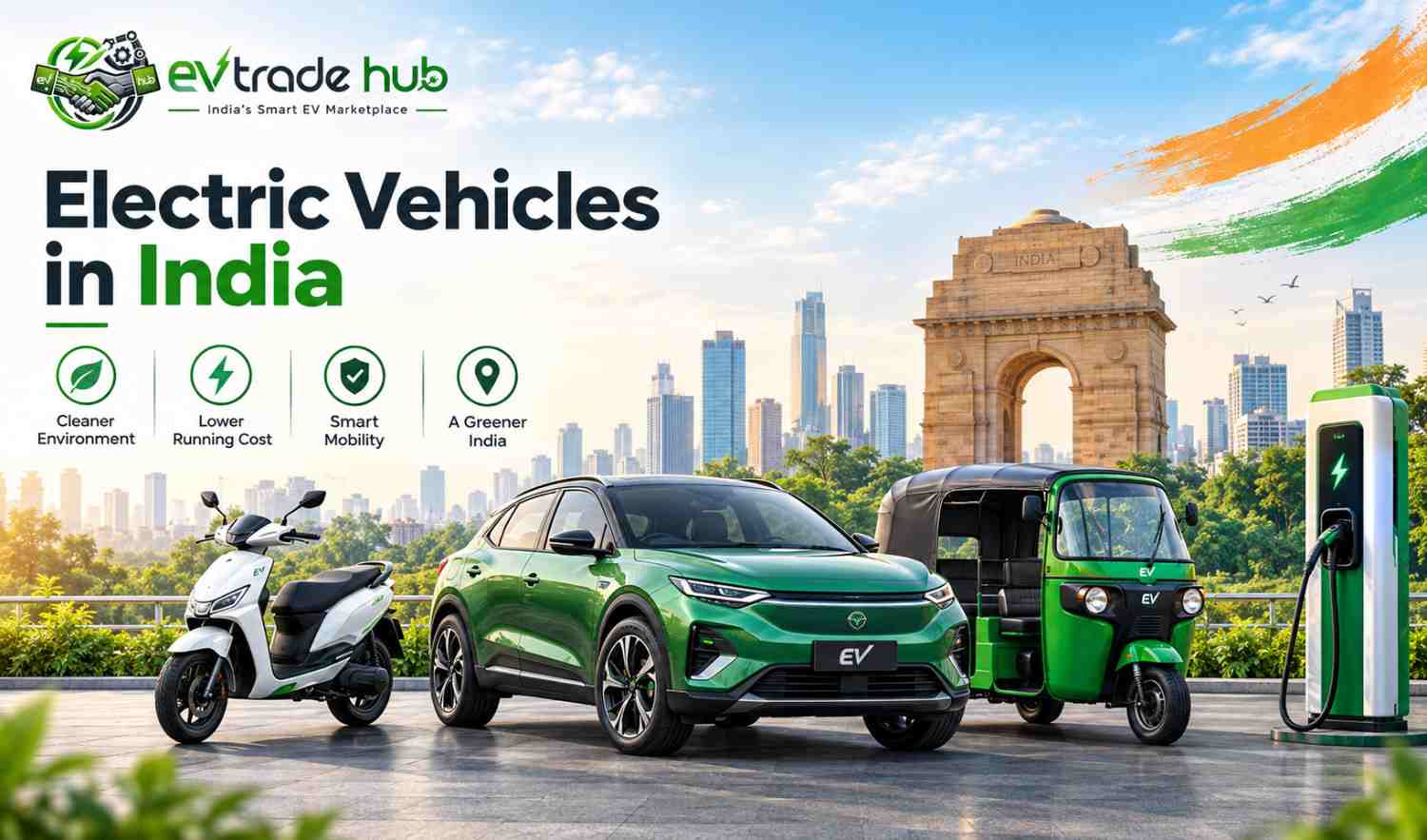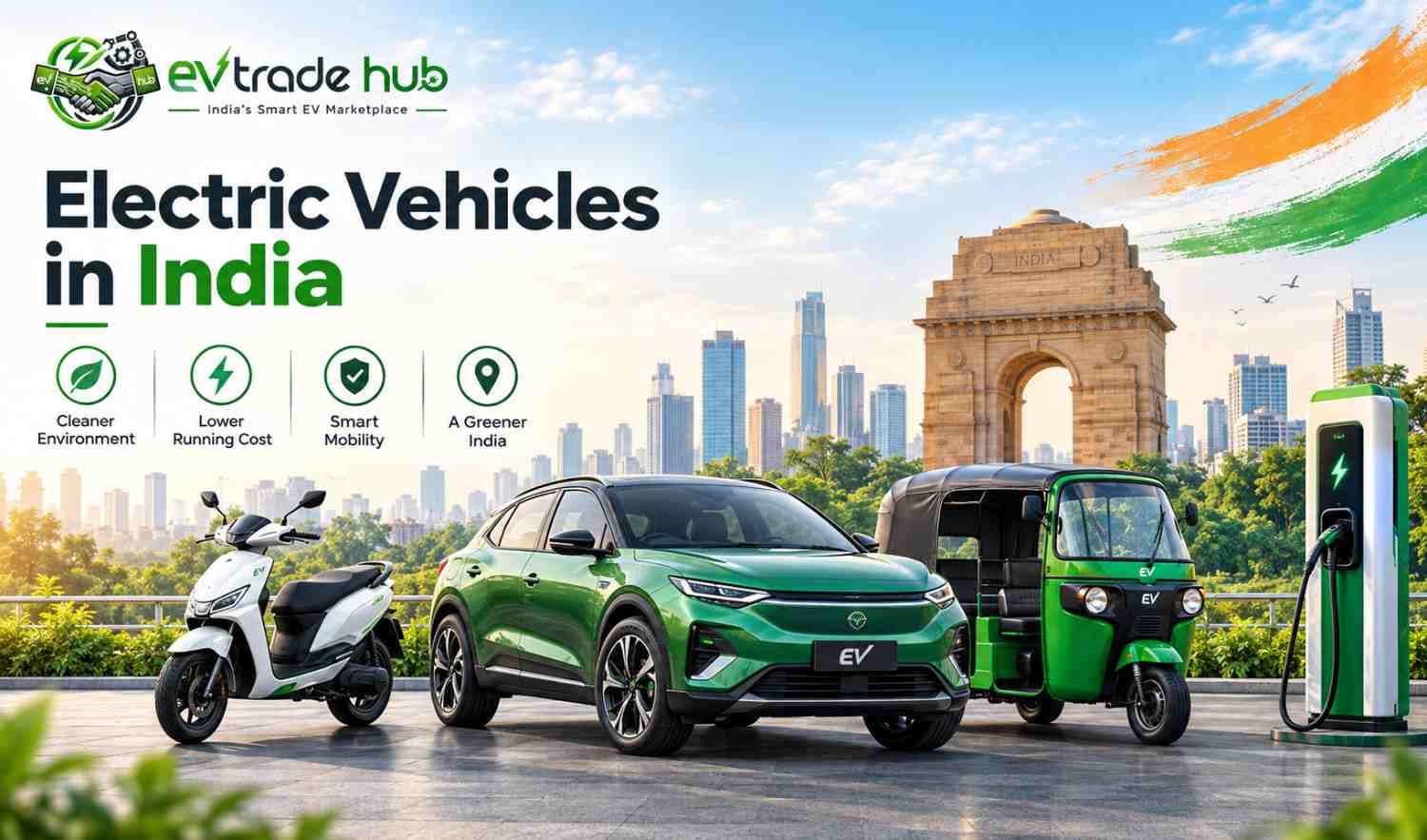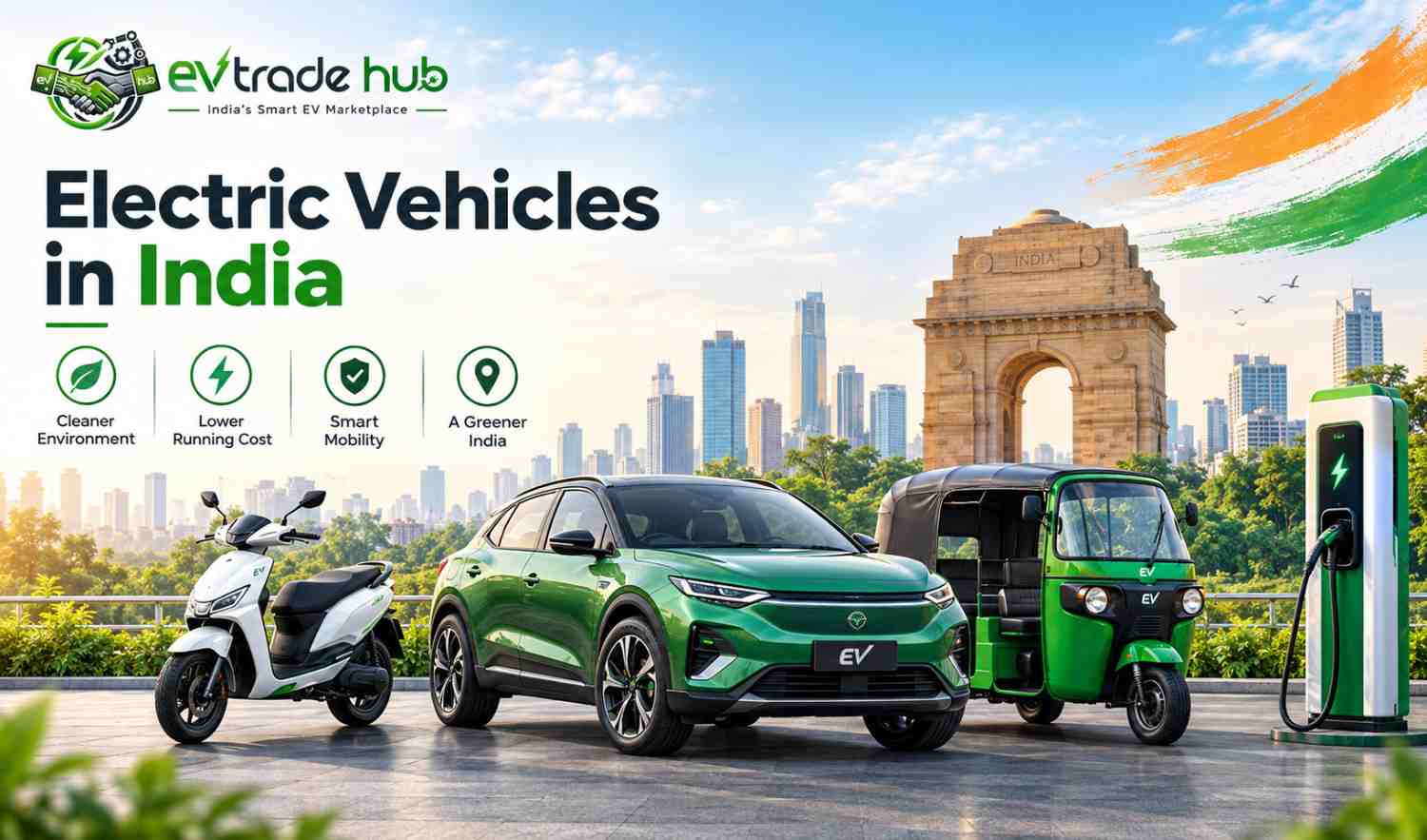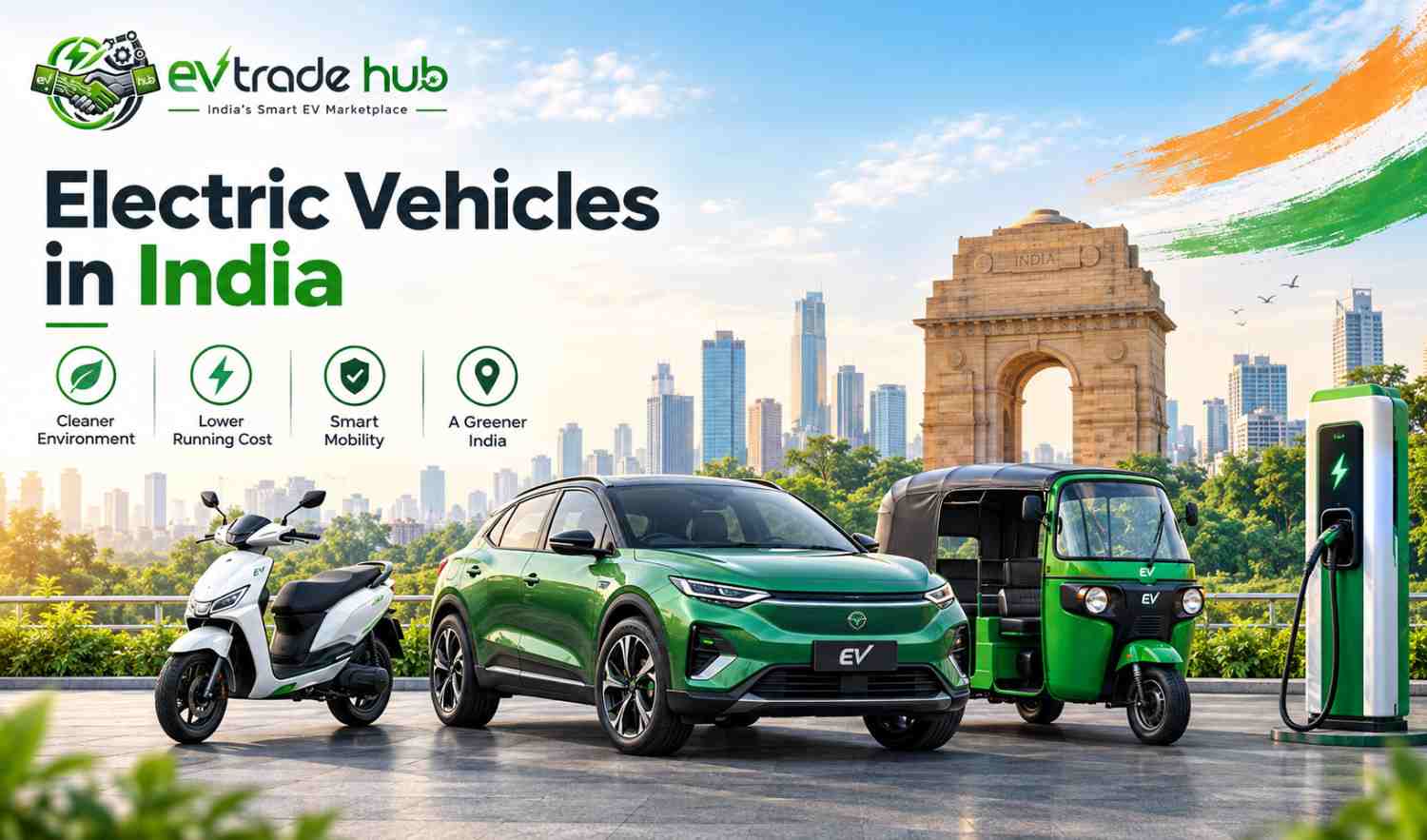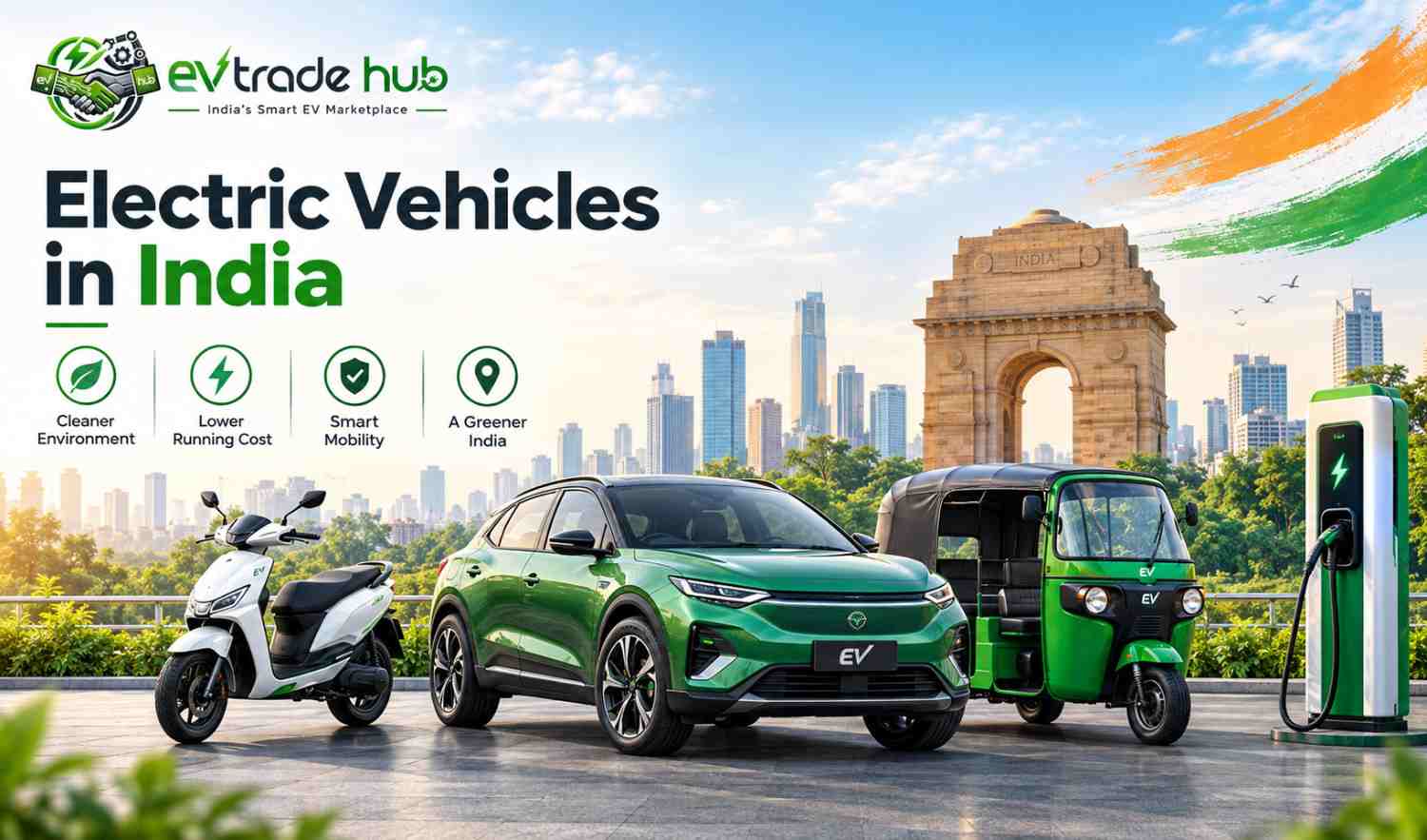
The growing interest in electric mobility is creating business opportunities across different parts of the electric vehicle ecosystem in India. As more consumers, commercial operators and businesses consider electric vehicles for transportation, demand is developing not only for vehicles but also for batteries, charging infrastructure, spare parts, repair services and other supporting solutions.
Entrepreneurs can explore different EV business models depending on their investment capacity, technical knowledge, target market and local demand. Some businesses can be started on a relatively small scale, such as EV spare parts or repair services, while others may require higher investment, such as vehicle dealerships, distribution networks, charging infrastructure or manufacturing.
Before entering the EV sector, entrepreneurs should carefully study the local market, competition, suppliers, customer requirements, operating expenses and applicable business requirements. Choosing the right segment can be more important than simply entering the EV market.
EV dealership is one of the most visible business opportunities in the electric mobility sector. Entrepreneurs can work with manufacturers or established brands to sell electric scooters, electric three wheelers, commercial EVs and other electric vehicles.
A dealership generally involves vehicle display, customer enquiries, product demonstrations, test rides, sales support, documentation assistance and after-sales coordination. The success of a dealership can depend heavily on brand reputation, showroom location, vehicle pricing, product quality and service support.
Entrepreneurs should compare manufacturer policies, dealer margins, warranty support, product availability, spare parts and territory conditions before selecting a brand.
EV distribution can be suitable for entrepreneurs who want to work between manufacturers and local dealers. Distributors generally manage product supply, inventory, logistics, dealer relationships and territory development.
A distributor may handle a larger geographic area than an individual dealership and can build a network of dealers across multiple cities or districts. However, distribution generally requires stronger working capital and inventory management because vehicles and products need to be supplied to multiple business partners.
Before entering EV distribution, study the target territory, competing brands, transportation costs, warehouse requirements and potential dealer network.
Battery products are an important part of the electric mobility ecosystem. Different EV categories can require different battery specifications, technologies, capacities and physical configurations. This creates opportunities in battery sales, replacement, servicing and related solutions.
Entrepreneurs can focus on batteries for electric scooters, E Rickshaws, electric bikes, commercial EVs and other applications. The business may also involve battery diagnostics, replacement support and charging-related products.
Important factors to evaluate include battery chemistry, voltage, capacity, BMS, charging compatibility, dimensions, warranty and supplier reliability.
Battery handling also requires appropriate technical knowledge and safe storage practices. Entrepreneurs should work with reliable suppliers and understand the specifications of the products they sell.
As the number of electric vehicles increases, demand for replacement parts and components can also develop. EV spare parts businesses can serve vehicle owners, workshops, dealerships and fleet operators.
Depending on the vehicle category, commonly required components may include controllers, motors, chargers, wiring components, switches, displays, DC-DC converters, lights, brakes, suspension components and other mechanical or electrical parts.
Maintaining the right inventory is important. Slow-moving parts can block working capital, while not having commonly required parts can result in lost customers.
EV service and repair can provide opportunities for technicians and entrepreneurs with suitable electrical and mechanical knowledge. Electric vehicles have different systems from conventional vehicles, making technical understanding important for diagnosis and maintenance.
An EV service centre can provide services such as electrical diagnostics, motor inspection, controller troubleshooting, wiring checks, charging system inspection, battery-related diagnostics and general mechanical maintenance.
Proper tools, trained technicians and access to suitable diagnostic equipment can help improve service quality.
Charging infrastructure is another important area of the EV ecosystem. As electric vehicle adoption grows, charging facilities can become increasingly useful in suitable locations.
Entrepreneurs can evaluate opportunities such as public charging stations, commercial charging facilities, workplace charging solutions, residential charging installations and charging services for fleet operators.
Location is particularly important for charging businesses. Potential locations can include commercial areas, parking facilities, highways, offices, residential developments, hotels, restaurants and other places where EV users spend sufficient time.
Before setting up a charging business, entrepreneurs should evaluate electricity availability, equipment requirements, installation costs, expected utilisation, maintenance and applicable local requirements.
Entrepreneurs with higher investment capacity and technical expertise can explore EV manufacturing. Manufacturing can involve complete vehicles or individual components depending on the business model.
Possible areas can include electric two wheelers, three wheelers, commercial vehicles, vehicle components, battery packs, chargers and other EV-related products.
Manufacturing generally requires greater investment in product development, testing, production infrastructure, quality control, supply chains, technical staff and applicable approvals. Therefore, detailed feasibility analysis is important before entering this segment.
EV conversion and retrofit services can also represent a specialised opportunity where suitable and legally permitted. Such businesses may focus on converting compatible conventional vehicles into electric vehicles using appropriate electric powertrain components.
This segment requires strong technical knowledge because motor selection, battery configuration, controller compatibility, wiring, charging systems, safety and vehicle integration all need to be considered carefully.
Entrepreneurs should verify applicable technical, certification and regulatory requirements before offering conversion services commercially.
Instead of selling EVs, entrepreneurs can also operate electric vehicles as a transportation or commercial fleet. This model may include electric three wheelers, commercial EVs or other suitable electric vehicles depending on local demand.
Fleet operators can generate revenue through passenger transportation, delivery services, commercial contracts or other suitable applications. The economics of the business depend on vehicle utilisation, charging costs, maintenance, driver expenses and financing.
Not every EV business model requires the same level of investment or technical expertise. Entrepreneurs should select a segment based on available capital, local market conditions and personal experience.
Reliable suppliers are essential for almost every EV business. Entrepreneurs should compare product quality, pricing, warranty, delivery timelines, technical support and spare parts availability before establishing long-term supplier relationships.
It is also useful to understand minimum order requirements, replacement policies, payment terms and after-sales support. A low purchase price is not always beneficial if the product has frequent quality issues or limited technical support.
Marketing requirements depend on the chosen business model. Local businesses can use a combination of digital and offline marketing to reach customers.
EV business opportunities in India extend far beyond vehicle sales. Entrepreneurs can explore dealerships, distribution, batteries, charging infrastructure, spare parts, repair services, fleet operations, manufacturing and specialised EV solutions based on their investment capacity and expertise.
The right opportunity depends on local demand, competition, available capital, technical knowledge and supplier support. Before starting an EV business, conduct detailed market research, compare suppliers, estimate operating expenses and understand the requirements of the selected segment. A customer-focused approach, reliable products and strong after-sales support can help build a sustainable business in the growing electric mobility ecosystem.