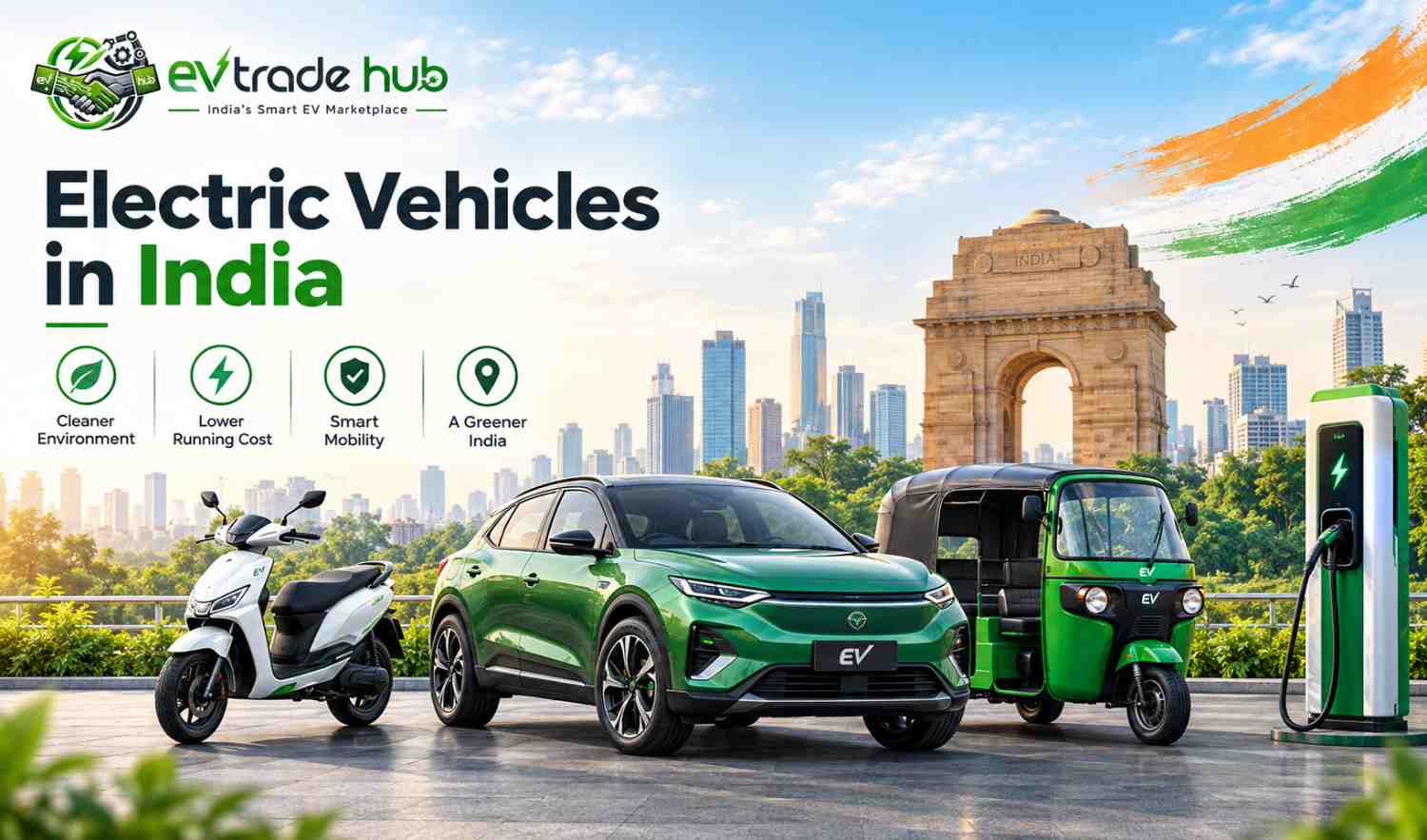
The best battery for an E Rickshaw depends on the vehicle design, daily usage, required range, passenger load, charging requirements, budget and expected operating life. There is no single battery that is ideal for every E Rickshaw because different users have different transportation and commercial requirements.
Battery selection is one of the most important decisions when buying an E Rickshaw because the battery directly affects driving range, charging frequency, vehicle weight, performance and long-term operating cost. A suitable battery should be compatible with the motor, controller and charger while providing enough usable energy for the expected daily distance.
Lithium and lead-acid batteries are two common options for electric three-wheelers. Lithium-based batteries include different chemistries, such as LiFePO4, and their performance can vary depending on cell quality, battery management system and overall pack design.
Lithium batteries are increasingly considered for E Rickshaws because they can provide high energy density with lower weight compared with traditional lead-acid battery systems. Lower battery weight can reduce the overall vehicle load and may contribute to better efficiency.
A properly designed lithium battery can also provide a longer cycle life than many conventional battery systems. However, actual performance depends on battery chemistry, cell quality, BMS design, charging conditions, temperature and daily usage.
Some important advantages of lithium batteries include:
LiFePO4 is one lithium chemistry that is commonly considered for electric vehicles. It is known for good cycle-life potential and thermal stability when the battery pack is properly designed and operated.
Lead-acid batteries have been widely used in E Rickshaws for many years. One of their biggest advantages is their established availability and comparatively lower initial purchase cost.
Lead-acid technology is familiar to many local dealers and technicians, which can make replacement and servicing easier in areas where lithium battery support is limited.
However, lead-acid batteries are generally heavier and have lower energy density compared with lithium battery systems. Their performance can also be affected by deep discharge, charging practices, temperature and maintenance.
Lead-acid batteries can be suitable for buyers who have a limited initial budget and access to reliable replacement and maintenance support. However, buyers should consider the complete ownership cost rather than looking only at the purchase price.
The choice between lithium and lead acid depends on how the vehicle will be used. A commercial operator who travels many kilometres every day may place greater importance on battery life, weight, charging convenience and total operating cost.
Lead-acid batteries can have a lower initial cost, while lithium batteries can have a higher upfront cost but may offer advantages in weight, usable energy and cycle life depending on the specific product.
When comparing the two technologies, consider:
Battery voltage is one of the first specifications buyers should verify. The battery must be compatible with the E Rickshaw's electrical architecture, including the motor, controller, charger and other electrical components.
A battery should not be selected simply because it has a higher capacity or lower price. Incorrect voltage or incompatible electrical specifications can cause performance problems and may damage components.
Before purchasing a replacement battery, check the existing battery specifications and confirm compatibility with the vehicle manufacturer, dealer or qualified technician.
Battery capacity has a major effect on the potential driving range of an E Rickshaw. A larger usable energy capacity can generally support a longer distance, but actual range also depends on passenger load, motor efficiency, road conditions, speed, traffic and driving style.
For commercial operation, buyers should estimate their normal daily distance and then select a battery that can comfortably support the expected usage. It is better to consider practical range rather than relying only on the maximum range claimed in marketing material.
For lithium battery packs, the Battery Management System, commonly called BMS, is an important component. The BMS helps monitor and manage battery operating conditions according to the design of the battery pack.
A good lithium battery should therefore be evaluated as a complete system rather than only by its advertised capacity. Cell quality, BMS design, wiring, connectors, pack construction and protection features can all influence reliability.
Charging time is another important factor for commercial E Rickshaw owners. A vehicle that operates for many hours each day needs a charging arrangement that fits its working schedule.
The charger must be compatible with the battery's voltage and chemistry. Using the correct charger and following the battery manufacturer's charging instructions can help maintain battery performance.
Before purchasing a battery, verify whether the existing charger can be used or whether a compatible charger is required.
Commercial E Rickshaws can experience demanding operating conditions because they may run for several hours every day and carry multiple passengers. For such usage, battery life and total operating cost can be more important than the lowest initial purchase price.
A suitable commercial battery should support the expected daily distance while providing reliable performance. The owner should also consider how quickly the battery can be charged and whether a backup or alternative charging arrangement is available if required.
Battery selection should be based on total cost of ownership rather than purchase price alone. A battery that costs less initially may become more expensive if it requires frequent replacement or causes increased downtime.
Consider the following costs:
For a commercial vehicle, avoiding unnecessary downtime can be just as important as reducing the initial battery investment.
Warranty is an important consideration when buying an E Rickshaw battery. Buyers should understand what the warranty covers, its applicable conditions and how claims are handled.
Local after-sales support can also be valuable. A battery from a supplier with accessible service and replacement support may be easier to manage than a cheaper product with limited technical assistance.
Many buyers make the mistake of choosing a battery only by looking at price or advertised capacity. This can lead to compatibility problems and higher ownership costs.
Before purchasing a battery, first determine how the E Rickshaw will be used. Consider daily kilometres, passenger load, operating hours, charging availability and budget.
Then compare battery chemistry, voltage, capacity, weight, expected cycle life, charging time, BMS, warranty and replacement cost. The battery should be compatible with the motor, controller and charger.
For high-usage commercial operations, it can be useful to compare the total ownership cost of different battery technologies instead of comparing only their initial purchase prices.
Neither battery technology is universally the best for every E Rickshaw. Lithium may be attractive for users who prioritize lower weight, longer potential cycle life and reduced maintenance, while lead acid may suit buyers who prioritize lower initial cost and widespread availability.
The right choice depends on the specific E Rickshaw, daily usage, budget, charging setup, service availability and long-term ownership plans.
The best battery for an E Rickshaw is the one that matches the vehicle's electrical system, daily operating requirements and long-term ownership budget. Lithium and lead-acid batteries both have their own advantages and limitations.
Before making a decision, compare voltage, capacity, battery chemistry, practical range, weight, charging requirements, cycle life, BMS, warranty, replacement cost and after-sales support. For commercial users, total operating cost and reliability should be considered along with the initial purchase price. Choosing a properly matched and reliable battery can help improve E Rickshaw performance, range and long-term operating efficiency.