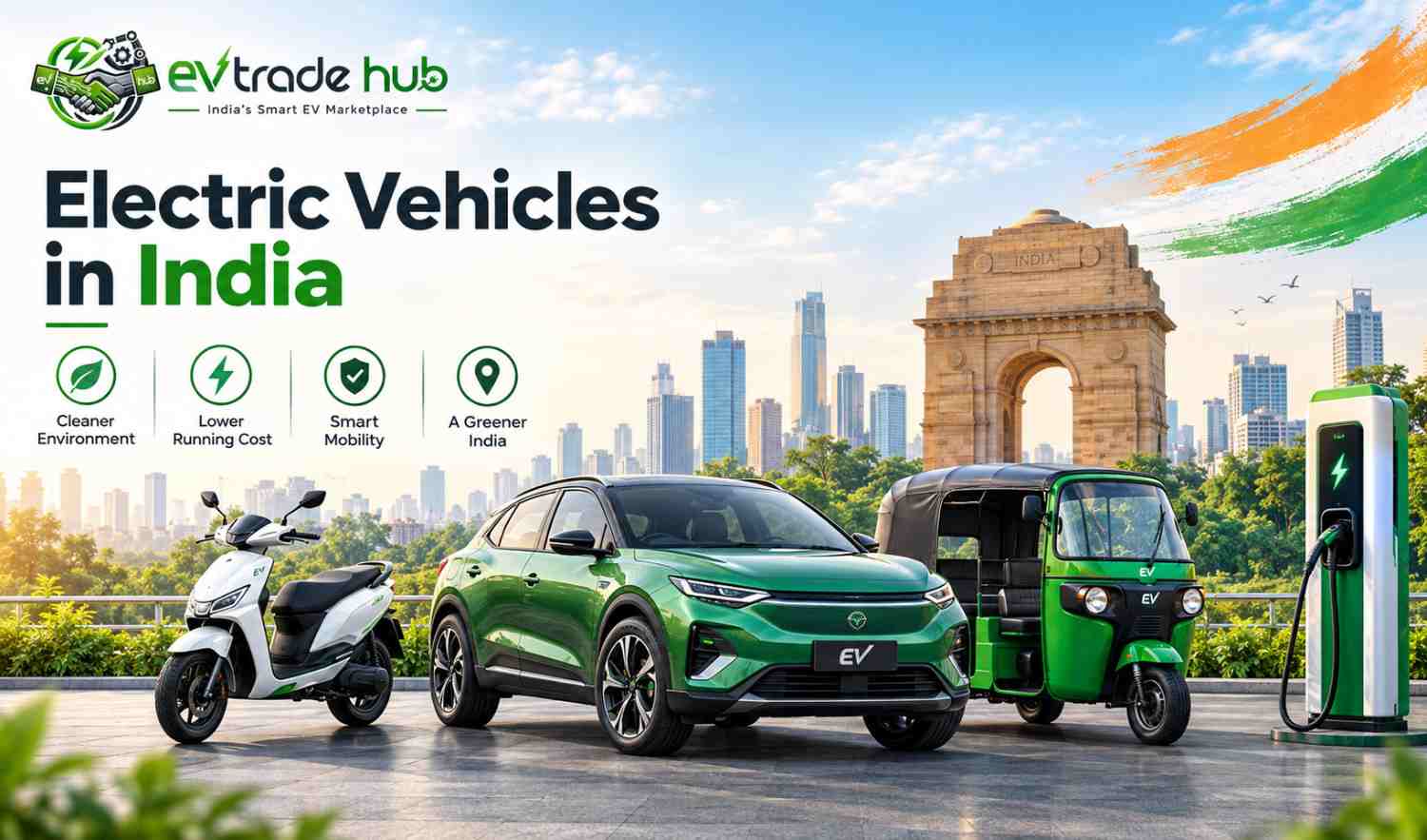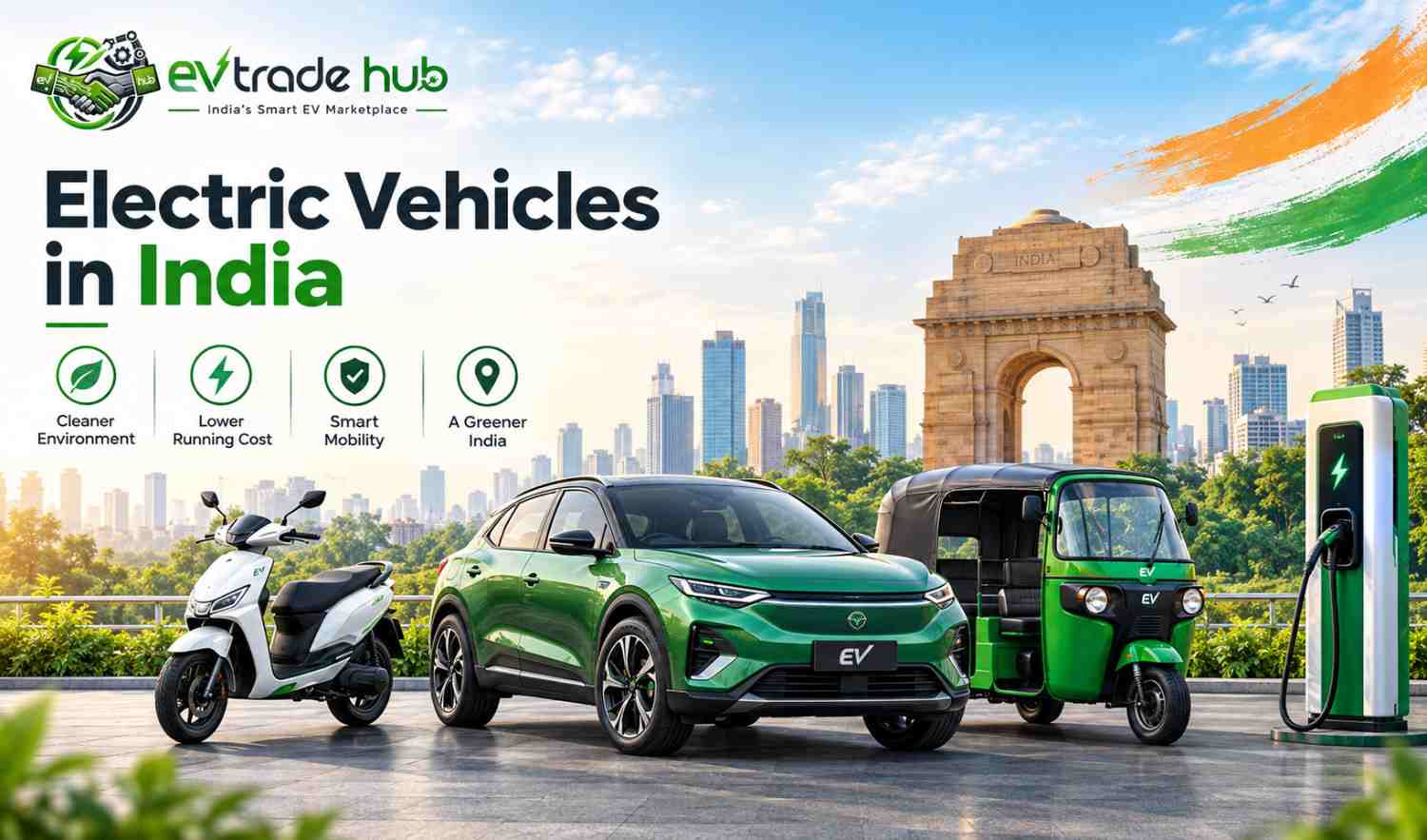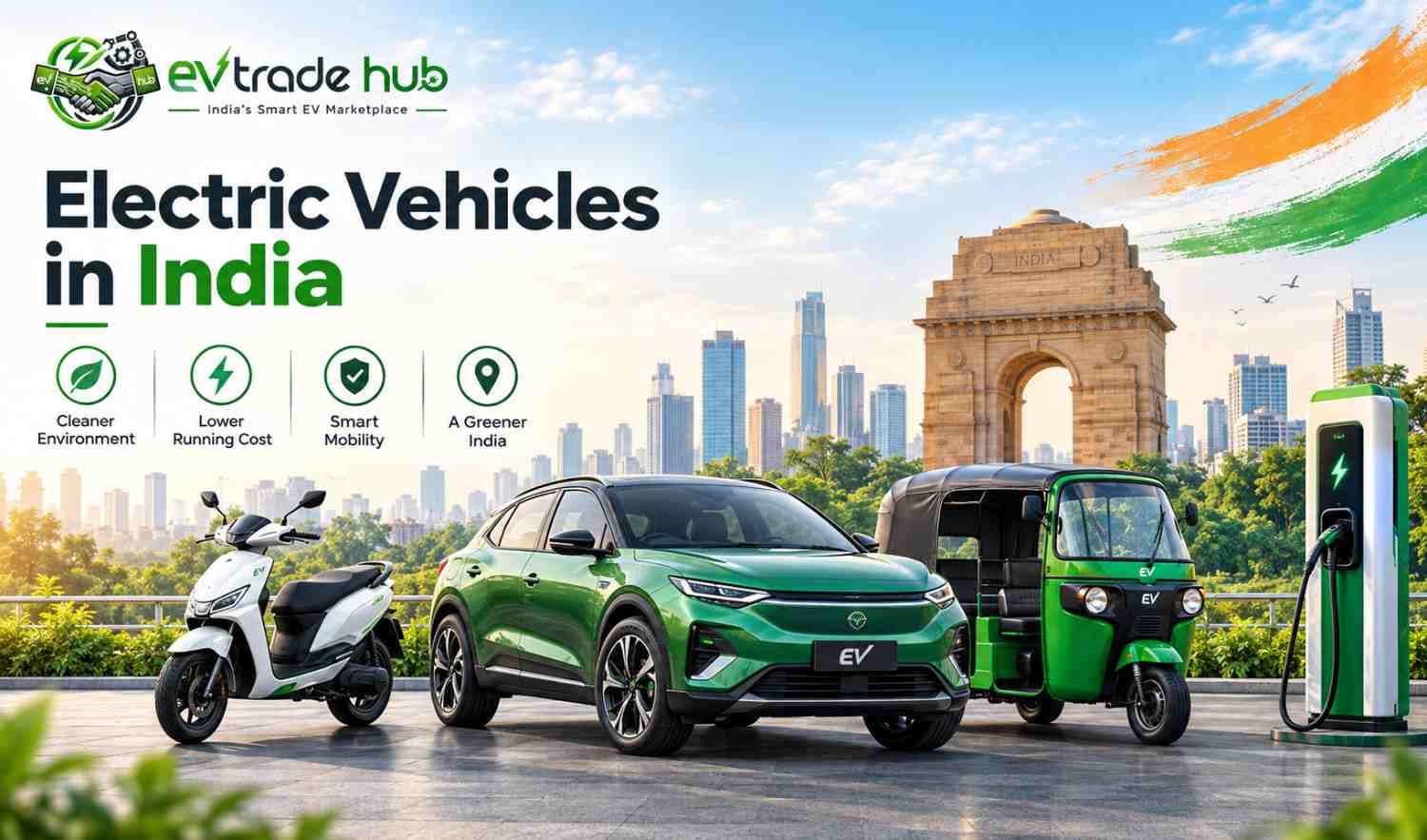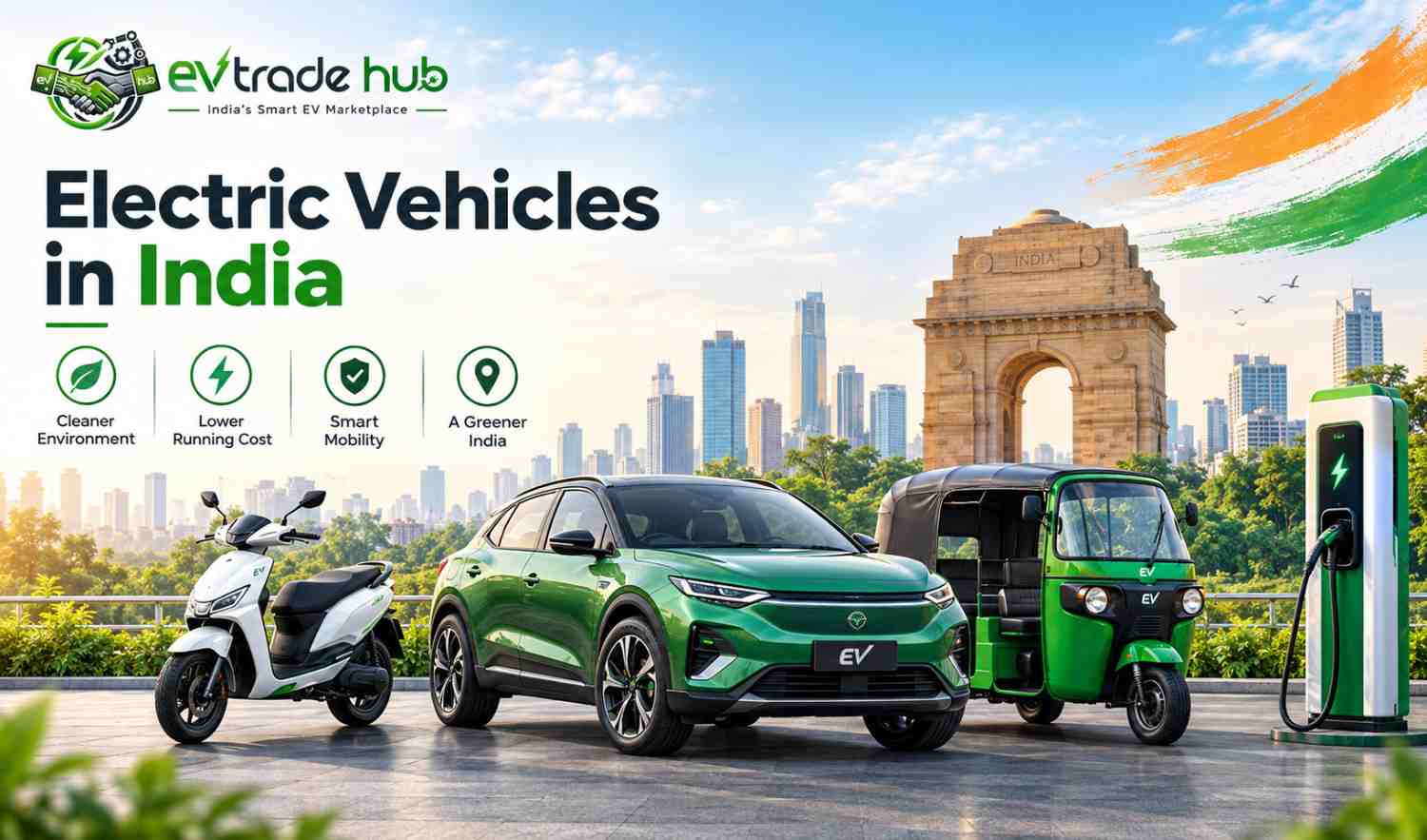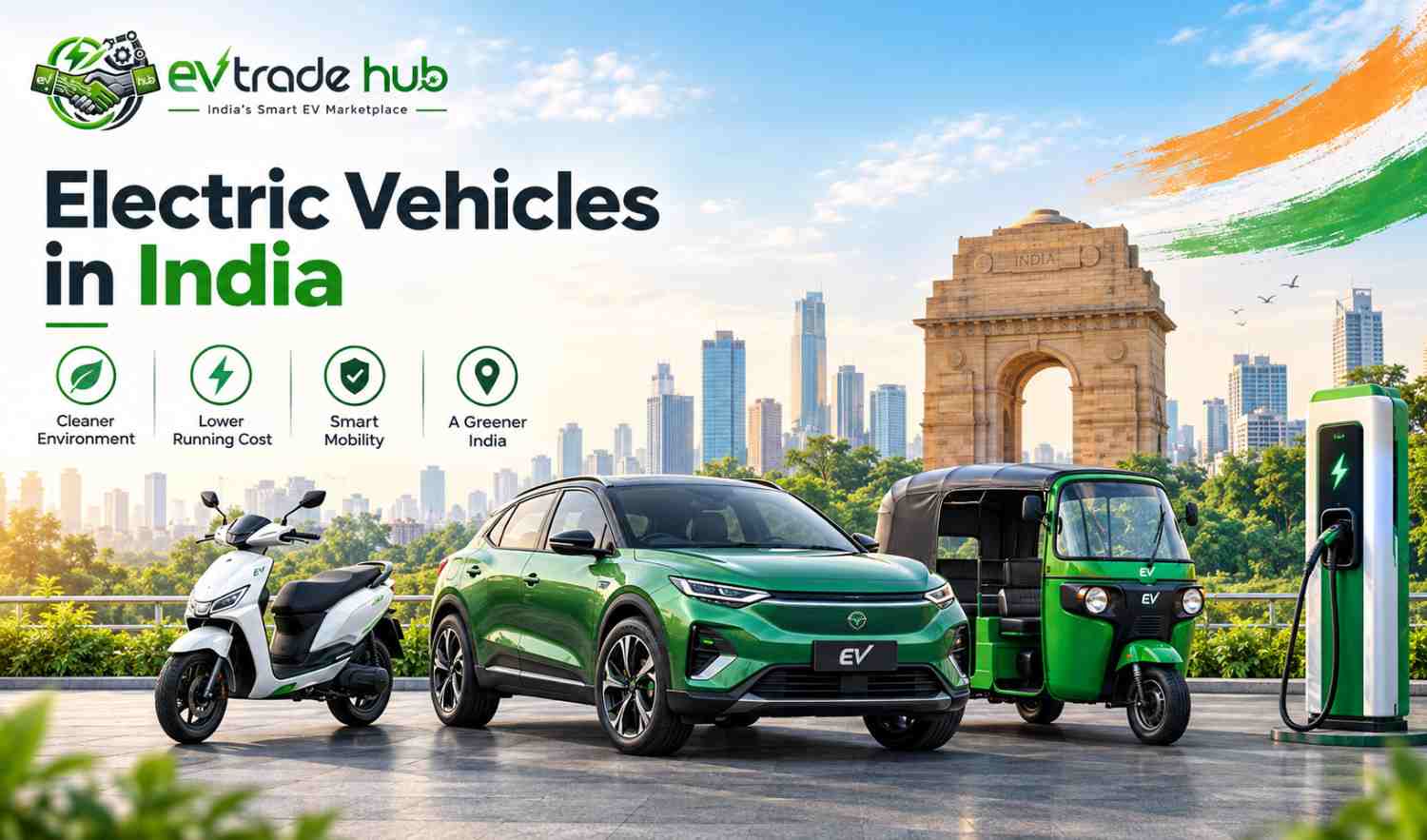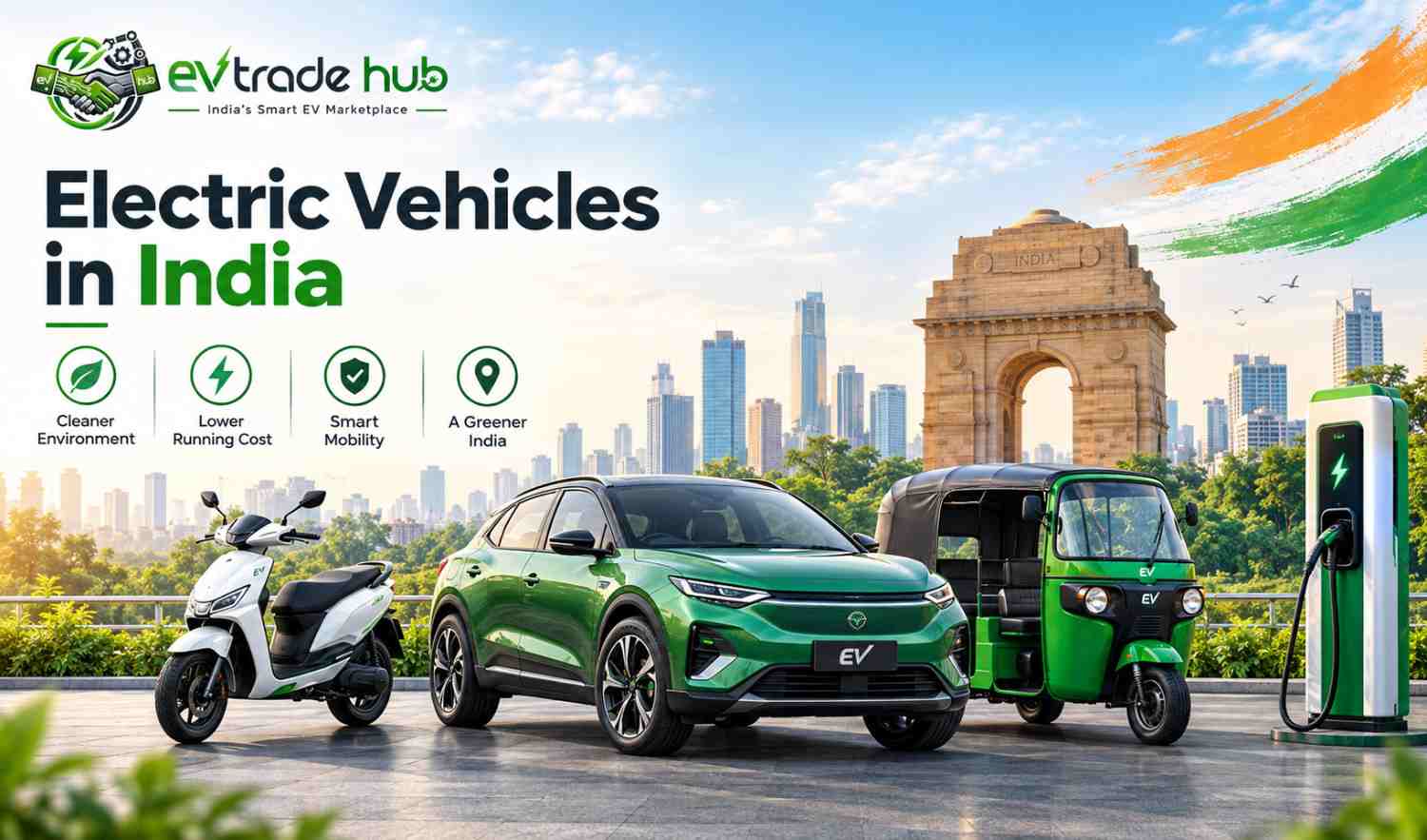
An E Rickshaw dealership can provide a strong business opportunity for entrepreneurs who want to participate in the growing electric three wheeler market in India. E rickshaws are widely used for short-distance passenger transportation, especially in cities, towns, semi-urban areas and local markets. Their relatively low running cost, simple operation and suitability for short routes make them an attractive option for many drivers and small fleet owners.
An E Rickshaw dealership generally involves vehicle sales, customer support, product demonstrations, financing assistance, documentation guidance, service coordination and spare parts support. However, starting a dealership requires more than simply arranging a showroom. A successful dealer needs to select reliable manufacturers, understand local demand, maintain suitable inventory, build customer trust and provide proper after-sales service.
Before applying for an E Rickshaw dealership, it is important to understand the demand in the target market. Study how many electric rickshaws are already operating in the area, which brands are popular, what price ranges customers prefer and which routes have high passenger demand.
You should also identify your potential customers. These may include individual drivers, small business owners, fleet operators, transport operators and customers looking to replace older vehicles with electric alternatives.
Manufacturer selection is one of the most important decisions when starting an E Rickshaw dealership. The brand you represent directly affects your sales potential, customer confidence and long-term business relationship.
Evaluate the manufacturer's reputation, vehicle quality, production capacity, warranty policies, product range and dealer support before signing a dealership agreement. A manufacturer with consistent product availability can help you maintain inventory and fulfill dealer customer requirements without unnecessary delays.
You should also check the availability of spare parts, technical support and service training. A vehicle may have good sales potential, but weak after-sales support can create problems for both the dealer and customers.
Territory planning is important because the size and characteristics of your target market can influence sales and inventory requirements. Some businesses focus on a single city or district, while others operate across multiple towns or regions.
Before finalising the territory, analyse the number of potential customers, existing dealerships, transportation requirements and competition. Avoid selecting a territory only because it appears large. A smaller territory with strong demand and limited competition may sometimes provide better business potential.
A suitable showroom can significantly improve the visibility and credibility of an E Rickshaw dealership. Ideally, the showroom should be located in an area that is easily accessible to drivers, transport operators and other potential buyers.
Good visibility from the main road, sufficient parking space and convenient vehicle access can make the location more useful for customer visits and demonstrations. The exact showroom size depends on the manufacturer's dealership requirements and the number of vehicles you plan to display.
The showroom may include vehicle display space, a customer discussion area, branding elements, product specification boards and a dedicated area for documentation and finance assistance.
Inventory management is an important part of dealership operations. Keeping too many vehicles in stock can block working capital, while insufficient inventory can result in missed sales opportunities.
Dealers should monitor which models, variants and configurations are most popular in their market. Inventory should be planned according to historical sales, seasonal demand, manufacturer delivery schedules and customer requirements.
In addition to complete vehicles, maintaining essential spare parts can help the dealership provide faster service after sales.
The investment required for an E Rickshaw dealership depends on the manufacturer, dealership model, showroom size, inventory requirements and service facilities. Entrepreneurs should prepare a detailed business budget before starting operations.
Typical investment areas can include:
It is important to keep sufficient working capital instead of investing the entire available budget in vehicle inventory. Regular expenses such as salaries, rent, transportation, marketing and service operations need to be managed until sales become consistent.
A knowledgeable sales team can make a major difference in dealership performance. Customers purchasing an E Rickshaw may have questions about battery options, charging, range, vehicle capacity, maintenance, warranty, financing and operating costs.
Sales staff should be trained to explain vehicle specifications in simple language rather than focusing only on price. Product demonstrations and test drives can also help customers understand the vehicle's performance and features.
Many E Rickshaw customers may require financing support to purchase a vehicle. A dealership can improve the buying experience by helping customers understand available financing options and required documentation.
Where applicable, dealers can develop relationships with suitable financial institutions or vehicle finance providers. However, customers should always be informed clearly about applicable interest rates, processing charges, repayment terms and other conditions.
After-sales service is one of the most important factors in building a successful E Rickshaw dealership. Customers expect reliable support when their vehicle requires maintenance or replacement parts.
A dealership should have access to trained technicians, appropriate tools and commonly required spare parts. Basic service capabilities can include electrical inspection, brake maintenance, tyre-related work, wiring checks, controller and motor diagnostics, battery-related checks and general vehicle maintenance.
Good service support can increase customer satisfaction and generate repeat purchases, referrals and positive word-of-mouth marketing.
Local marketing is particularly important for an E Rickshaw dealership because many potential customers come from a defined geographic area. A combination of online and offline marketing can help generate leads.
Marketing should focus on useful customer information such as vehicle specifications, expected operating benefits, service support, warranty and dealership facilities rather than making unsupported claims.
Once the dealership starts operating, regularly track important business metrics. Sales volume alone does not provide the complete picture of dealership performance.
Monitor monthly enquiries, test drives, conversions, average sales value, inventory turnover, service requests, spare parts sales and customer referrals. These figures can help identify which products and marketing channels are generating the best results.
Starting an E Rickshaw dealership in India can be an attractive business opportunity for entrepreneurs who understand their local market and build the dealership around reliable products and customer support. The right manufacturer, suitable showroom location, carefully planned inventory, trained staff and dependable after-sales service can create a strong foundation for long-term growth.
Before starting an E Rickshaw dealership, conduct detailed market research, compare manufacturer terms, estimate showroom and inventory costs, evaluate working capital requirements and understand the expected sales volume. A customer-focused approach combined with strong manufacturer and service support can help an E Rickshaw dealership build a sustainable presence in the electric three wheeler market.