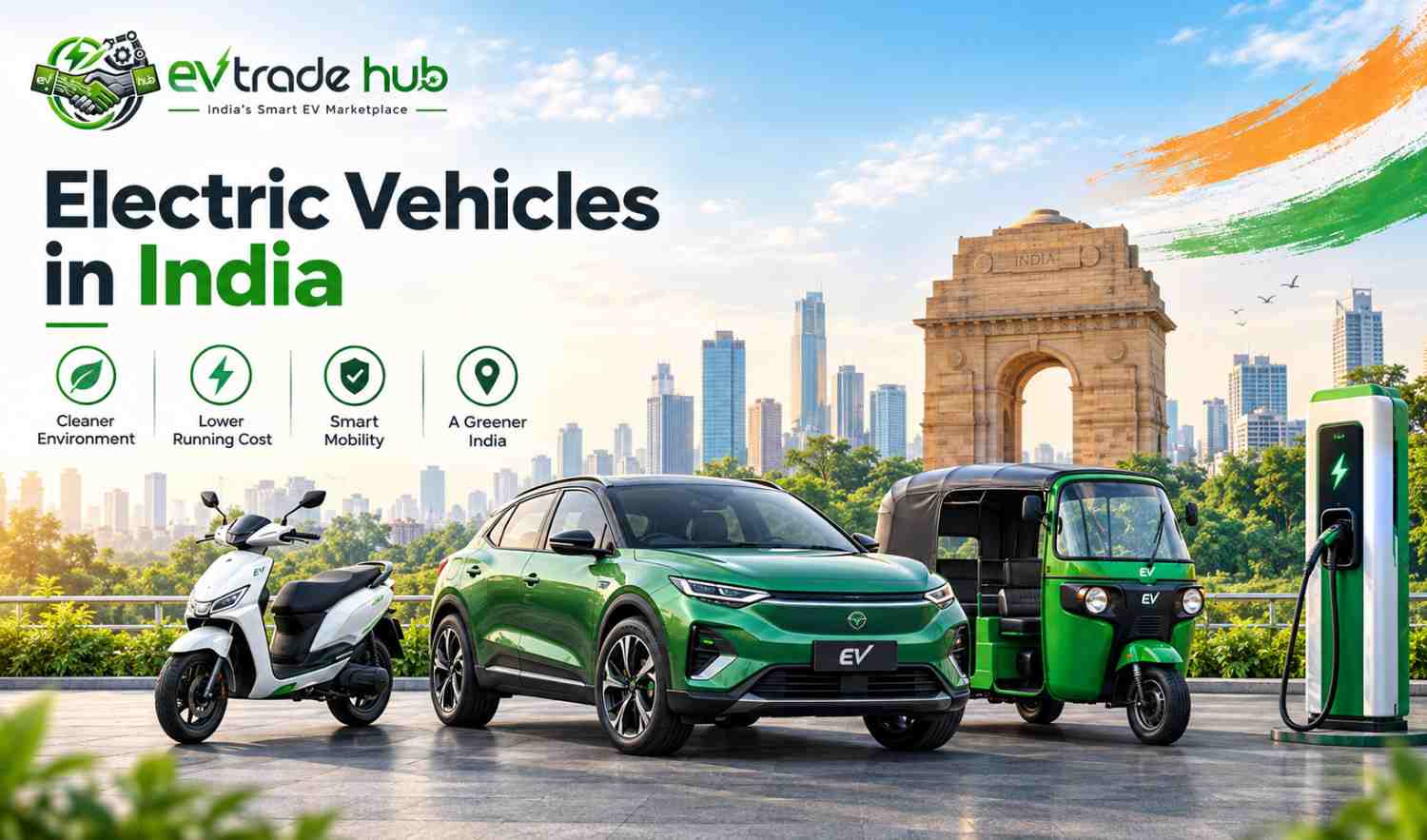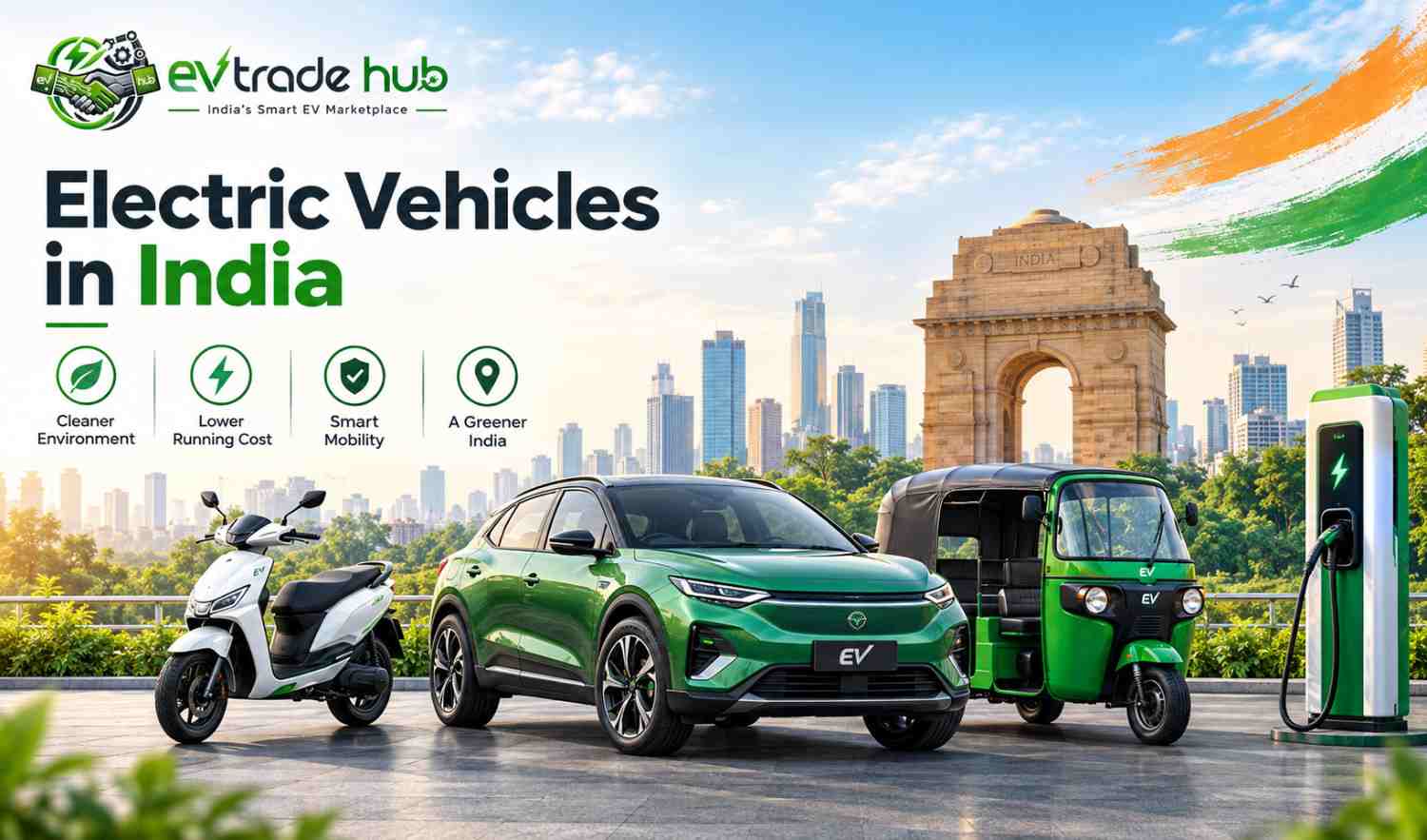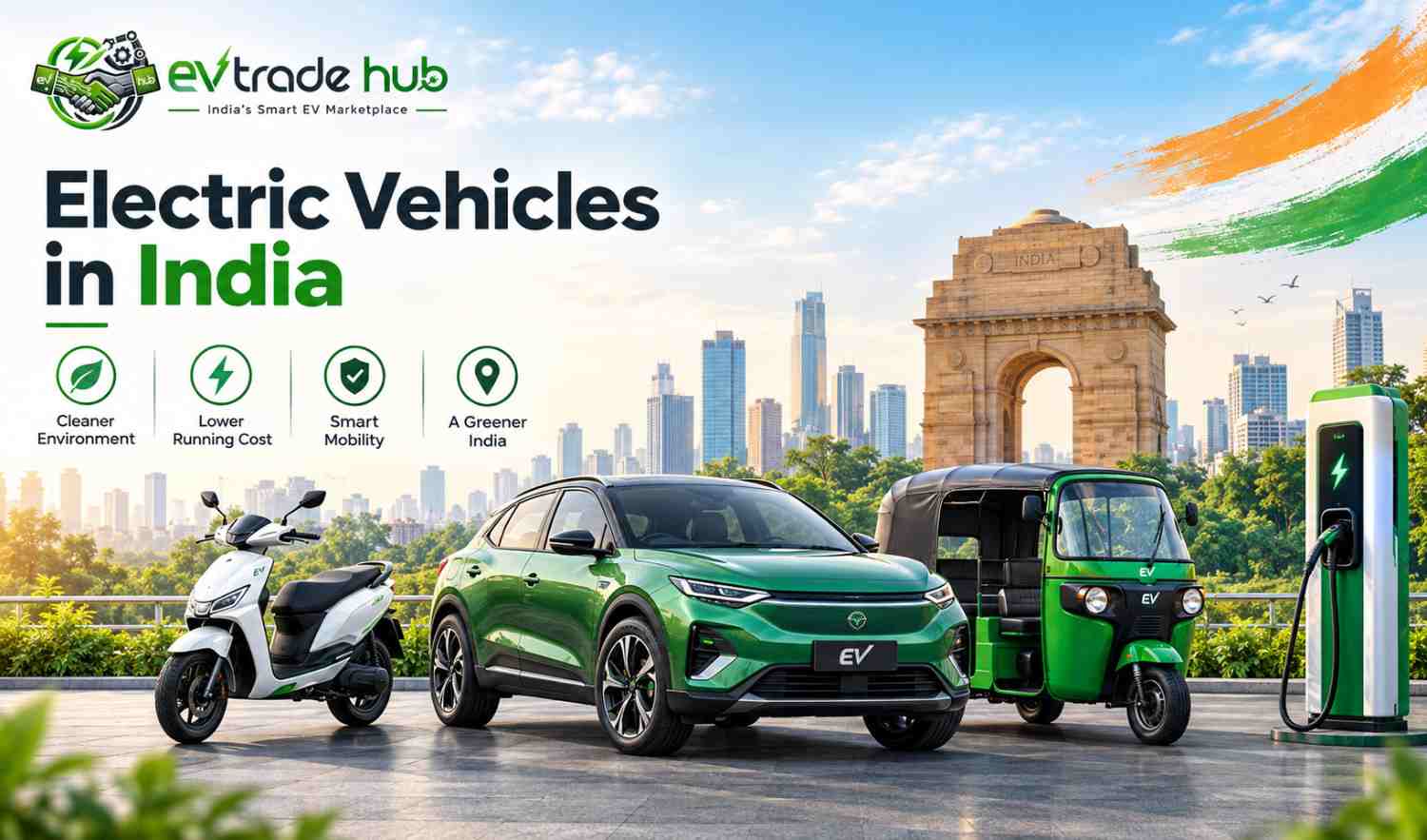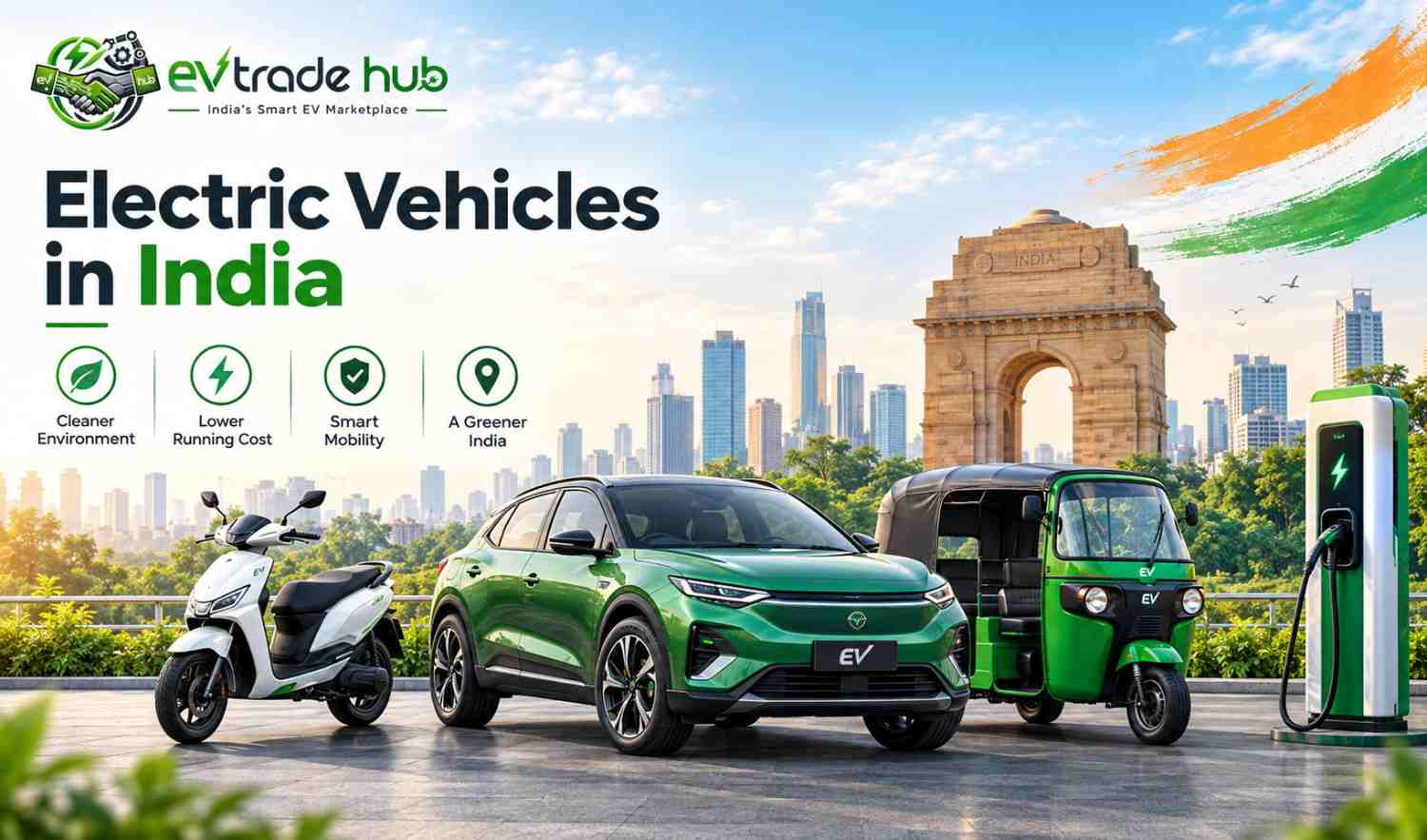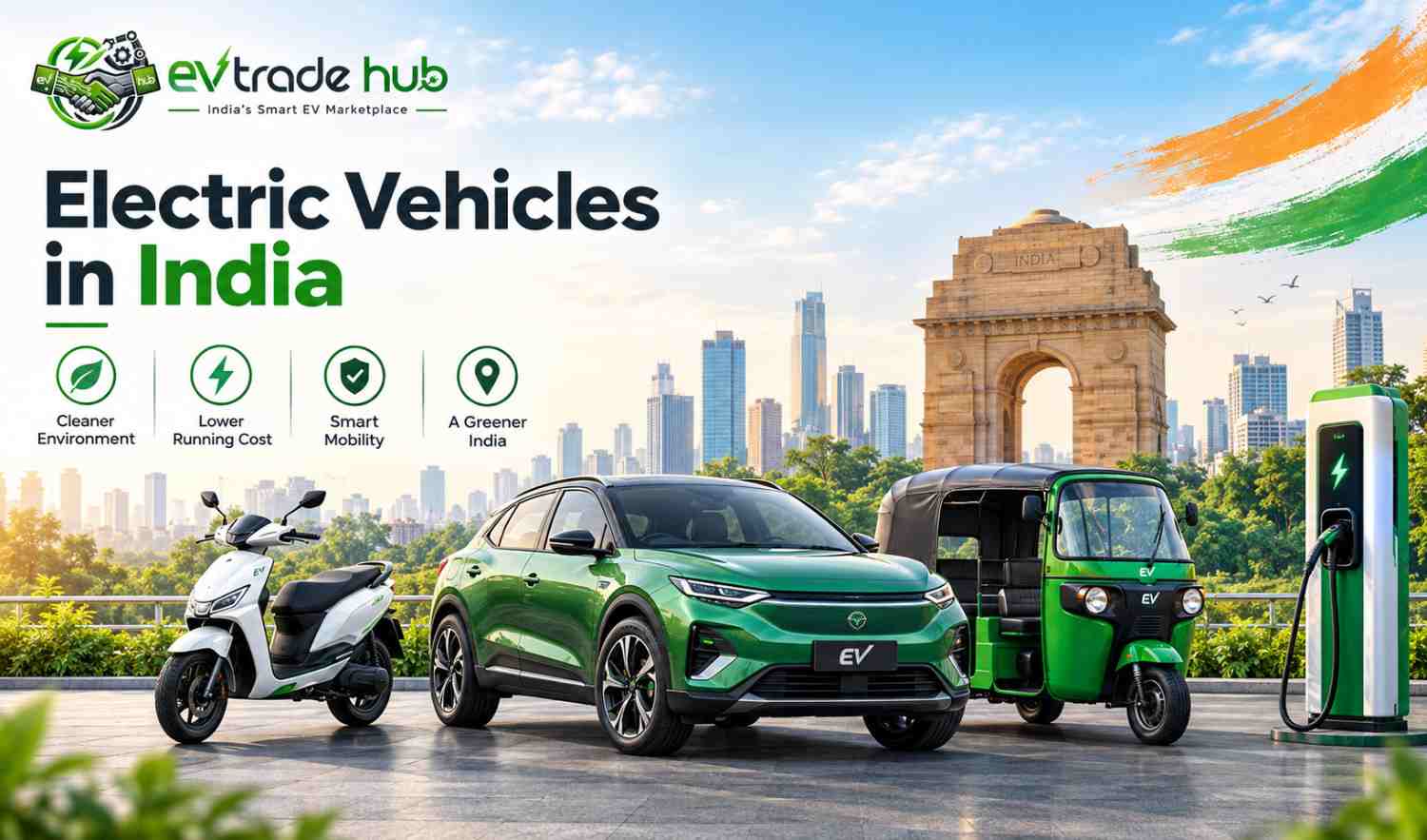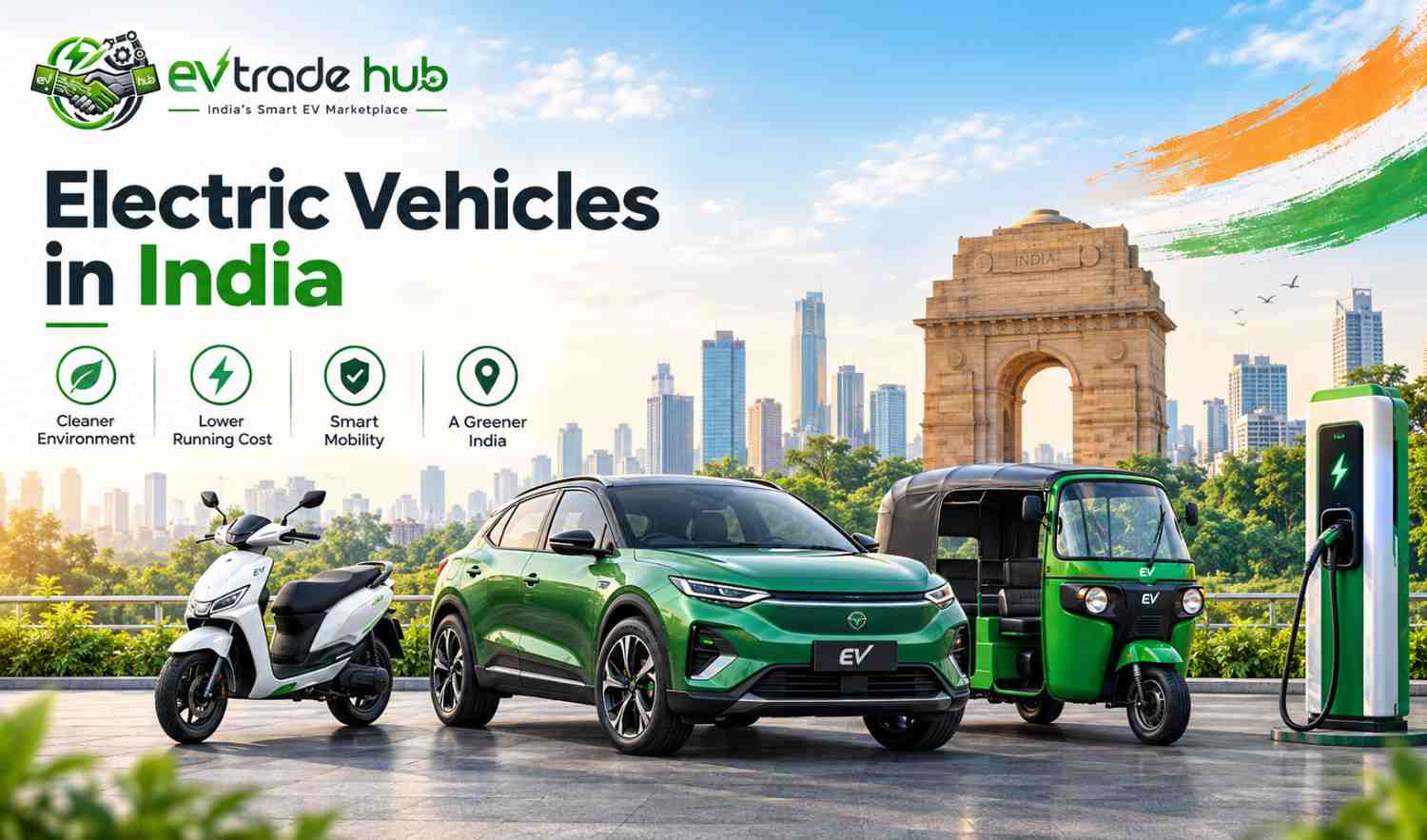
Electric scooters have become one of the most popular categories in the Indian electric vehicle market. They are designed primarily for everyday commuting, local transportation and short-to-medium distance travel. Electric scooters can be suitable for students, office workers, families, delivery professionals, small business owners and other urban users.
The growing interest in electric scooters is influenced by factors such as fuel costs, urban commuting requirements, technological improvements, convenience and increasing awareness of electric mobility. Unlike conventional petrol scooters, electric scooters use a rechargeable battery and electric motor for propulsion.
Different electric scooters are designed for different requirements. Some focus on affordable city commuting, while others offer higher performance, larger batteries, connected features and additional technology. Therefore, buyers should evaluate their actual daily usage before selecting an electric scooter.
An electric scooter is a two-wheeler powered by an electric motor and rechargeable battery. Instead of using a petrol engine, it stores electrical energy inside a battery pack and uses that energy to drive the motor.
An electric scooter generally consists of a battery pack, electric motor, motor controller, battery management system, charger, accelerator system, braking system and supporting electrical and mechanical components.
Depending on the model, electric scooters may also include digital displays, smartphone connectivity, navigation, riding modes, anti-theft features, regenerative braking and other smart features.
Electric scooters can be particularly suitable for urban transportation because many daily journeys involve relatively predictable distances. Riders can charge the scooter when it is parked and use it for regular commuting.
Rising awareness of electric mobility and the availability of different electric scooter models have also made the category more accessible to different types of users.
For people who regularly travel within a city, an electric scooter can provide an alternative to conventional petrol-powered transportation.
Electric scooters offer several potential benefits for daily transportation.
The actual cost advantage depends on electricity rates, vehicle efficiency, battery condition, riding conditions, maintenance and daily distance.
The battery is one of the most important components of an electric scooter. It stores the electrical energy required to operate the motor and other systems.
Battery capacity has a direct relationship with the potential operating range, although real-world range depends on several other factors as well.
Modern electric scooters commonly use lithium-based battery systems. Different battery chemistries can have different characteristics related to weight, energy density, safety, charging and cycle life.
Buyers should check the exact battery specifications and warranty rather than choosing a scooter based only on the battery type name.
Battery capacity is generally represented in terms of electrical energy. A larger battery can store more energy, which can provide greater potential range under similar operating conditions.
However, a larger battery can also increase the weight and purchase price of the scooter. Therefore, the correct battery size should be based on daily travel requirements.
A user travelling a short distance every day may not require the same battery capacity as a delivery professional who spends several hours on the road.
Range is one of the first specifications buyers consider when purchasing an electric scooter. However, the claimed range and actual riding range can differ depending on operating conditions.
Important factors affecting range include:
Buyers should select an electric scooter based on practical daily range and maintain an appropriate battery reserve for unexpected trips.
The electric motor converts electrical energy from the battery into mechanical energy that moves the scooter. Motor output affects acceleration, climbing ability and overall performance.
Motor selection should match the expected usage. A scooter used mainly on flat city roads may have different requirements from one used on slopes or with additional load.
The battery, motor and controller should be properly matched to provide reliable performance and efficient energy usage.
Electric scooter performance includes more than maximum speed. Acceleration, throttle response, riding modes, climbing ability and overall stability can all influence the riding experience.
Many electric scooters offer different riding modes that allow users to prioritize efficiency or performance depending on their requirements.
For daily city commuting, smooth acceleration and predictable handling can often be more useful than simply selecting the scooter with the highest available performance specifications.
Charging is an important part of electric scooter ownership. Home charging can be convenient for users who have suitable electrical facilities and a secure location for the vehicle.
Charging time varies according to battery capacity, charger output, battery state of charge and vehicle specifications.
Users should follow the manufacturer's recommended charging procedure and use a compatible charger for the specific battery system.
Charging time can differ significantly between electric scooter models. A smaller battery may require less time to charge, while larger batteries can require longer charging periods.
Some models may offer charging solutions designed to reduce downtime, but buyers should check the actual specifications before making a purchase.
For daily commuters, charging time should be considered along with the daily distance and available parking time.
Daily commuting is one of the most common applications for electric scooters. Office workers, students and local commuters can use them for regular travel within cities and nearby areas.
Before buying an electric scooter for commuting, users should calculate their average daily distance and compare it with the practical range of the vehicle.
Comfort should also be considered because regular riders may spend significant time on the scooter. Seat design, riding position, suspension, floorboard space and tyre quality can affect overall comfort.
Electric scooters can also be useful for delivery operations. Food delivery, grocery delivery, pharmacy delivery and courier services often involve multiple short-distance trips throughout the day.
For delivery applications, battery range and charging time become particularly important. The scooter should also be capable of handling the additional load created by delivery equipment or luggage.
Businesses and delivery riders should evaluate service availability, battery warranty and long-term running cost before selecting a model.
Safety should be an important part of the buying decision. Buyers should evaluate braking performance, tyres, suspension, lighting and overall vehicle stability.
Depending on the model, safety-related features may include:
Riders should also follow applicable traffic requirements and use suitable protective equipment while operating the vehicle.
Comfort becomes particularly important for users who travel long distances every day. Buyers should check the seat, riding position, suspension and overall ergonomics.
Storage capacity is another useful feature. Riders who use the scooter for shopping, office commuting or delivery work may require sufficient storage space or compatible accessories.
The overall dimensions and weight of the scooter should also be considered, especially for users who need to park the vehicle in a limited space.
Electric scooters have fewer conventional engine components than petrol scooters, but they still require regular maintenance.
Important maintenance areas include:
Regular inspection can help identify issues early and improve the reliability of the scooter.
Service availability is an important consideration before purchasing an electric scooter. Electrical components such as the battery, controller, charger and motor may require specialized technical knowledge.
Buyers should check the manufacturer's service network and availability of spare parts in their area.
Easy access to replacement parts can reduce downtime and make long-term ownership more convenient.
Battery warranty should be checked carefully because the battery is one of the most valuable components of an electric scooter.
Buyers should understand what is covered under the warranty, the applicable conditions and the procedure for handling battery-related issues.
Warranty coverage for the motor, controller, charger and other components should also be reviewed before purchasing the vehicle.
The running cost of an electric scooter depends on electricity consumption, daily distance, charging efficiency, maintenance, tyres and battery condition.
Users can compare electricity consumption with the petrol cost required to travel a similar distance on a conventional scooter.
However, a complete ownership calculation should also include purchase price, financing, insurance, maintenance and eventual battery replacement.
The right electric scooter depends on the user's daily travel requirements, budget and intended application.
Important factors to compare include:
A new electric scooter generally provides access to a fresh battery, manufacturer warranty and current features. A properly maintained used scooter can also be considered by buyers looking for a lower initial purchase cost.
When buying a used electric scooter, battery condition should receive special attention. Buyers should also inspect the motor, controller, charger, brakes, tyres, suspension and electrical system.
Service history and available documentation should be checked before purchasing a used vehicle.
Choosing an electric scooter only by its advertised range or purchase price can result in an unsuitable buying decision.
Families can consider electric scooters for local transportation, shopping trips, school-related travel and daily commuting. In such cases, comfort, stability, storage, safety and practical range can be more important than high-performance specifications.
Users should select a model according to the expected riding conditions and ensure that the vehicle is suitable for the intended passenger and load requirements.
Electric scooters are expected to remain an important part of India's electric two-wheeler market. Improvements in battery technology, charging systems, motor efficiency and connected vehicle features can make electric scooters increasingly practical for different types of riders.
Growing interest in urban electric mobility can also create opportunities for electric scooter dealerships, service centres, battery businesses, charging solutions and delivery fleets.
As charging infrastructure develops and consumers gain more experience with electric vehicles, electric scooters can continue to play an important role in everyday urban transportation.
Electric scooters have become an important category in India's electric vehicle market and can provide an alternative to petrol-powered scooters for daily commuting and local transportation.
Battery capacity, practical range, charging time, motor performance, comfort, safety, service support and total ownership cost are some of the most important factors to consider before purchasing an electric scooter.
For commuters, the ideal scooter should provide sufficient practical range and convenient charging. For delivery users, battery capacity, charging time, durability and service support become even more important.
By comparing the complete ownership cost and selecting a scooter according to actual usage requirements, buyers can make a more informed decision and choose an electric vehicle that fits their daily transportation needs.
EV Trade Hub provides an electric mobility platform where users can explore EV categories and discover information related to electric transportation in India, including electric scooters, electric bikes, electric three-wheelers, batteries, commercial EVs and other electric mobility solutions.
With continuing improvements in battery technology and charging infrastructure, electric scooters are expected to remain an important part of urban electric mobility in India.