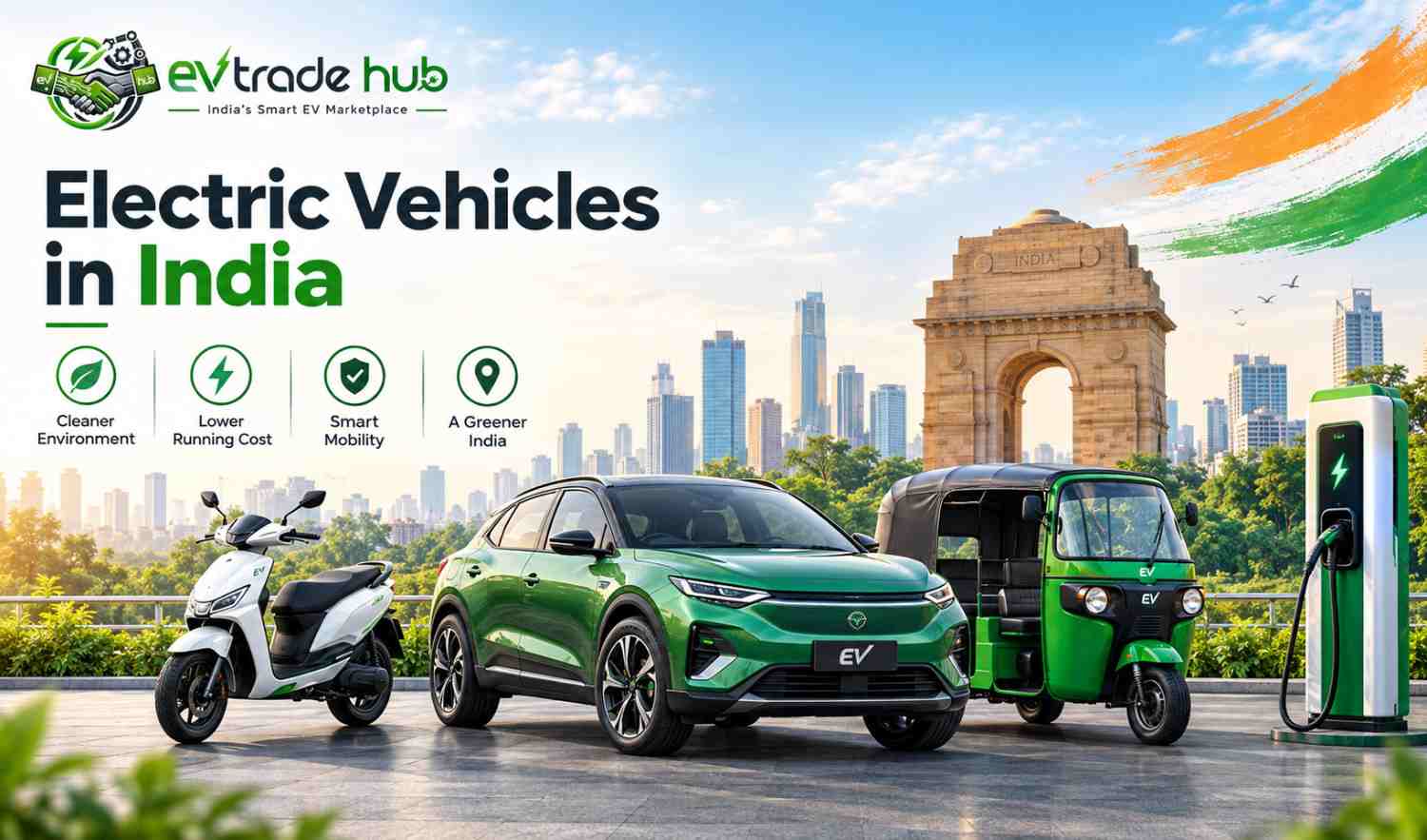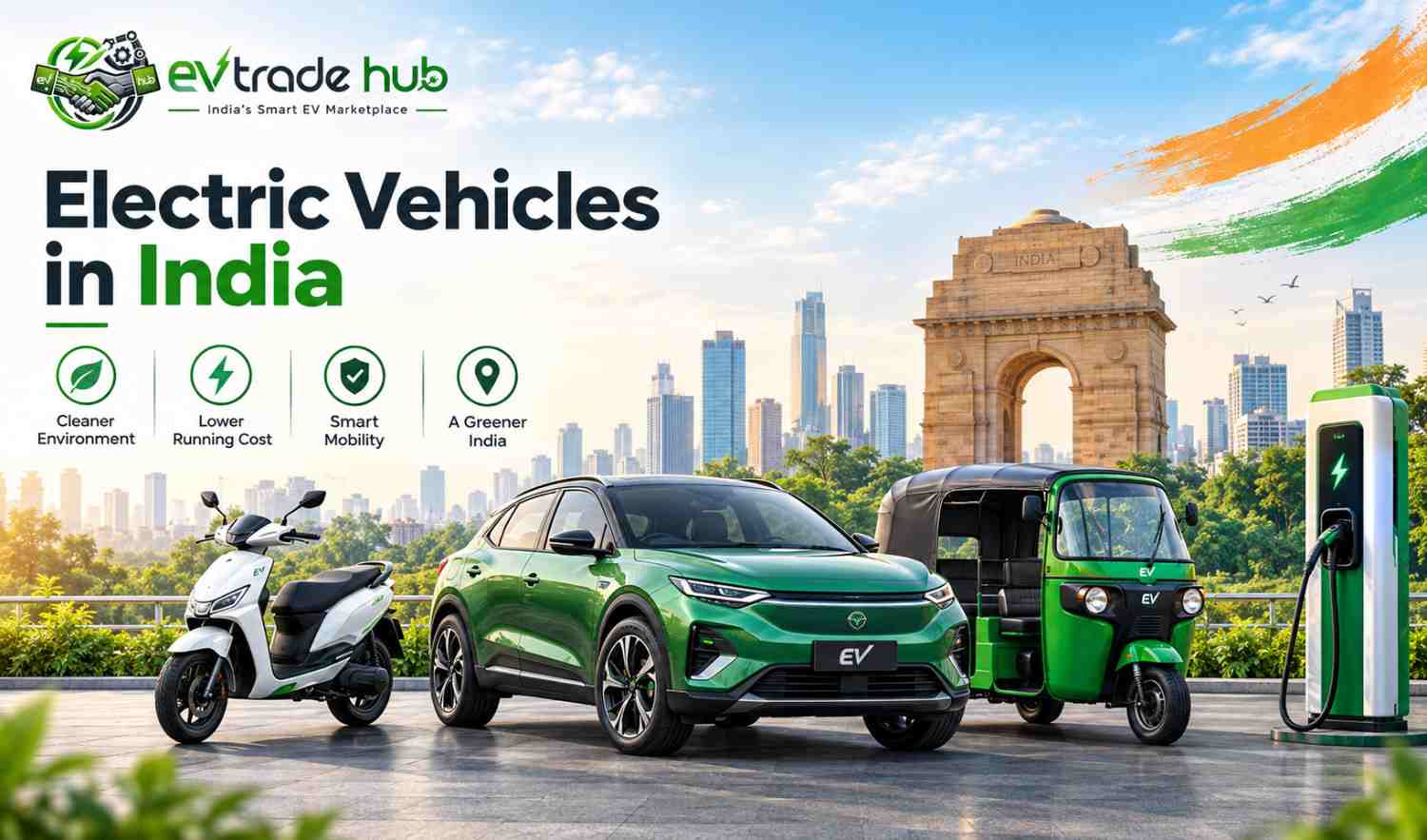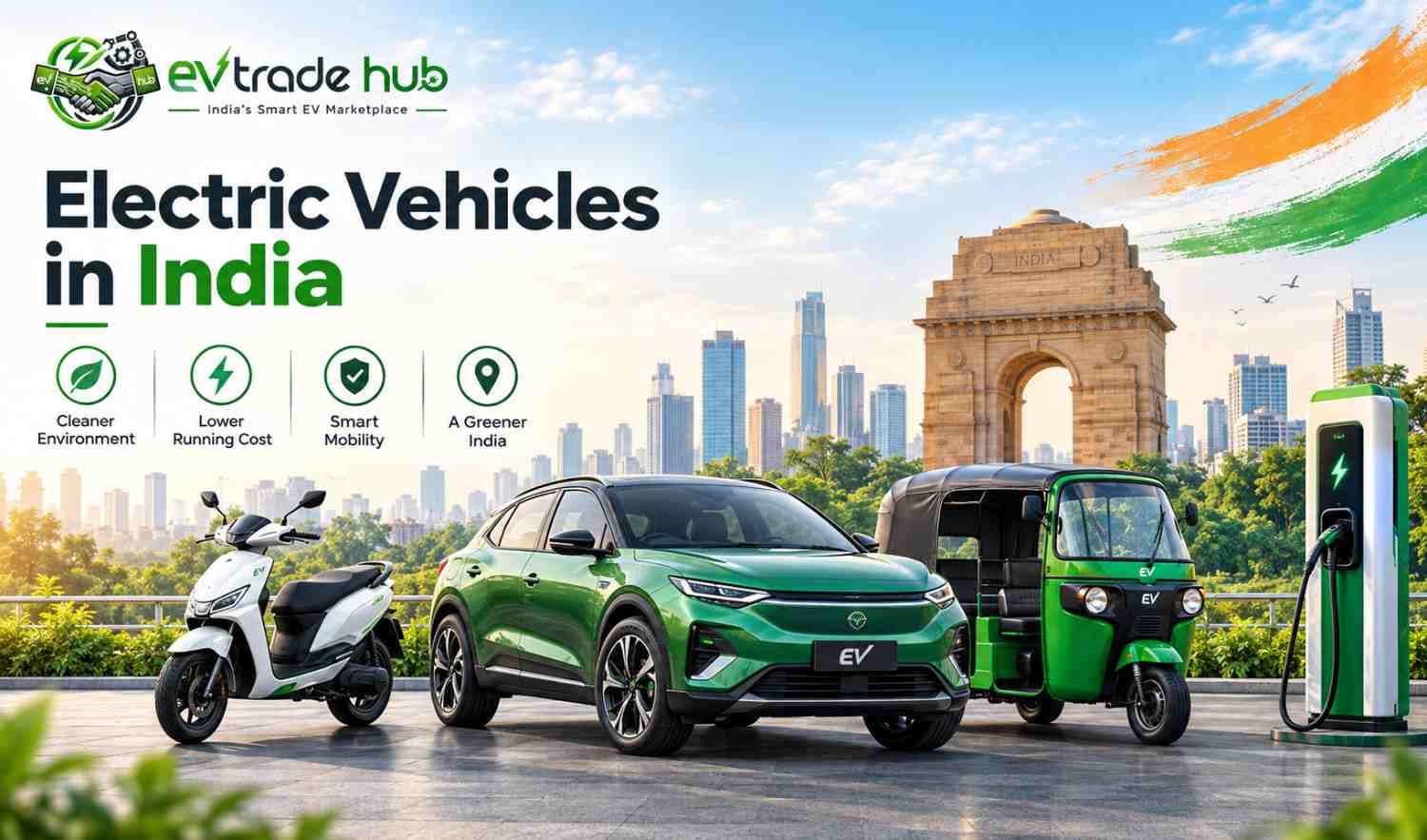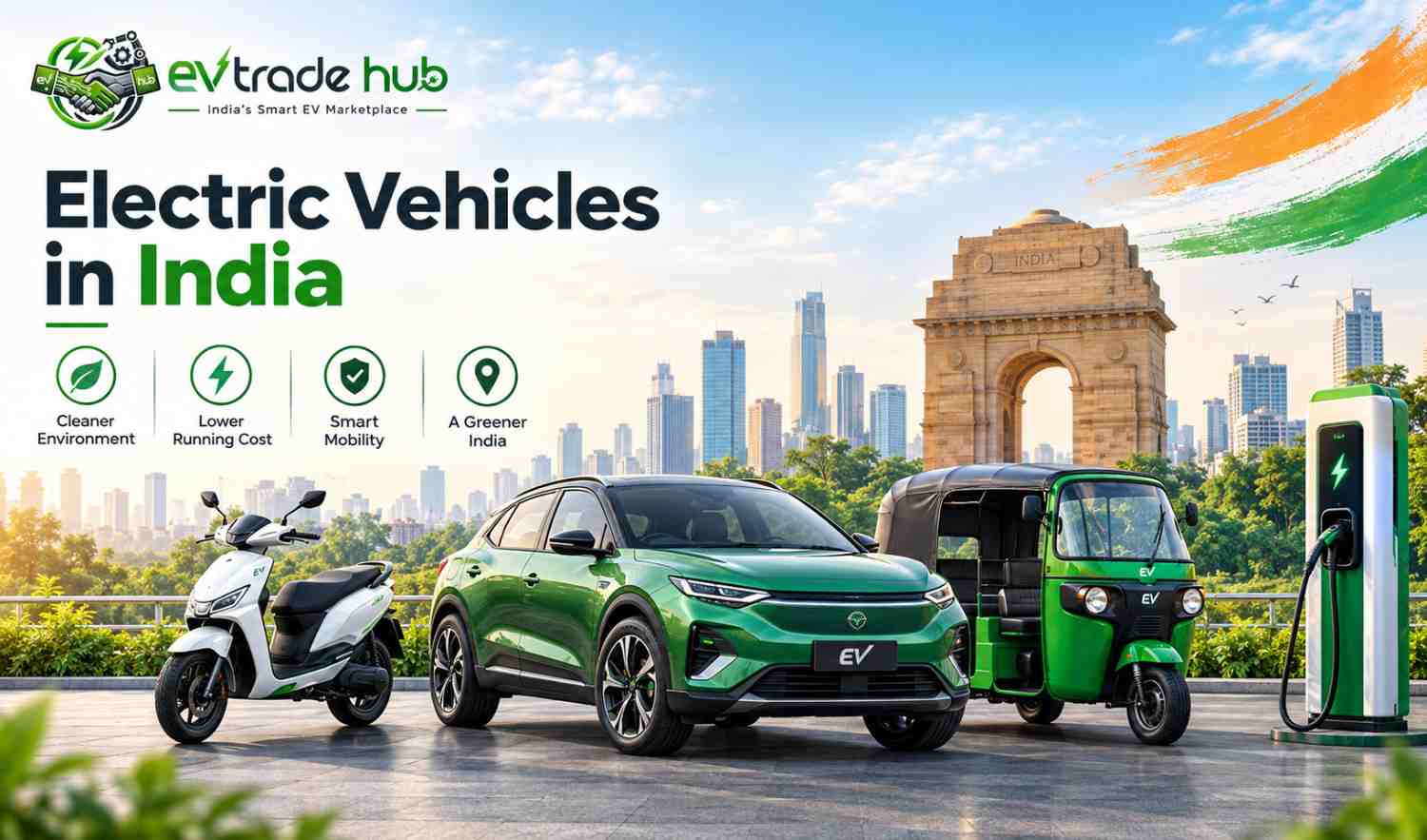
An E Rickshaw can be considered a practical small business option in locations where there is regular demand for affordable short-distance passenger transportation. Electric three wheelers are commonly used to connect residential areas with markets, railway stations, bus stands, schools, hospitals, offices and other important local destinations.
The E Rickshaw business can be started on a small scale with a single vehicle or expanded into a small fleet depending on investment capacity and local demand. Entrepreneurs can drive the vehicle themselves, hire a driver or manage multiple vehicles through a fleet model. However, a successful business requires proper planning because income depends on passenger demand, route selection, operating hours, vehicle condition and daily expenses.
Before investing, it is important to study the local market, compare vehicle options and prepare a realistic income and expense plan. This guide explains the major factors to consider when starting and managing an E Rickshaw business.
Market research should be the first step before purchasing an E Rickshaw. Different areas can have significantly different passenger demand and competition. A route with high passenger movement may offer better business potential than an area with limited transportation requirements.
Observe existing E Rickshaw routes and identify locations where people regularly require short-distance transportation. Railway stations, bus stands, markets, schools, colleges, hospitals, residential areas and commercial locations can generate regular passenger movement.
There are several ways to operate an E Rickshaw business. The simplest model is self-driving, where the owner operates the vehicle and directly manages daily income and expenses. This model provides greater control over the vehicle and operating schedule.
Another option is to purchase the vehicle and hire a driver. In this model, the owner receives the agreed income or collection arrangement while the driver handles daily operations. Proper driver selection and monitoring are important in this model.
Entrepreneurs with greater investment capacity can operate multiple vehicles. A small fleet can generate higher overall revenue, but it also requires better management of drivers, charging, maintenance, documentation and vehicle utilisation.
The initial investment required for an E Rickshaw business depends on the vehicle model, battery configuration, financing method and business scale. Entrepreneurs should consider both the purchase cost and the additional expenses required to start operations.
Typical setup expenses can include:
Finance may also be considered depending on eligibility and available options. However, before taking a loan, calculate the expected monthly repayment along with charging, maintenance, driver and other operating expenses.
Vehicle selection has a direct impact on the long-term performance of the business. Entrepreneurs should not select a vehicle only on the basis of its purchase price. A vehicle with reliable components and good service support may provide better long-term value.
Important factors to evaluate include passenger capacity, battery technology, battery capacity, motor performance, controller quality, chassis construction, suspension, braking system and overall build quality.
The battery is one of the most important components of an E Rickshaw. Entrepreneurs should understand the battery technology and charging requirements before purchasing the vehicle.
Charging should be planned according to the manufacturer's recommendations. A suitable charging location with safe electrical connections can help maintain regular vehicle availability.
For owners operating multiple vehicles, charging schedules should be organised so that vehicles can be prepared for their operating hours. Battery condition should also be monitored because battery performance can affect vehicle utilisation and operating costs.
Route selection can significantly influence daily income. A route with consistent passenger movement can provide better utilisation than an area with irregular demand.
Potential high-demand areas can include railway stations, bus terminals, schools, colleges, hospitals, markets and residential colonies. Entrepreneurs should observe these locations at different times of the day to understand actual passenger movement.
Operating hours can also influence revenue. Some routes may have stronger demand during morning and evening peak hours, while others may have consistent demand throughout the day.
Income planning is essential for understanding whether the business can generate a sustainable return. Entrepreneurs should calculate expected daily collection rather than relying only on general market estimates.
A simple daily record can include total passenger income, charging expenses, maintenance expenses, driver payments and other operating costs. At the end of the month, these figures can be used to calculate the approximate net operating income.
For example, profitability planning should consider:
This approach provides a more realistic picture of business profitability than looking only at daily collection.
If the owner is not driving the vehicle personally, selecting a reliable driver becomes important. The owner should clearly communicate payment arrangements, operating expectations, vehicle usage rules and reporting requirements.
Daily collections and vehicle condition should be monitored. Regular communication can help identify maintenance issues, route problems and other operational challenges early.
Regular maintenance can help reduce unexpected breakdowns and keep the E Rickshaw available for daily operations. Downtime can directly affect income, particularly when the vehicle is used as the primary source of business revenue.
Important components such as brakes, tyres, suspension, electrical wiring, lights, motor, controller, charging system and battery should be inspected as required. Following the manufacturer's recommended maintenance schedule can help identify problems before they become major repairs.
Owners should also identify a reliable local service centre or technician and maintain access to commonly required spare parts.
Cost management is an important part of running an E Rickshaw business. Small recurring expenses can become significant over time if they are not monitored.
Maintain a simple record of electricity or charging costs, maintenance, spare parts, insurance, finance payments and other operating expenses. This helps the owner understand actual monthly profitability and identify unnecessary spending.
Good customer service can help an E Rickshaw operator build regular passengers and positive word-of-mouth. Drivers should maintain professional behaviour, keep the vehicle reasonably clean and follow applicable local transportation practices.
For fleet operators, customer service standards should be communicated to all drivers so that passengers receive a consistent experience.
An E Rickshaw business can provide a practical opportunity for individuals and small entrepreneurs in areas with regular demand for affordable passenger transportation. However, the success of the business depends on proper market research, suitable vehicle selection, route planning and disciplined cost management.
Before starting an E Rickshaw business, evaluate local passenger demand, compare vehicle and battery options, understand financing costs, estimate daily operating expenses and plan for regular maintenance. Keeping accurate financial records and minimising vehicle downtime can help improve business performance.
With the right vehicle, suitable operating route, reliable service support and careful financial planning, entrepreneurs can build a more sustainable E Rickshaw business and gradually expand from a single vehicle to a larger operation when market conditions support growth.