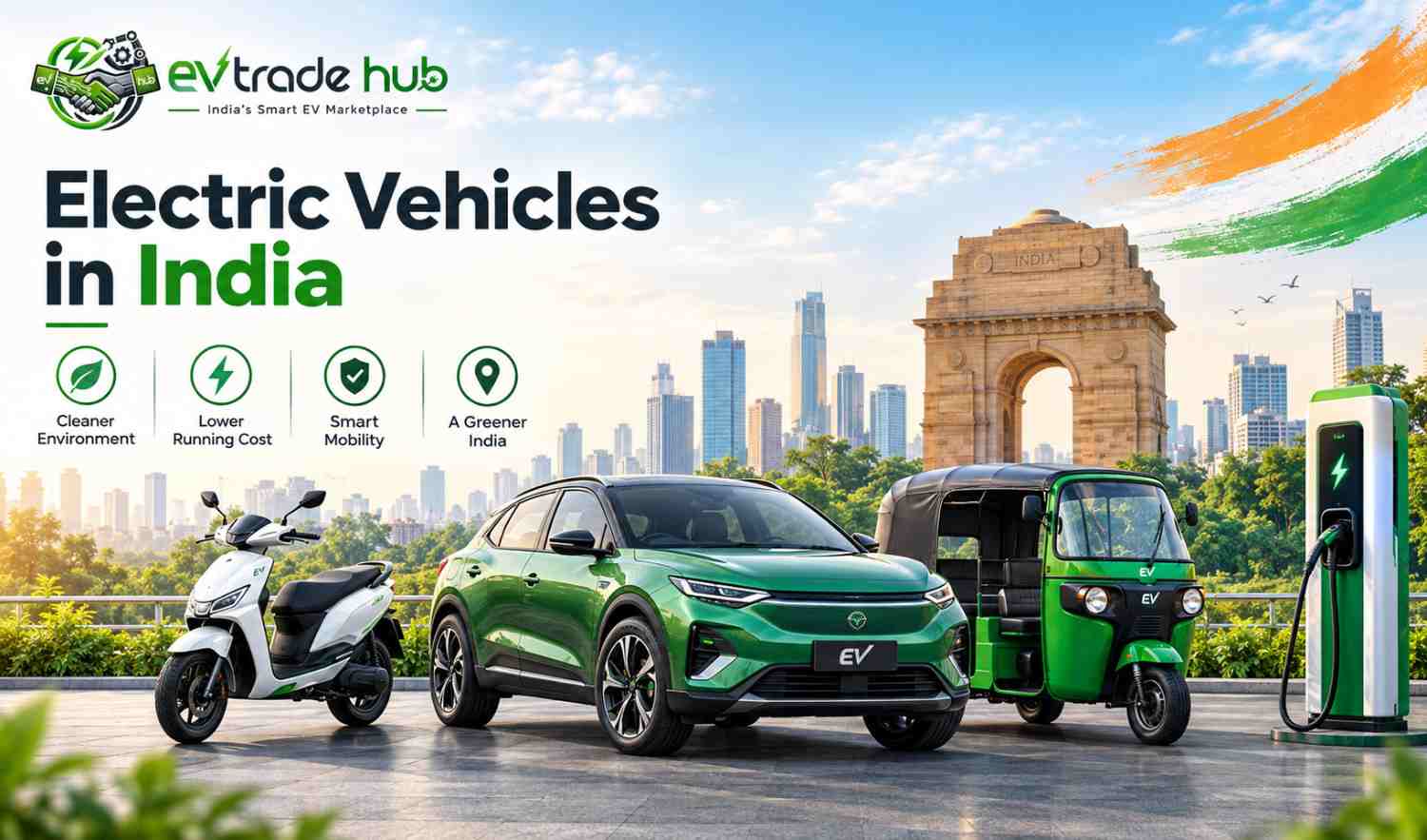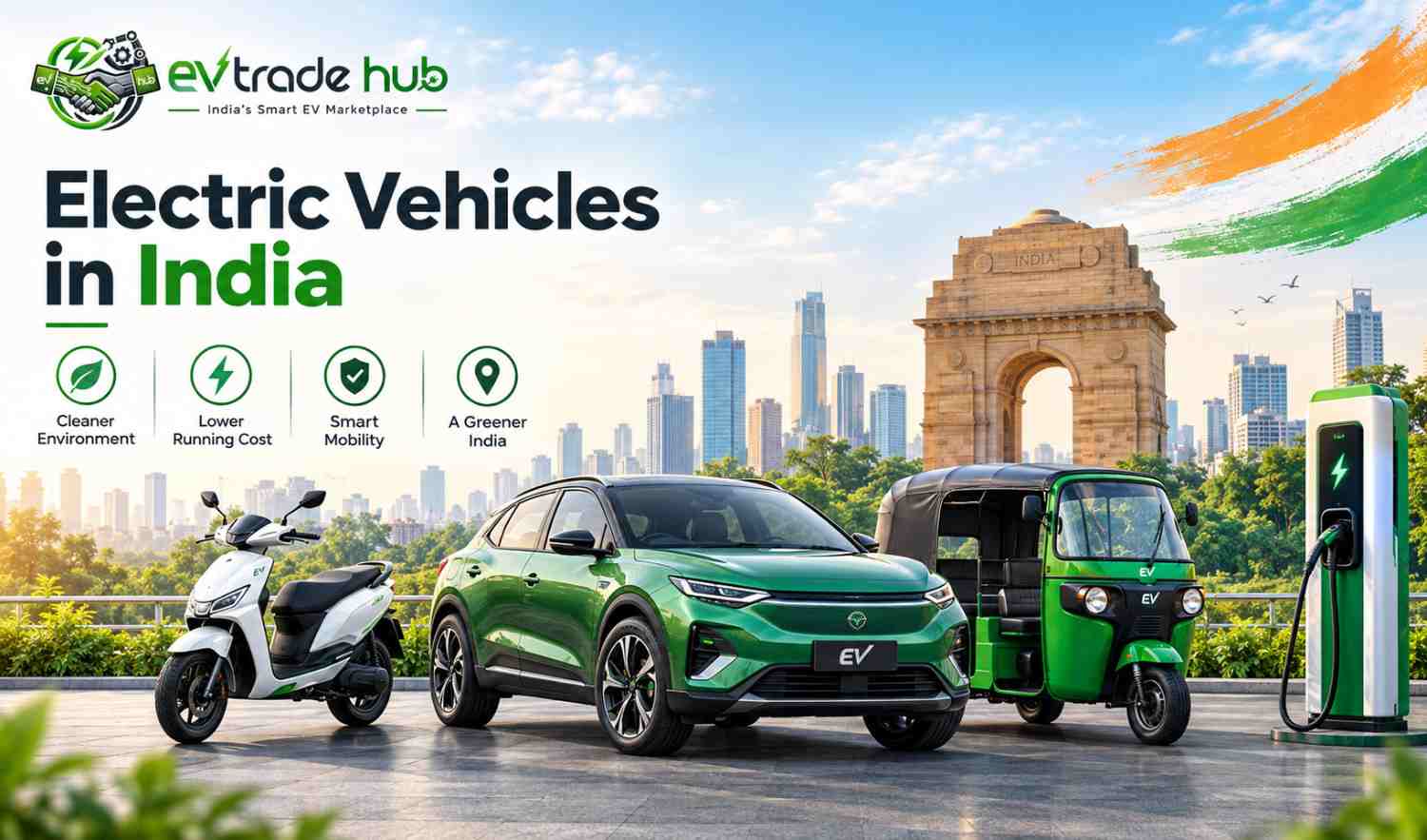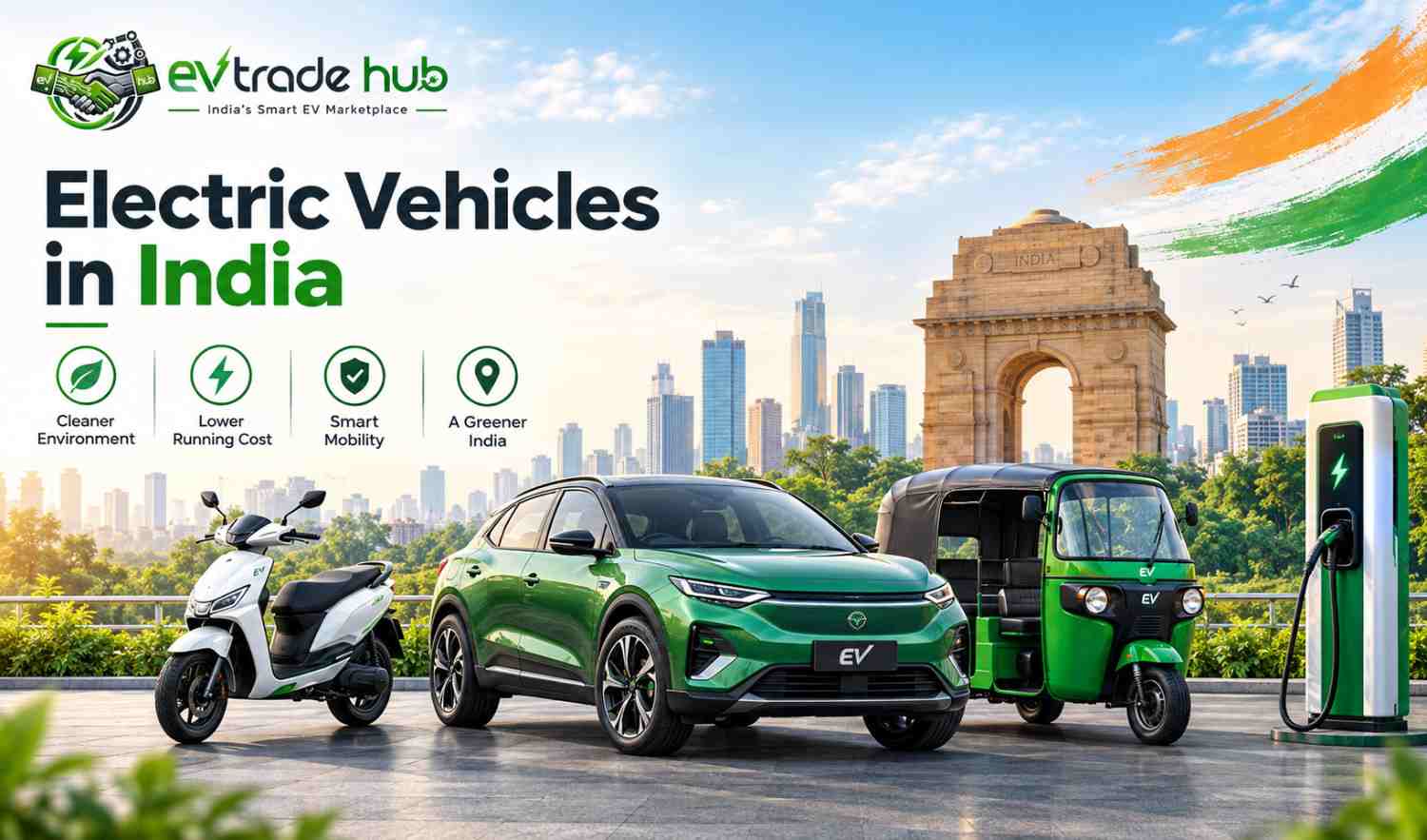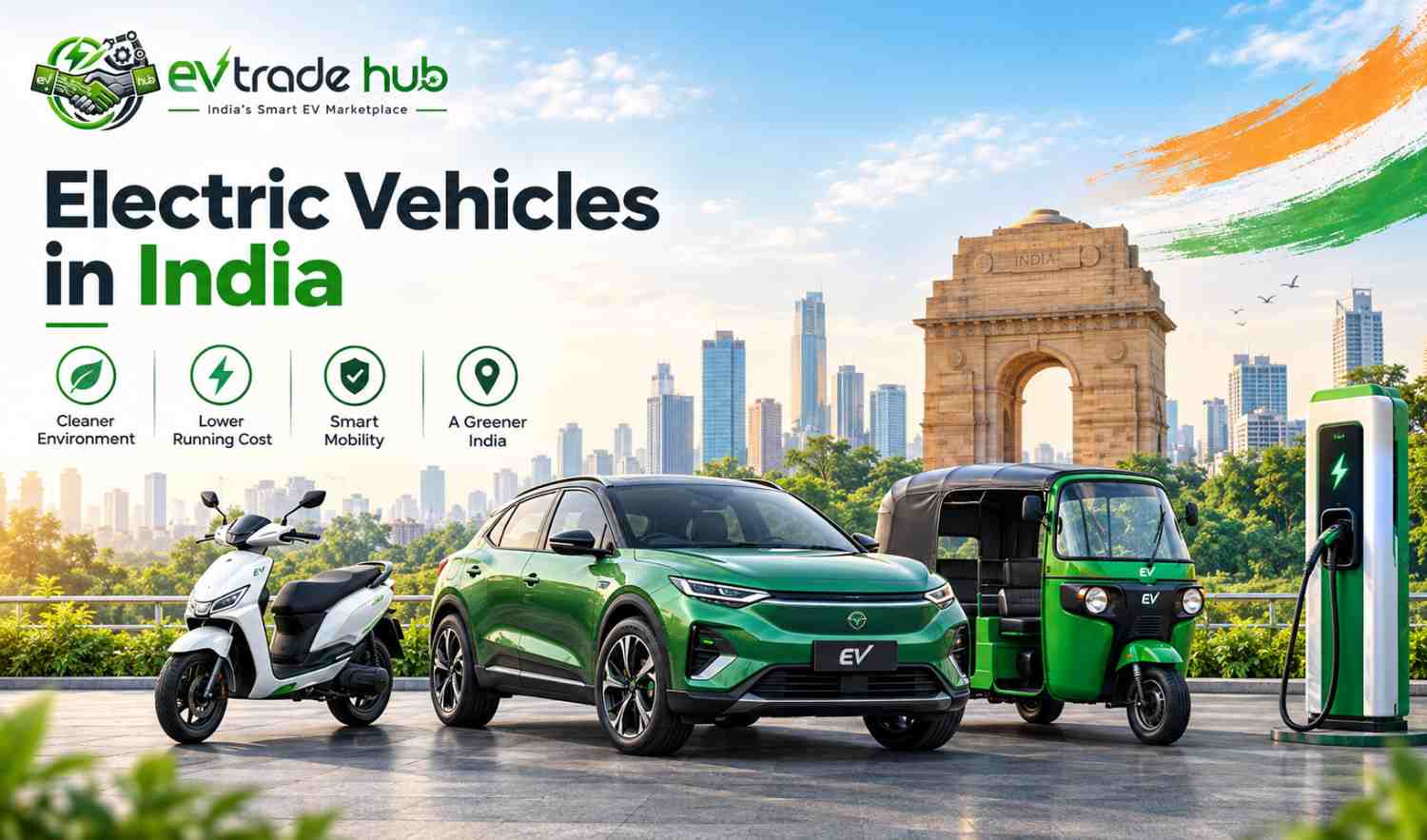
EV battery dealers play an important role in the electric mobility ecosystem by supplying batteries for electric scooters, electric bikes, E Rickshaws, electric loaders, passenger cars, commercial vehicles and other electric applications. The battery is one of the most important components of an electric vehicle because it stores and supplies the electrical energy required to operate the motor and other systems.
The right EV battery can have a major impact on vehicle range, performance, charging requirements and overall operating cost. For this reason, customers should not select a battery only on the basis of price. Battery chemistry, voltage, capacity, BMS, charger compatibility, warranty and vehicle requirements should all be considered before making a purchase.
A good EV battery dealer can help customers understand these specifications and select a battery that is suitable for their vehicle and daily usage.
EV battery dealers may offer different battery technologies depending on the vehicle category and customer requirements. The most common battery types include lithium-ion, LiFePO4 and lead-acid batteries.
Each battery technology has different characteristics related to weight, energy density, charging, cycle life, maintenance and initial cost. Customers should select the technology based on the vehicle and intended application rather than choosing only the newest or cheapest option.
Lithium-ion batteries are widely used in modern electric vehicles because they can provide relatively high energy density with lower weight compared with traditional lead-acid batteries.
They can be used in electric scooters, electric bikes, commercial EVs and other applications. The actual performance of a lithium battery depends on its chemistry, cell quality, capacity, BMS and overall battery-pack design.
When purchasing a lithium-ion battery, customers should verify voltage, capacity, BMS, charger compatibility and physical dimensions before installation.
LiFePO4, or lithium iron phosphate, is another important battery chemistry used in electric mobility applications. It is often selected for applications where durability, safety characteristics and long cycle life are important considerations.
LiFePO4 batteries can be used in different electric vehicles depending on the required voltage, capacity and battery-pack configuration. A dealer should provide clear information about compatibility and charging requirements before recommending a LiFePO4 battery.
Lead-acid batteries remain relevant in certain electric vehicle applications because they generally have a lower initial purchase cost compared with many lithium-based alternatives.
They are used in some E Rickshaws and other electric applications. However, they are generally heavier and may require more maintenance than modern lithium-based battery systems.
Customers considering lead-acid batteries should compare battery capacity, expected usage, charging requirements, maintenance needs and overall ownership cost.
Voltage and capacity are two of the most important specifications when selecting an EV battery. The battery voltage must be compatible with the vehicle's electrical system, motor controller and charger.
Battery capacity is commonly expressed in Ah or, depending on the specification, energy may also be discussed in kWh. Higher capacity can provide more stored energy, but actual vehicle range also depends on vehicle weight, speed, load, road conditions, motor efficiency and driving habits.
Customers should therefore avoid assuming that a higher capacity battery will automatically provide a proportionally higher range.
The Battery Management System, commonly known as BMS, is an important part of many modern lithium-based EV battery packs. It monitors and manages battery operation and can provide protection against certain electrical conditions.
A suitable BMS should be compatible with the battery pack and vehicle requirements. Customers should ask the dealer about BMS specifications, protection features and compatibility before purchasing a battery.
Battery compatibility is one of the most important factors when purchasing an EV battery. A battery should match the electrical requirements of the vehicle rather than being selected only because it fits physically.
Important compatibility factors include:
If the battery is not compatible with the vehicle's electrical system, it can lead to performance issues or improper charging. Professional guidance should be taken when the correct specification is unclear.
A reliable battery dealer may provide installation guidance or connect customers with technicians who can install the battery correctly. Proper installation is important because incorrect wiring, loose connections or unsuitable charging equipment can affect battery performance and reliability.
Customers should make sure that the battery is securely installed and that electrical connections are properly checked before using the vehicle.
Charging requirements vary depending on battery chemistry, voltage and capacity. Customers should use a charger that is appropriate for the battery and follow the manufacturer's recommended charging practices.
Using an incompatible charger can create charging problems and may affect battery performance or service life. EV battery dealers should therefore explain charger compatibility when selling replacement batteries.
Warranty is an important factor when purchasing an EV battery. Customers should understand the warranty period, coverage conditions and claim process before buying.
Warranty terms may vary between manufacturers and battery technologies. Some warranties may have specific conditions related to usage, charging, installation or other factors.
A reliable dealer should clearly explain these conditions and provide appropriate documentation where applicable.
EV batteries eventually require replacement depending on battery chemistry, usage, charging habits, operating conditions and overall battery quality. When replacing a battery, customers should compare the original battery specifications with the replacement option.
The replacement battery should provide appropriate compatibility with the vehicle's motor, controller and charger. Changing battery chemistry may also require checking whether the existing electrical system and charging equipment support the new battery type.
EV batteries are used across a wide range of electric mobility applications.
Battery requirements can vary significantly between these applications. A battery suitable for a lightweight electric scooter may not be appropriate for a commercial electric loader or passenger vehicle.
Customers and businesses should evaluate the dealer carefully before purchasing a battery. Important factors include product quality, technical knowledge, warranty support and availability of replacement products.
Commercial EV users often depend heavily on battery performance because their vehicles may operate for several hours every day. E Rickshaws, electric loaders and other commercial vehicles may require batteries capable of supporting regular usage and repeated charging.
Commercial users should consider daily distance, vehicle load, charging availability, battery replacement cost and expected operating hours when selecting a battery.
Choosing an EV battery only because it has a low price can create problems later. Customers should focus on compatibility, quality and total ownership cost.
A good EV battery dealer can provide more value than simply supplying the battery. Technical guidance, installation assistance, charging information, warranty coordination and replacement support can make battery ownership easier for customers.
For businesses such as EV workshops, dealerships and fleet operators, reliable dealer relationships can also help maintain regular battery inventory and reduce vehicle downtime.
EV battery dealers are an important part of the electric mobility ecosystem. They provide battery solutions for electric scooters, bikes, E Rickshaws, electric loaders, cars, commercial vehicles and other applications.
Customers should carefully compare lithium-ion, LiFePO4 and lead-acid battery options according to their vehicle, daily usage, charging requirements and budget. Voltage, capacity, BMS, compatibility, warranty and installation quality should all be considered before purchasing an EV battery.
A reliable EV battery dealer can provide not only the right battery but also useful technical guidance, installation support, warranty assistance and replacement service. As electric vehicle adoption continues to grow, professional battery dealers will remain an important part of India's expanding EV ecosystem.