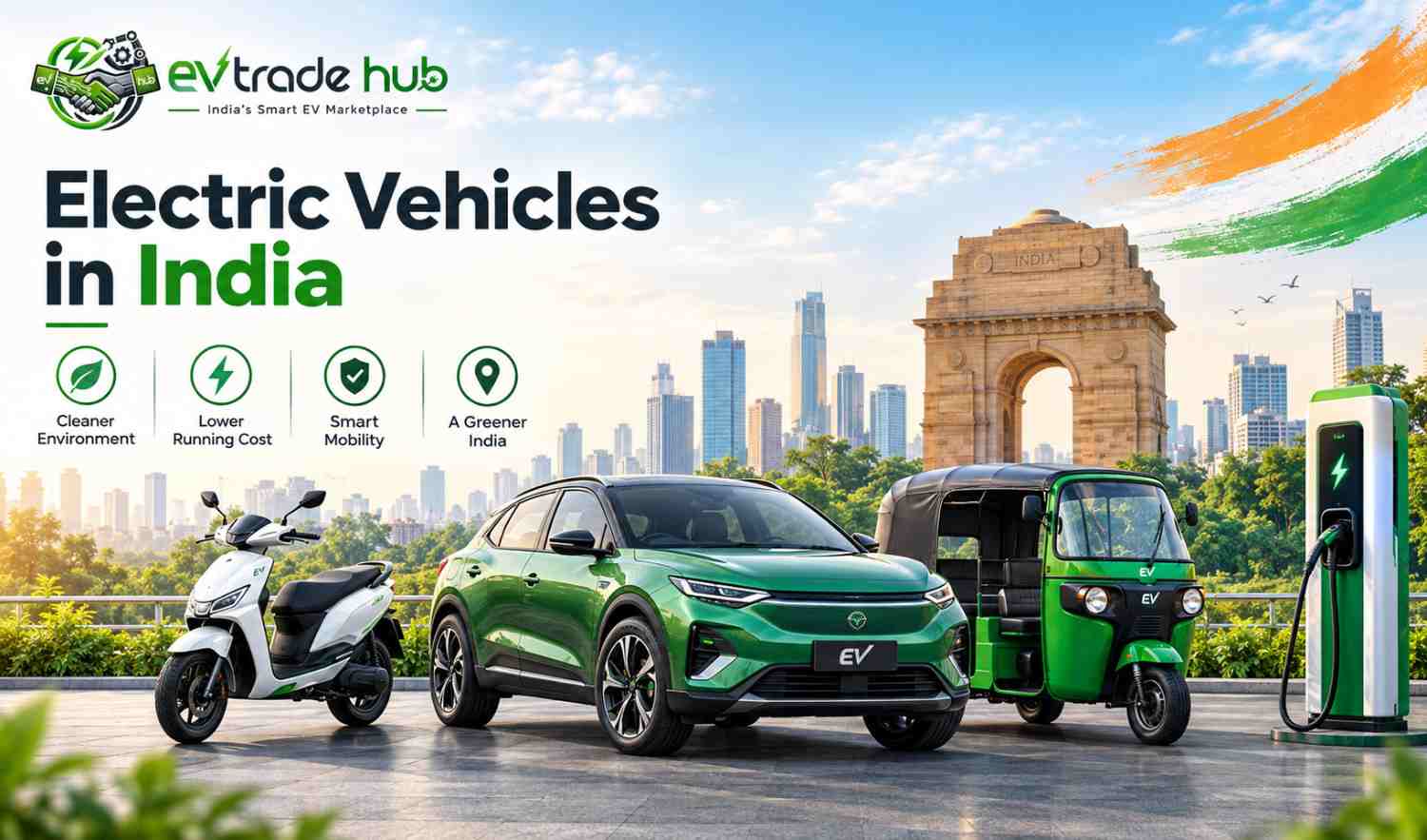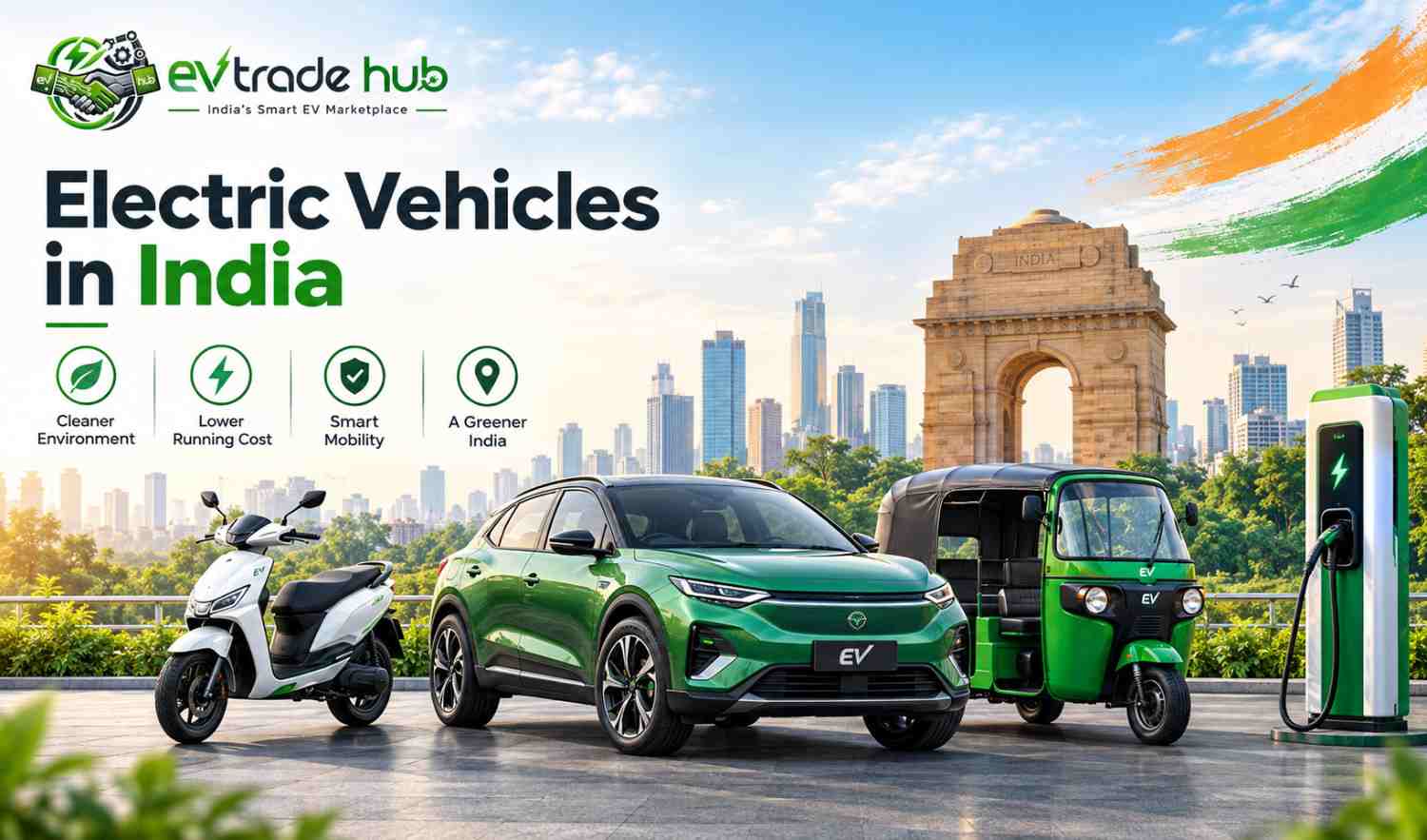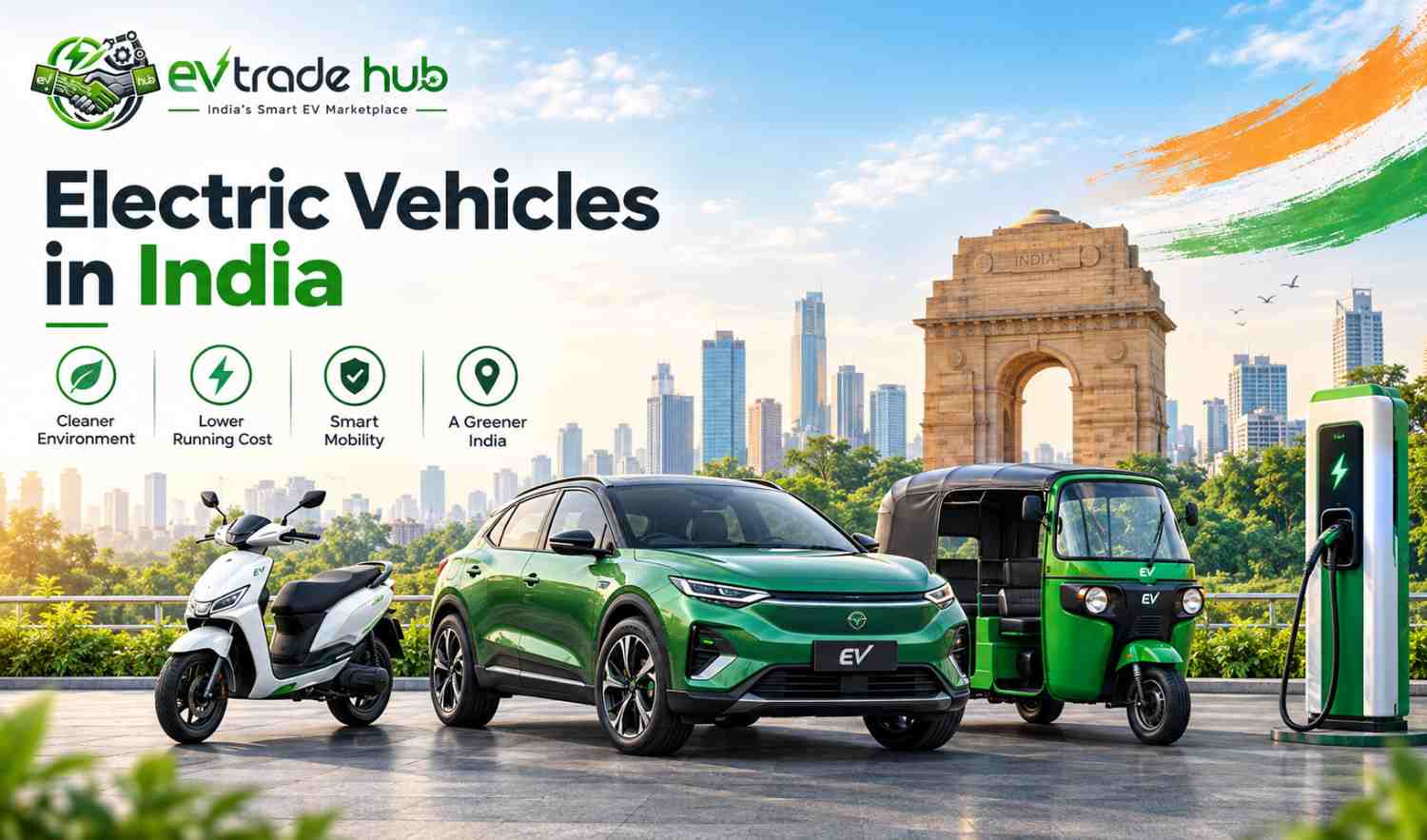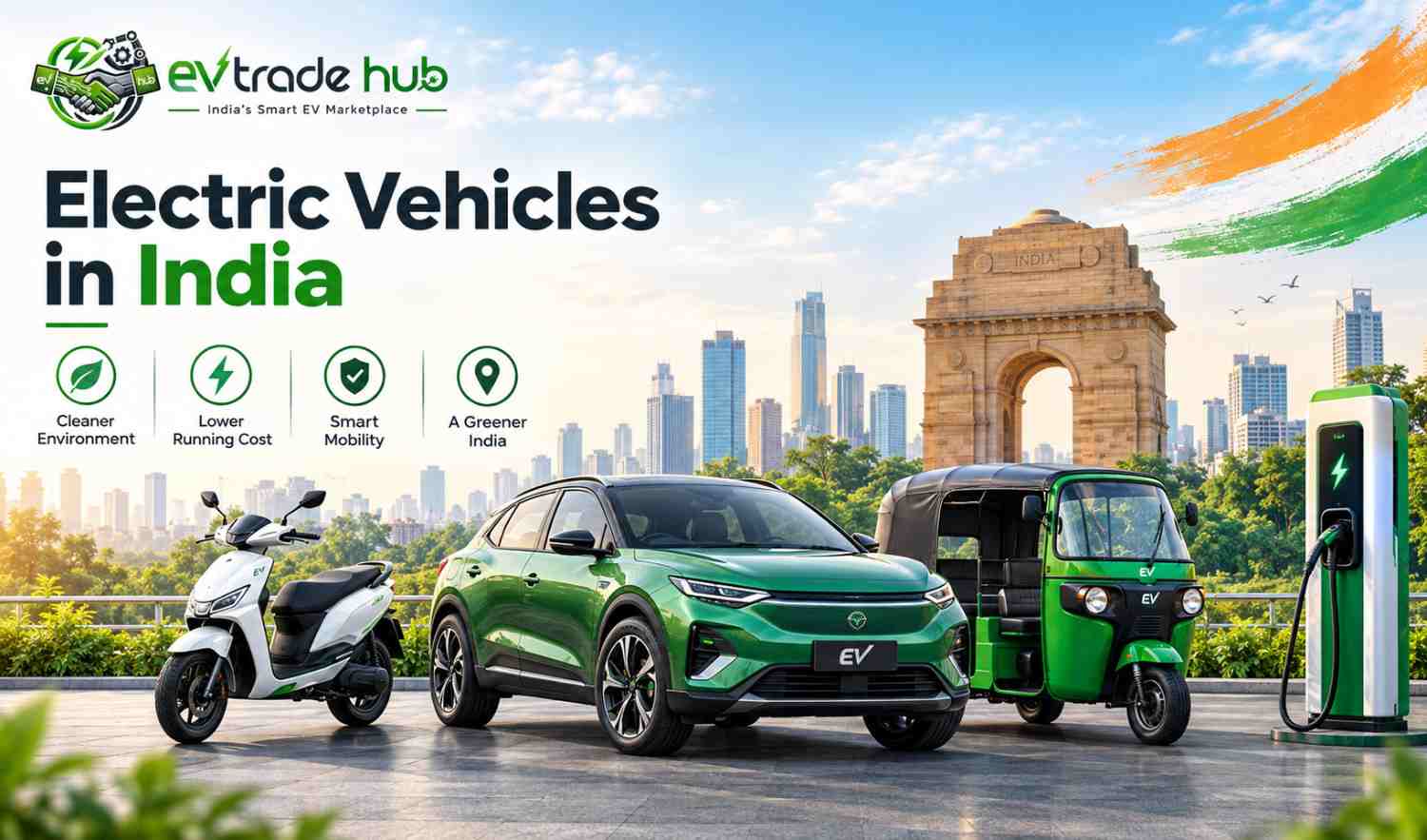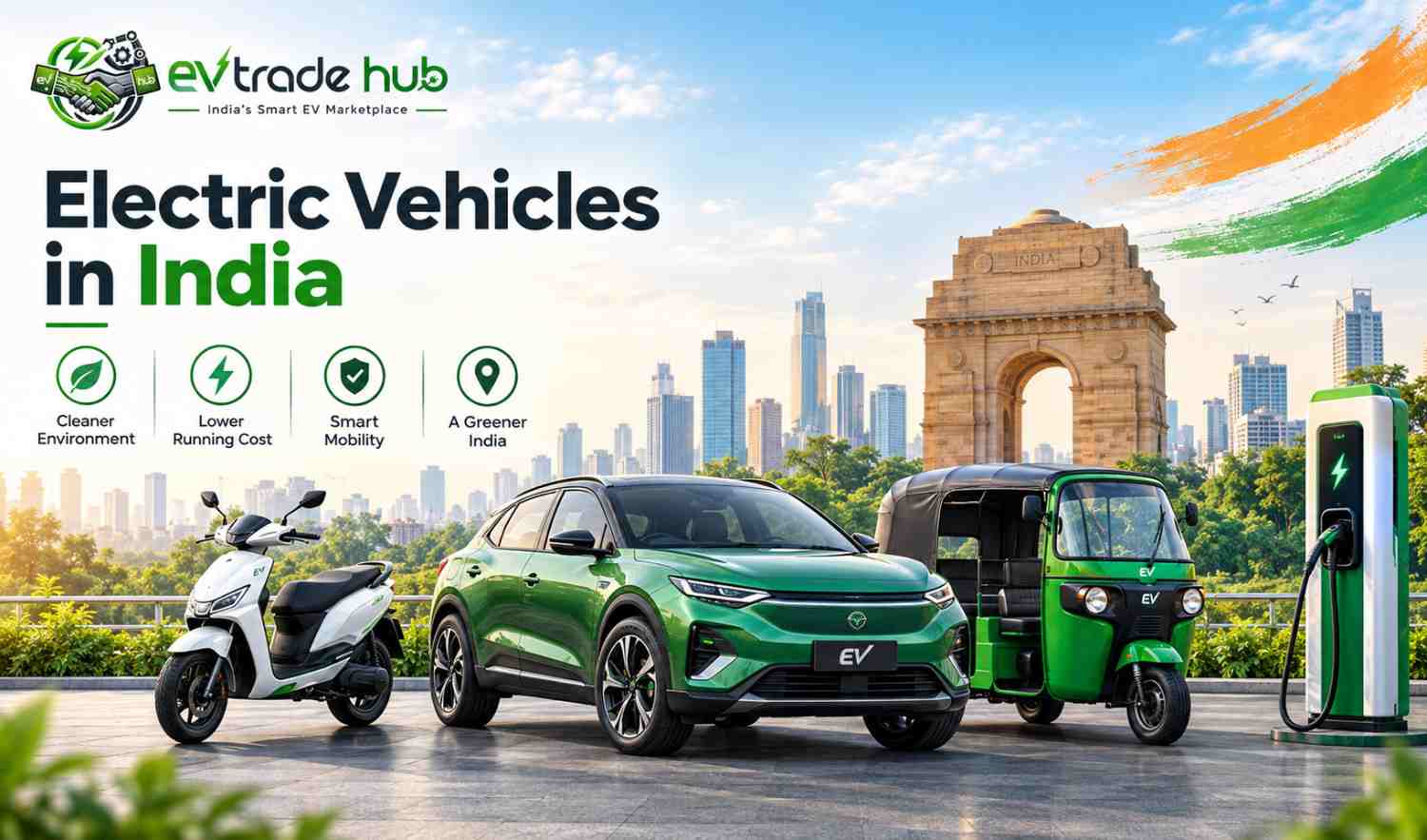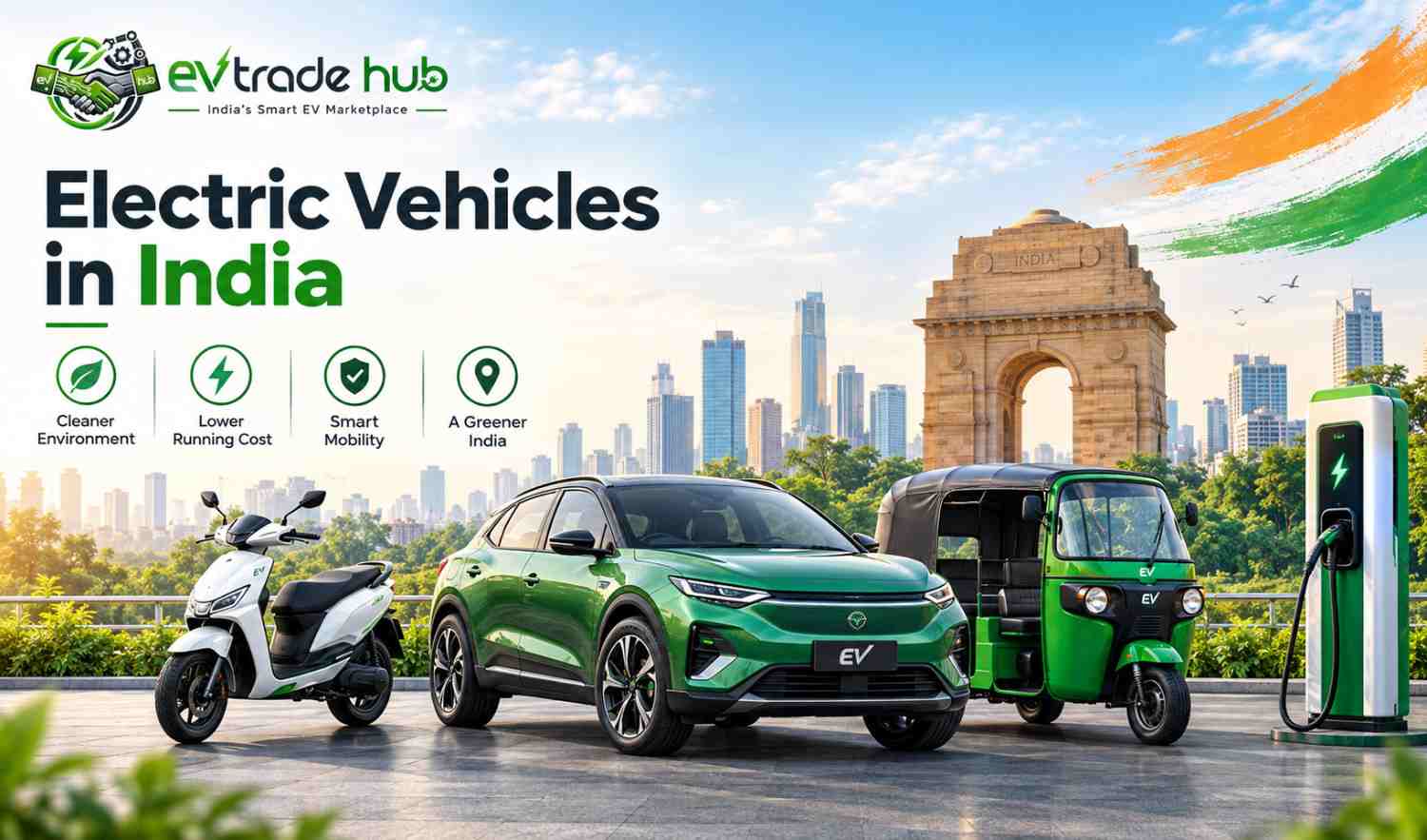
EV manufacturers in India are playing an important role in the growth of electric mobility. These manufacturers design, develop, assemble and produce electric vehicles for personal transportation, passenger mobility, commercial transportation, cargo movement and other applications. The Indian EV manufacturing ecosystem includes electric scooters, electric bikes, E Rickshaws, electric loaders, electric cars, buses, utility vehicles and other commercial electric vehicles.
Along with complete vehicles, many manufacturers and specialized companies are also involved in the production or integration of batteries, motors, controllers, chargers, wiring systems, displays and other electric vehicle components. As businesses and consumers increasingly look for efficient and practical transportation solutions, the role of reliable EV manufacturers continues to become more important.
EV manufacturers can be categorized according to the type of vehicle or components they produce. Different manufacturers focus on different customer segments and applications.
Some companies focus on a single vehicle category, while others offer multiple products across passenger and commercial segments. Dealers and distributors should therefore identify the exact category they want to enter before selecting a manufacturing partner.
Electric scooters and electric bikes are among the most visible categories in the EV market. Manufacturers in this segment focus on factors such as battery range, motor performance, charging time, riding comfort, safety and overall vehicle design.
Electric two-wheelers are commonly used for daily commuting, delivery services, short-distance transportation and personal mobility. Manufacturers may offer different battery capacities and feature combinations depending on the intended use of the vehicle.
E Rickshaw manufacturers produce electric three-wheelers designed mainly for passenger transportation. These vehicles are widely used for short-distance mobility and can also operate as an important commercial transportation option.
Electric three-wheeler manufacturers may also produce electric loaders and cargo vehicles for transporting goods. When evaluating these manufacturers, businesses should pay attention to chassis strength, motor performance, battery configuration, load capacity, suspension, braking system and availability of replacement parts.
Commercial EV manufacturers develop vehicles for applications such as goods delivery, logistics, local transportation, warehouse operations and other business activities. Electric loaders and utility vehicles can be useful where vehicles operate regularly over short or medium distances.
For commercial applications, vehicle durability and operating cost are particularly important. Businesses should evaluate payload capacity, battery range, charging requirements, service support and expected maintenance requirements before selecting a commercial EV.
Electric vehicle manufacturing involves several stages. The exact process can vary depending on the vehicle category, manufacturing technology and design.
The manufacturing process generally begins with vehicle design and engineering. Manufacturers define the vehicle's dimensions, chassis, battery location, motor configuration, suspension, braking system and electrical architecture according to the intended application.
The chassis provides the structural foundation of the vehicle. Manufacturers design the frame to support the battery, motor, passengers or cargo and other components. Body panels and other structural components are then integrated according to the vehicle design.
The electric motor converts electrical energy from the battery into mechanical movement. Manufacturers select the motor according to factors such as vehicle weight, required performance, operating conditions and intended usage.
The battery pack is one of the most important components of an electric vehicle. It stores the electrical energy required to operate the motor and other systems. Battery installation requires appropriate electrical connections, mounting, protection and compatibility with the vehicle's charging system.
The motor controller manages electrical power supplied to the motor. It plays an important role in acceleration, speed control and overall power delivery. The battery, motor and controller must be compatible with each other for reliable vehicle operation.
Modern electric vehicles can include displays, sensors, communication systems, lighting, charging systems and other electronic components. Manufacturers integrate these systems and verify that the electrical architecture works correctly.
Before vehicles are delivered to dealers or customers, manufacturers may perform inspections and tests covering electrical systems, braking, suspension, charging, motor operation, battery installation, wiring and overall vehicle performance.
The battery, motor and controller form the core of an electric vehicle's powertrain. The performance of these components directly affects range, acceleration, efficiency and driving experience.
Common EV battery technologies include lithium-ion, LiFePO4 and lead-acid systems, depending on the vehicle category and application. Manufacturers select battery technology based on factors such as cost, weight, energy requirements, expected usage and vehicle design.
Battery capacity is also important because it affects the amount of energy available for driving. However, actual range depends on several factors including vehicle weight, load, driving conditions, speed, road conditions, tyre pressure and battery condition.
Electric motors are responsible for converting electrical energy into mechanical power. Different vehicles may use different motor configurations depending on their performance requirements.
The controller regulates power between the battery and motor. A properly matched motor and controller can contribute to smoother acceleration and efficient power delivery.
Manufacturers should ensure that the voltage, current requirements and operating characteristics of the motor, controller and battery are compatible.
Quality control is extremely important in EV manufacturing because electric vehicles combine mechanical and electrical systems. Poor-quality wiring, batteries, connectors or other components can affect vehicle reliability and safety.
Important quality areas may include:
Businesses may work directly with EV manufacturers through dealership, distribution, OEM or private-label arrangements. OEM partnerships can be useful for businesses that want vehicles manufactured according to specific requirements or branding arrangements.
Before entering into such an agreement, businesses should clearly discuss product specifications, minimum order quantities, pricing, delivery schedules, warranty responsibilities, branding requirements and technical support.
Dealers, distributors and businesses should evaluate an EV manufacturer carefully before placing large orders. A manufacturer offering a low purchase price may not always provide the best long-term value.
Important factors include:
After-sales service is one of the most important factors when selecting an EV manufacturer. Electric vehicles may require technical support for batteries, controllers, chargers, motors and other electrical components.
Dealers should understand the manufacturer's warranty policy, claim process, replacement procedure and availability of service support before starting a business relationship.
A strong after-sales network can help dealers resolve customer complaints faster and improve overall customer satisfaction.
Spare parts availability is important for the long-term operation of electric vehicles. Even a reliable vehicle may require replacement parts because of regular wear and tear or accidental damage.
Manufacturers should ideally provide access to commonly required parts such as controllers, chargers, electrical components, brake parts, tyres, switches, lights and model-specific components.
Dealers and distributors should select manufacturers that can support their expected sales volume. They should also understand territory policies, dealer margins, inventory requirements, promotional support and warranty responsibilities.
Training can also be valuable. Manufacturers that provide product knowledge and technical training can help dealer staff explain battery technology, vehicle features, charging requirements and maintenance practices to customers.
Businesses sometimes focus only on the purchase price when selecting a manufacturer. This can create difficulties later if the manufacturer does not provide adequate service or spare parts.
The EV manufacturing sector is expected to continue developing as electric mobility becomes more relevant across personal and commercial transportation. Improvements in battery technology, power electronics, motors, charging systems and vehicle software can contribute to better electric vehicles.
Manufacturers are also focusing on improving vehicle efficiency, reducing operating costs and developing products for specific commercial applications. This can create opportunities for dealers, distributors, component suppliers, battery businesses and EV service providers.
EV manufacturers are central to the development of electric mobility in India. They design and produce electric scooters, bikes, E Rickshaws, loaders, cars, buses, commercial vehicles and other electric mobility solutions. They also contribute to the development and integration of batteries, motors, controllers, chargers and other important EV components.
For dealers, distributors and businesses, selecting the right EV manufacturer requires careful evaluation of product quality, manufacturing capability, battery and powertrain technology, warranty, service network, spare parts availability and long-term support.
A reliable manufacturing partner can help businesses maintain product quality, provide better customer support and build a sustainable EV business. As the electric mobility ecosystem continues to grow, manufacturers with strong products, dependable technology and effective after-sales support can play an important role in India's transition toward electric transportation.