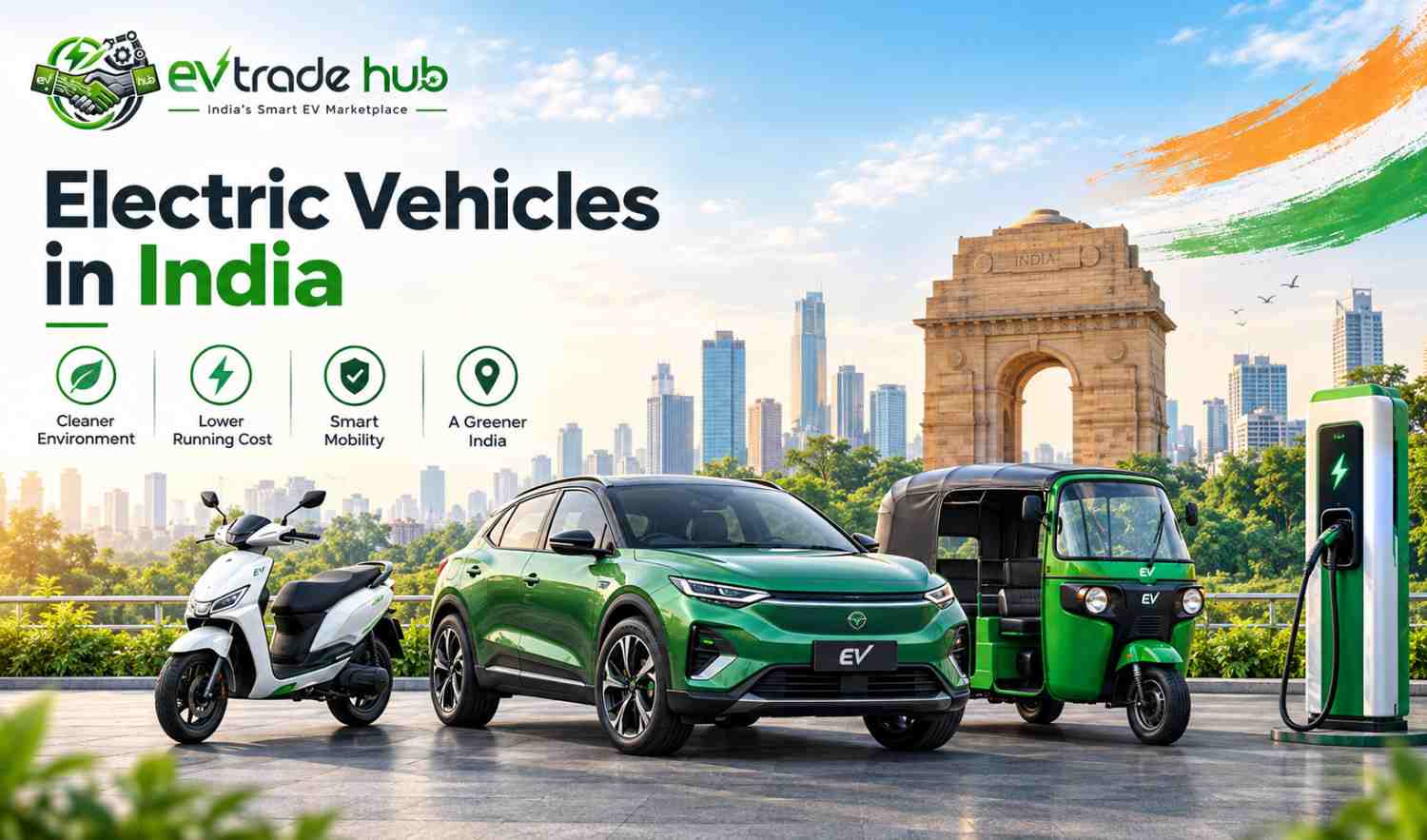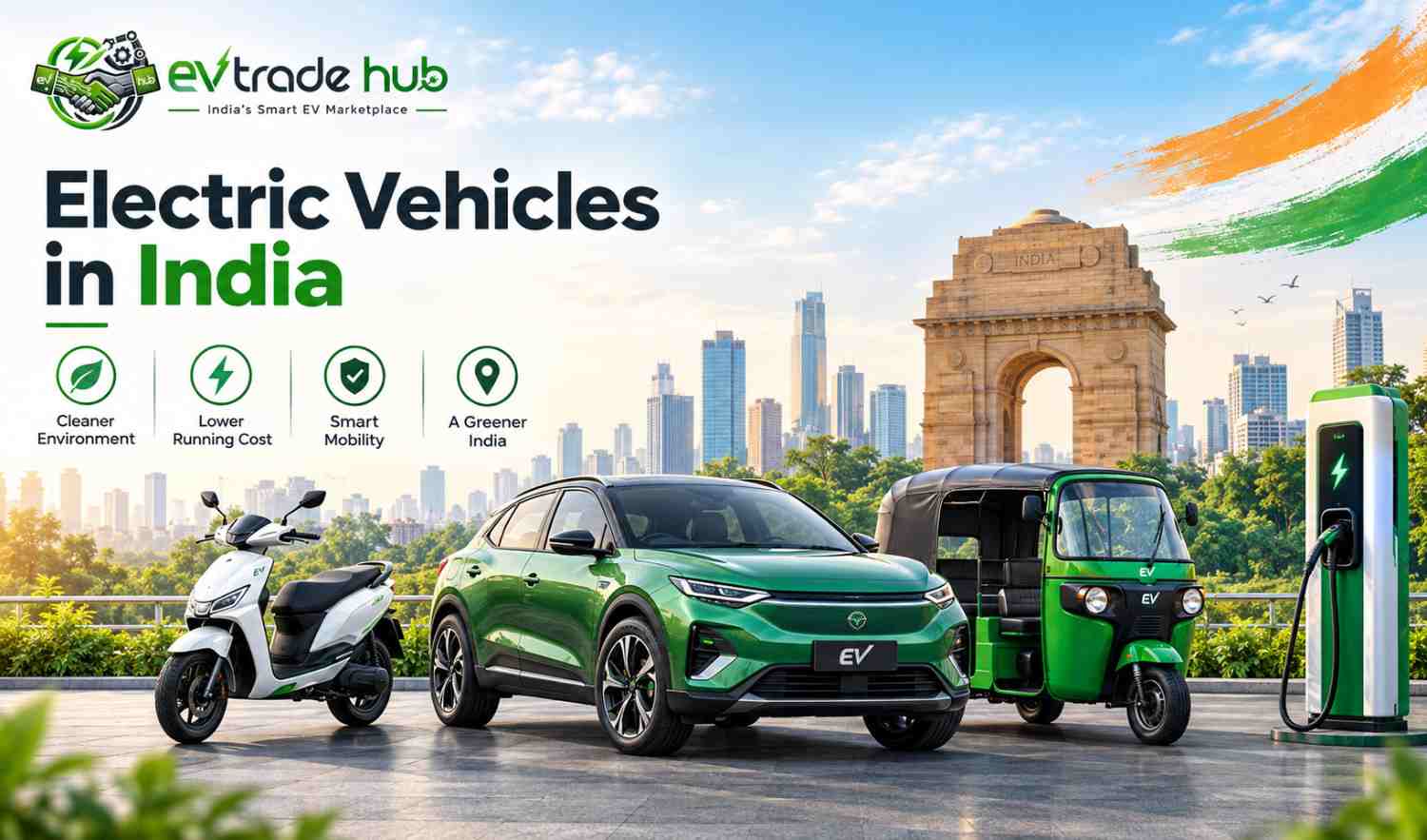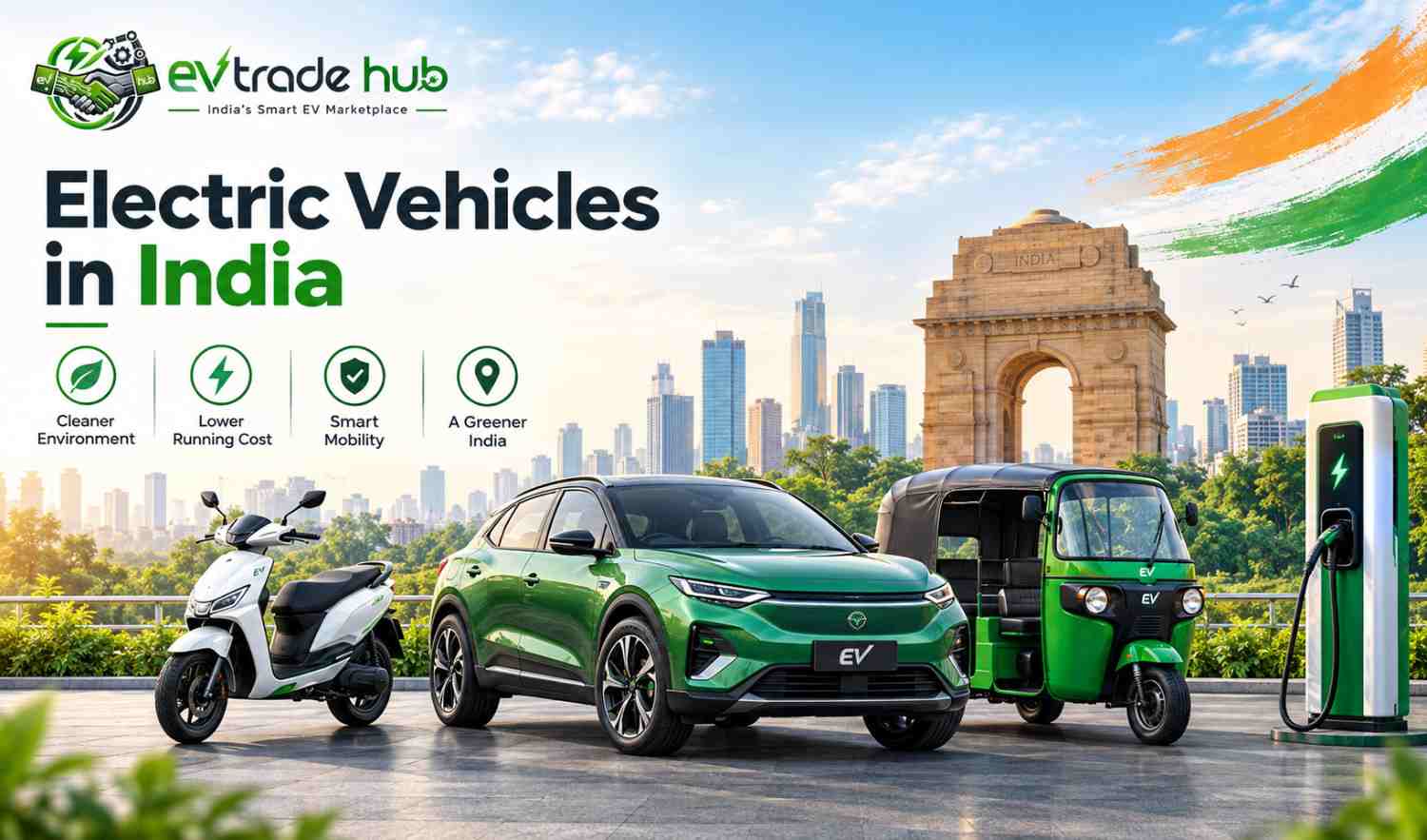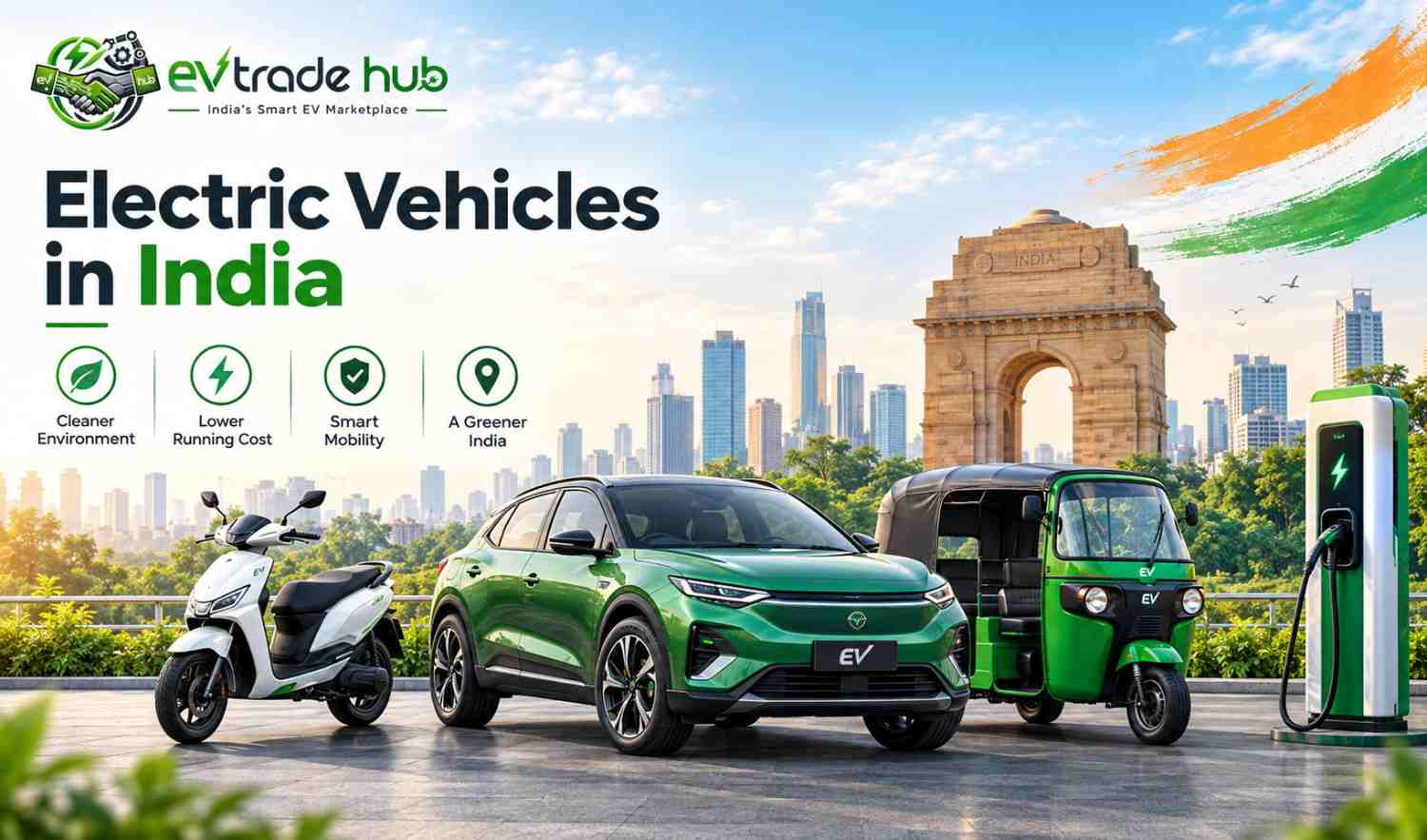
E rickshaws have become a familiar part of local transportation across many cities, towns, and markets in India. These battery-powered three-wheelers are primarily designed for passenger transportation and short-distance travel. Their compact size, electric powertrain, and practical seating arrangement make them suitable for last-mile connectivity and everyday local commuting.
The growing use of e rickshaws is connected with the demand for affordable and convenient transportation. They can help passengers travel between railway stations, bus stops, markets, residential areas, schools, offices, hospitals, and other nearby destinations.
E rickshaws are also an important commercial vehicle category for drivers and small transportation operators. The suitability of an e rickshaw depends on factors such as passenger demand, route distance, battery capacity, charging availability, road conditions, maintenance, and local operating requirements.
An e rickshaw is an electric three-wheeled passenger vehicle powered by a rechargeable battery and electric motor. Unlike conventional auto rickshaws that use petrol, diesel, or other fuel-based powertrains, e rickshaws use stored electrical energy to operate the motor.
The basic components generally include a battery pack, electric motor, motor controller, charger, chassis, suspension, steering system, braking system, tyres, passenger seating, and electrical wiring.
Different manufacturers offer e rickshaws with different battery capacities, motor specifications, body designs, seating arrangements, and features. Buyers should therefore compare the complete vehicle specification before making a purchase.
An e rickshaw works by using electrical energy stored inside its rechargeable battery. When the driver operates the accelerator, the motor controller regulates the amount of electrical power delivered to the electric motor.
The motor converts this electrical energy into mechanical movement, which turns the wheels and moves the vehicle forward. When the battery reaches a low charge level, it needs to be connected to a compatible charger.
The charging process depends on battery chemistry, battery capacity, charger output, battery condition, and vehicle design. Following the recommended charging procedure can help maintain battery performance and reliability.
Understanding the major components can help buyers and drivers make better decisions about vehicle selection and maintenance.
E rickshaws operate using electricity stored in a rechargeable battery. This eliminates the need for petrol or diesel during normal operation and allows drivers to plan energy use around their charging schedule.
The compact design of an e rickshaw can make it suitable for short-distance transportation in cities and towns. It can operate through local markets, residential streets, and other areas where larger vehicles may be less convenient.
Depending on electricity rates, daily distance, battery efficiency, and maintenance requirements, electric operation may provide a different cost structure compared with conventional fuel-powered three-wheelers.
However, users should calculate the complete ownership cost, including electricity, maintenance, battery replacement, insurance, financing, tyres, and other expenses.
E rickshaws can connect passengers between major transportation points and nearby destinations. This makes them useful for short-distance commuting and feeder-type transportation routes.
The battery is one of the most important components of an e rickshaw. Battery capacity influences the amount of energy available for driving, while battery technology can influence weight, charging behaviour, maintenance, and service life.
Lead-acid batteries have traditionally been used in many electric three-wheelers because of their relatively simple technology and initial cost. Lithium-based batteries are also increasingly considered because they can offer lower weight and potentially longer service life depending on the battery chemistry and design.
LiFePO4 batteries are another lithium-based option that may be suitable for commercial electric mobility applications. Buyers should compare battery chemistry, capacity, voltage, BMS, charging requirements, warranty, and expected operating conditions.
Driving range is an important factor for commercial drivers. However, the actual range of an e rickshaw can vary significantly depending on operating conditions.
Because of these factors, buyers should not depend only on the claimed range provided in promotional material. Practical range should be evaluated according to the vehicle's expected daily operating conditions.
Charging is a major part of e rickshaw ownership. Drivers should have access to a safe and suitable charging location that fits their daily operating schedule.
Charging time depends on battery capacity, charger specifications, battery condition, and charging technology. Drivers who operate throughout the day may need to plan charging during overnight or other available downtime.
The charger should always be compatible with the vehicle battery. Using an unsuitable charger can affect battery performance and may create safety or reliability issues.
E rickshaws are widely considered for commercial passenger transportation because they can be used for regular short-distance routes. Drivers can operate them around markets, residential areas, transport hubs, educational institutions, commercial locations, and other areas with suitable passenger demand.
Before purchasing an e rickshaw for commercial use, drivers should estimate their expected daily distance and passenger demand. Electricity costs, maintenance, battery replacement, insurance, financing, and other expenses should be considered when calculating potential income and profitability.
Route planning can also influence vehicle performance. A route with heavy traffic, frequent stops, slopes, or poor road conditions can result in different energy consumption compared with a relatively smooth route.
Passenger comfort is an important consideration for an e rickshaw used for regular commercial transportation. Buyers should evaluate seating space, roof design, ventilation, suspension, entry and exit space, and overall cabin layout.
The braking system, tyres, steering, lights, indicators, mirrors, and other safety-related components should also be checked carefully.
A proper test drive can help identify issues related to stability, braking, steering response, suspension, acceleration, and passenger comfort before purchasing.
Regular maintenance is important for keeping an e rickshaw reliable. Although the electric powertrain may have fewer mechanical components than a conventional engine-powered vehicle, several components still require periodic inspection.
Battery condition, electrical connections, charger, motor, controller, tyres, brakes, suspension, steering, lights, and wiring should be checked regularly.
Tyre pressure should be maintained according to the recommended specifications. Brake components should also be inspected periodically because reliable braking is essential for passenger transportation.
Service availability can have a major impact on commercial e rickshaw ownership. A vehicle that remains unavailable for several days because of a technical issue can affect a driver's daily operations.
Before purchasing, buyers should check whether the manufacturer or dealer provides accessible service support. Availability of batteries, chargers, motors, controllers, tyres, brake components, suspension parts, and other spare parts should also be considered.
Warranty terms should be reviewed carefully, especially battery warranty and the conditions associated with warranty coverage.
Choosing the right e rickshaw requires more than comparing purchase prices. Buyers should consider their actual usage requirements and long-term ownership costs.
Buyers may consider both new and used e rickshaws depending on their budget. A new vehicle generally provides access to current specifications and manufacturer warranty, while a used vehicle may have a lower initial purchase cost.
When purchasing a used e rickshaw, battery condition should receive particular attention. Buyers should also inspect the motor, controller, chassis, suspension, tyres, brakes, electrical system, charging system, and overall vehicle condition.
The remaining battery life and availability of replacement parts should be considered before purchasing a used vehicle.
The demand for convenient and affordable local transportation is expected to remain important as Indian cities and towns continue to develop. E rickshaws can support this requirement by providing an electric option for short-distance passenger mobility.
Continued improvements in battery technology, charging infrastructure, electric motors, vehicle design, and fleet management systems may further improve the usability of electric three-wheelers.
For commercial drivers, better charging availability and battery technology can make route planning easier and help improve daily vehicle utilization.
E rickshaws have become an important part of India's local transportation ecosystem. Their compact design, electric powertrain, passenger-carrying capability, and suitability for short-distance routes make them useful for last-mile connectivity and everyday local mobility.
Before buying an e rickshaw, users should carefully evaluate battery technology, practical range, charging time, motor and controller, passenger capacity, comfort, braking, suspension, warranty, service network, spare parts, and total ownership cost.
EV Trade Hub provides an electric mobility platform where users and businesses can explore different EV categories, including e rickshaws, electric auto rickshaws, electric loaders, batteries, spare parts, dealers, distributors, and other electric mobility solutions. With continued development in electric mobility, e rickshaws can remain an important part of India's last-mile transportation network.