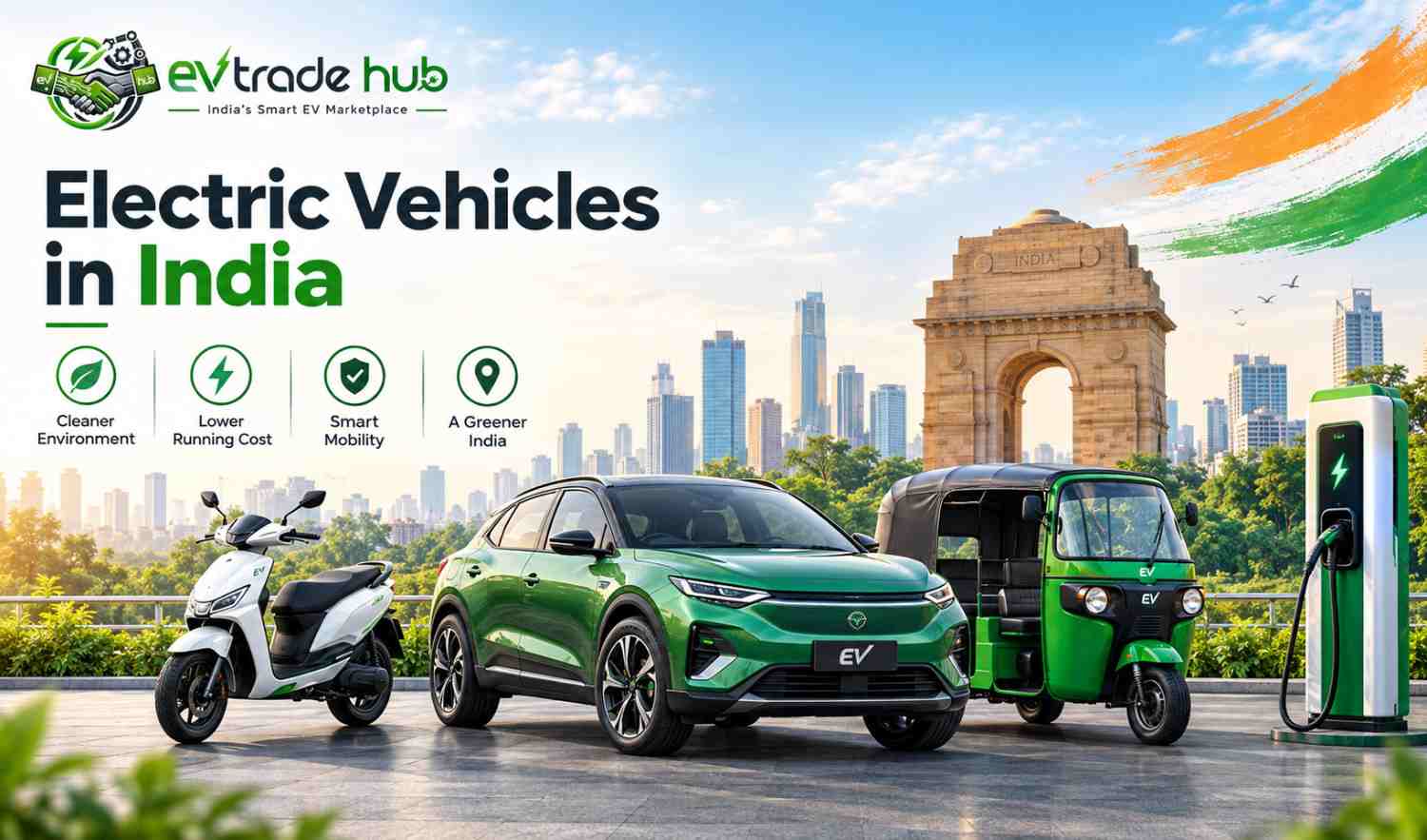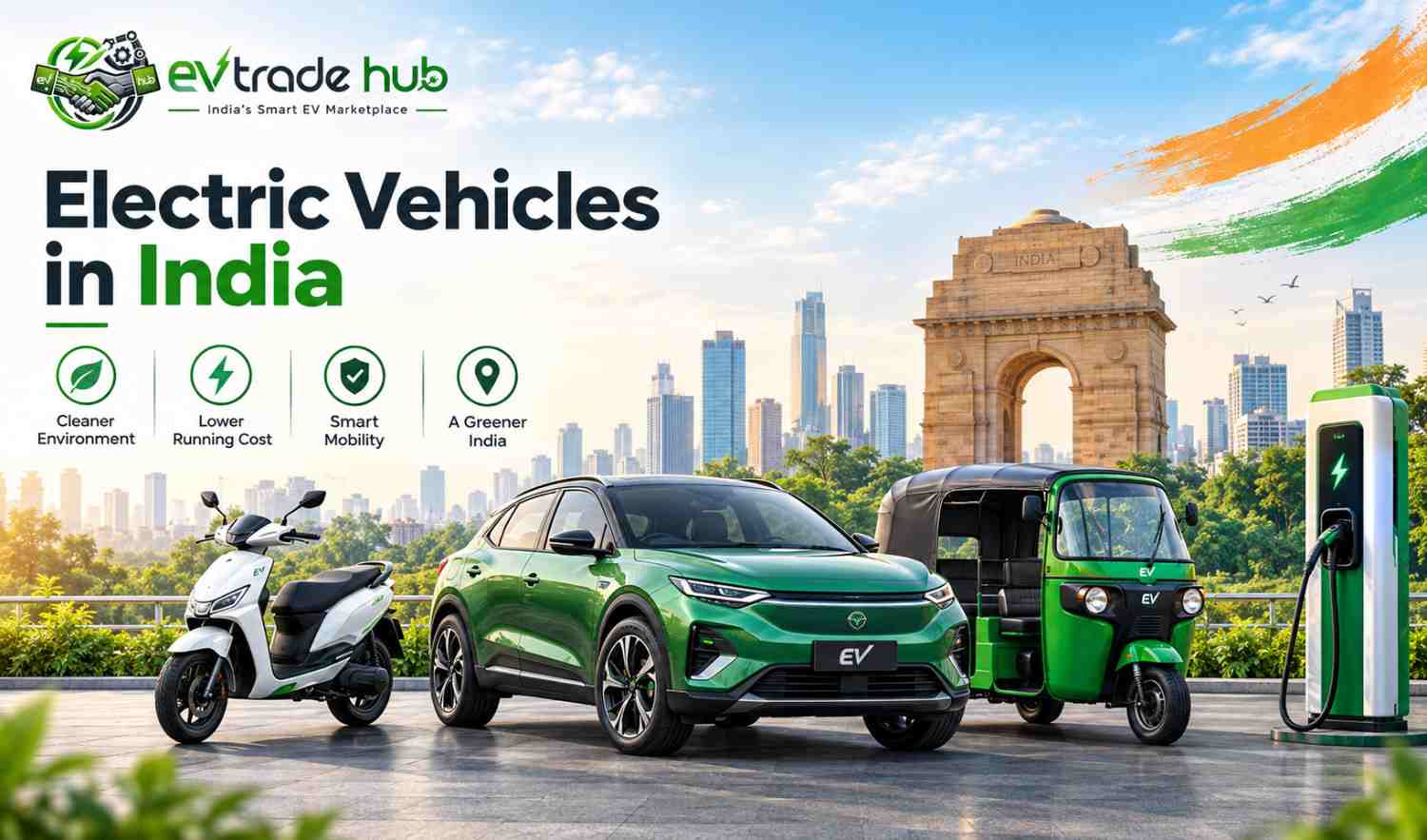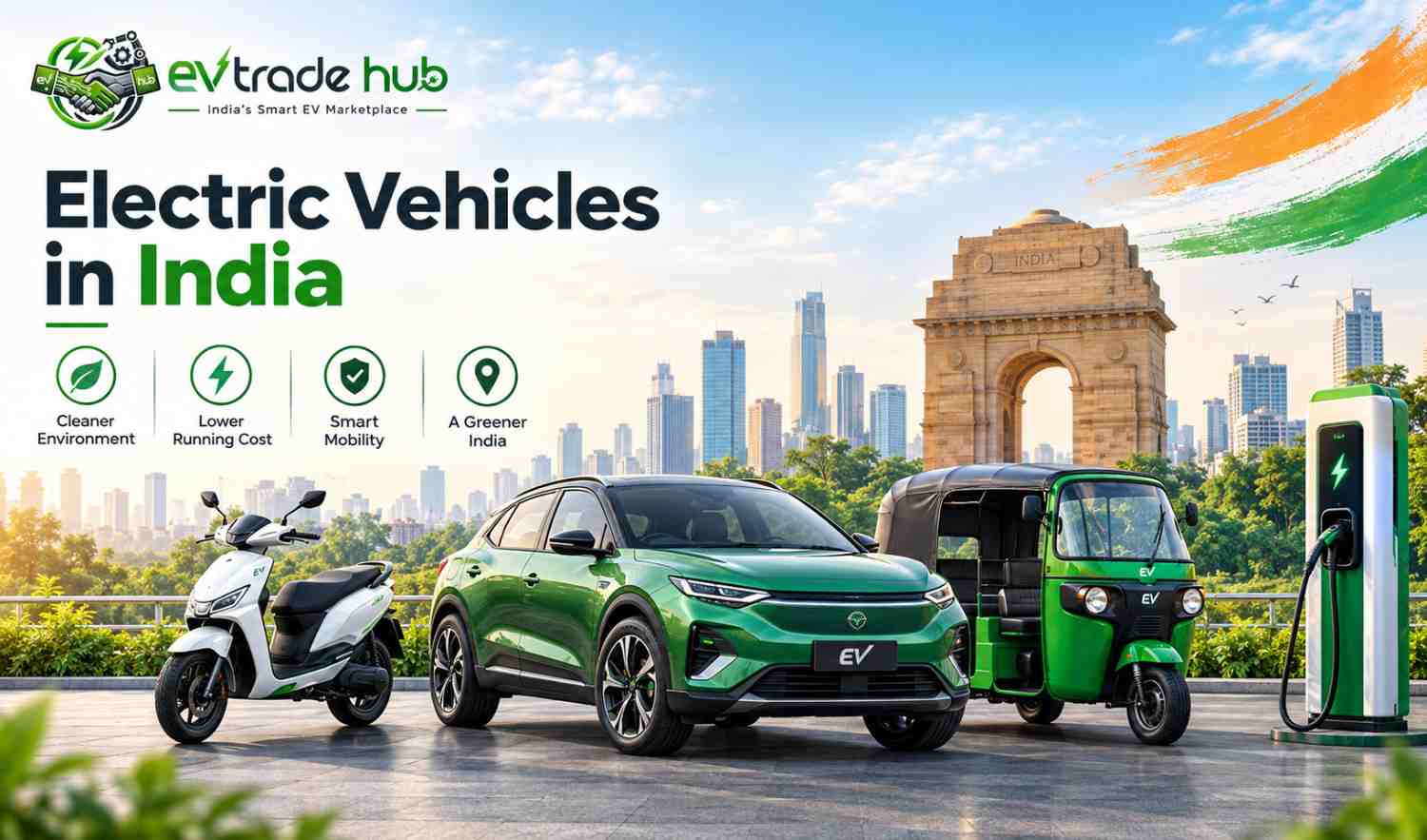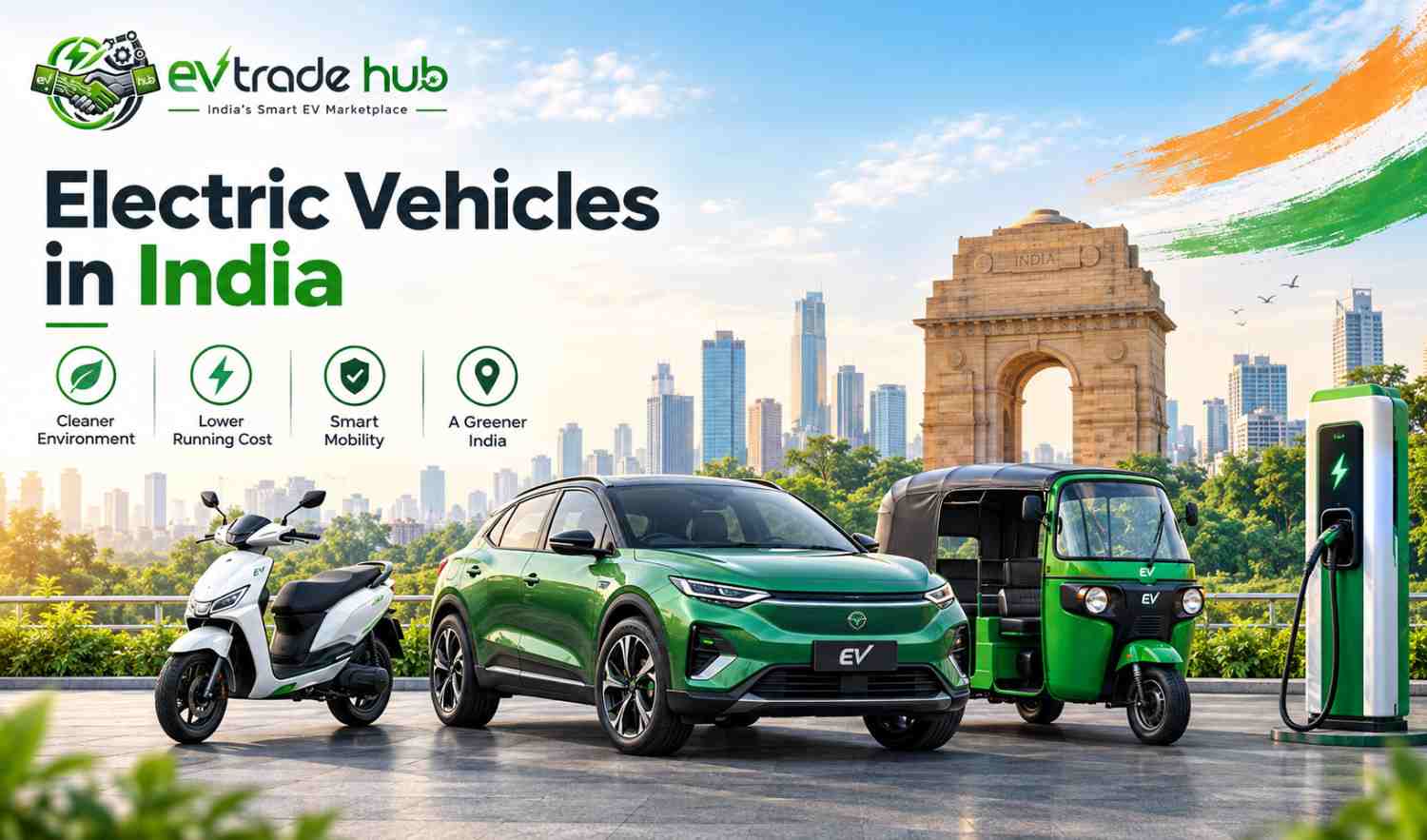
Starting an electric vehicle (EV) dealership can be a promising business opportunity as the demand for electric mobility continues to grow. Customers are increasingly looking for affordable, efficient and environmentally friendly transportation options, including electric scooters, electric bikes, e-rickshaws, electric auto-rickshaws, electric loaders and other commercial electric vehicles.
However, starting an EV dealership requires more than simply opening a showroom. A successful dealership needs careful brand selection, proper investment planning, a suitable location, trained staff, reliable service facilities and an effective marketing strategy. The following steps can help you understand how to start an EV dealership and build a sustainable business.
The first and one of the most important steps is choosing the right EV manufacturer or brand. The brand you select will directly influence your products, pricing, customer trust, warranty support and long-term business growth.
Before becoming a dealer, compare multiple EV manufacturers and evaluate their products and dealership policies.
Important factors to consider include:
Do not select a brand only because it offers a low initial investment. Manufacturer reputation, product reliability and after-sales support are equally important for long-term dealership success.
Before investing money, study the demand for electric vehicles in your target area. Different locations may have different requirements. For example, an urban area may have higher demand for electric scooters, while semi-urban and rural markets may have stronger demand for e-rickshaws and electric loaders.
Conduct basic market research to understand:
Talking directly with potential customers, local fleet operators, drivers and businesses can also provide valuable information before you finalize your dealership plan.
Location can have a major impact on showroom visibility and customer footfall. A dealership should ideally be located in an area that is easy to find and accessible to your target customers.
When selecting a location, consider the following:
A large and expensive showroom is not always necessary. A professionally designed, accessible and well-organized showroom can be more effective than a costly location with low customer demand.
Investment requirements vary depending on the EV brand, vehicle category, showroom size, location and inventory requirements. Therefore, prepare a detailed financial plan before starting the dealership.
Your initial investment may include:
It is also important to keep sufficient working capital for the initial months of operation. A dealership may require time to build its customer base, so planning only for showroom setup and inventory may not be enough.
After selecting a brand, understand the manufacturer's dealership application process and required documentation. The exact requirements can vary between manufacturers and business structures.
Depending on the business setup, you may need documents and registrations related to:
Always verify the current requirements with the concerned manufacturer and relevant authorities before submitting an application.
A professional sales team can make a significant difference in EV dealership performance. Customers often have questions about battery life, charging time, range, maintenance, warranty and running costs.
Your sales team should be trained to explain these aspects clearly and honestly.
A good customer experience can include:
Instead of focusing only on making a sale, dealerships should help customers select the vehicle that best matches their daily usage and budget.
After-sales service is one of the most important parts of an EV dealership. Customers are more likely to trust a dealership when they know that maintenance and technical support are available locally.
Depending on the vehicle category and manufacturer's requirements, your service facility may need suitable tools, diagnostic equipment and trained technicians.
Service operations can cover areas such as:
Maintaining adequate spare parts availability can also reduce customer waiting time and improve the overall reputation of your dealership.
Marketing is essential for attracting customers and building awareness about your dealership. A combination of online and offline marketing can be effective for local EV businesses.
Some useful marketing methods include:
Educational content can also help customers understand the benefits of EVs, including lower running costs, charging requirements, maintenance considerations and vehicle usage.
EV dealership success is not based only on the number of vehicles sold. Customer satisfaction, reviews and referrals can have a major impact on long-term growth.
To build customer trust:
A satisfied customer can become a valuable source of referrals and repeat business.
Once the dealership is operational, regularly monitor business performance. Tracking important numbers can help identify problems and improve profitability.
Important dealership metrics can include:
Reviewing these numbers regularly can help you understand which products and marketing channels are generating the best results.
New dealership owners can make several mistakes during the initial stage. Avoiding these problems can improve the chances of building a stable business.
Starting an EV dealership can be a promising business opportunity when it is supported by proper market research, the right manufacturer, a suitable location, adequate investment and strong after-sales service. The growing interest in electric scooters, e-rickshaws, electric commercial vehicles and other EV categories is creating opportunities for businesses across different markets.
Before investing, carefully evaluate the local demand, competition, manufacturer support, product quality, dealership terms and service requirements. A dealership that combines reliable products with transparent sales, professional service and effective local marketing can build customer trust and achieve sustainable long-term growth.
With the right planning and execution, an EV dealership can become more than just a vehicle showroom—it can develop into a complete local electric mobility business serving both individual and commercial customers.