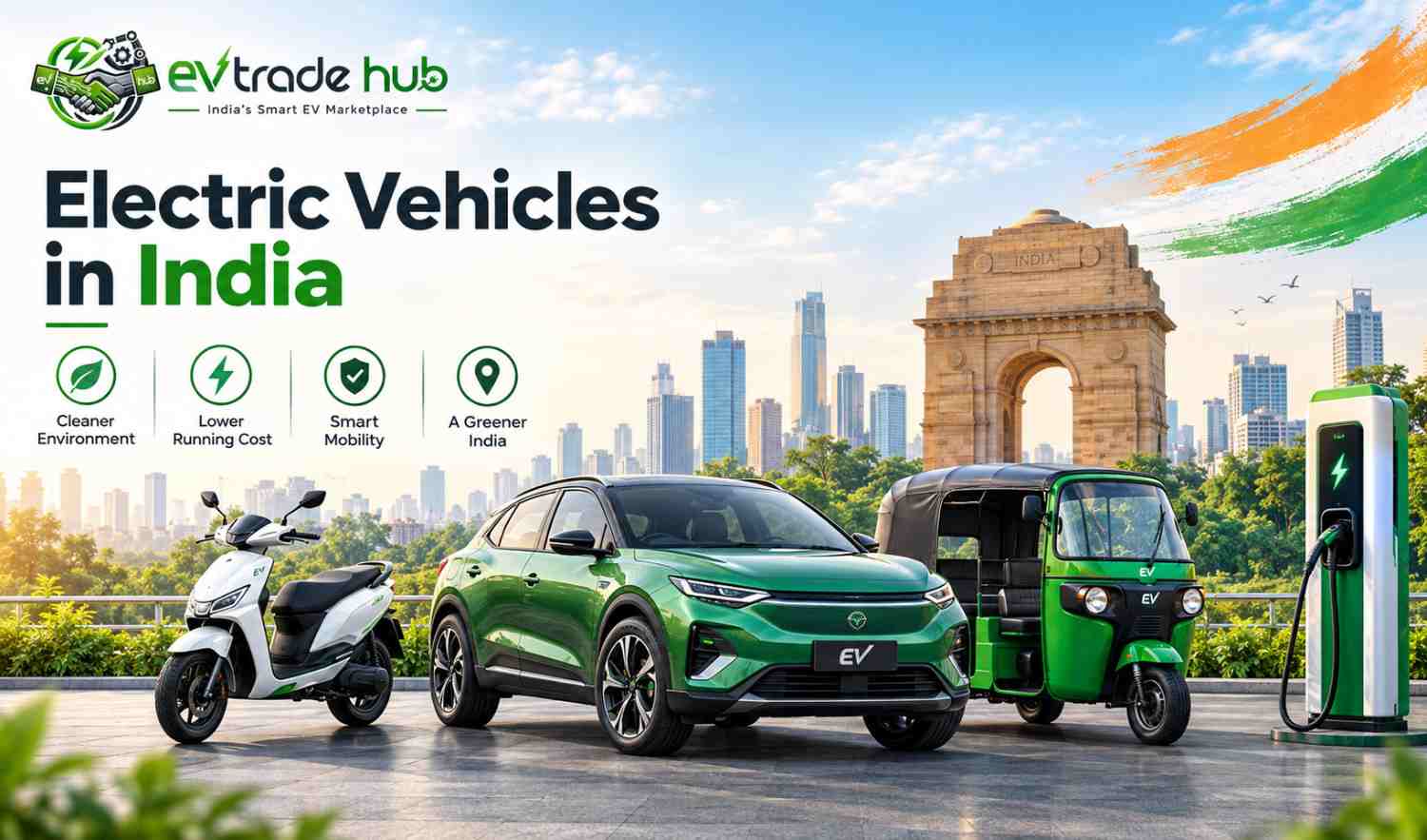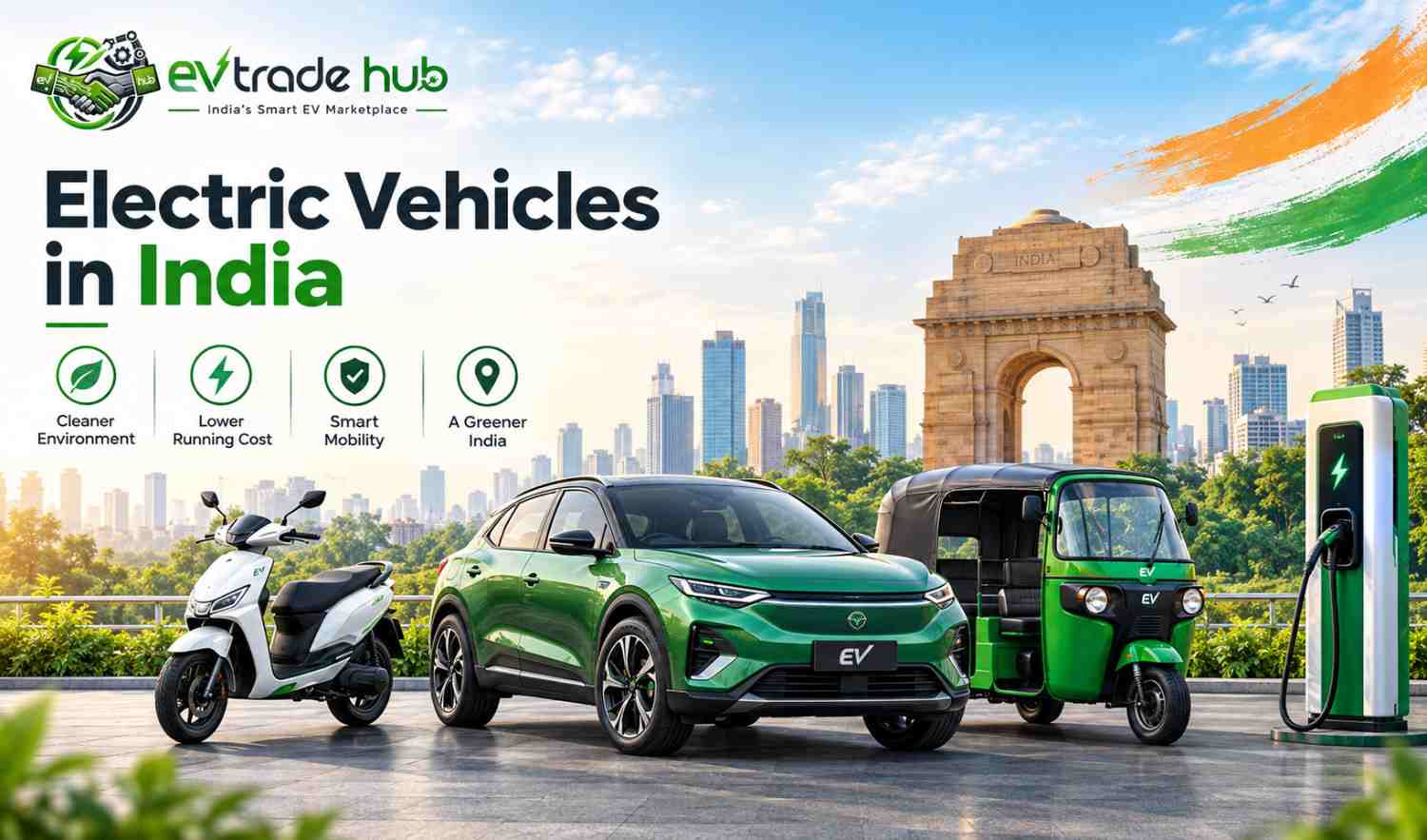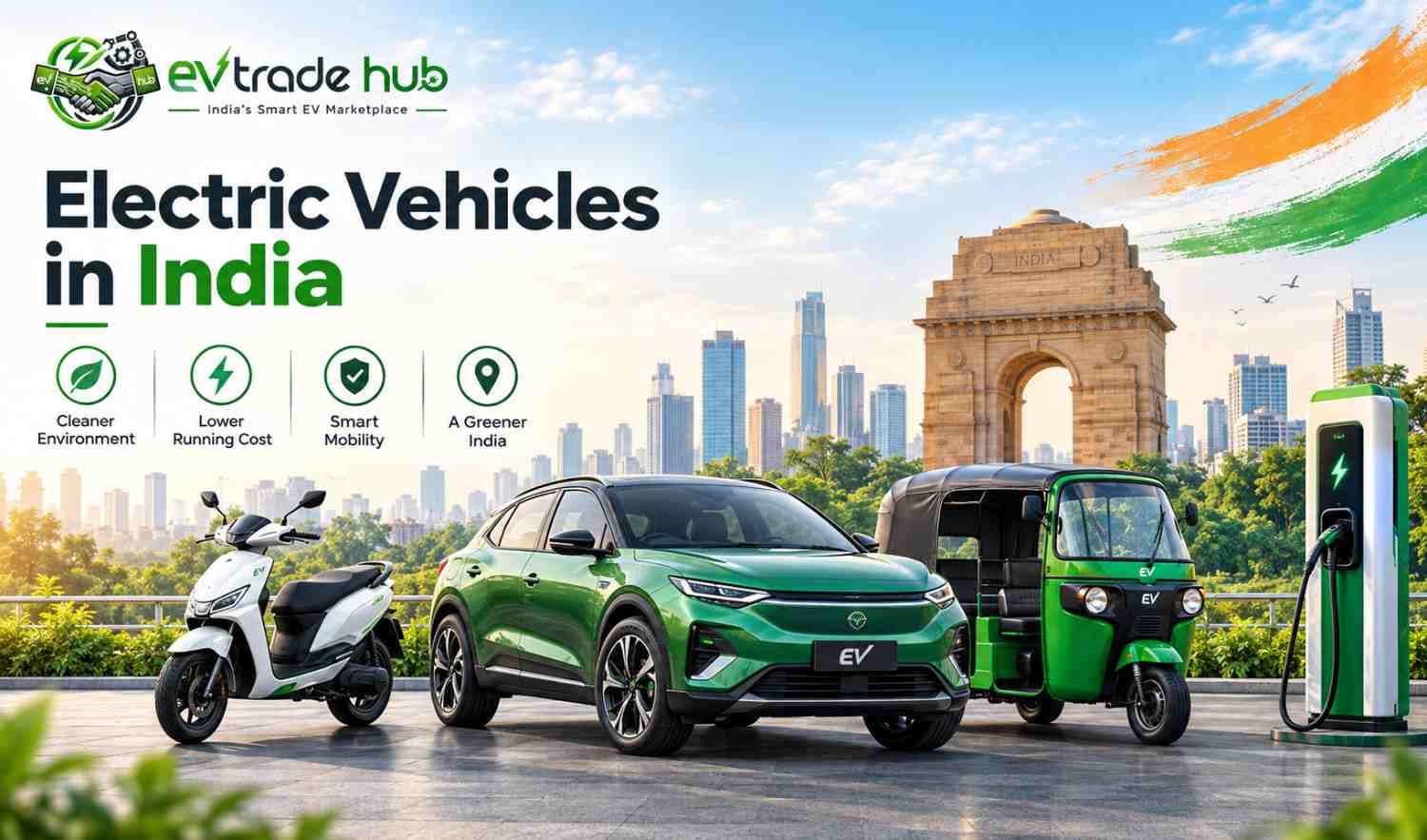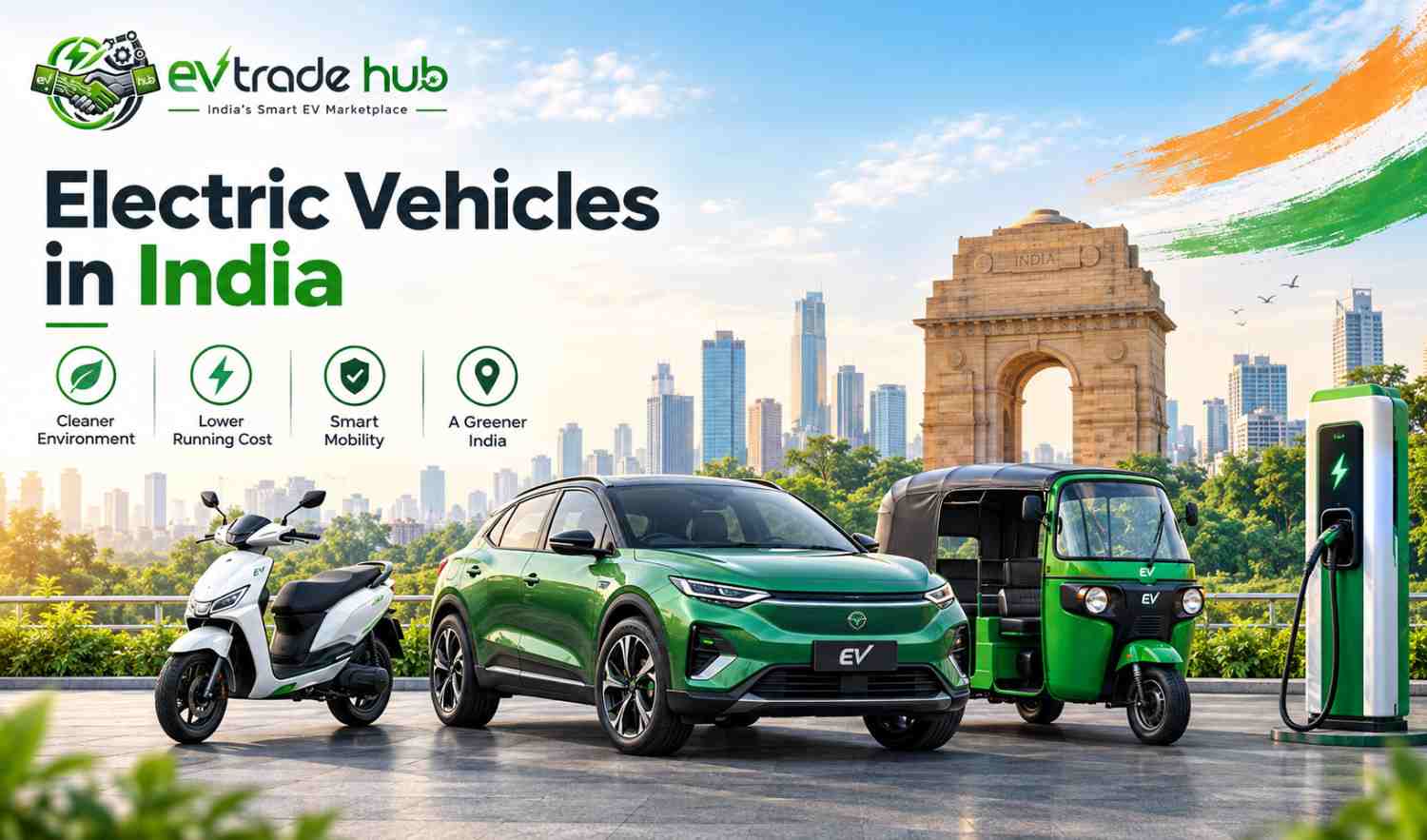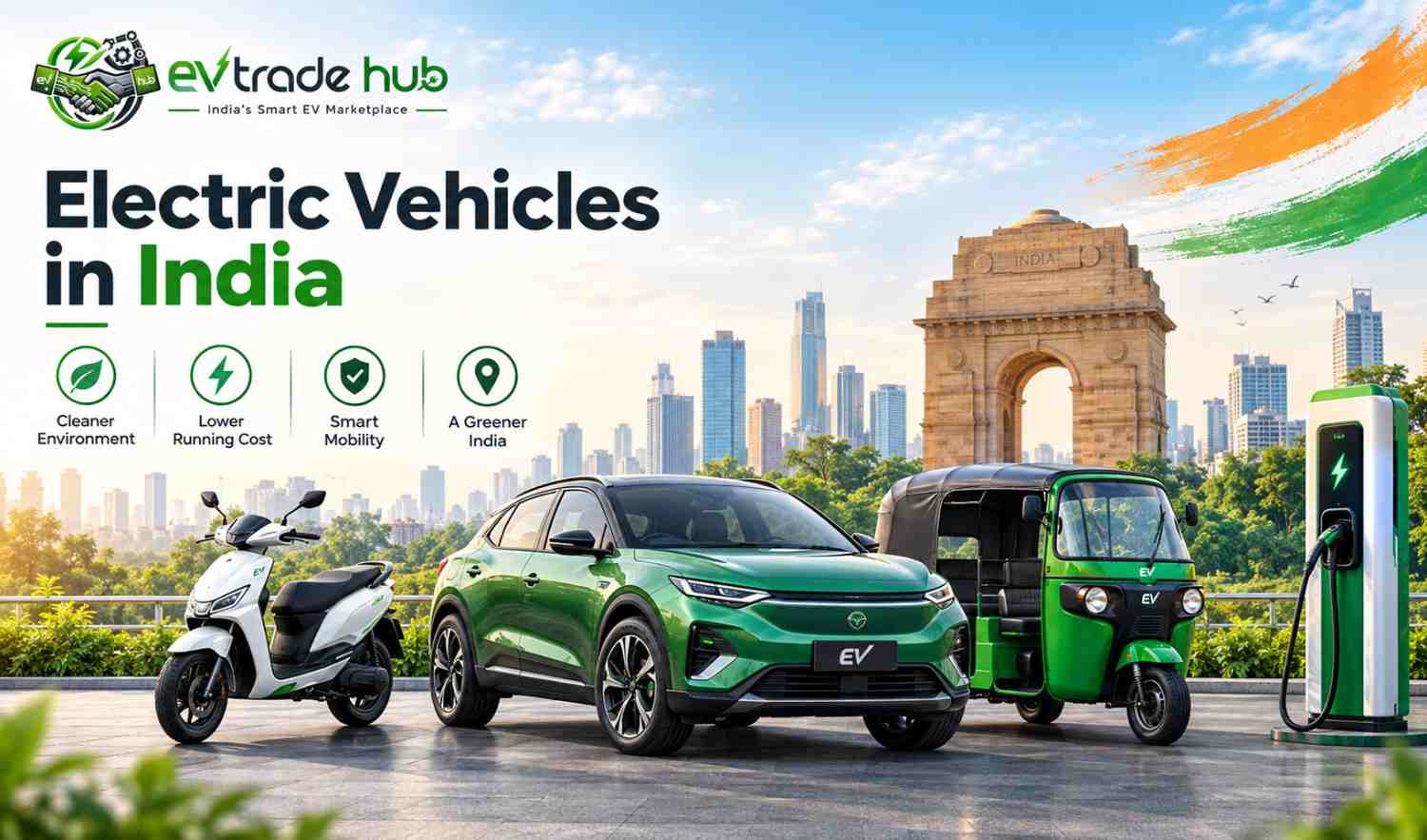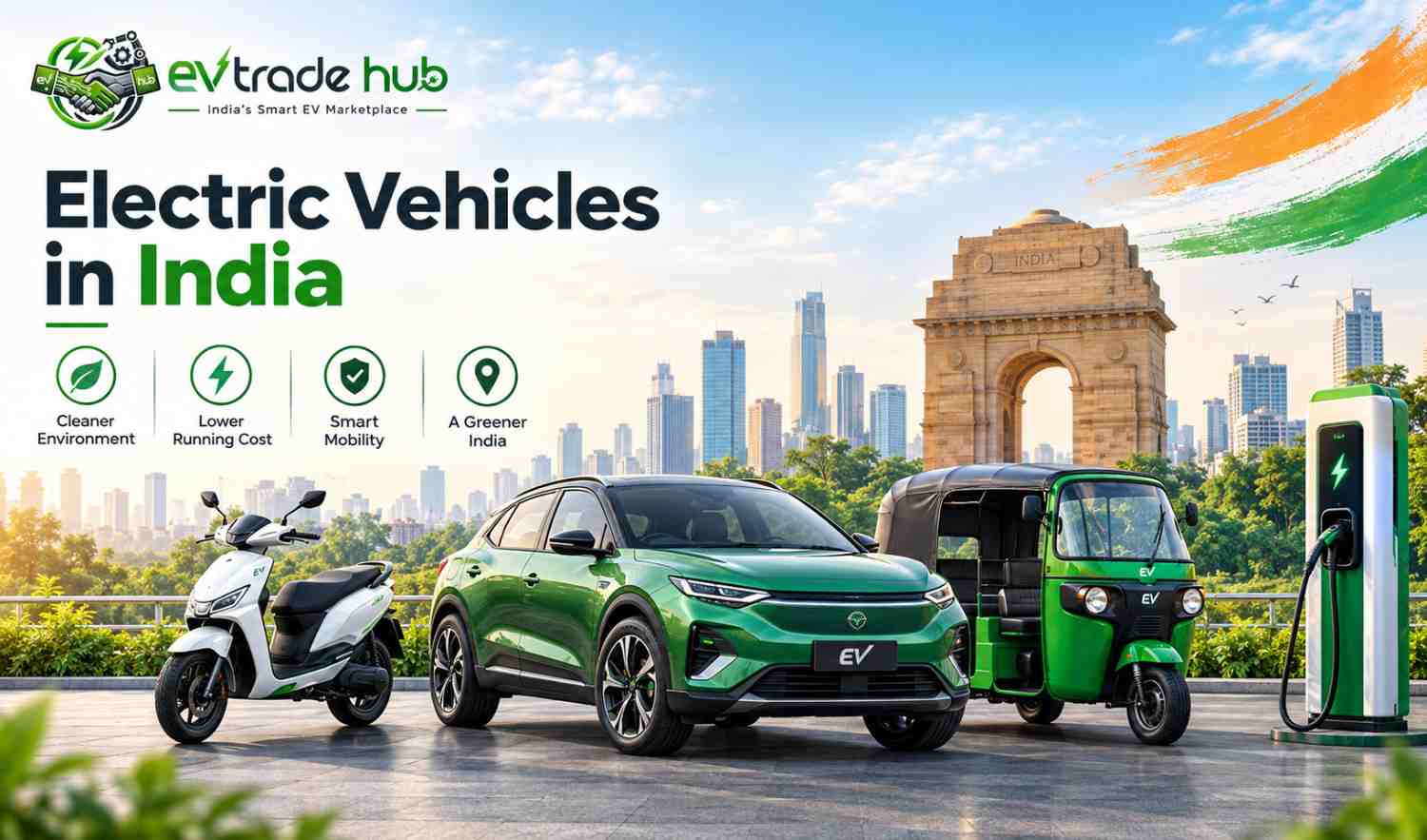
Starting an E Rickshaw business can be a practical opportunity for entrepreneurs looking to enter the electric mobility and local transportation sector. E Rickshaws are widely used for short-distance passenger transportation and can be suitable for routes connecting residential areas, markets, railway stations, schools, offices and local commercial areas.
An E Rickshaw business can be started in different ways depending on investment capacity and local demand. An entrepreneur can operate the vehicle personally, hire a driver or gradually build a small fleet of multiple vehicles. However, before investing, it is important to understand the local market, select a suitable vehicle, calculate operating costs and complete the applicable documentation.
The first step is to understand the demand for E Rickshaws in your target area. Local transportation requirements can vary significantly from one city, town or market to another.
Research areas where passengers regularly require short-distance transportation, such as:
Observe existing E Rickshaw operators and understand their routes, passenger demand, operating hours and approximate daily activity. Talking with local drivers can also provide useful information about profitable routes, seasonal demand and common operating challenges.
Vehicle selection is one of the most important decisions when starting an E Rickshaw business. A low purchase price should not be the only deciding factor. Reliability, battery performance, service support and spare parts availability can have a significant effect on operating costs.
Before purchasing an E Rickshaw, compare the following factors:
It is also advisable to take a test ride and compare multiple models before making the final purchase decision.
An E Rickshaw business does not have to follow a single operating model. You can select a model based on your available capital, time and experience.
In this model, the owner drives the E Rickshaw personally. It can reduce driver-related expenses and allows the owner to directly understand customer demand and daily operating conditions.
The owner purchases the vehicle and hires a driver to operate it. The driver may be paid through a fixed salary, daily payment or another mutually agreed arrangement.
Entrepreneurs with higher investment capacity can gradually purchase multiple E Rickshaws and create a small fleet. Multiple vehicles can potentially increase total revenue, but they also require better management of drivers, maintenance, charging and finances.
Before purchasing an E Rickshaw, prepare a complete financial plan. The total cost of running the business includes more than the vehicle purchase price.
Potential expenses may include:
It is important to calculate the expected monthly expenses before purchasing the vehicle. This helps you understand how much daily income may be required to cover operating costs and generate a reasonable return.
Entrepreneurs can consider personal savings as well as suitable vehicle finance or loan options. Financing can reduce the initial cash requirement, but the monthly repayment should be carefully evaluated.
Before taking a loan, calculate:
Do not estimate profitability only by comparing daily revenue with the vehicle EMI. Charging, maintenance, insurance, driver expenses and other costs should also be included in the calculation.
Before operating an E Rickshaw commercially, make sure the vehicle and business comply with the applicable rules in your state and operating location. Requirements can vary depending on the vehicle type, location and applicable transport regulations.
Depending on the circumstances, documentation may involve:
Always verify the latest requirements with the relevant transport authority or authorized dealer before starting commercial operations.
Charging management is an important part of an E Rickshaw business. The vehicle should be charged safely and efficiently according to the battery manufacturer's recommendations.
Before starting operations, determine:
A planned charging routine can help reduce downtime and make daily operations more predictable.
Revenue can depend heavily on the routes and operating hours selected. Areas with regular passenger movement may provide more consistent demand than locations with occasional traffic.
Consider routes connecting:
Demand may also change according to weekdays, weekends, festivals, weather and local events. Tracking these patterns can help improve daily route planning.
If you operate a driver-based E Rickshaw business, selecting and managing drivers is an important part of the operation. Clearly define payment arrangements, working hours, vehicle responsibility and maintenance expectations.
Keep proper records of:
Good communication with drivers can help reduce misunderstandings and improve vehicle utilization.
Regular maintenance is important for keeping the vehicle operational and reducing unexpected downtime. Delaying basic maintenance can result in higher repair costs and lost working days.
Regularly inspect important components such as:
Follow the manufacturer's maintenance recommendations and use appropriate spare parts and service support.
Maintaining daily financial records is essential for understanding whether the E Rickshaw business is actually profitable. Revenue alone does not represent profit because several operating expenses must be deducted.
Track important figures such as:
These records can help identify profitable routes, unnecessary expenses and periods of low demand.
New E Rickshaw entrepreneurs should avoid making decisions based only on the initial purchase price. Some common mistakes include:
Starting an E Rickshaw business can be a practical way to enter the electric mobility sector, particularly in areas with strong demand for affordable short-distance transportation. However, success depends on careful planning rather than simply purchasing a vehicle and putting it on the road.
Good market research, the right vehicle, proper financial planning, suitable financing, compliance with applicable requirements and regular maintenance can help create a sustainable E Rickshaw business. Whether you choose to operate one vehicle yourself, hire a driver or gradually build a small fleet, tracking income and expenses should remain a priority.
By understanding local passenger demand and managing the vehicle, drivers, charging and finances efficiently, an E Rickshaw business can become a structured and potentially sustainable source of income.