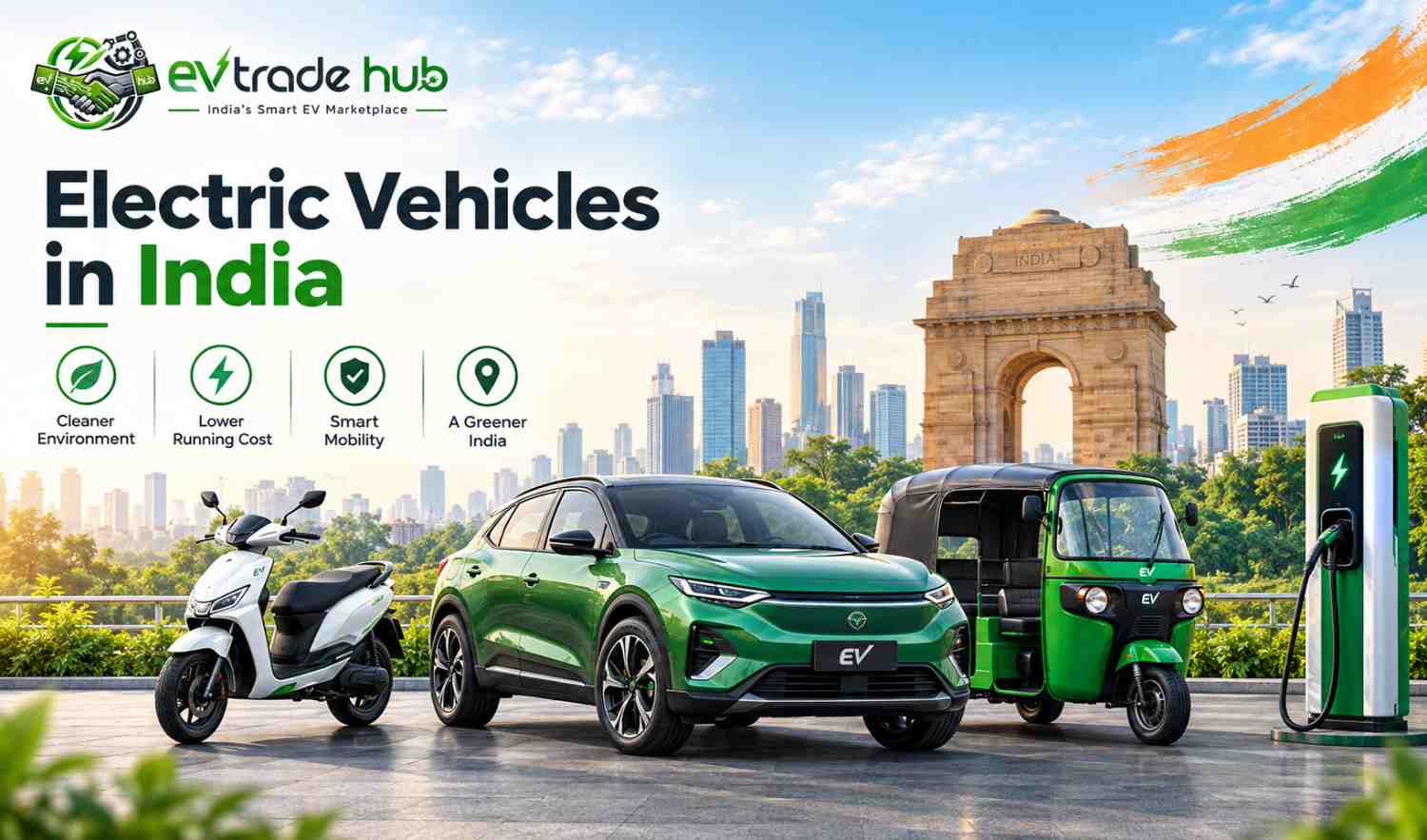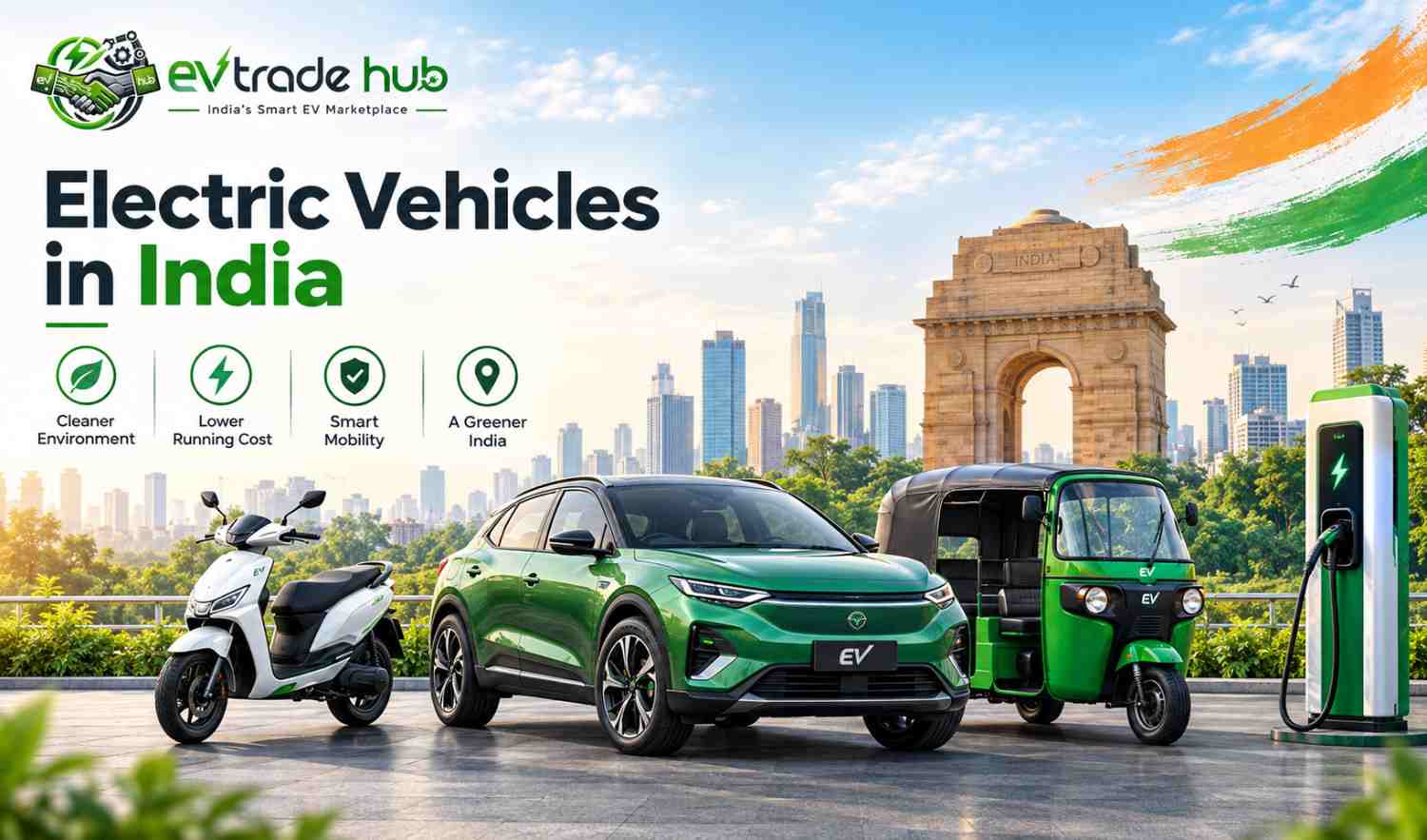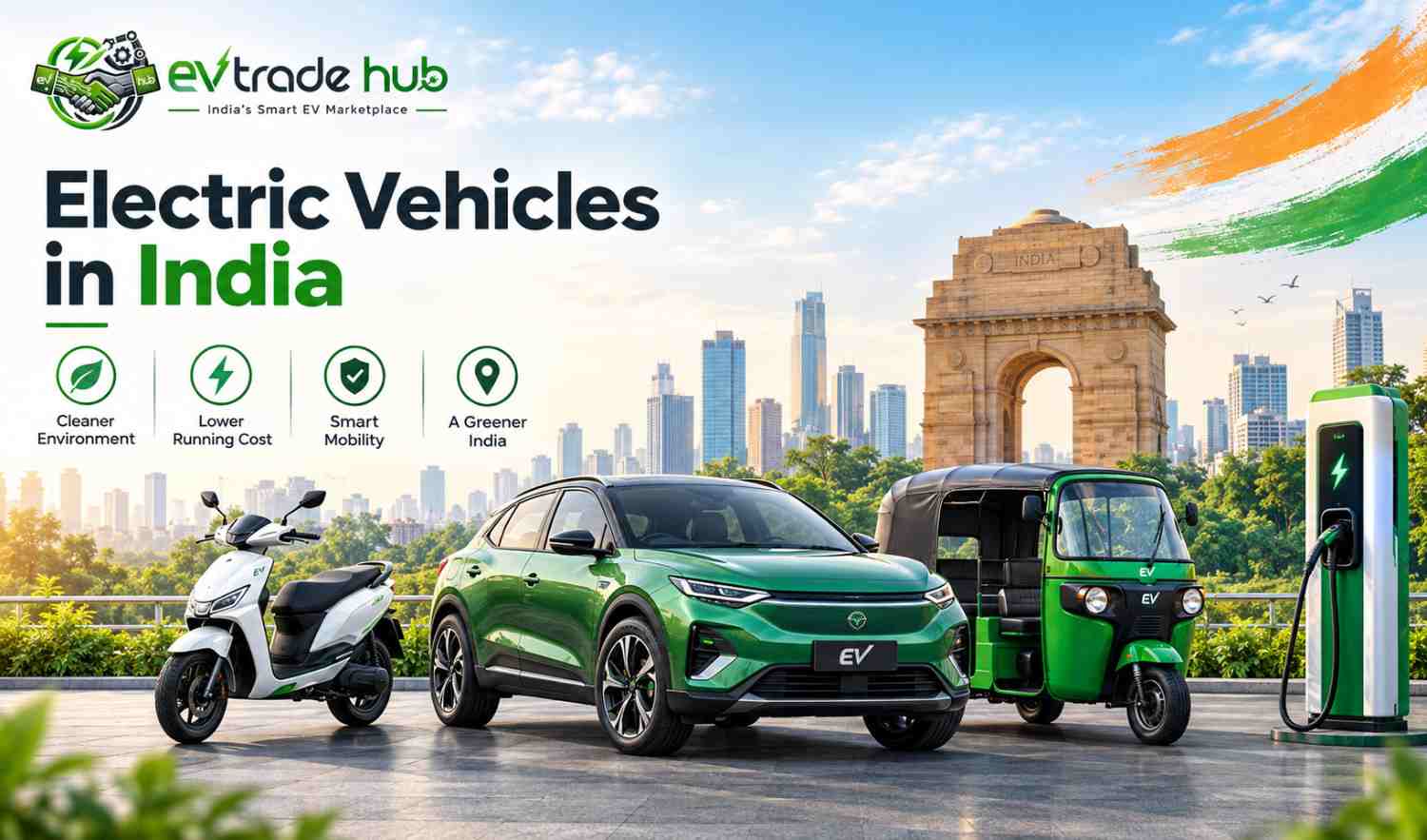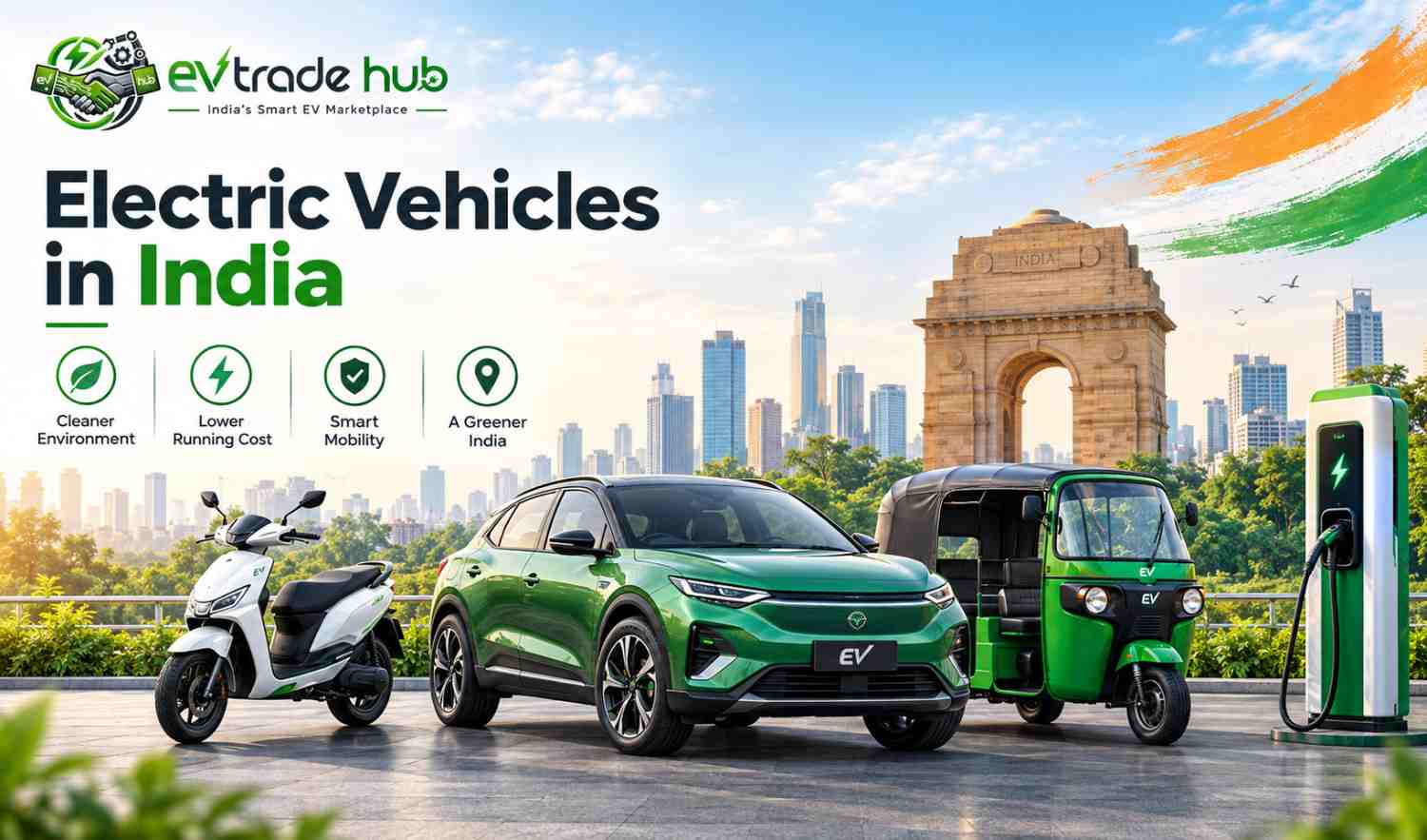
An E Rickshaw can be a profitable commercial transportation business when passenger demand, daily utilization and operating expenses are managed properly. The profitability of an E Rickshaw depends on several factors such as purchase price, battery type, daily trips, passenger fares, operating hours, electricity cost, maintenance, financing and the local transportation market.
Unlike a personal vehicle, an E Rickshaw is generally purchased with the intention of generating regular income through passenger transportation or other commercial activities. However, simply purchasing an E Rickshaw does not guarantee profit. The business becomes more sustainable when the vehicle is operated on routes with consistent passenger demand and the owner keeps control over daily expenses.
One of the main reasons E Rickshaws are considered economical commercial vehicles is their electric powertrain. Electric vehicles generally have fewer moving mechanical components than conventional engine-powered vehicles. This can reduce certain maintenance requirements associated with engines, fuel systems and other mechanical components.
Electricity can also be economical compared with petrol or diesel depending on local electricity rates, charging arrangements and daily usage. For a commercial operator covering several kilometres every day, controlling energy costs can have a significant impact on overall profitability.
However, electricity cost is only one part of the calculation. Battery replacement, tyres, brakes, suspension, insurance, financing and periodic servicing should also be included when calculating the actual cost of running an E Rickshaw.
The daily income of an E Rickshaw mainly depends on passenger demand and the number of productive trips completed during operating hours. A vehicle operating in a busy market or transport area may have better utilization than one operating in an area with limited passenger movement.
Important factors that influence daily revenue include:
Busy markets, railway stations, bus stands, metro areas, residential colonies, schools, colleges and commercial zones can provide regular short-distance transportation demand. Before purchasing an E Rickshaw, it is therefore useful to study the local route and understand how frequently passengers travel through that area.
A simple revenue calculation can help determine whether an E Rickshaw business is financially suitable. Instead of assuming a fixed daily income, estimate realistic trips and fares based on the actual local market.
For example, an owner can estimate the approximate daily revenue using:
Daily Revenue = Number of Paid Trips × Average Revenue per Trip
The monthly revenue can then be estimated by considering the number of operating days. This calculation should be based on realistic working conditions rather than the highest possible income.
It is also important to account for days when the vehicle may remain unused because of maintenance, bad weather, low passenger demand or other operational issues.
Profit should always be calculated after considering the complete operating cost of the vehicle. Some expenses are regular, while others occur periodically or unexpectedly.
Charging is one of the regular operating expenses. The actual cost depends on battery capacity, electricity rates, charging efficiency and daily usage. Charging the battery properly can also help maintain battery performance over time.
The battery is one of the most important components in an E Rickshaw. Its replacement cost should be included in long-term business planning. Battery life can vary depending on battery chemistry, charging practices, usage pattern, temperature, maintenance and overall quality.
Regular maintenance may include tyres, brakes, suspension components, electrical wiring, lights, bearings, motor-related components and other parts. Proper preventive maintenance can help reduce unexpected breakdowns and loss of working days.
Applicable insurance, registration-related expenses and other documentation costs should also be considered. Commercial vehicle requirements can vary depending on location and vehicle category, so owners should verify the applicable requirements before starting operations.
If the E Rickshaw is purchased through financing, the monthly EMI becomes an important business expense. A vehicle may generate good revenue but still provide limited cash flow if the loan repayment is too high compared with realistic monthly earnings.
Battery selection can have a major impact on long-term operating economics. Lead-acid batteries are commonly considered because of their lower initial purchase cost, while lithium-based batteries can offer advantages such as lower weight, different charging characteristics and potentially longer service life depending on battery quality and usage.
The right choice should not be based only on the purchase price. Consider battery capacity, expected range, charging requirements, warranty, cycle life, replacement cost, weight and compatibility with the E Rickshaw's motor and controller.
A cheaper battery that requires frequent replacement may not always be the most economical option over the complete ownership period.
Route selection can directly affect E Rickshaw profitability. A route with consistent passenger movement can allow the vehicle to spend more time carrying passengers instead of waiting for customers.
Before selecting a route, observe:
Efficient route planning can reduce unnecessary kilometres and improve the number of productive trips completed during the day.
Profitability can also change depending on who operates the vehicle. When the owner drives the E Rickshaw, there may be no separate driver payment, but the owner has to spend their own time operating the vehicle.
In a driver-operated model, the owner may receive a fixed daily amount, revenue share or another agreed arrangement. This can allow the owner to operate multiple vehicles, but driver management, vehicle misuse, collection issues and maintenance responsibilities should be considered.
Several practical steps can improve the financial performance of an E Rickshaw business:
Downtime can directly reduce commercial vehicle income. If an E Rickshaw remains unavailable for several days because of a preventable mechanical or electrical problem, the owner may lose revenue while still having fixed expenses.
Regular inspection of brakes, tyres, suspension, steering, wiring, lights, battery connections, motor and controller can help identify problems before they become major failures.
Many new E Rickshaw owners focus only on the purchase price and expected daily income. This can lead to unrealistic profitability calculations.
A more realistic profitability calculation should subtract all major expenses from the monthly revenue.
Net Profit = Monthly Revenue − Electricity Cost − EMI − Maintenance − Insurance/Documentation Cost − Battery Reserve − Driver Cost − Other Expenses
The battery reserve is particularly useful for long-term planning. Instead of treating battery replacement as a completely unexpected expense, an owner can estimate its future cost and set aside a portion of monthly earnings.
An E Rickshaw can be a suitable business option for individuals looking for a commercial transportation opportunity with relatively straightforward day-to-day operations. However, profitability varies significantly from one location and operating model to another.
The business can work better when the owner has access to a reliable passenger route, suitable charging facilities, manageable financing, dependable service support and disciplined expense management.
An E Rickshaw can be profitable when it is operated efficiently in a market with consistent passenger demand. The actual profit depends on daily revenue, number of trips, route selection, electricity cost, battery expenses, maintenance, financing and other operating costs.
Before buying an E Rickshaw, calculate realistic monthly revenue and subtract every major expense rather than looking only at the expected daily income. Choosing the right vehicle, battery, route and financing plan can significantly improve long-term business performance. With proper maintenance, efficient route planning and careful financial management, an E Rickshaw can become a useful commercial income opportunity.