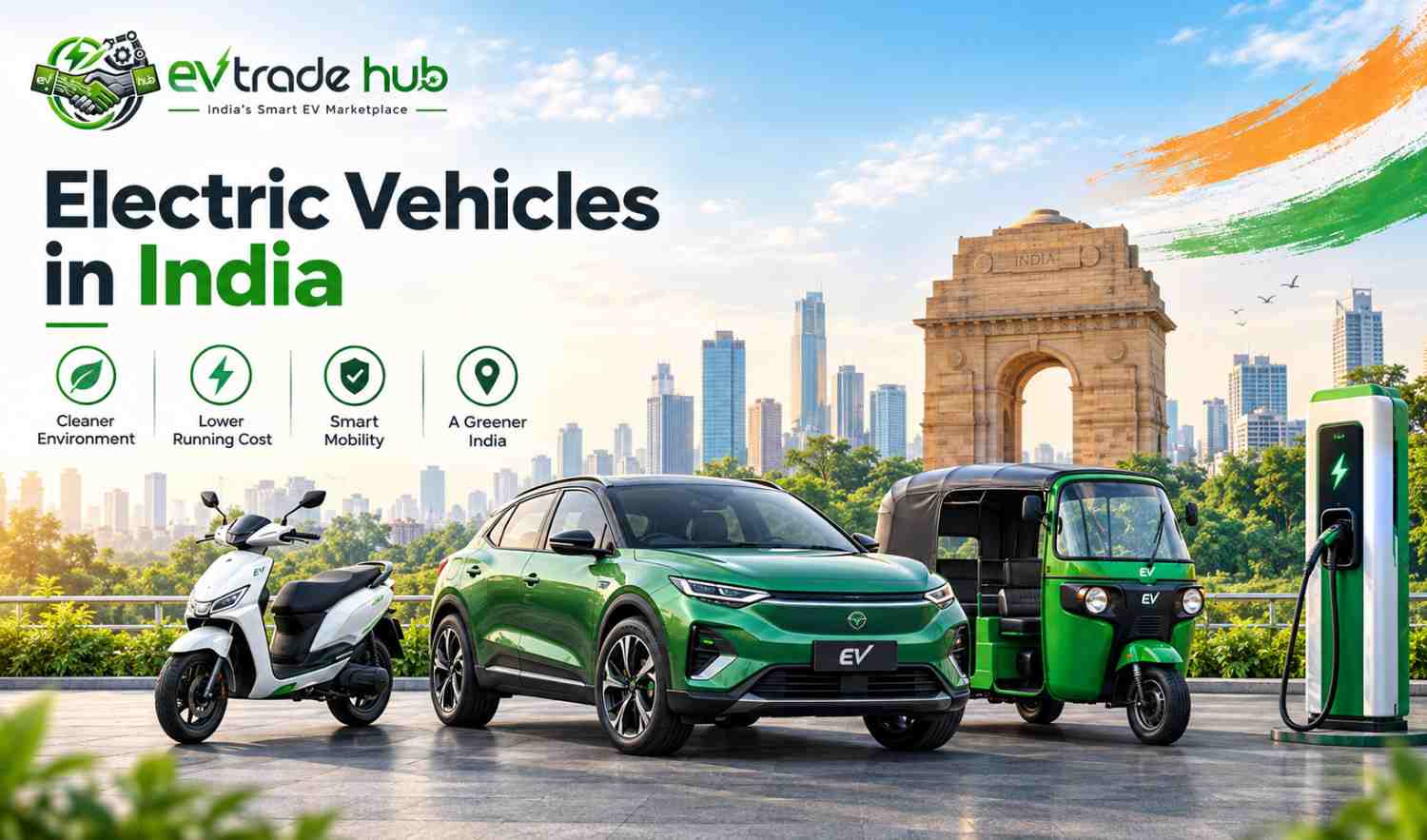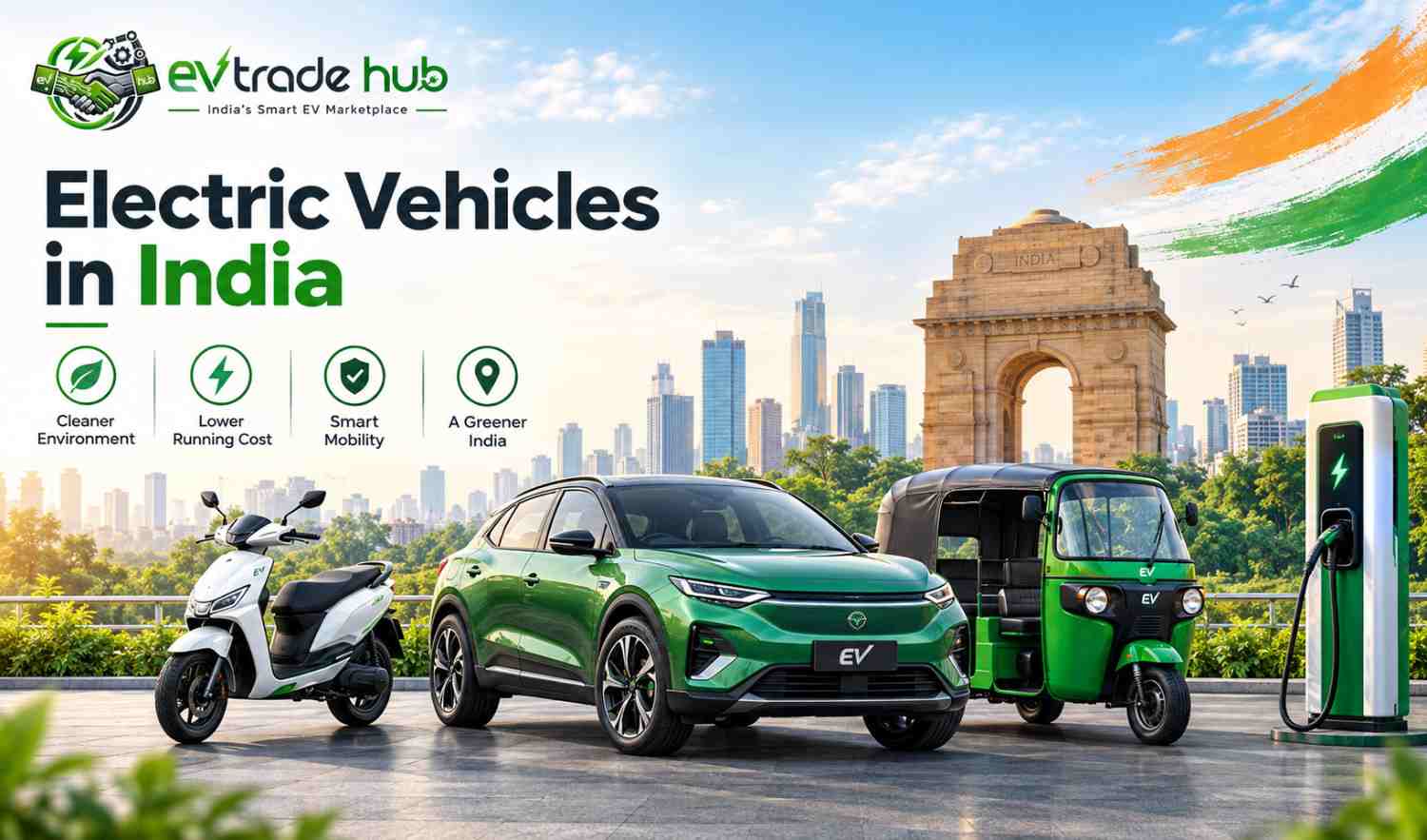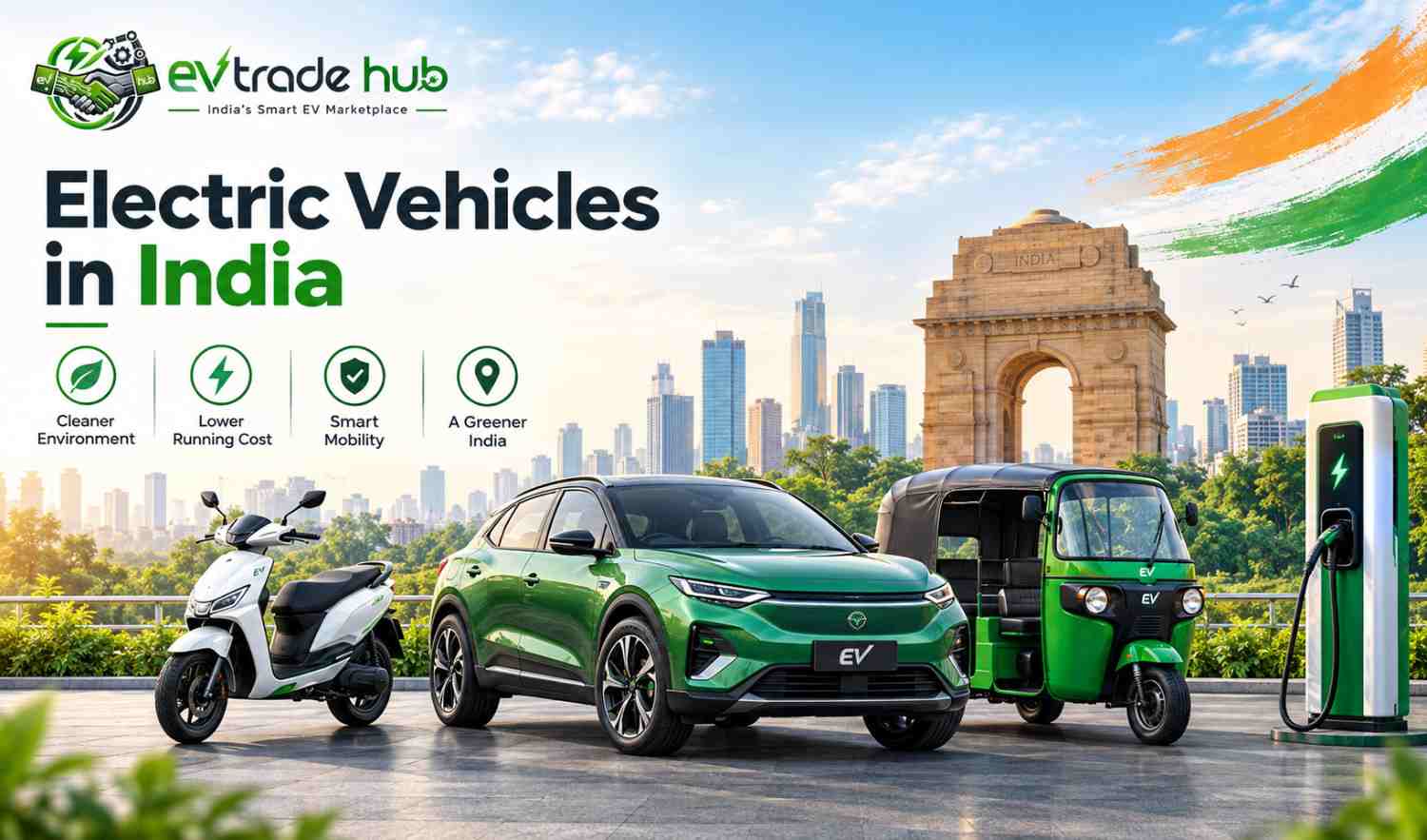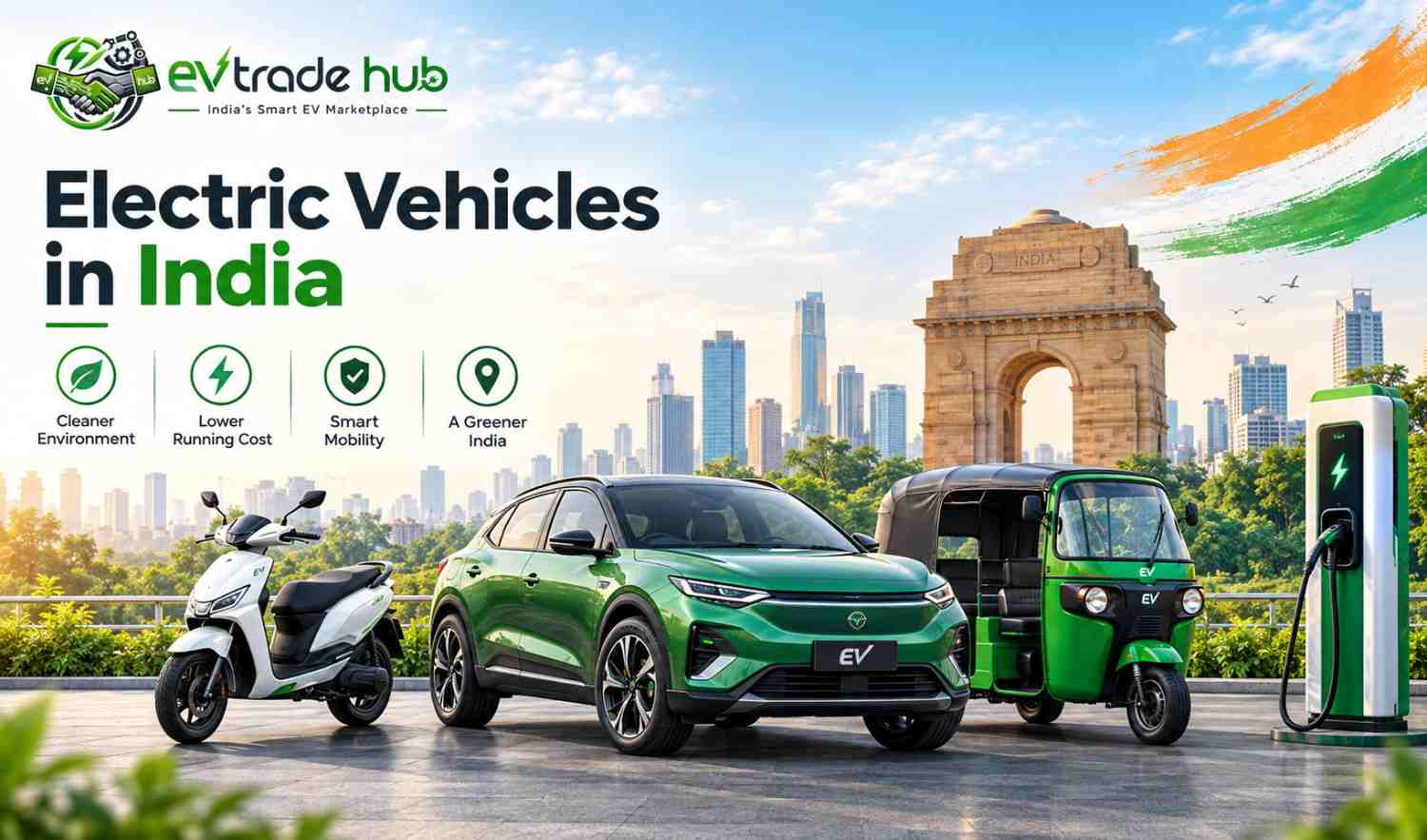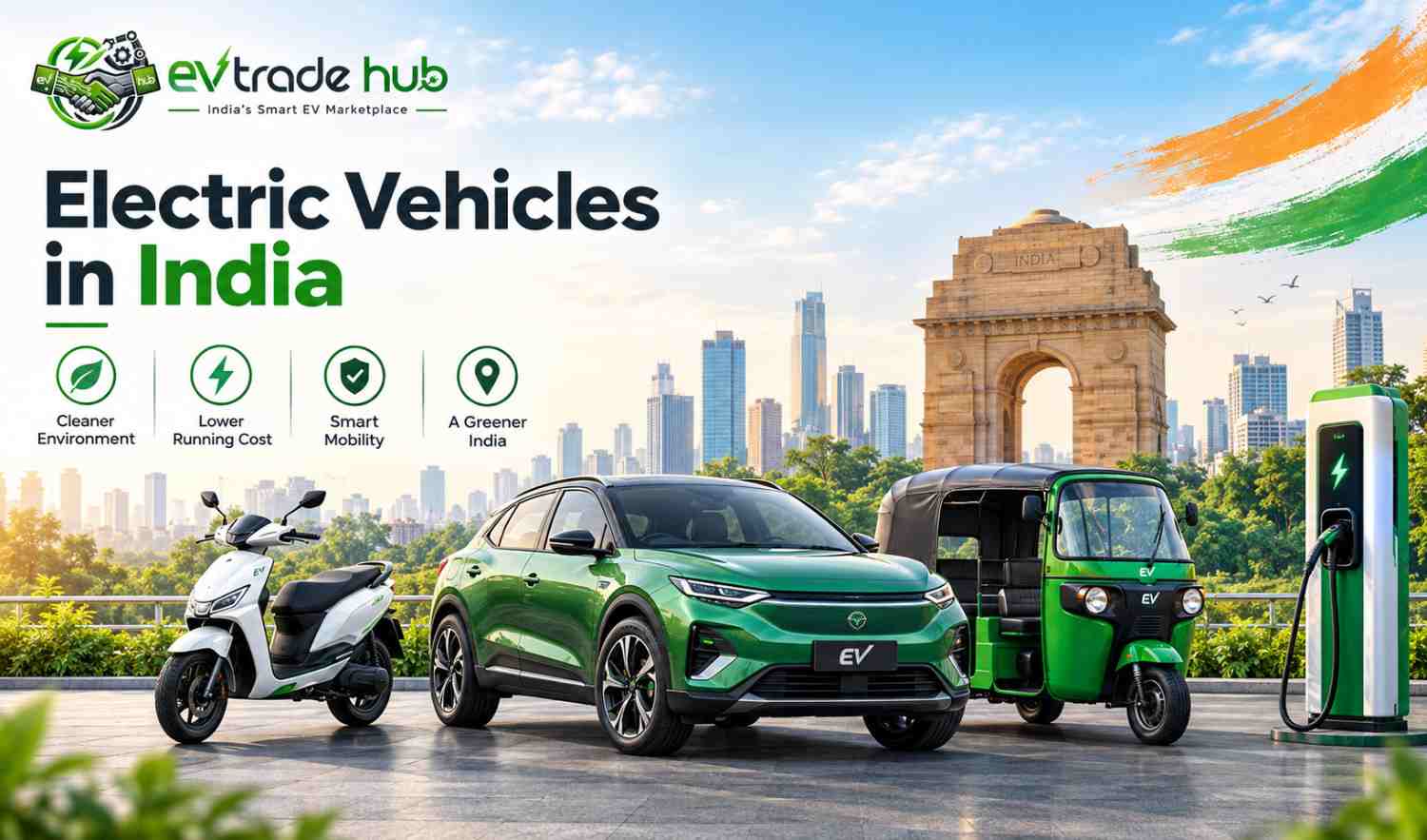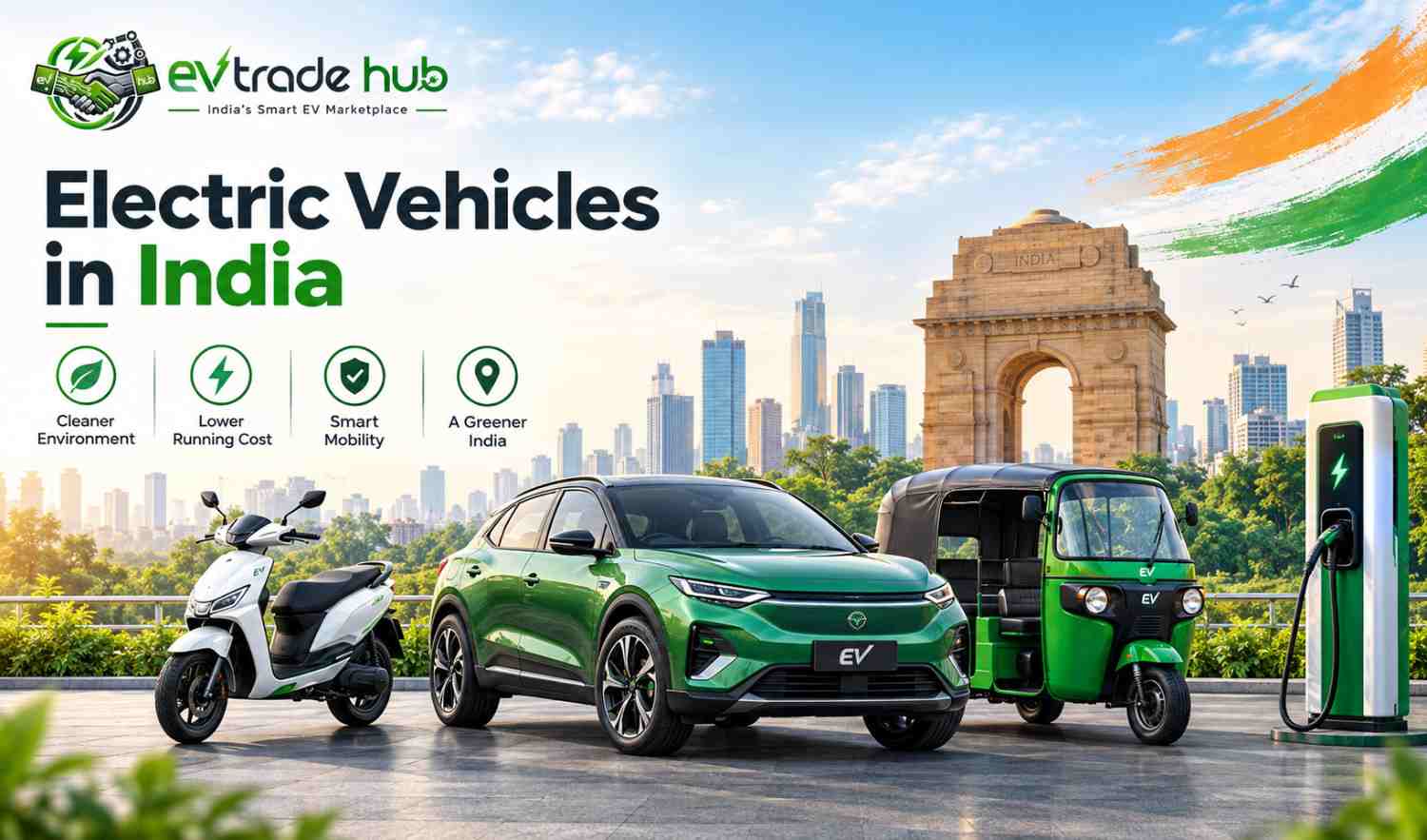
Electric vehicles are becoming an important part of India's transportation sector. With growing awareness about fuel costs, environmental concerns, and advancements in battery technology, more people are now exploring electric vehicles for their daily transportation needs. From electric scooters and motorcycles to electric cars, three-wheelers, and commercial vehicles, the Indian EV market is expanding across different categories.
The shift towards electric mobility can be seen not only in major cities but also in smaller towns and developing markets. For many users, electric vehicles offer an alternative to conventional petrol and diesel vehicles, especially for regular commuting, local transportation, delivery services, and commercial operations.
India has a large and diverse automobile market, making it an important destination for electric mobility. Electric two-wheelers have gained considerable attention because they are suitable for everyday city travel and short-distance commuting. Electric scooters are being considered by students, office workers, delivery professionals, and families looking for an economical transportation option.
Electric three-wheelers are also becoming increasingly relevant for passenger transportation, last-mile connectivity, and goods delivery. For commercial users who travel regularly, operating costs are an important part of vehicle selection, which makes electric mobility an option worth considering.
The electric car segment is also developing as manufacturers introduce new models with improved range, technology, comfort, and safety features.
The electric vehicle market includes several categories designed for different requirements.
Electric scooters are one of the most visible categories of EVs in India. They are suitable for daily commuting, local travel, shopping, college, office journeys, and other short-distance requirements. Depending on the model, users can choose from different battery capacities, ranges, charging options, and features.
Electric motorcycles are designed for users who prefer the riding experience and design of a conventional motorcycle while moving towards electric mobility. Modern electric motorcycles can offer features such as digital displays, connected technology, different riding modes, and regenerative braking.
Electric three-wheelers are useful for passenger transportation and last-mile mobility. Electric cargo three-wheelers are also being used for transporting goods over local routes. Their suitability can depend on factors such as battery capacity, payload, range, charging time, and daily usage.
Electric cars are becoming increasingly popular among customers looking for comfortable personal transportation with modern technology. Depending on the vehicle and usage pattern, electric cars can be suitable for both city commuting and longer journeys.
Electric commercial vehicles are gaining attention in delivery, logistics, local transportation, and other business applications. Businesses can evaluate EVs based on their daily route, payload requirements, charging availability, and expected operating costs.
One of the major reasons behind the growing interest in EVs is their potential to reduce everyday running expenses. Instead of petrol or diesel, electric vehicles use electricity to power their motors. The actual savings depend on electricity prices, vehicle efficiency, charging method, and the distance travelled.
Electric vehicles can also have simpler powertrains compared with traditional internal-combustion vehicles. They do not require several conventional engine-related components, which can reduce certain maintenance requirements.
Another advantage is that EVs produce no direct tailpipe emissions while operating. This makes electric mobility particularly relevant for urban areas where reducing local vehicle emissions is an important concern.
For businesses, electric vehicles can also be considered from an operational-cost perspective. Vehicles that travel fixed or predictable routes may benefit from planned charging and regular usage patterns.
Choosing an electric vehicle should be based on actual requirements rather than only the advertised range or features.
Before purchasing an EV, buyers should consider their average daily distance, battery capacity, charging time, available charging facilities, vehicle range, service support, warranty, and overall ownership cost.
For commercial vehicles, additional factors such as payload, number of daily trips, road conditions, route distance, financing costs, insurance, and availability of service centres should also be considered.
Charging infrastructure is another important factor. Users who have access to convenient home, workplace, or commercial charging facilities may find EV ownership easier to manage.
Battery warranty and after-sales service should also be checked before making a purchase. A reliable dealer and accessible service network can make EV ownership more convenient over the long term.
As the electric vehicle industry continues to grow, finding information about different EV categories and available options can help buyers and businesses make better decisions.
EV Trade Hub is an electric vehicle platform designed to bring EV-related options together in one place. The platform helps users explore different types of electric vehicles and understand the growing electric mobility ecosystem in India.
Whether someone is looking for an electric scooter for daily commuting, an electric three-wheeler for passenger transportation, or an electric commercial vehicle for business requirements, EV Trade Hub provides a platform to explore the possibilities of electric mobility.
The growing availability of electric vehicles is giving Indian consumers more choices across personal and commercial transportation. Platforms such as EV Trade Hub can help make this expanding market easier to explore.
The future of electric mobility in India will depend on several factors, including battery technology, charging infrastructure, vehicle affordability, manufacturing, consumer awareness, and after-sales support.
As technology improves, EVs are expected to become available for an even wider range of applications. The growth of electric mobility can also create opportunities in charging infrastructure, battery services, vehicle maintenance, recycling, financing, and other supporting industries.
For consumers, this development means more choices for everyday transportation. For businesses, electric vehicles can provide opportunities to explore new and potentially more efficient ways of managing transportation operations.
Electric vehicles are no longer limited to a small section of the automobile industry. They are becoming a practical option across personal mobility, passenger transportation, delivery, and commercial applications.
With the Indian EV market continuing to develop, choosing the right electric vehicle will ultimately depend on individual requirements, budget, daily usage, charging availability, and after-sales support. EV Trade Hub aims to make it easier for users to explore the growing world of electric vehicles and discover suitable electric mobility options in India.