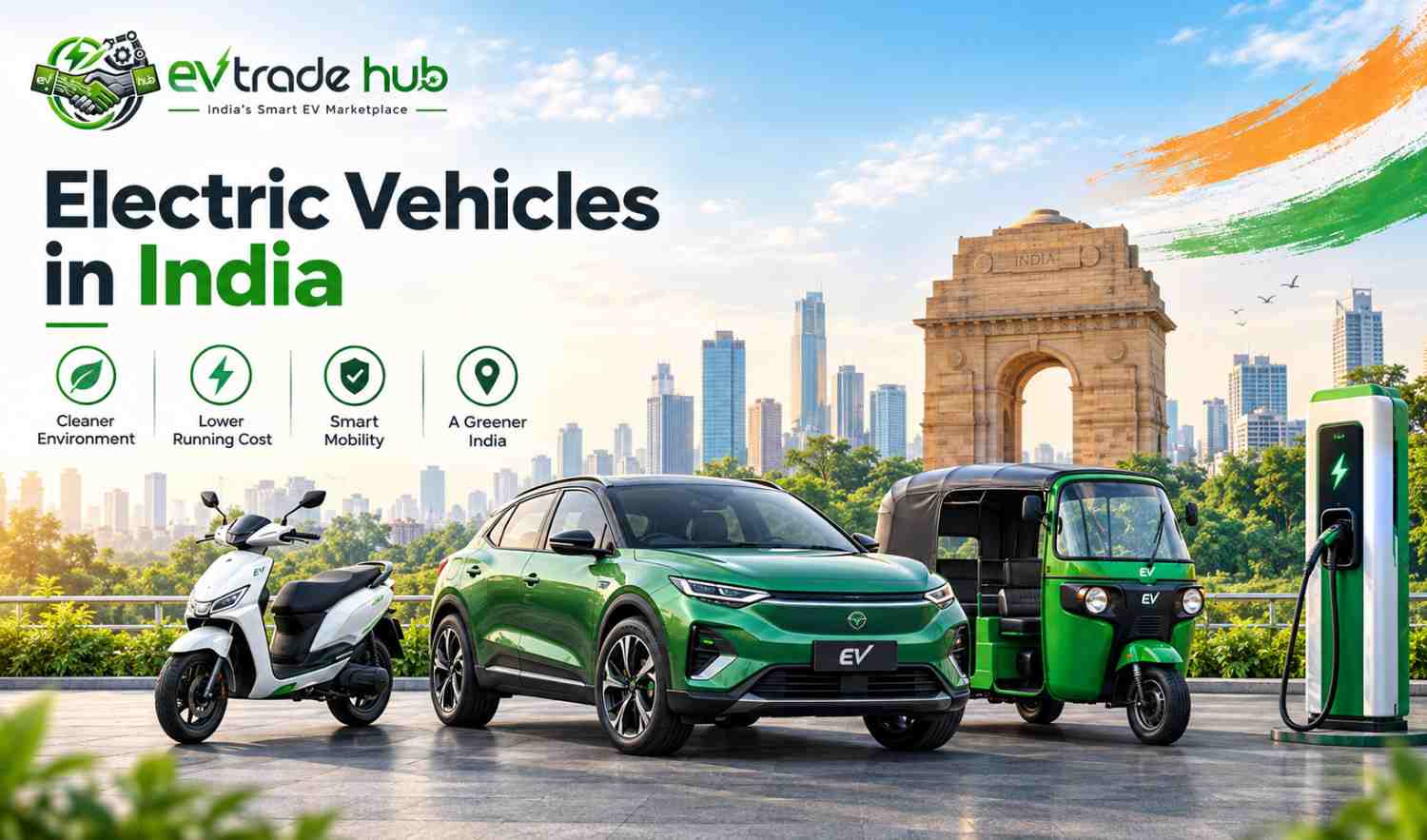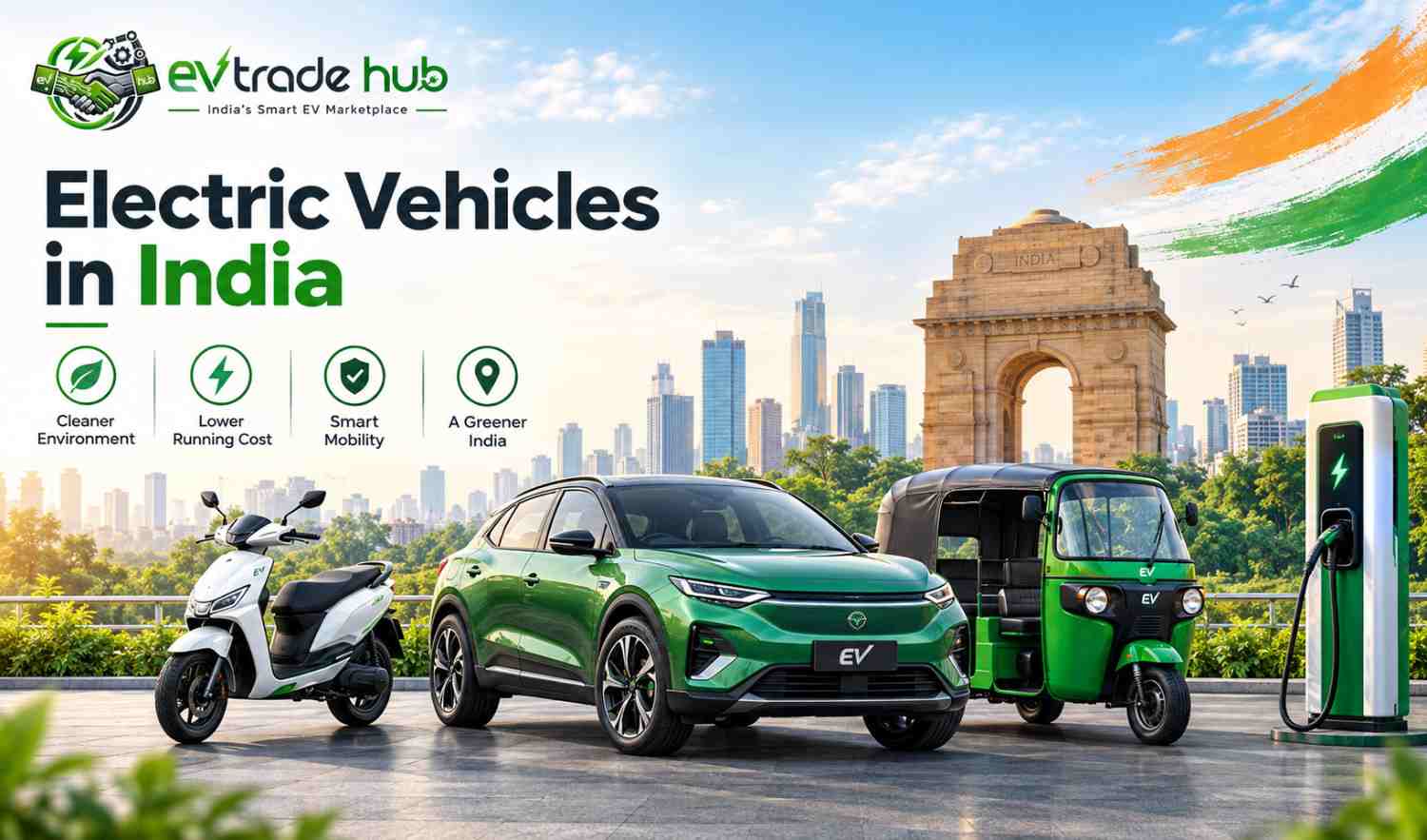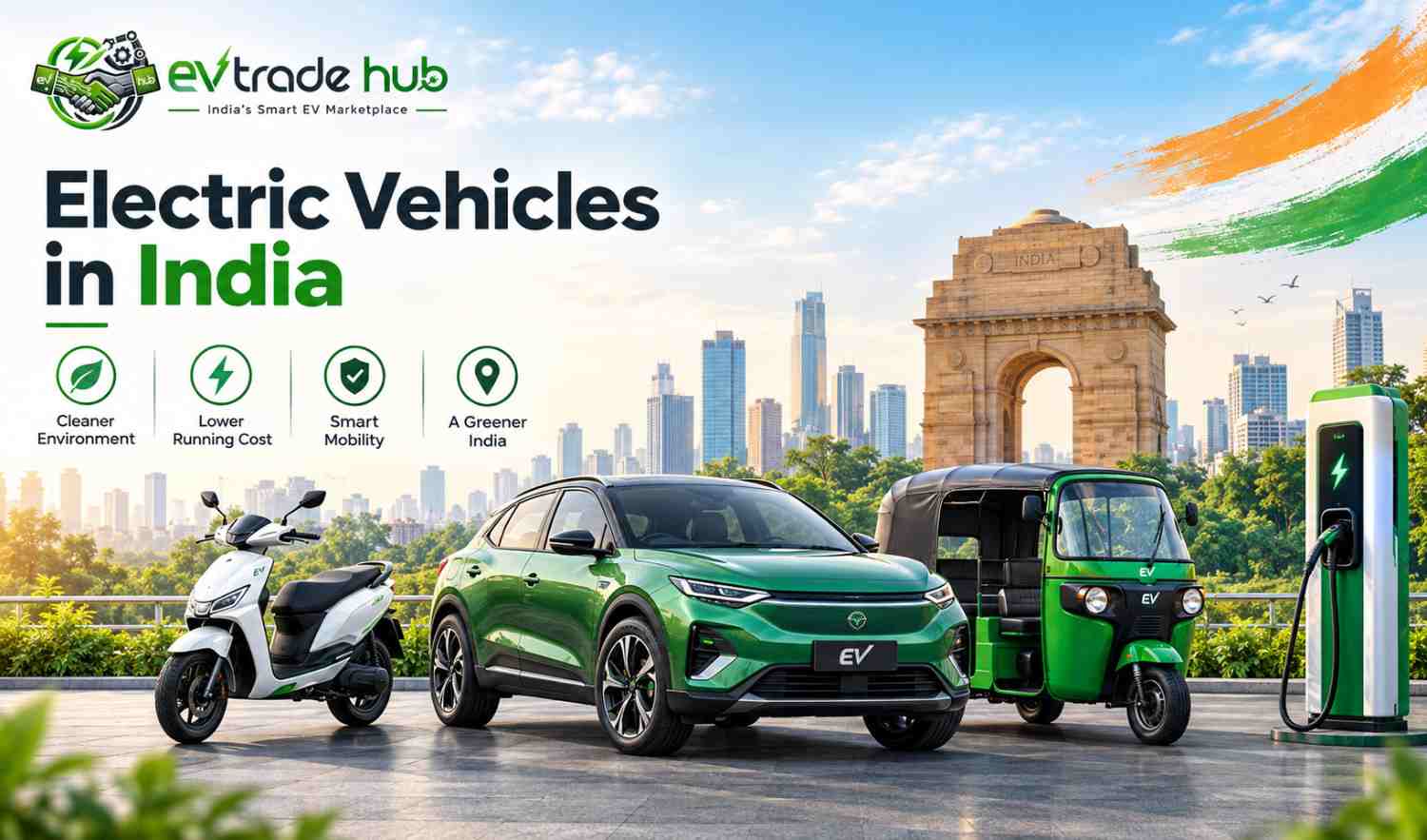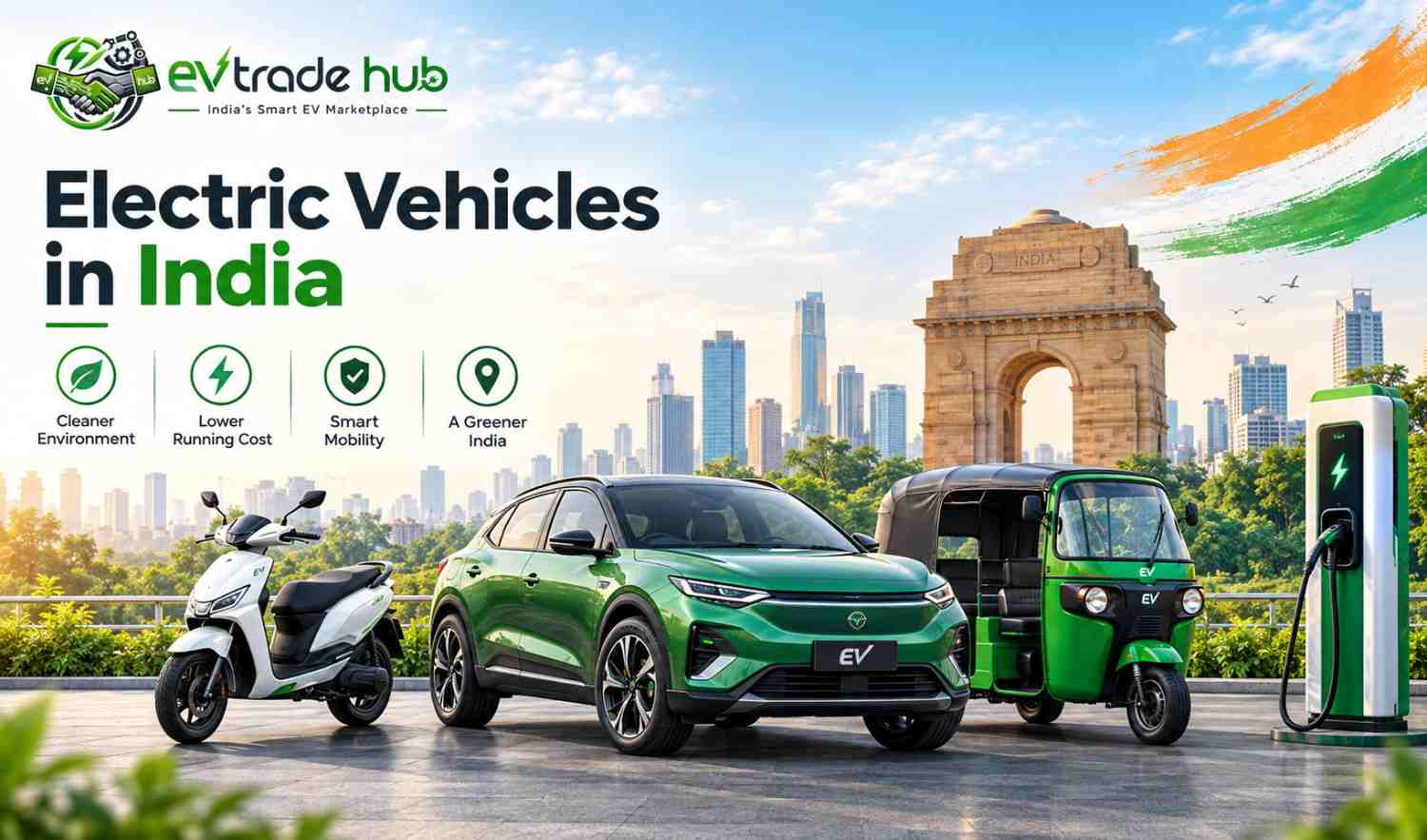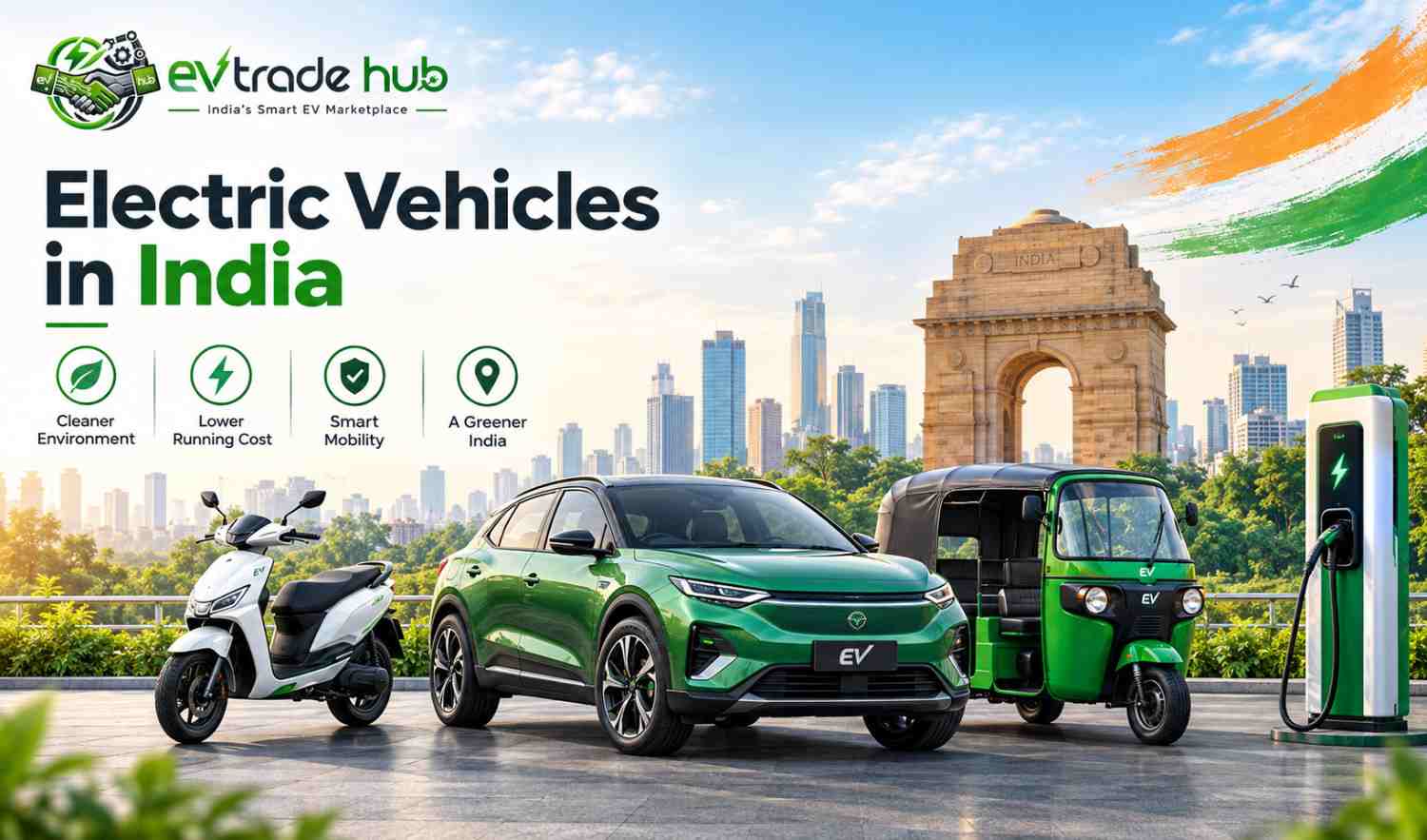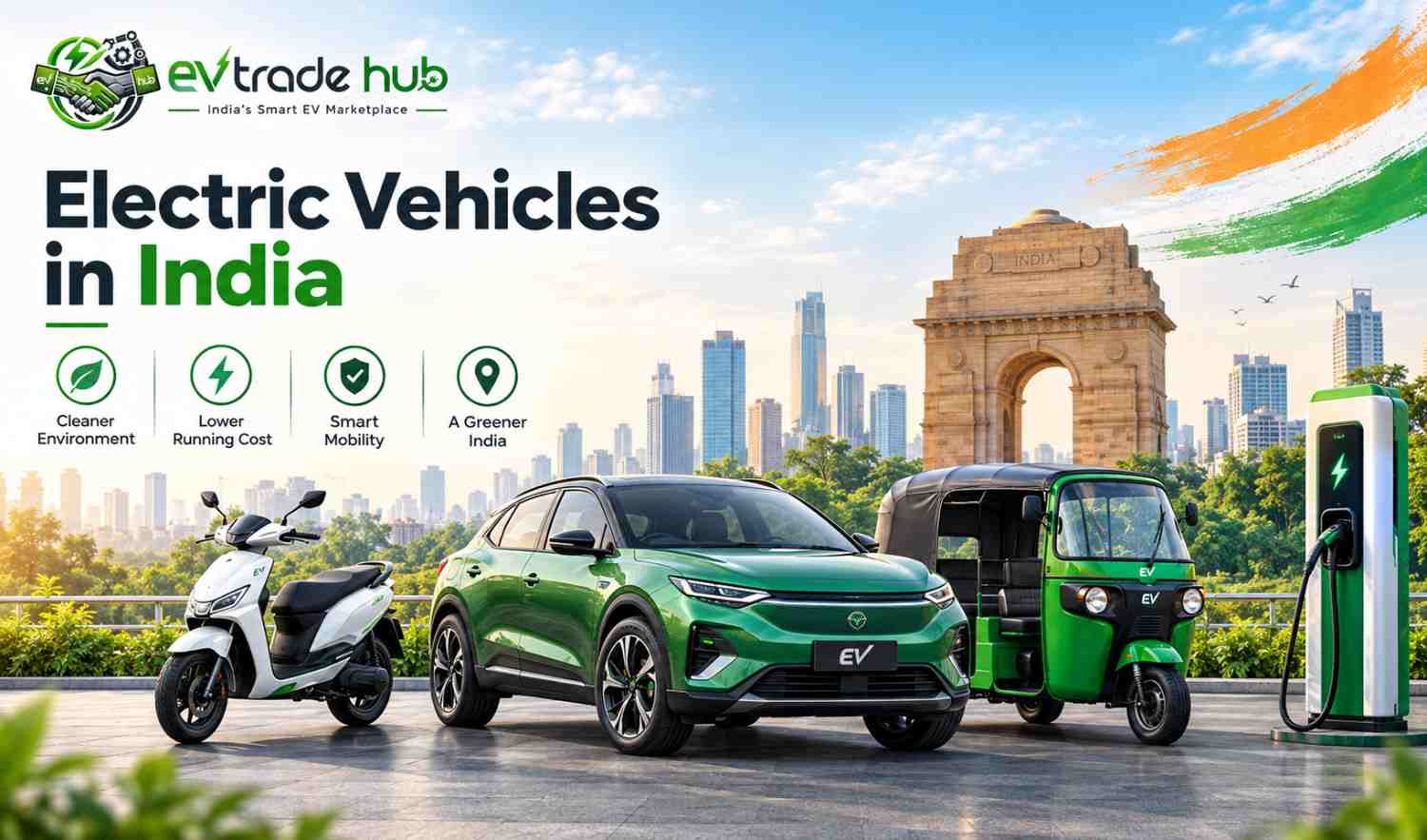
Electric commercial vehicles are becoming an important part of the evolving transportation, logistics and delivery sector in India. Businesses are increasingly exploring electric vehicles for cargo transportation, last-mile delivery, passenger mobility, employee transportation, local goods movement and other commercial operations.
The commercial EV segment includes electric three-wheelers, cargo loaders, delivery vehicles, electric buses, utility vehicles and other purpose-built electric vehicles. These vehicles are designed for different commercial requirements, so selecting the right model depends on factors such as route distance, payload, passenger capacity, battery range, charging availability, operating hours and service support.
For businesses, an electric commercial vehicle should not be evaluated only on its purchase price. Battery performance, electricity consumption, maintenance, financing, insurance, charging infrastructure and total ownership cost can all influence the long-term economics of the vehicle.
Electric commercial vehicles are battery-powered vehicles designed specifically for business and professional transportation applications. They use electric motors instead of conventional petrol, diesel or CNG powertrains, depending on the vehicle category.
These vehicles can be used to transport passengers, goods, equipment and materials. Some are designed for short-distance urban operations, while larger commercial EVs can be configured for longer routes and higher passenger or cargo requirements.
The electric powertrain generally includes a battery pack, electric motor, motor controller or inverter, battery management system, charger, electrical wiring and supporting vehicle components.
The electric commercial vehicle market includes multiple categories designed for different business requirements.
Electric cargo three-wheelers and loaders can be useful for local goods movement, while electric passenger vehicles can support short-distance transportation. Larger electric buses can be used for employee transportation, institutional routes, city mobility and other passenger applications.
Transportation expenses can have a significant impact on the profitability of a business. Fuel, maintenance, tyres, servicing and driver-related operating costs can add up over time.
Electric commercial vehicles provide an alternative to conventional fuel-powered vehicles. Depending on electricity prices, vehicle efficiency, route conditions and daily usage, businesses may be able to reduce their energy expenses.
Electric vehicles can be particularly useful for businesses operating predictable routes. A vehicle that starts and ends its working day at a fixed location can be connected to a planned charging schedule.
Last-mile delivery is an important application for electric commercial vehicles. E-commerce companies, grocery businesses, pharmacies, distributors, retailers and local logistics operators often require vehicles for repeated short-distance deliveries.
Electric cargo vehicles can be suitable for these operations because delivery routes are often relatively predictable. Businesses can plan daily distance, charging requirements and vehicle utilization based on historical delivery data.
Payload capacity is an important consideration because the vehicle should be capable of carrying the expected quantity of goods without regularly exceeding its recommended load.
Electric cargo three-wheelers are commonly considered for local transportation of goods. They can be used by wholesalers, retailers, distributors, logistics operators and small businesses.
These vehicles can provide a practical solution for short-distance cargo movement where a larger commercial vehicle may not be necessary.
When selecting an electric cargo three-wheeler, businesses should evaluate load capacity, battery range, motor performance, charging time, suspension, tyres, braking and service support.
Electric loaders are designed for transporting goods and materials. They can be useful for vegetable vendors, grocery distributors, agricultural businesses, warehouse operations, local delivery services and other applications involving regular goods movement.
The right electric loader should be selected according to the type and weight of the cargo. Road conditions and daily distance should also be considered because heavy loads and difficult terrain can increase energy consumption.
Electric passenger vehicles can be used for local transportation and other commercial mobility applications. Electric passenger three-wheelers are one example of a vehicle category that can support short-distance passenger movement.
Passenger capacity, seating comfort, battery range, charging availability, braking performance and suspension are important considerations for passenger-focused commercial EVs.
For businesses operating passenger vehicles, route demand and daily operating hours should be studied before selecting a model.
Electric buses can support larger passenger transportation requirements. They can be used for employee transportation, school services, institutional routes, airport services, tourism and planned urban mobility.
Because buses typically operate for several hours a day, charging infrastructure and route planning become especially important. Operators need to consider passenger load, route length, charging downtime and energy consumption.
The battery is one of the most important components of an electric commercial vehicle. It stores the electrical energy required to operate the motor and other vehicle systems.
Battery capacity should be selected according to the actual operating requirement rather than simply choosing the largest available battery.
Important battery considerations include:
Lithium-based battery systems can offer advantages in terms of weight and energy density, while lead-acid systems may still be considered for applications where lower initial cost is an important factor.
The practical range of a commercial EV depends on several factors. Manufacturer specifications can provide a reference point, but actual operating range may vary significantly.
Businesses should calculate the expected daily route distance and maintain an appropriate energy reserve rather than operating the vehicle continuously at the edge of its maximum range.
Charging is a major part of commercial EV operations. Businesses should establish a charging routine according to vehicle usage, battery capacity and available downtime.
Vehicles that return to a fixed location every day can often be charged at a dedicated depot, warehouse, office or business facility, subject to suitable electrical infrastructure and charging equipment.
Charging time depends on the battery size, charger output, battery condition and charging technology.
A business operating multiple electric vehicles may need dedicated charging infrastructure. The number of chargers should be planned according to fleet size and operating schedules.
Important factors include:
Proper charging planning can reduce vehicle downtime and improve fleet availability.
Running cost is one of the major reasons businesses evaluate commercial EVs. Electricity consumption depends on the vehicle, battery, payload, route and driving conditions.
Businesses should calculate energy cost per kilometre and compare it with the energy or fuel cost of conventional commercial vehicles.
However, the complete operating cost should include more than electricity. Battery replacement, tyres, servicing, insurance, financing, charging infrastructure and other expenses should also be included when calculating the total cost of ownership.
Electric commercial vehicles still require regular maintenance even though their powertrain can have fewer conventional engine-related components.
Important maintenance areas include:
Preventive maintenance is particularly important for commercial vehicles because unexpected downtime can directly affect business operations.
Service support should be evaluated before purchasing a commercial EV. A vehicle may be technically suitable, but limited access to service centres or spare parts can create operational problems.
Businesses should check the availability of commonly required components such as brakes, tyres, suspension parts, chargers, electrical components, controllers and other vehicle-specific parts.
Manufacturer and dealer support can also be important when troubleshooting battery, motor or controller-related problems.
Commercial EVs can be purchased using different financing arrangements depending on the vehicle, buyer profile and available financial products.
Before selecting a finance option, businesses should evaluate the down payment, loan amount, interest rate, tenure, EMI and total repayment amount.
The expected monthly business income should be compared with EMI and operating expenses to ensure that the vehicle remains financially manageable.
Commercial vehicles may have specific insurance and documentation requirements depending on their category and intended use. Buyers should verify the applicable requirements before putting the vehicle into commercial operation.
Important documents may include vehicle purchase documents, insurance, registration-related documents and manufacturer or dealer documentation as applicable.
Businesses should keep all vehicle records organized, especially when operating multiple commercial EVs.
Businesses operating several electric vehicles should monitor fleet performance regularly. Tracking daily distance, energy consumption, charging time, maintenance and vehicle utilization can help improve efficiency.
Fleet managers can identify vehicles that consume more energy than expected or require frequent maintenance. This information can be useful for route planning and preventive servicing.
Charging schedules should also be coordinated when multiple vehicles use the same charging facility.
The best commercial EV depends on the business model and operating requirements. Before purchasing, businesses should identify the type of goods or passengers being transported, daily distance and expected working hours.
Important factors to compare include:
Businesses sometimes select a commercial EV based only on its initial price or advertised range. This can lead to problems when the vehicle is used in real commercial conditions.
Electric commercial vehicles can also provide opportunities for small businesses. Local retailers, distributors, delivery operators, grocery businesses, pharmacies and service providers may use compact electric vehicles for daily transportation.
For small businesses, a vehicle with a predictable daily route can make charging and operating cost management easier. However, the selected vehicle should have sufficient payload and battery capacity for the actual workload.
The growth of local delivery and logistics services is creating opportunities for electric commercial vehicles. Short-distance delivery routes can be suitable for EVs because vehicles can return to a fixed location for charging.
Businesses can evaluate delivery density, average daily distance, vehicle utilization and charging availability to determine whether an electric vehicle is suitable for their operation.
The commercial EV segment has significant potential as businesses continue to look for efficient solutions for local transportation and delivery. Improvements in battery technology, electric motors, charging systems and vehicle design can expand the practical applications of commercial EVs.
Electric three-wheelers, loaders, delivery vehicles, buses and utility vehicles can each serve different parts of the commercial transportation ecosystem.
As charging infrastructure develops and businesses gain more experience with electric fleets, commercial EV adoption can become increasingly practical for suitable routes and applications.
Electric commercial vehicles are becoming an important part of India's changing transportation and logistics ecosystem. They can support cargo transportation, last-mile delivery, passenger mobility, employee transportation, institutional services and other commercial applications.
The right commercial EV depends on payload, passenger capacity, daily route distance, battery range, charging availability, operating hours, road conditions and service support. Businesses should also consider financing, insurance, maintenance, battery replacement and total ownership cost before making a purchase decision.
With proper route planning, charging infrastructure and fleet management, electric commercial vehicles can provide a practical alternative for many local and urban transportation requirements.
EV Trade Hub provides a platform for exploring electric mobility options and commercial EV categories in India. The platform helps users discover different possibilities within the growing electric vehicle ecosystem, including electric cargo vehicles, loaders, passenger vehicles, buses and other commercial EV solutions.