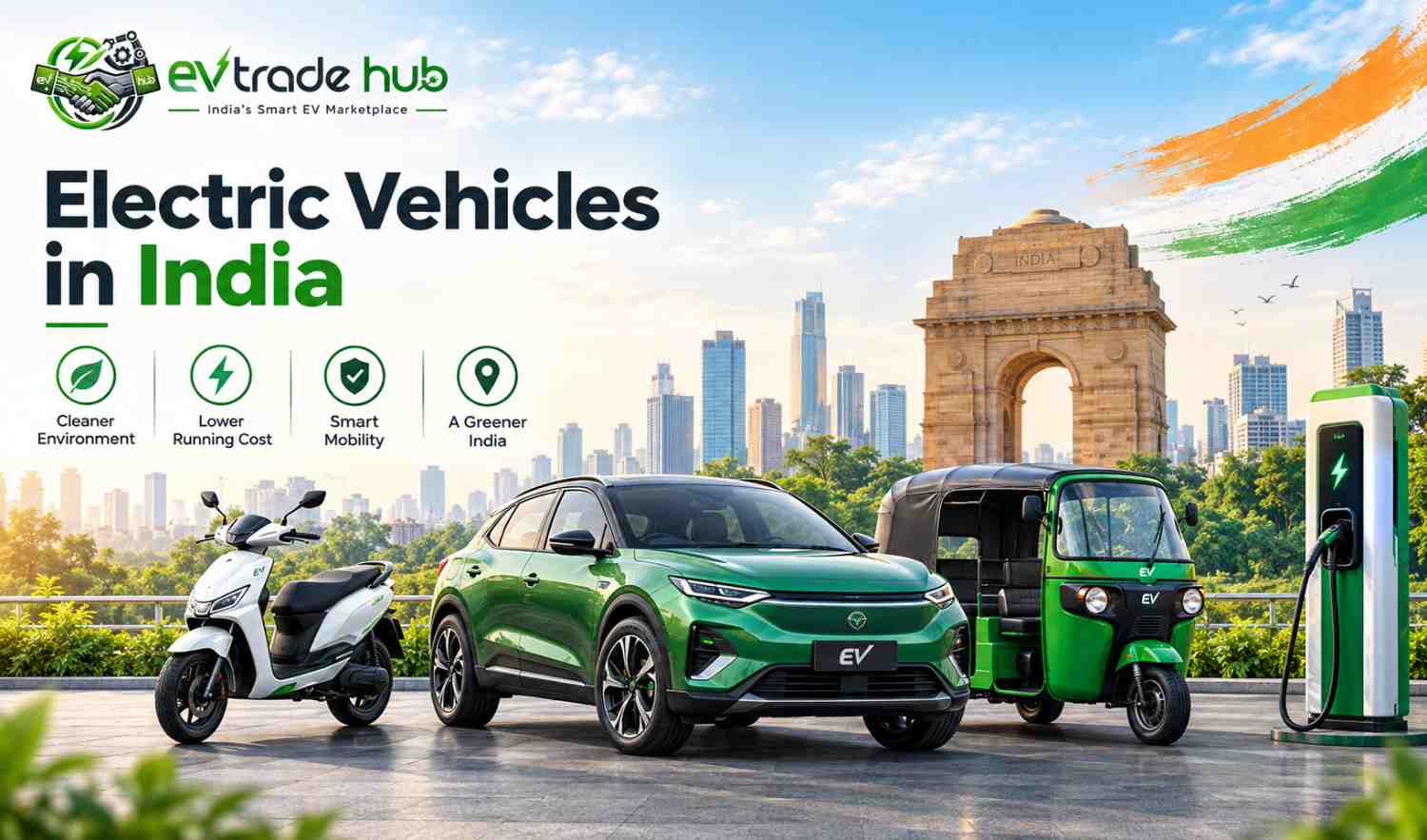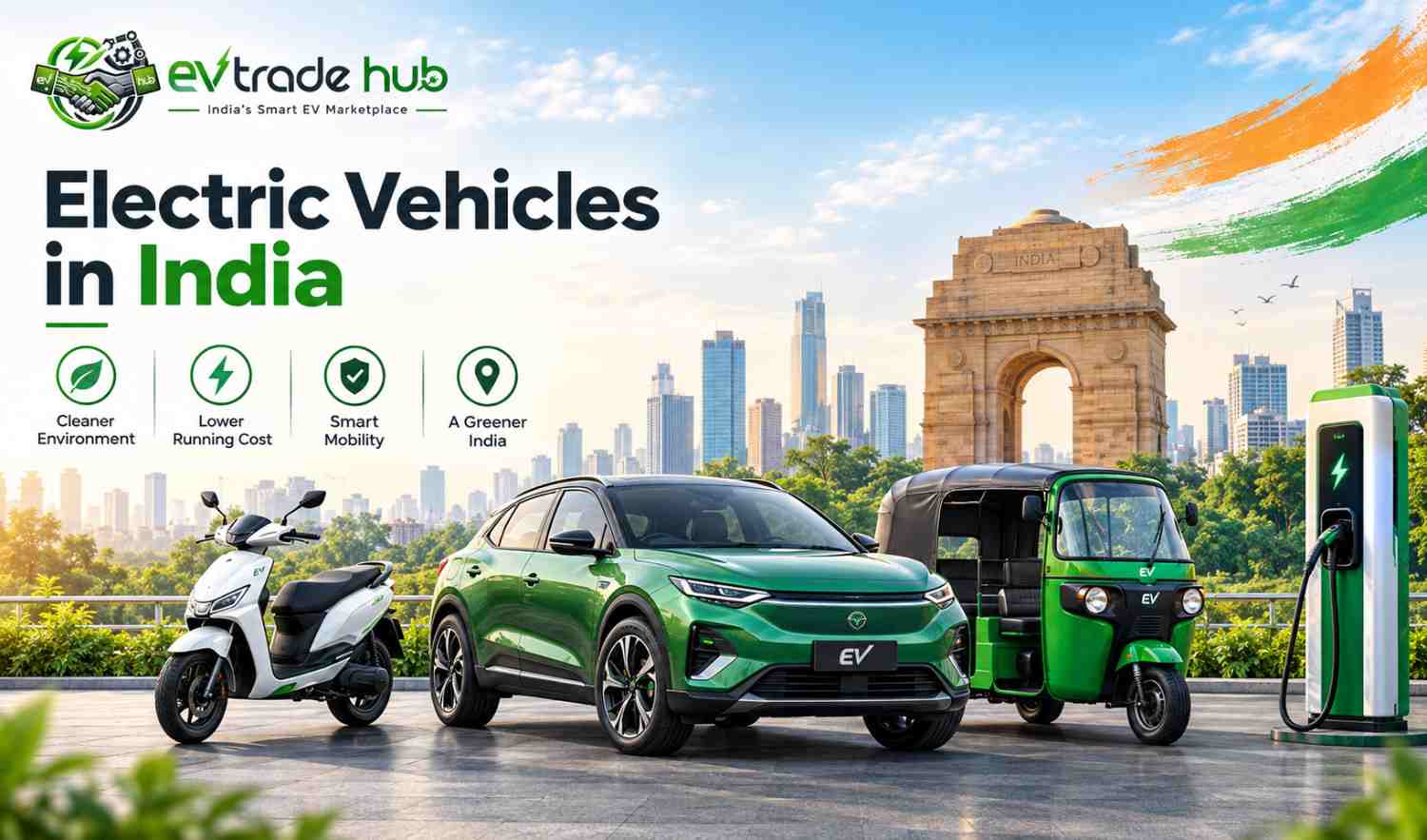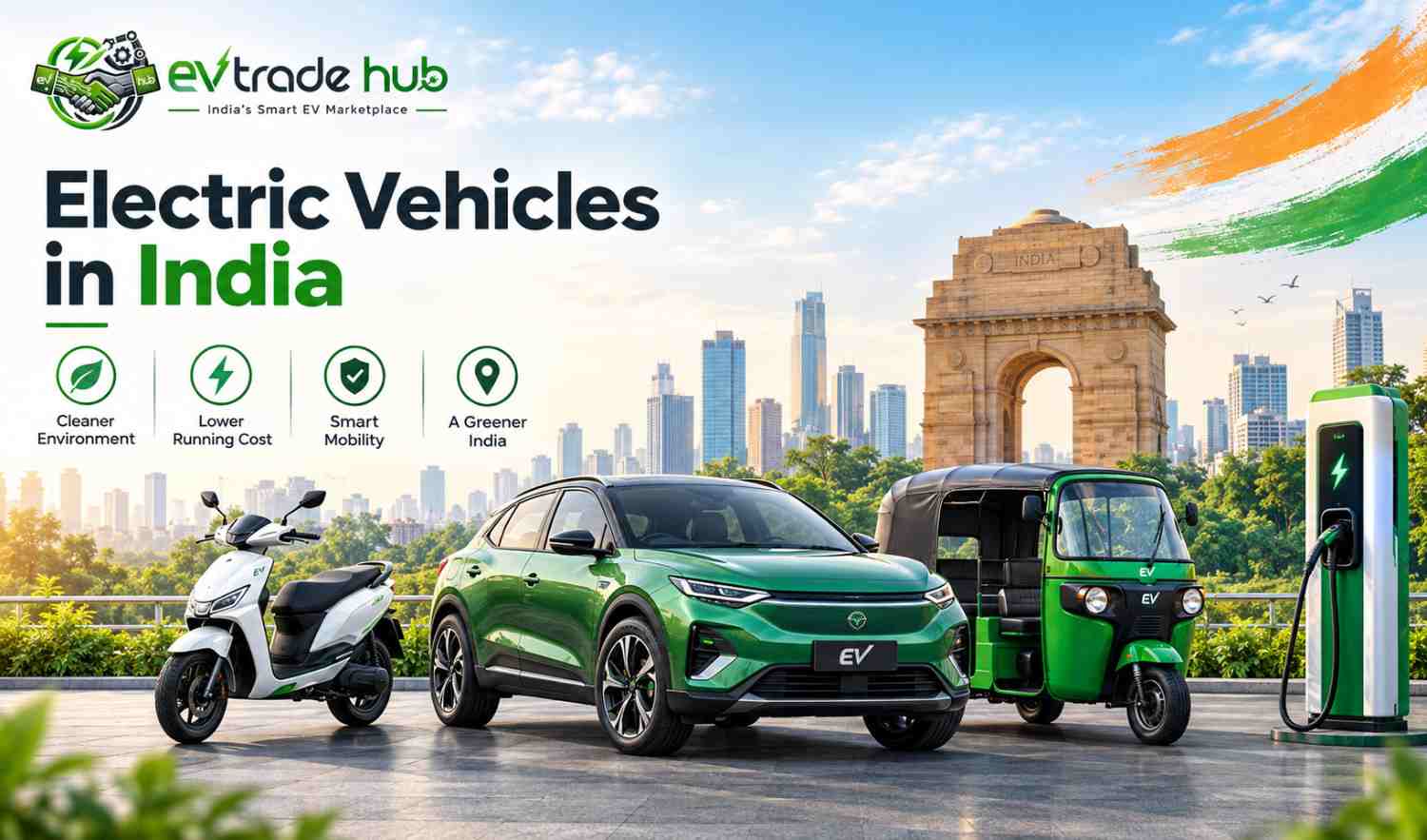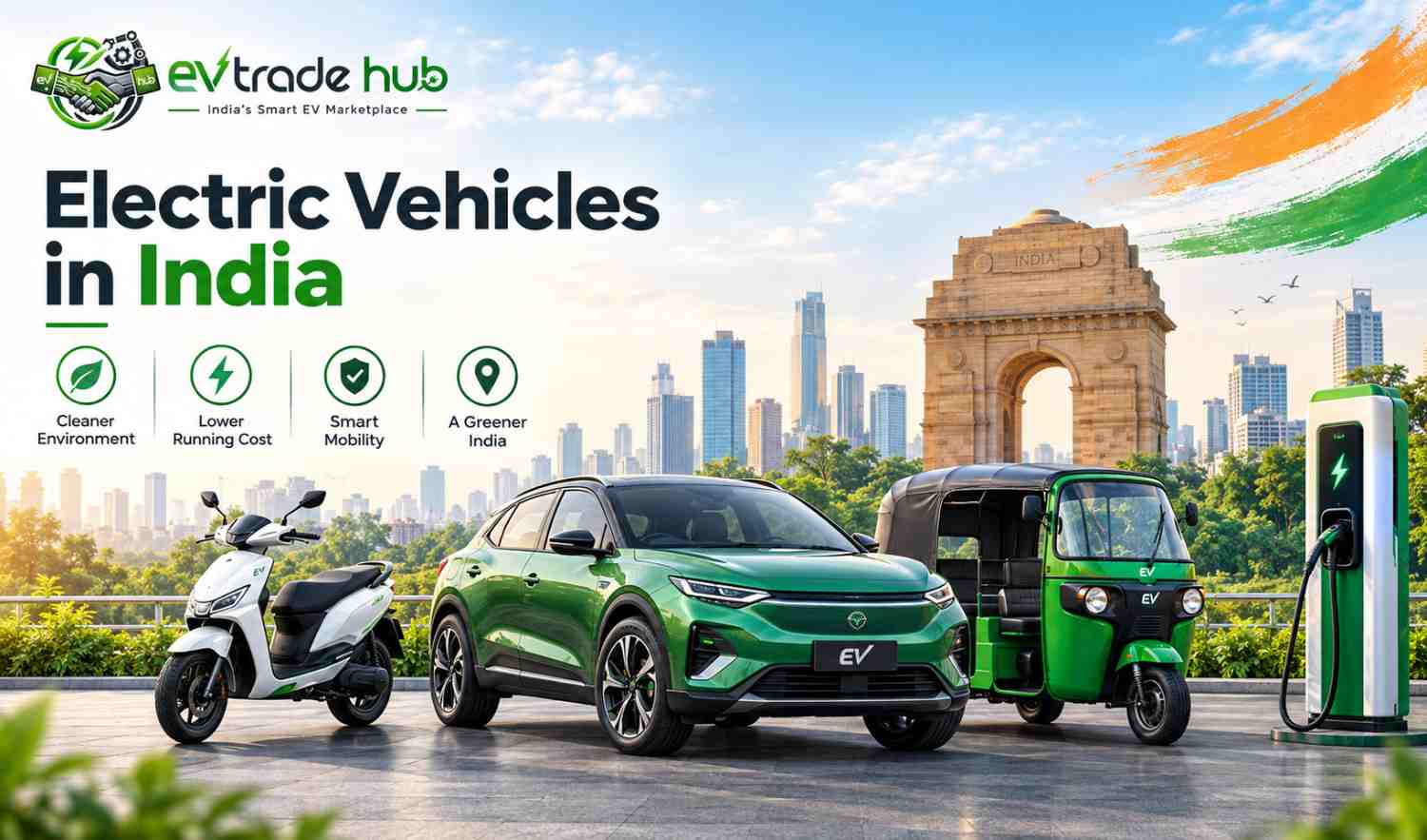
E Rickshaws and electric autos are both electric three-wheelers designed for passenger transportation, but they can differ significantly in vehicle design, performance, comfort, battery configuration, passenger capacity, features and intended usage. Both options can be useful for local transportation, but the right choice depends on the operator's route, passenger requirements, budget, charging facilities and expected daily utilization.
E Rickshaws are commonly associated with economical short-distance transportation, while electric autos may offer a more enclosed and conventional auto-rickshaw-style design. Before purchasing either vehicle, buyers should compare the complete specifications, battery technology, range, motor performance, service support and total ownership cost.
E Rickshaws generally use a simple three-wheeler design focused on local passenger transportation. Their open or semi-open configuration can provide easy passenger entry and exit and is commonly suited to short-distance routes.
Electric autos can be designed with a more enclosed passenger compartment and may provide features that are closer to conventional auto-rickshaws. Depending on the manufacturer and model, electric autos may differ in body construction, seating arrangement, dashboard design, suspension and safety features.
Vehicle design should be selected according to the type of roads, weather conditions, passenger expectations and operating environment.
Both E Rickshaws and electric autos can use rechargeable battery systems. Depending on the model, battery technology may include lead acid or lithium-based batteries such as LiFePO4.
The battery is one of the most important components because it influences vehicle range, charging requirements, weight and long-term ownership cost.
When comparing vehicles, buyers should check battery voltage, capacity, usable energy, warranty, charging time, battery management system and replacement availability. A battery should also be compatible with the vehicle's motor, controller and charging system.
The practical range of an electric three-wheeler depends on several factors. Battery capacity is important, but it is not the only factor that determines how far the vehicle can travel on one charge.
Passenger load, road conditions, traffic, driving speed, tyre pressure, motor efficiency, controller settings, weather and driving style can all influence real-world range.
Operators should therefore compare the expected real-world range with their daily route rather than relying only on the manufacturer's advertised figure.
E Rickshaws are commonly designed around economical local transportation requirements. Their electric motors are generally selected to provide suitable performance for city and short-distance passenger movement.
Electric autos can be available with different motor configurations and performance specifications depending on the vehicle model. Some may be designed for higher performance, improved acceleration or different load requirements.
When comparing performance, buyers should consider acceleration, climbing ability, load carrying capacity, stability and braking performance instead of looking only at the motor's rated power.
Passenger capacity is an important factor for commercial operators. E Rickshaws are commonly used for short-distance passenger transportation and may have seating arrangements designed around local commuting requirements.
Electric autos may provide a more enclosed passenger area and can offer a different seating configuration depending on the model.
Comfort should also be evaluated through seat design, suspension, legroom, roof protection, ventilation, entry and exit convenience and overall cabin space. A vehicle that is comfortable for passengers can be beneficial for operators serving regular routes.
Both E Rickshaws and electric autos use electricity instead of petrol or diesel as their primary energy source. Their actual operating cost depends on electricity prices, vehicle efficiency, battery capacity, charging losses, maintenance requirements and daily distance.
Electric vehicles can offer attractive energy costs for users who travel regularly and have access to convenient charging facilities. However, the complete operating cost should also include tyres, brakes, suspension, insurance, servicing and eventual battery replacement.
Commercial operators should calculate the expected cost per kilometre based on their actual daily usage.
Charging infrastructure is an important consideration for both types of electric three-wheelers. Operators should have access to a suitable charging point and compatible charger.
Home or business charging can be convenient when the vehicle follows a predictable daily schedule. Operators who use the vehicle for long hours should also consider charging time and whether additional charging arrangements are available.
Using the correct charger according to the battery manufacturer's specifications is important for battery performance and safety.
Electric three-wheelers generally have fewer engine-related components because they do not use a conventional petrol or diesel engine. However, they still require regular maintenance.
Important maintenance areas include tyres, brakes, suspension, steering, electrical wiring, motor, controller, charger and battery system. Regular inspection can help identify problems before they cause significant downtime.
Before purchasing an E Rickshaw or electric auto, buyers should check the availability of authorised service centres and replacement parts in their area.
Build quality can have a major impact on the durability of a commercial electric three-wheeler. Operators should inspect the chassis, body panels, roof, doors if applicable, passenger seats, suspension and other structural components.
A vehicle used for commercial transportation may experience frequent passenger loading, road shocks and long operating hours. Therefore, the quality of the chassis, suspension and other components should be considered carefully.
Braking performance is particularly important for passenger transportation. Buyers should check the braking system, tyre condition, suspension and overall stability during a test drive.
Depending on the vehicle model, safety-related features may differ. Buyers should understand which features are included in the specific model rather than assuming that every electric three-wheeler has the same equipment.
A proper test drive can help operators evaluate braking response, steering, acceleration and vehicle stability under realistic conditions.
After-sales support can make a significant difference in commercial vehicle ownership. An electric three-wheeler may require replacement parts such as tyres, brake components, suspension parts, controllers, chargers, motors or batteries during its operating life.
Before purchasing, check whether the manufacturer or dealer provides local service support and whether commonly required spare parts are readily available.
A lower-priced vehicle with poor service availability can sometimes result in greater downtime and higher long-term costs.
E Rickshaws can be suitable for short-distance passenger routes such as residential areas, local markets and connections between nearby transport points. Their economical design can make them attractive for operators focused on regular local transportation.
Electric autos may be suitable for operators who want a more enclosed vehicle design, different performance characteristics or additional comfort and features.
The best choice depends on passenger demand, route length, operating hours, road conditions and the expected number of daily trips.
An E Rickshaw may be a practical option for operators who primarily serve short-distance local routes and want a simple electric passenger vehicle. It can be particularly suitable when charging access is convenient and passenger demand is consistent.
An electric auto may be a better fit for operators who prefer a more enclosed design, different performance characteristics or additional passenger comfort, depending on the model available in their market.
The decision should be based on daily kilometres, passenger demand, route conditions, charging facilities, battery specifications, service support and expected income rather than simply choosing the vehicle with the lowest purchase price.
Start by identifying your daily route and expected passenger load. Then compare battery capacity, real-world range, motor specifications, controller compatibility, charging time, seating capacity, braking, suspension and build quality.
Also compare the manufacturer's warranty, battery warranty, dealer support, spare-parts availability and expected maintenance expenses. Taking a proper test drive can help you understand acceleration, braking, steering, comfort and overall stability.
E Rickshaws and electric autos are both useful options for electric passenger transportation, but they are designed with different priorities. E Rickshaws generally focus on economical local transportation, while electric autos may offer different designs, performance levels, comfort features and enclosed passenger arrangements.
The right choice depends on the operator's route, passenger requirements, budget, charging availability and expected daily utilization. Before purchasing, compare battery technology, range, motor performance, passenger capacity, build quality, service support, warranty and total ownership cost to select the electric three-wheeler that best matches your business requirements.