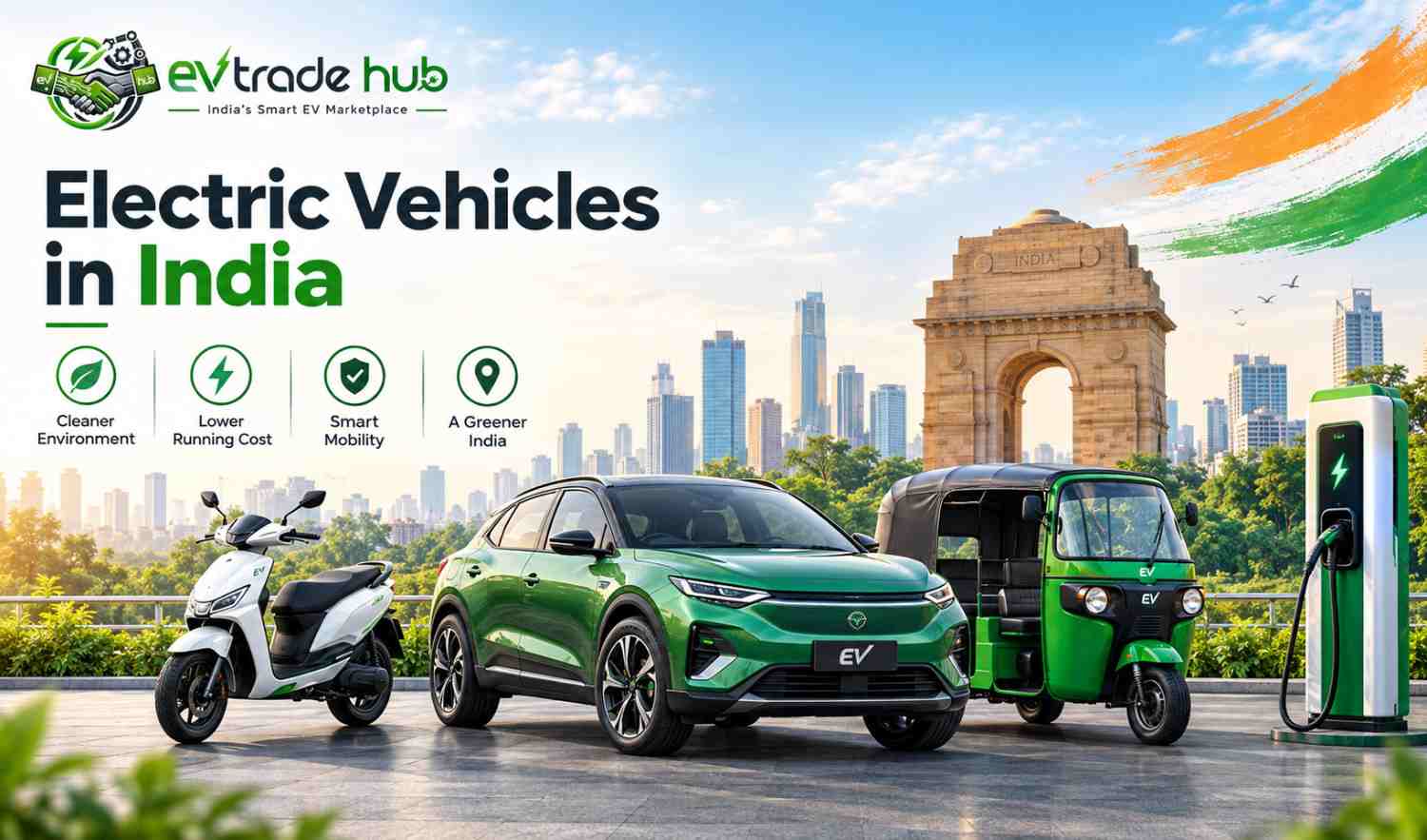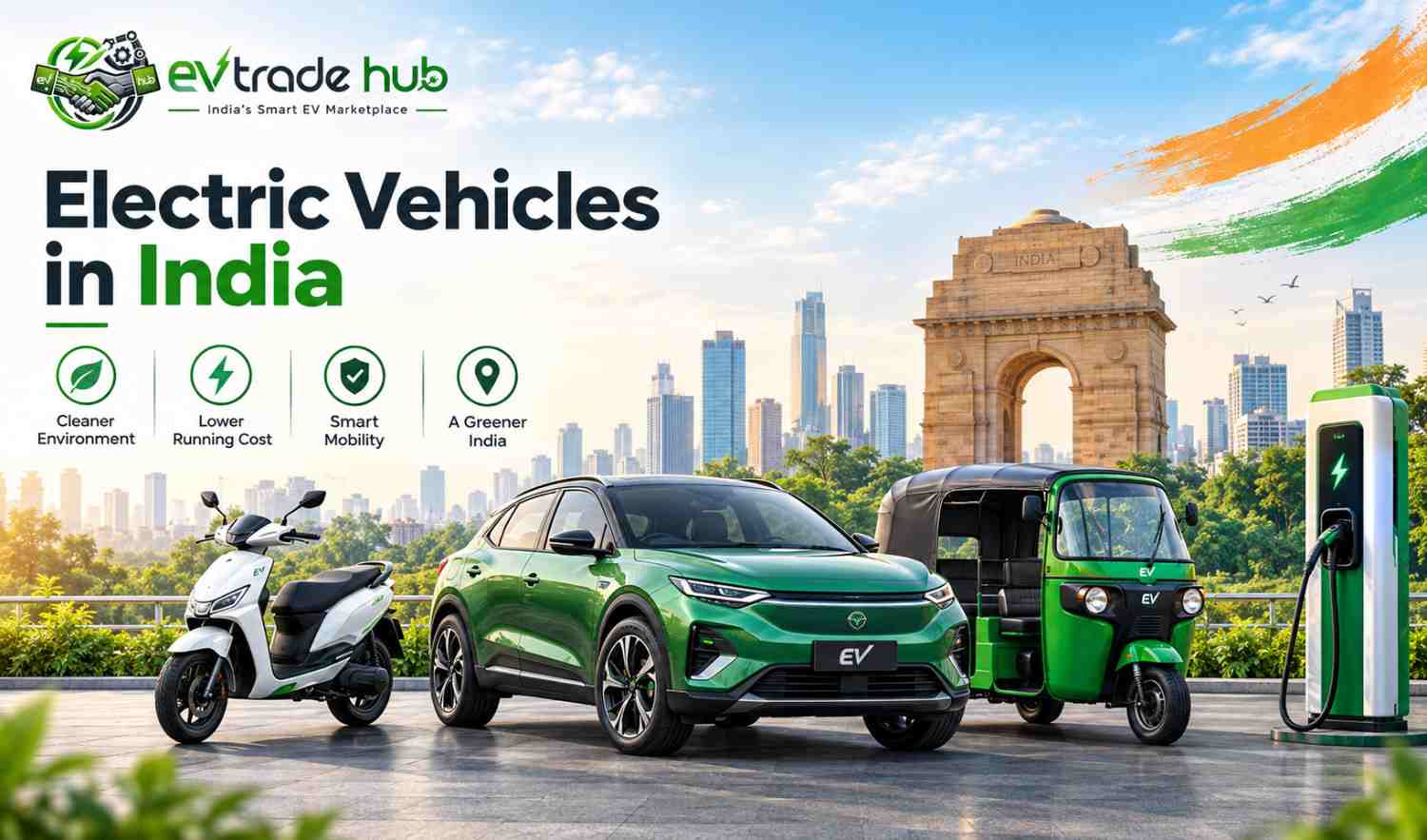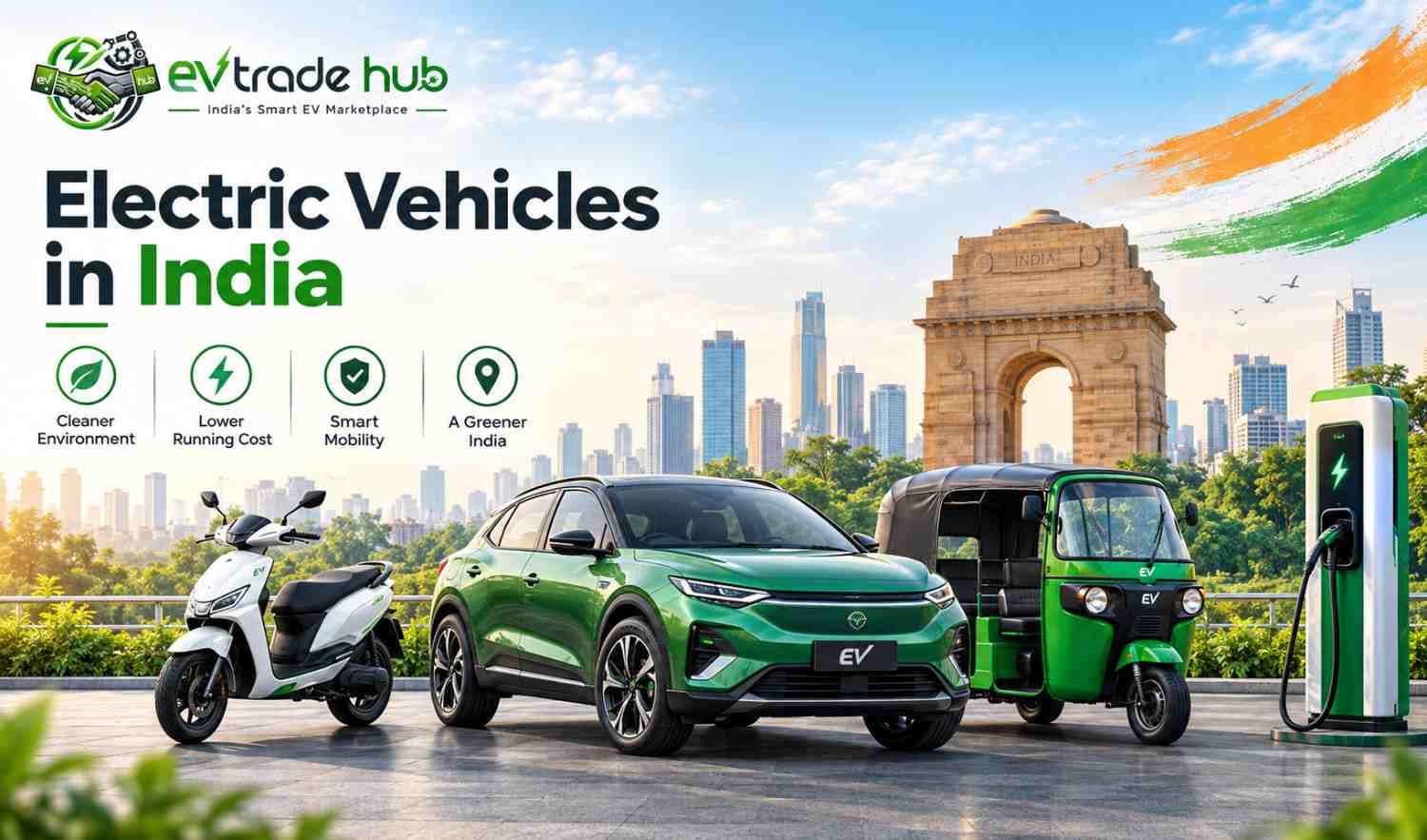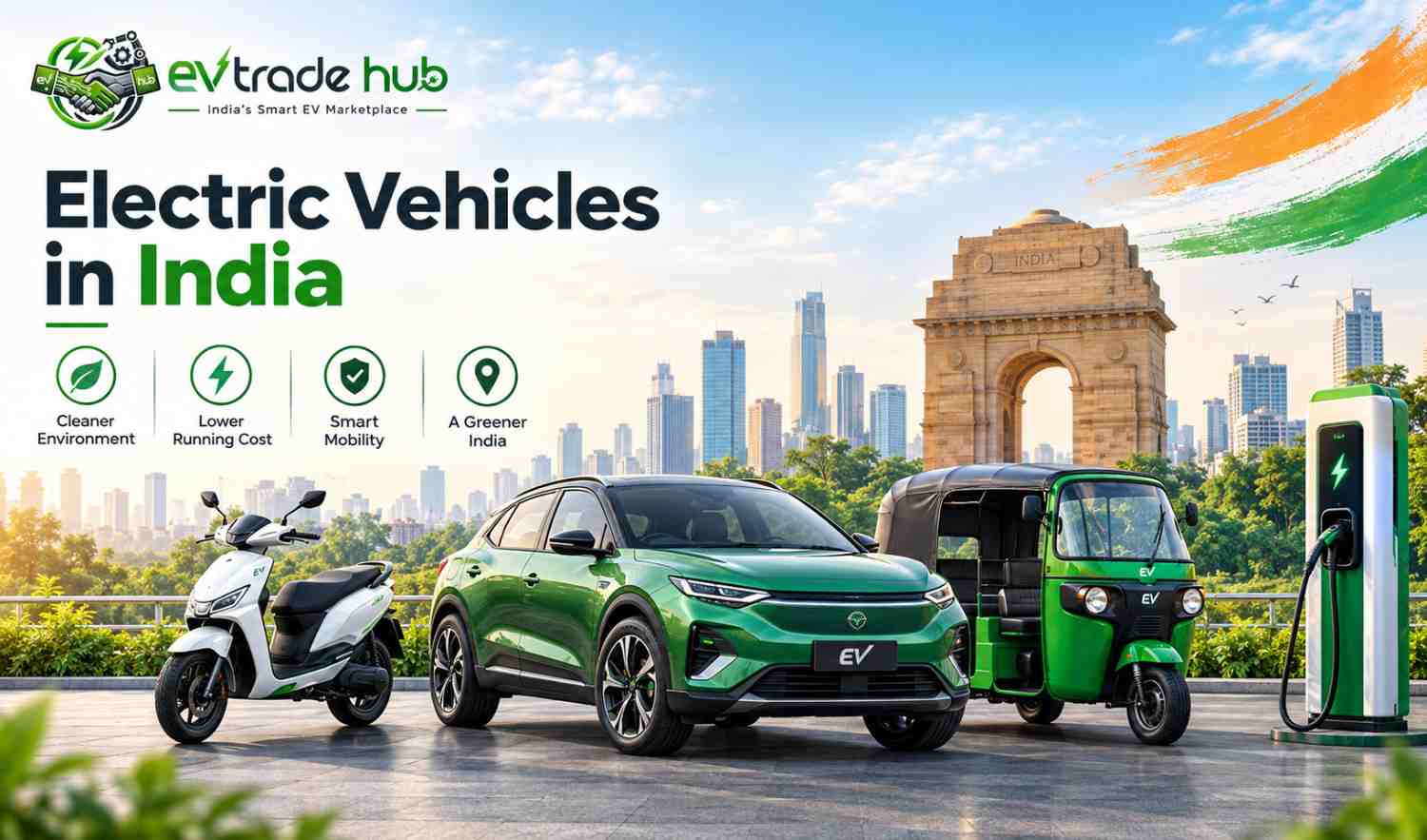
The price of an E Rickshaw depends on several factors, including battery technology, motor specification, controller, vehicle design, body quality, features, warranty and manufacturer. Different E Rickshaw models can have significantly different prices because their specifications and equipment may vary.
For buyers, comparing only the advertised purchase price may not provide a complete picture of the actual cost. Battery replacement, charging, maintenance, insurance, financing and spare parts can all contribute to the total ownership cost.
Whether you are buying an E Rickshaw for personal use, passenger transportation, a commercial business or a small fleet, it is important to compare specifications and long-term operating costs before making a decision.
The price of an E Rickshaw is influenced by the combination of electrical, mechanical and body components used in the vehicle. Two vehicles that look similar from the outside may have different motors, batteries, controllers and other components.
Important factors that can affect the price include:
Therefore, buyers should compare the complete vehicle specification instead of selecting an E Rickshaw simply because it has a lower starting price.
Battery technology is one of the major factors affecting the total price of an E Rickshaw. Lead-acid and lithium-based batteries can have different purchase costs, weight, charging characteristics and expected service requirements.
Lead-acid batteries are commonly considered by buyers who want a relatively lower initial investment. They have been widely used in electric three-wheelers and are available through many dealers and suppliers.
However, buyers should consider the battery's weight, maintenance requirements, charging characteristics and expected replacement cycle when calculating the long-term cost.
Lithium-based battery E Rickshaws can have a higher initial purchase price compared with some lead-acid options. Depending on the battery technology, they may offer advantages related to weight, charging characteristics and lifecycle.
When comparing lithium battery vehicles, buyers should check the battery chemistry, capacity, battery management system, charger, warranty and service support rather than comparing price alone.
The motor and controller are important components that influence vehicle performance. Motor specifications should be suitable for the vehicle's expected passenger load, road conditions and operating environment.
The controller manages electrical power delivered to the motor and should be properly matched with the battery and motor. A vehicle with a suitable motor-controller combination can provide more consistent performance under its intended operating conditions.
When comparing two E Rickshaws with different prices, buyers should check the motor and controller specifications to understand what is included in the price difference.
Battery capacity can also influence E Rickshaw pricing. A larger capacity battery may increase the initial vehicle cost, but it can provide greater available energy depending on the vehicle configuration and operating conditions.
However, a larger battery is not automatically the best choice for every buyer. Daily travel distance, passenger load, road conditions and charging availability should be considered.
Buyers should compare practical operating requirements rather than choosing the highest available battery capacity without a specific need.
The construction and overall build quality of an E Rickshaw can influence both price and long-term ownership experience. Body panels, roof construction, seating, chassis, suspension and other components can vary between models.
Before purchasing, inspect the overall vehicle construction and check whether the components appear suitable for the expected daily workload.
A slightly higher purchase price may be reasonable if the vehicle offers better construction, stronger components, reliable service and suitable warranty coverage.
Braking and suspension components are important for passenger safety, comfort and vehicle handling. Buyers should not overlook these systems while comparing prices.
Check the braking system, suspension arrangement, tyres and related components. A vehicle intended for regular commercial use should have components appropriate for its expected load and road conditions.
Different E Rickshaw models may offer different features and equipment. These can include lighting systems, indicators, dashboard displays, charging ports, seating arrangements, mirrors, roof designs and other accessories.
Some features may increase the purchase price without being essential for every user. Buyers should identify which features are genuinely useful for their operating requirements and compare vehicles accordingly.
Warranty and service support are important factors when evaluating the actual value of an E Rickshaw. A vehicle with a competitive price but limited service availability may become more expensive to operate if repairs or spare parts are difficult to obtain.
Before purchasing, ask about warranty coverage for major components such as the battery, motor and controller. Also check service centre availability, spare parts support and the process for handling warranty-related issues.
Spare parts availability can affect long-term maintenance costs. Common components such as brake parts, electrical accessories, wiring, tyres, suspension components and other replacement parts should ideally be easy to source.
If a vehicle uses specialised components that are difficult to obtain locally, repair downtime may increase. This is particularly important for commercial operators who depend on the vehicle for daily income.
The purchase price is only one part of the total cost of owning an E Rickshaw. Buyers should estimate the expenses that may occur during regular operation.
Important ownership costs can include:
Comparing these costs can provide a more realistic understanding of which E Rickshaw offers better value over the long term.
Some buyers choose financing instead of paying the complete vehicle price upfront. Financing can make the initial purchase more manageable, but buyers should compare the total repayment amount rather than focusing only on the monthly EMI.
Before choosing a finance option, check the down payment, interest rate, loan tenure, processing charges, insurance requirements and total repayment amount.
The monthly payment should also be considered in relation to the expected income from the vehicle. Commercial operators should avoid taking an EMI that puts excessive pressure on their regular cash flow.
Buyers may also compare new and used E Rickshaws. A used vehicle can have a lower initial purchase price, but its condition and remaining component life should be carefully evaluated.
For a used E Rickshaw, check the battery condition, motor, controller, brakes, tyres, suspension, chassis, electrical system and maintenance history.
A low purchase price may not always represent a good deal if the vehicle requires immediate battery replacement or major repairs.
When comparing different models, create a simple comparison based on specifications and ownership costs.
This approach can help buyers identify whether a higher-priced model actually provides additional value for their specific requirements.
Before purchasing, buyers should ask the dealer for complete information about the vehicle. Important questions may include battery specifications, motor capacity, controller details, warranty terms, charging requirements and service support.
It is also useful to ask about the availability and approximate cost of commonly replaced spare parts. Clear information before purchase can reduce confusion later.
One of the most common mistakes is choosing the cheapest vehicle without checking its specifications. A lower purchase price may sometimes be associated with differences in battery, motor, body quality, warranty or service support.
To get better value, buyers should first identify their actual daily requirements. Consider the expected passenger load, distance, operating hours, road conditions and charging availability.
After defining these requirements, compare multiple vehicles based on battery, motor, controller, build quality, warranty, service and estimated operating costs.
The goal should be to select a vehicle that offers the right balance between purchase price, performance, reliability and long-term maintenance.
E Rickshaw price depends on many factors, including battery technology, motor and controller specifications, build quality, features, warranty and manufacturer support. A lower initial price may not always result in lower long-term ownership costs.
Before purchasing, compare battery options, practical range, motor performance, build quality, braking and suspension, spare parts availability, warranty and after-sales service. Also consider charging, maintenance, insurance and financing expenses when calculating the total cost of ownership.
A well-researched purchase can help buyers choose an E Rickshaw that matches their budget, daily operating requirements and long-term business needs.