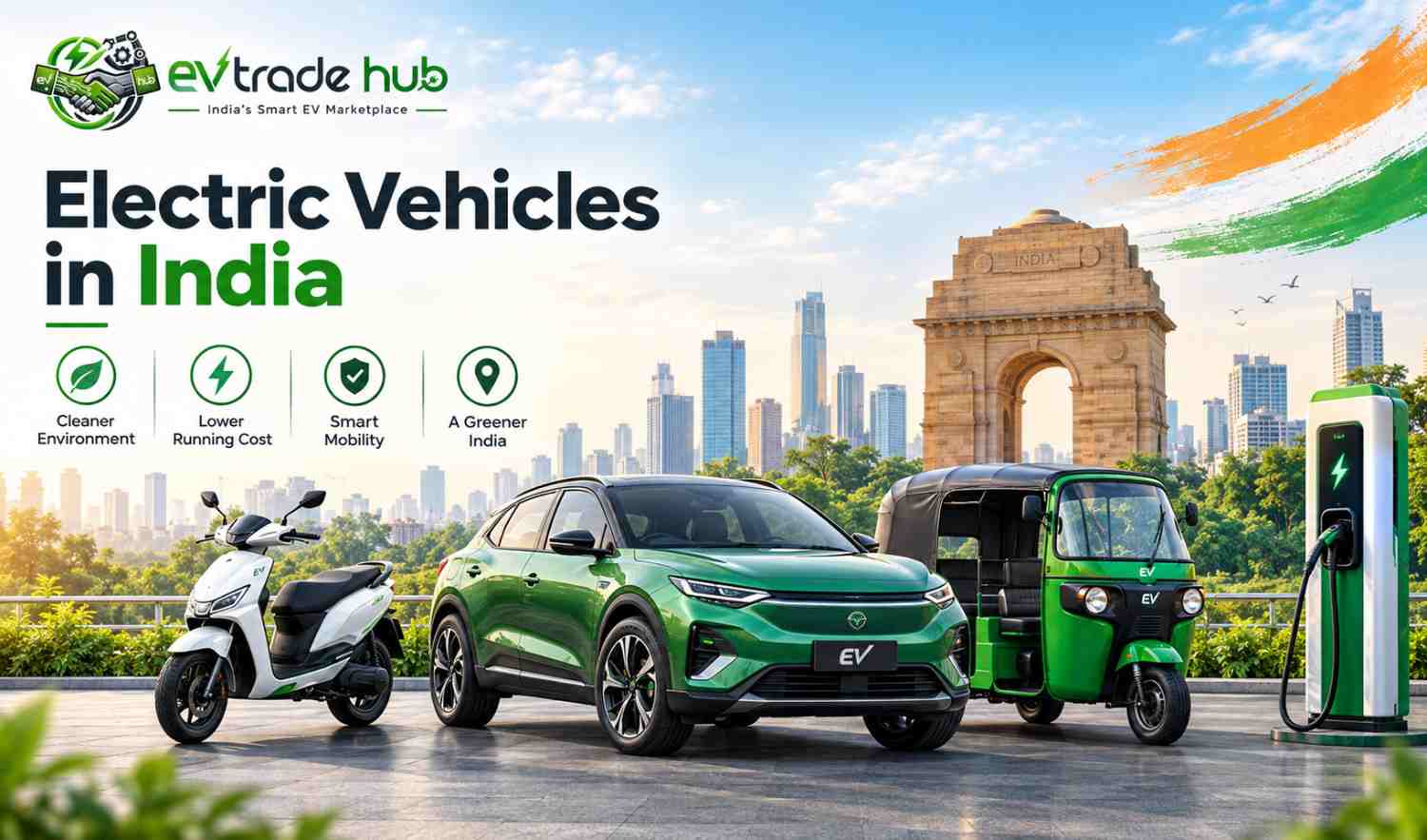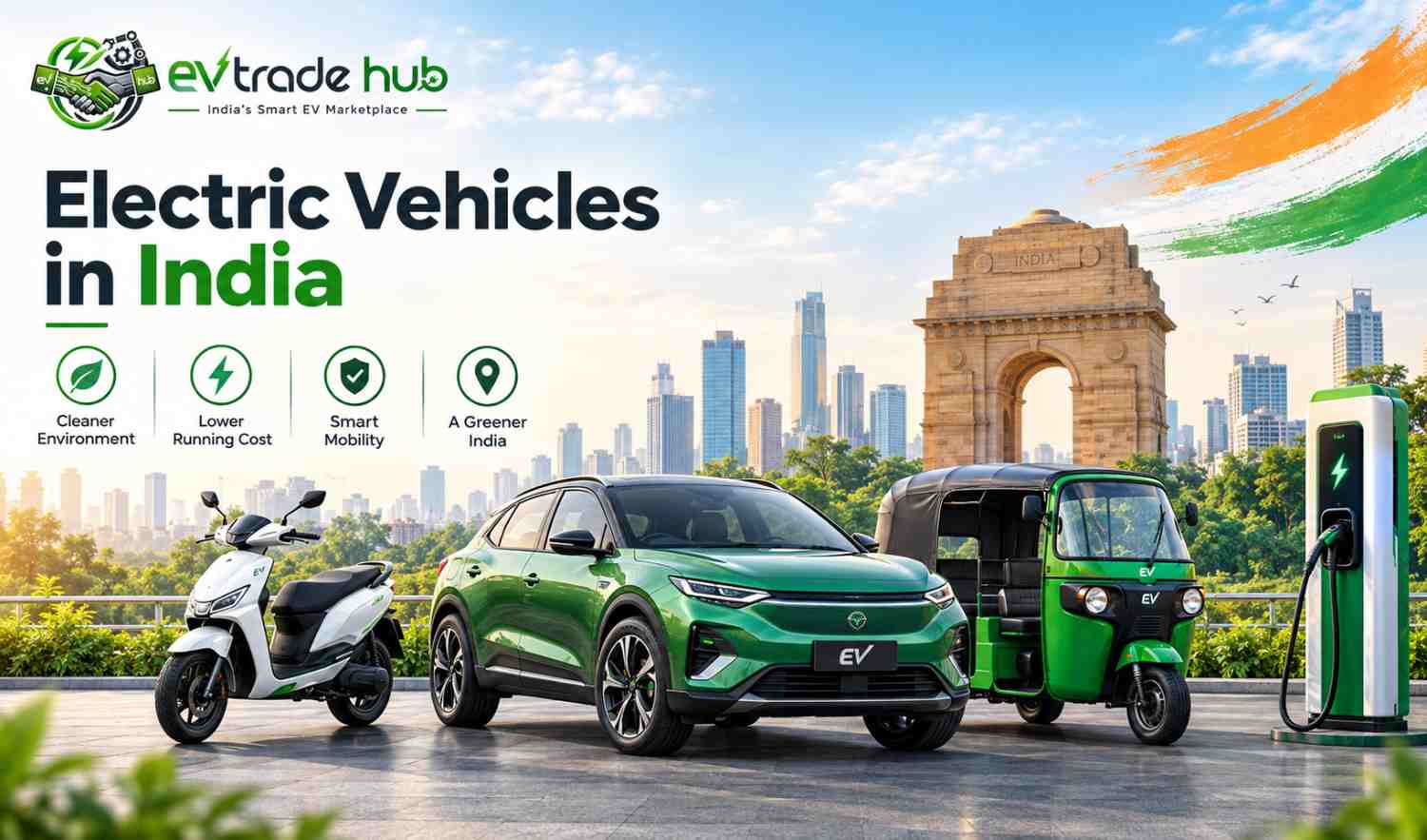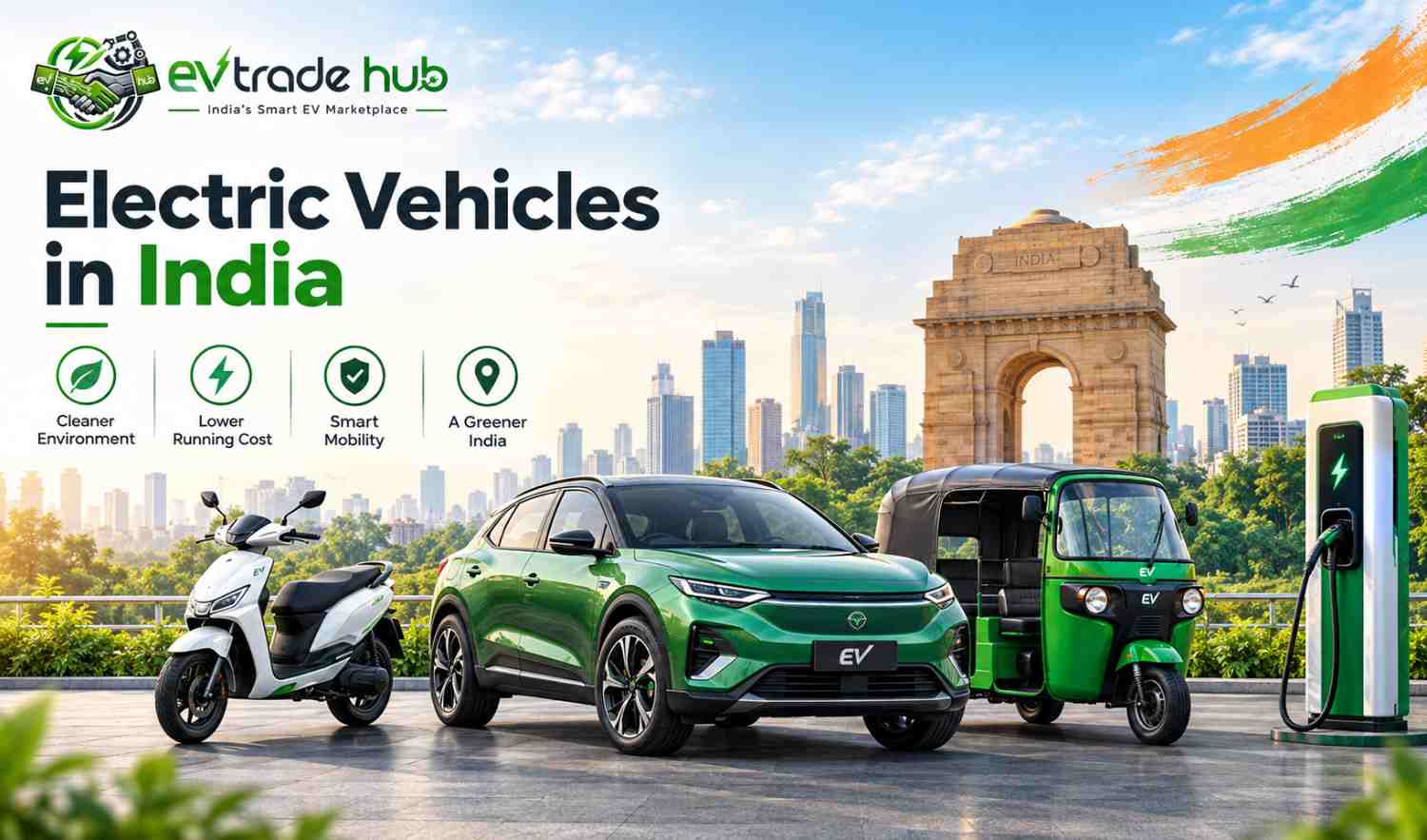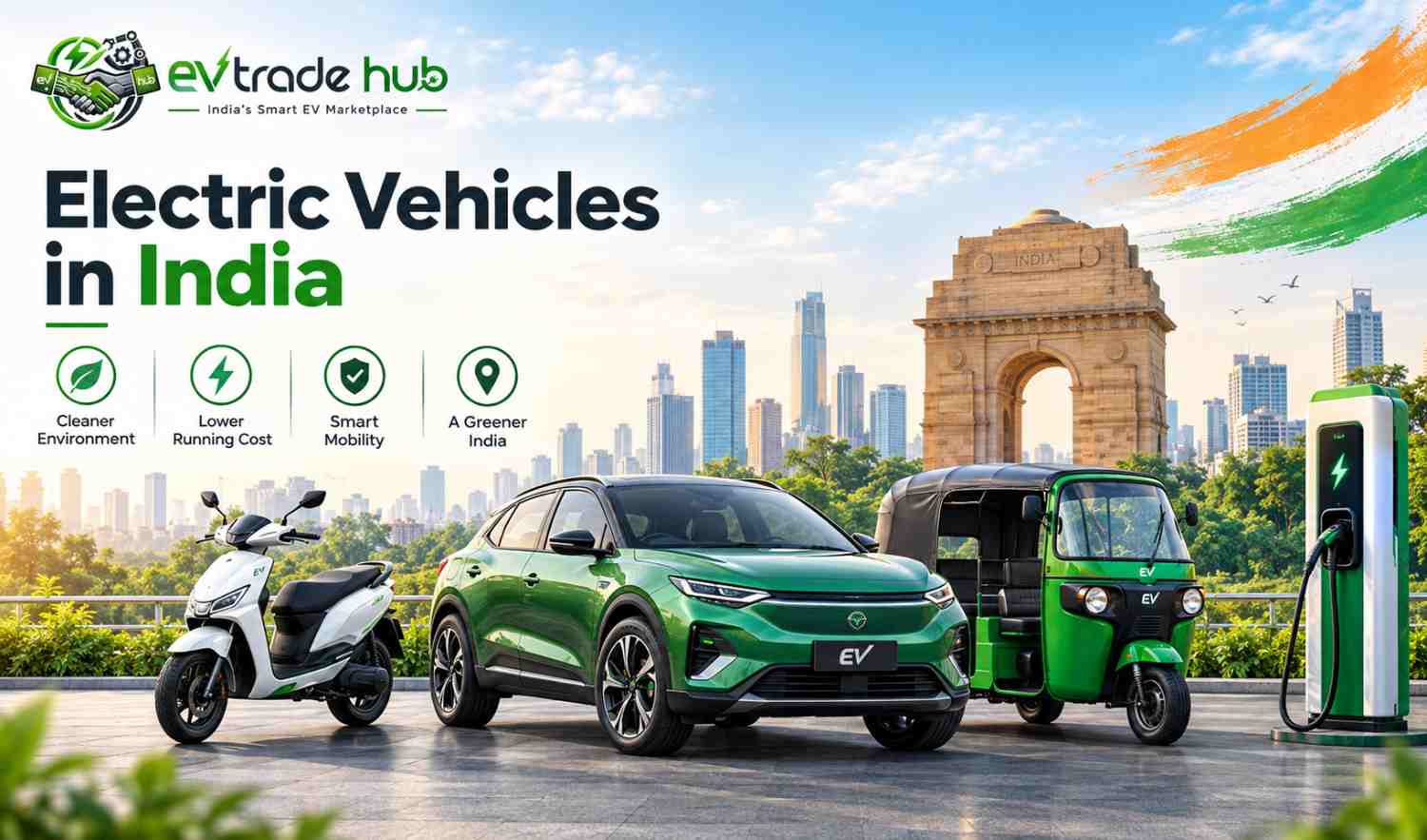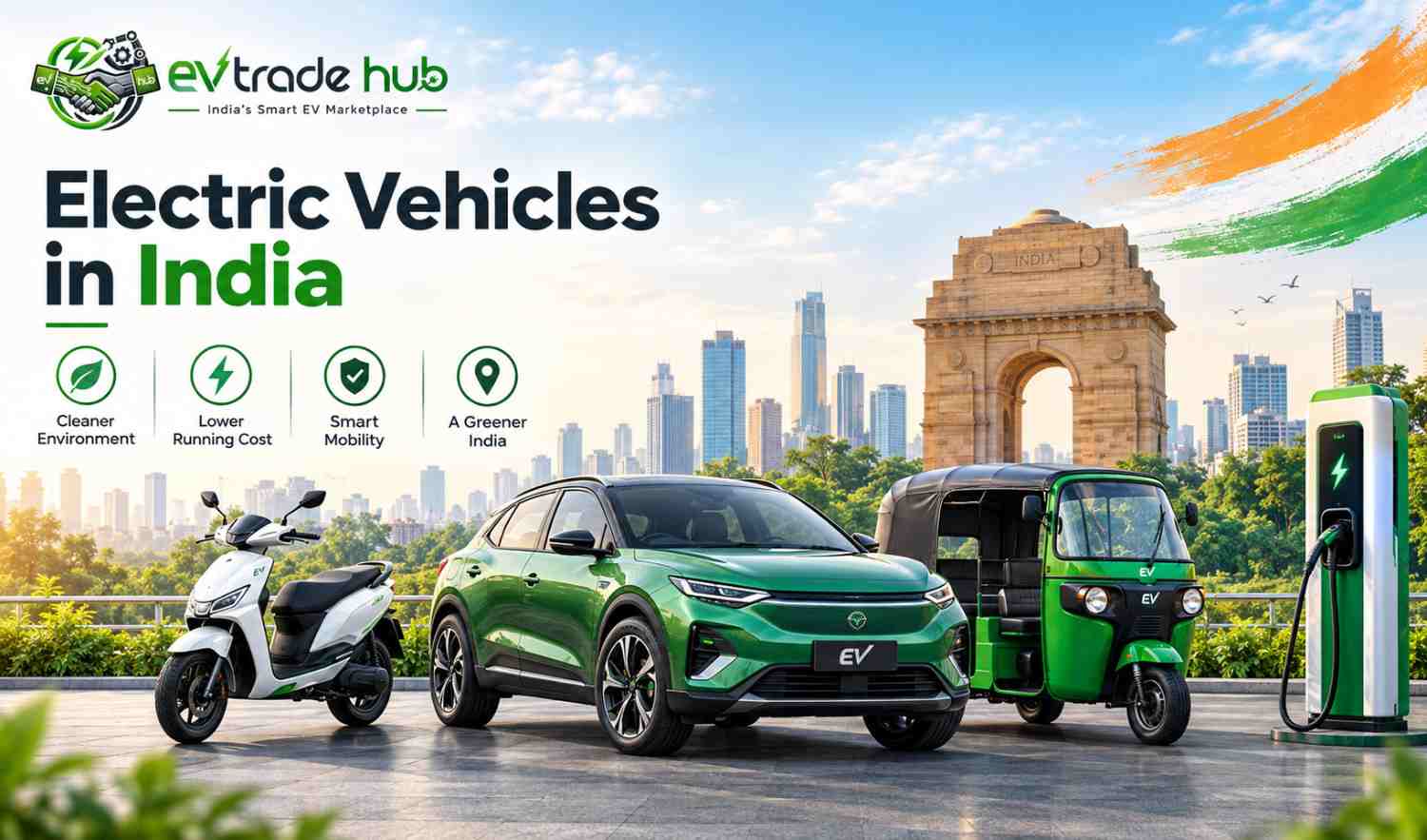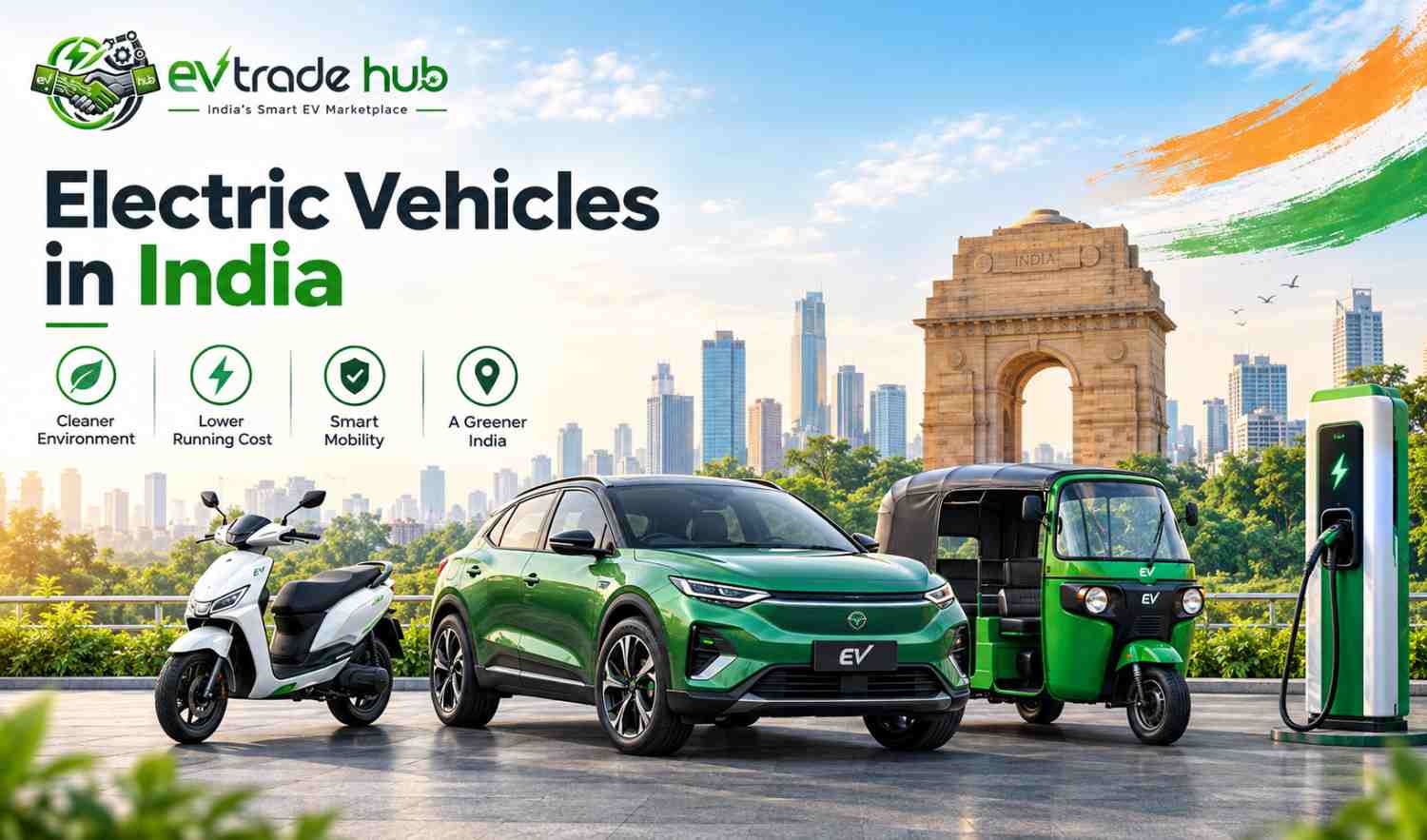
Electric vehicles are becoming an important part of the transportation ecosystem in Uttar Pradesh. With a large population, expanding cities, growing commercial activity and increasing transportation requirements, the state offers a wide range of opportunities for electric mobility.
Electric scooters, electric bikes, e-rickshaws, electric loaders, electric cars, buses and other commercial electric vehicles can support different personal and business transportation requirements. EVs can be used for daily commuting, passenger transportation, local deliveries, goods movement and other short-distance applications.
Major urban and commercial areas across Uttar Pradesh have different transportation requirements, which means there is no single EV solution for every user. A personal commuter may prefer an electric scooter, while a passenger transportation operator may consider an e-rickshaw. Businesses involved in local logistics can consider electric loaders or other commercial EVs.
Before purchasing an electric vehicle, customers should compare battery capacity, practical range, charging requirements, motor performance, warranty, service support and total ownership cost. Selecting a vehicle according to actual usage can help provide better long-term value.
Uttar Pradesh has a large network of cities, towns and commercial areas where short and medium-distance transportation is required every day. Electric vehicles can provide an alternative mobility option for many of these transportation needs.
Electric vehicles can be particularly useful for daily commuting, last-mile connectivity, local passenger transportation and commercial delivery. Their suitability depends on factors such as route distance, vehicle category, battery capacity, charging access and operating conditions.
For commercial users, the economics of vehicle ownership are especially important. Businesses should consider purchase cost, financing, charging, maintenance, tyres, spare parts and battery replacement while evaluating an electric vehicle.
The EV market in Uttar Pradesh includes several categories designed for different applications. Customers can choose a vehicle according to their transportation requirements, budget and expected usage.
Electric scooters are suitable for personal commuting and local travel. They can be useful for office travel, market visits, educational institutions and other regular short-distance journeys.
Important factors include battery capacity, practical range, charging time, motor performance, braking system, suspension, warranty and local service availability.
Electric bikes can provide another option for personal transportation. Buyers should compare battery capacity, motor specifications, riding range, charging requirements and vehicle comfort before selecting a model.
The actual range of an electric bike can vary according to riding speed, road conditions, load, weather, tyre pressure and battery condition.
E-rickshaws are widely suited to short-distance passenger transportation and last-mile connectivity. They can support local transportation requirements across residential and commercial areas.
Commercial operators should consider passenger capacity, battery technology, motor performance, suspension, tyres, brakes and vehicle durability. Service and spare parts availability are also important for vehicles used regularly for commercial purposes.
Electric loaders can support local goods transportation and delivery operations. They can be useful for grocery delivery, retail distribution, small businesses and short-distance logistics.
Businesses should compare payload capacity, battery range, motor performance, charging time and vehicle durability before selecting an electric loader.
Electric cars can provide an option for personal and family transportation. Buyers should consider battery capacity, expected range, charging facilities, charging time, warranty and service support.
Daily travel requirements should be evaluated carefully so that the selected vehicle's range and charging arrangements match the user's regular usage.
Electric buses and utility vehicles can be considered for larger passenger transportation and specialized commercial applications. Their suitability depends on route requirements, passenger capacity, battery capacity, charging infrastructure and operational schedules.
The battery is one of the most important components of an electric vehicle. Battery capacity and technology can affect vehicle range, charging requirements, weight and overall ownership experience.
Different electric vehicles use different battery technologies depending on their design and application. Lithium-based batteries are used across many modern EV applications, while LiFePO4 batteries are also used in certain electric vehicles. Lead-acid batteries remain available for selected applications, particularly in some commercial and budget-focused vehicle categories.
Customers should not select a battery based only on price. The battery should be compatible with the vehicle, motor, controller and charging system. Before replacing a battery, users should verify the required specifications with the manufacturer or a qualified technician.
Charging infrastructure is an important part of electric vehicle adoption. Personal EV users may be able to charge their vehicles at home or at their workplace if suitable electrical arrangements are available.
Commercial EV operators need to plan charging according to their daily operating schedule. E-rickshaw, electric loader and delivery vehicle operators may need regular charging to maintain vehicle availability throughout the working day.
Electric car users should also consider home charging requirements and the availability of suitable charging options for their travel patterns. Charging time, electrical requirements and vehicle compatibility should be understood before purchasing an EV.
Using the manufacturer's recommended charging equipment and following appropriate charging practices can help reduce avoidable battery and electrical issues.
Dealer and service support is an important consideration when purchasing an electric vehicle. Customers should check the availability of authorized or reliable service support in their area.
Before purchasing, buyers should ask about battery warranty, vehicle warranty, motor and controller support, service intervals, spare parts availability and warranty claim procedures.
For commercial EV users, service availability can be particularly important because vehicle downtime may affect daily business operations and income.
Electric vehicles require regular inspection of both electrical and mechanical components. Depending on the vehicle category, components such as batteries, motors, controllers, chargers, tyres, brakes, suspension parts and wiring may require maintenance or replacement.
Commercial vehicles generally require more frequent inspection because they may operate for longer hours and carry passengers or goods regularly.
The expanding electric mobility ecosystem can create opportunities for businesses across different parts of the EV industry. Entrepreneurs can explore vehicle dealerships, distribution, battery sales, charging services, spare parts and EV servicing.
An EV dealership can focus on electric scooters, bikes, e-rickshaws, electric loaders, cars or other commercial EV categories. Business owners should research local demand, select suitable brands and evaluate after-sales support before starting operations.
Distributors can work with manufacturers and local dealers to supply electric vehicles and related products across suitable markets. Reliable manufacturers, product quality, territory arrangements and service support should be considered before entering the distribution business.
Battery sales and replacement can provide an opportunity within the EV ecosystem. Businesses can supply compatible batteries for electric scooters, bikes, e-rickshaws and other EV applications.
Battery businesses should maintain proper product knowledge and provide customers with clear information about capacity, voltage, compatibility, charging requirements and warranty.
EV spare parts businesses can supply components such as chargers, controllers, motors, tyres, brakes, wiring components and other mechanical or electrical parts.
Reliable availability of commonly required components can support vehicle owners, commercial operators and local repair workshops.
EV service centers can provide battery inspection, motor and controller diagnostics, wiring repairs, charging system checks and component replacement. Proper technical knowledge and trained technicians are important for reliable EV servicing.
Commercial EVs can support a variety of business activities across Uttar Pradesh. Delivery businesses, retailers, distributors, local logistics operators and passenger transportation providers can evaluate electric vehicles according to their operating requirements.
Before purchasing a commercial EV, businesses should calculate expected daily running distance, payload or passenger requirements, charging time, maintenance costs and financing expenses.
A vehicle should be selected according to actual business usage rather than only its purchase price. Reliable service support and availability of spare parts can also reduce operational difficulties.
Customers can choose between new and used electric vehicles depending on their budget and requirements. New EVs generally provide access to newer components and warranty support, while used vehicles can have a lower initial purchase cost.
When purchasing a used EV, buyers should inspect the battery, motor, controller, charger, brakes, tyres, suspension, chassis and electrical wiring. Battery condition is particularly important because replacement may represent a significant ownership expense.
Customers should avoid selecting an electric vehicle only because of its low price or advertised range. Long-term ownership depends on several factors, including battery quality, charging convenience, service support and spare parts availability.
The right electric vehicle depends on the user's actual transportation needs. Electric scooters and bikes can be suitable for personal commuting, e-rickshaws can support passenger transportation, electric loaders can support goods movement and electric cars can provide an option for family transportation.
Before making a purchase, customers should compare battery technology, practical range, charging time, motor performance, vehicle build quality, warranty, service support and total ownership cost.
Commercial buyers should additionally consider payload capacity, daily operating hours, charging downtime and maintenance requirements. A proper comparison can help businesses select a vehicle that fits their operational needs.
The electric vehicle ecosystem in Uttar Pradesh has opportunities across personal mobility, commercial transportation, passenger movement, local delivery and supporting services. As more consumers and businesses consider electric vehicles, demand can also develop for charging, batteries, spare parts, servicing and other EV-related solutions.
The growth of the ecosystem can provide opportunities not only for vehicle manufacturers and dealers but also for distributors, workshops, battery suppliers, charging service providers and other supporting businesses.
Electric mobility is creating new transportation and business opportunities across Uttar Pradesh. Electric scooters, bikes, e-rickshaws, electric loaders, cars, buses and other commercial EVs can support different personal and commercial transportation requirements.
For buyers, selecting the right EV requires more than comparing the purchase price. Battery technology, practical range, charging access, motor performance, warranty, service support, spare parts and total ownership cost should all be considered.
Businesses can also explore opportunities in EV dealerships, distribution, battery supply, charging services, spare parts and vehicle servicing. With the right product selection and reliable after-sales support, the growing electric mobility ecosystem can provide practical opportunities for both EV users and businesses across Uttar Pradesh.