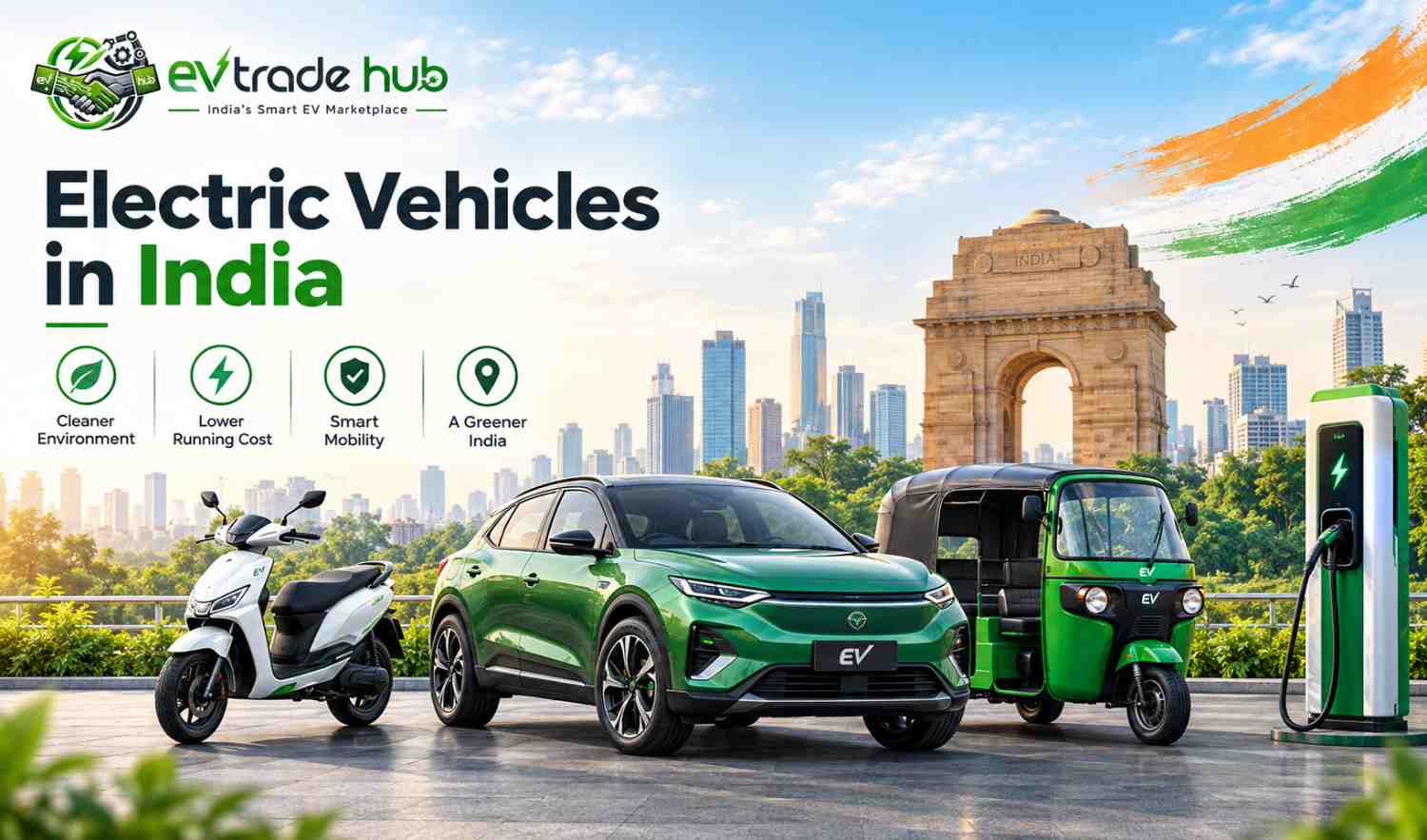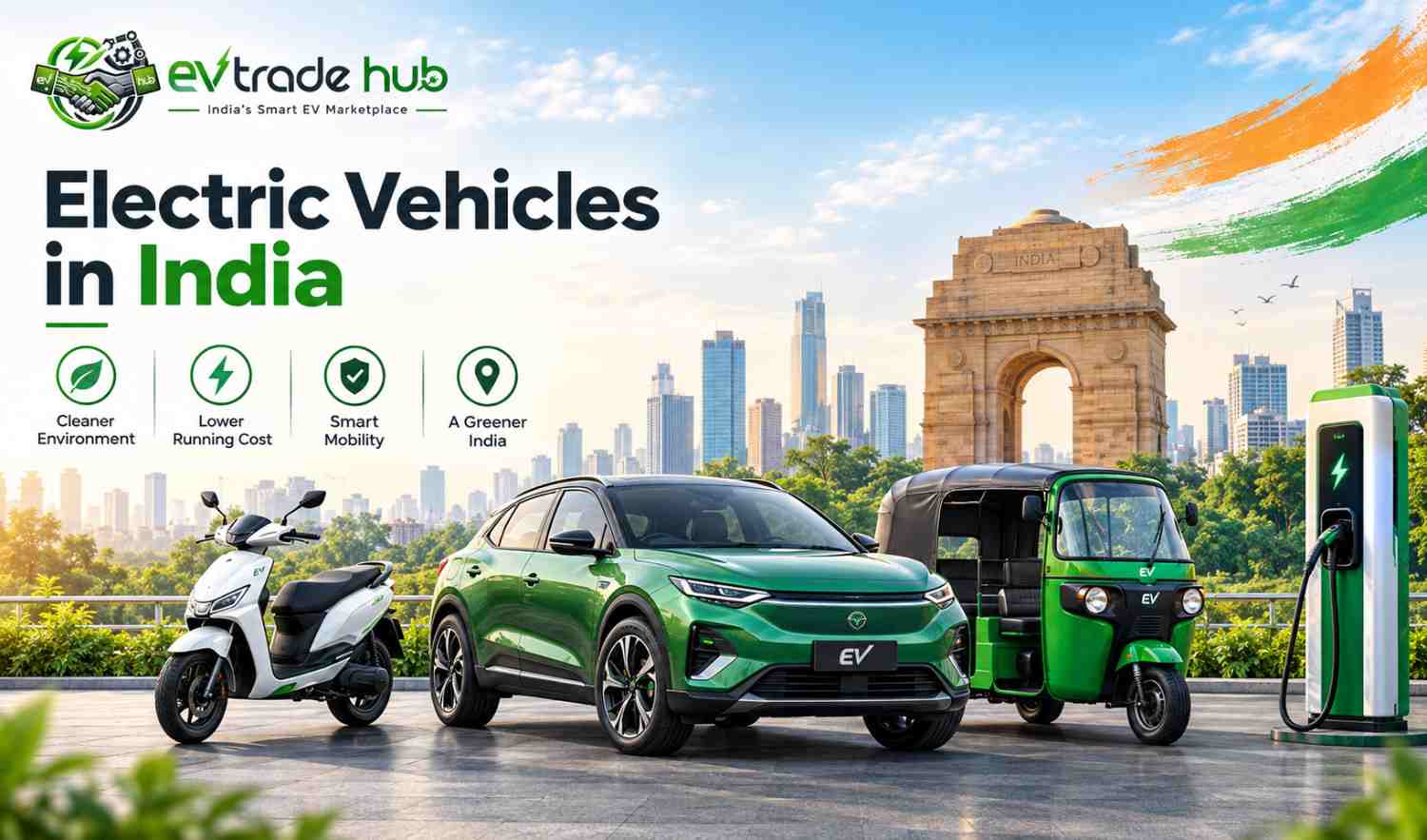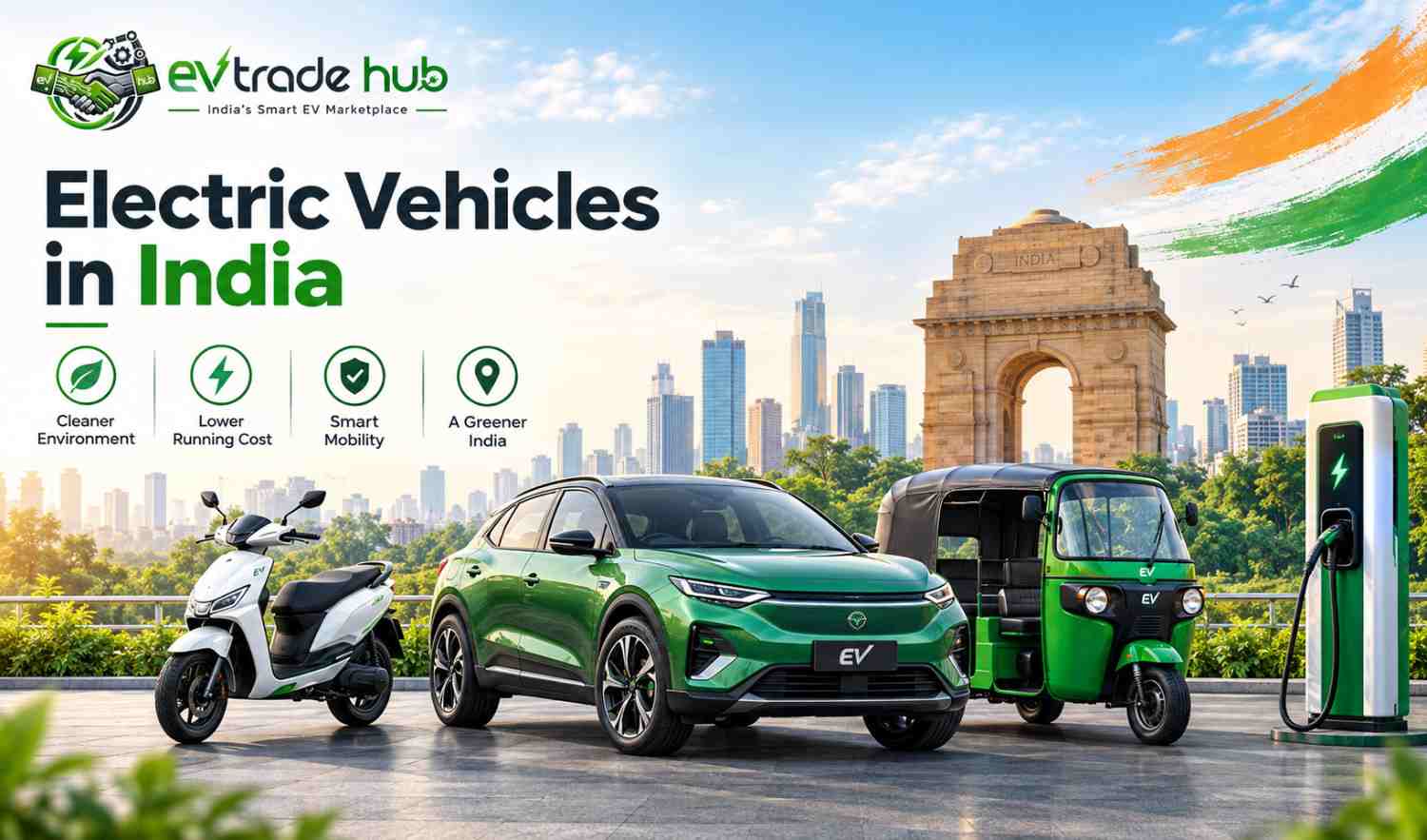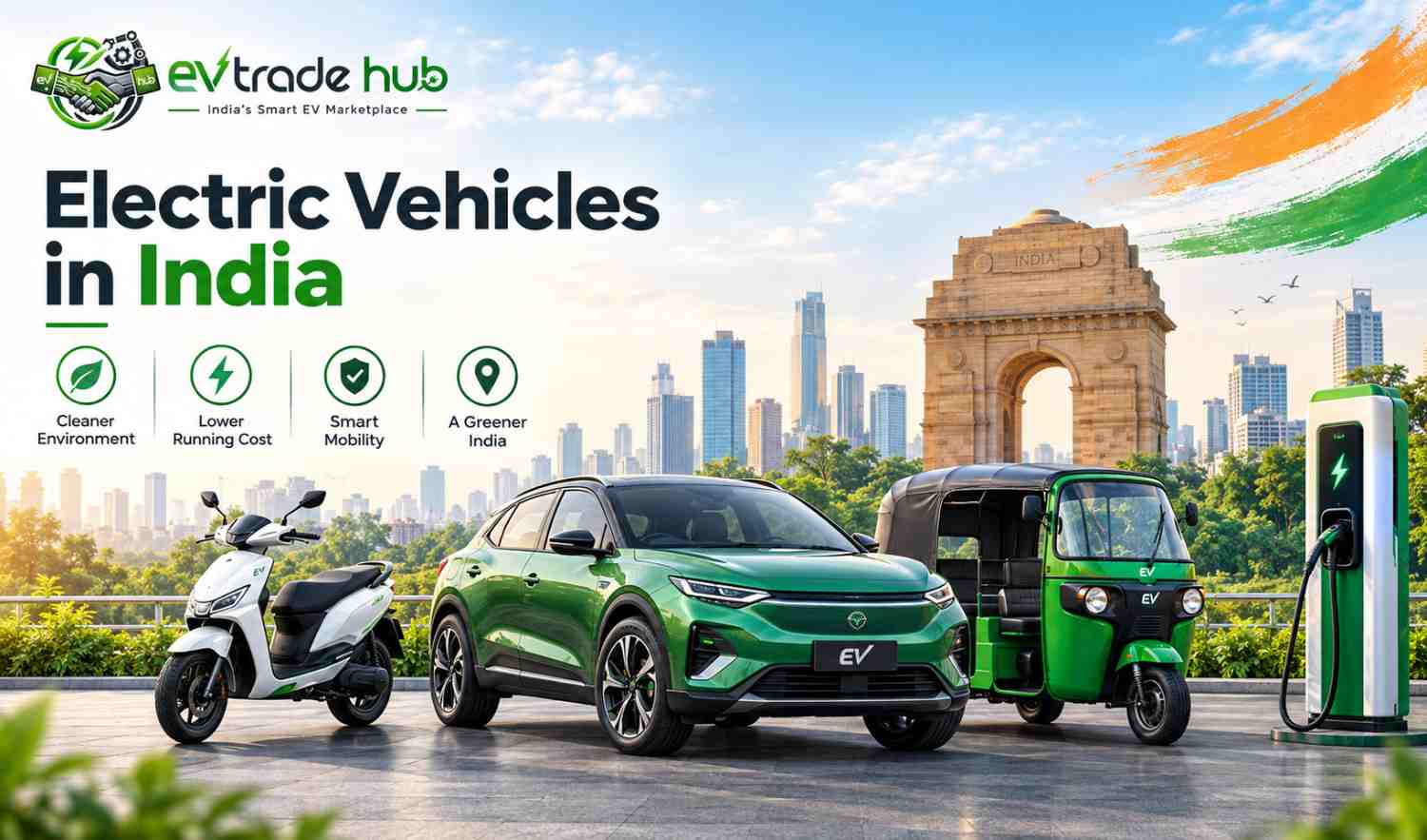
An E Rickshaw, also known as an electric rickshaw or electric three wheeler, is a battery-powered vehicle designed mainly for short-distance passenger transportation. Instead of using a conventional petrol or diesel engine, an E Rickshaw uses an electric motor powered by a rechargeable battery.
E Rickshaws have become an important part of local transportation in many Indian cities, towns and semi-urban areas. They are commonly used for short trips between residential areas, markets, railway stations, bus stops, schools, colleges and other local destinations.
The simple vehicle design, electric powertrain and suitability for frequent short-distance trips make E Rickshaws useful for both passengers and commercial operators. They are particularly suitable for routes where passengers need convenient transportation over relatively short distances.
An E Rickshaw works by using electrical energy stored in its rechargeable battery to power an electric motor. The battery supplies electrical energy to the motor through an electronic motor controller.
When the driver operates the accelerator, the controller regulates the amount of electrical power supplied to the motor. The motor then converts this electrical energy into mechanical movement, which drives the wheels and moves the vehicle forward.
A typical E Rickshaw electrical system includes:
The exact configuration can vary between manufacturers and models.
The battery is one of the most important components because it stores the electrical energy required to operate the vehicle. Battery capacity directly influences the potential driving range, while battery chemistry can affect weight, charging characteristics, service life and cost.
The electric motor converts electrical energy into mechanical power. Motor specification can influence acceleration, load-carrying capability, efficiency and overall driving performance.
The controller manages the electrical power supplied to the motor. It receives input from the accelerator and controls motor operation according to the vehicle's electrical design.
The charger supplies electrical energy to the battery from an external power source. The charger must be compatible with the battery's voltage and chemistry.
The chassis provides the structural foundation of the E Rickshaw, while the suspension system helps absorb road irregularities. These components are particularly important for commercial vehicles operating on uneven roads.
The braking system allows the driver to control speed and stop the vehicle. Properly maintained brakes are essential for passenger and road safety.
E Rickshaws can use different types of rechargeable battery systems. Lead-acid and lithium-based batteries are two commonly considered options.
Lead-acid batteries are widely used because of their established technology and comparatively lower initial cost. However, they are generally heavier and may require more maintenance depending on the battery type and operating conditions.
Lithium batteries can offer lower weight and higher energy density compared with many traditional lead-acid systems. Some lithium chemistries, such as LiFePO4, can also provide good cycle-life characteristics when properly designed and operated.
The right battery depends on the vehicle specifications, daily usage, required range, budget, charging arrangement and long-term ownership requirements.
The distance an E Rickshaw can travel on a single charge depends on battery capacity and several real-world operating conditions. A vehicle with a larger usable battery capacity can generally support more distance, but actual range also depends on passenger load, motor efficiency, road conditions, speed, traffic and driving style.
For commercial use, buyers should focus on practical daily range instead of relying only on the manufacturer's maximum claimed range. A fully loaded vehicle travelling through heavy traffic may consume more energy than a lightly loaded vehicle operating on smooth roads.
An E Rickshaw is charged using a compatible charger connected to an appropriate electrical power source. Charging time depends on battery capacity, charger output, battery condition and charging technology.
Owners should always use a charger that is suitable for the specific battery. Incorrect charging equipment can affect battery performance and may create electrical or safety problems.
Regular inspection of charging cables, connectors and battery terminals can also help identify potential problems early.
E Rickshaws can provide several advantages for local transportation and commercial operations.
Electric vehicles also produce no tailpipe emissions during operation, although the overall environmental impact of an EV depends on factors such as electricity generation, battery manufacturing and vehicle lifecycle.
E Rickshaws are commonly used in locations where passengers need frequent short-distance transportation. They can provide last-mile connectivity between major transport points and local destinations.
Common operating areas include:
The suitability of a particular route depends on local transportation demand, road conditions, applicable rules and the availability of charging facilities.
An E Rickshaw can also be used as a commercial income-generating vehicle. Owners may operate the vehicle themselves or use a driver-based model depending on their business plan and local operating conditions.
Profitability depends on passenger demand, daily trips, fares, electricity cost, financing, maintenance, battery replacement and other expenses. Before purchasing an E Rickshaw for business, it is useful to estimate realistic daily revenue and operating costs.
Although an E Rickshaw has a relatively simple electric powertrain, regular maintenance is still important. Battery condition, tyres, brakes, suspension, steering, electrical wiring, lights, motor and controller should be inspected periodically.
Correct tyre pressure can help improve efficiency, while timely replacement of worn brake and suspension components can help maintain safe operation.
Battery maintenance is particularly important because battery condition directly affects vehicle range and operating performance.
Buyers should compare more than just the purchase price. Important specifications include:
One common mistake is choosing an E Rickshaw only because it has a low purchase price. The cheapest vehicle may not always provide the best long-term value if its battery, motor, build quality or after-sales support is inadequate.
Buyers should also avoid assuming that the claimed range will always be achieved in real-world commercial conditions. Passenger load, traffic, road conditions and driving style can significantly affect range.
E Rickshaws can continue to play an important role in local and last-mile transportation where short-distance mobility demand is high. Improvements in battery technology, charging systems, electric motors and vehicle design can further influence the development of electric three-wheelers.
For commercial operators, improvements in battery durability, service support and vehicle efficiency can make electric three-wheelers increasingly practical for regular transportation use.
An E Rickshaw is a battery-powered electric three wheeler designed mainly for short-distance passenger transportation. It uses an electric motor, rechargeable battery, controller and other electrical components instead of a conventional petrol or diesel engine.
E Rickshaws are useful for local transportation and last-mile connectivity because of their practical design and suitability for frequent short trips. Battery technology, motor efficiency, vehicle construction, passenger load, charging facilities and maintenance all influence overall performance.
Whether buying an E Rickshaw for personal transportation or commercial use, buyers should compare battery capacity, practical range, motor, build quality, charging requirements, warranty, service support and total ownership cost. Choosing a vehicle according to actual daily requirements can help provide better performance and long-term value.