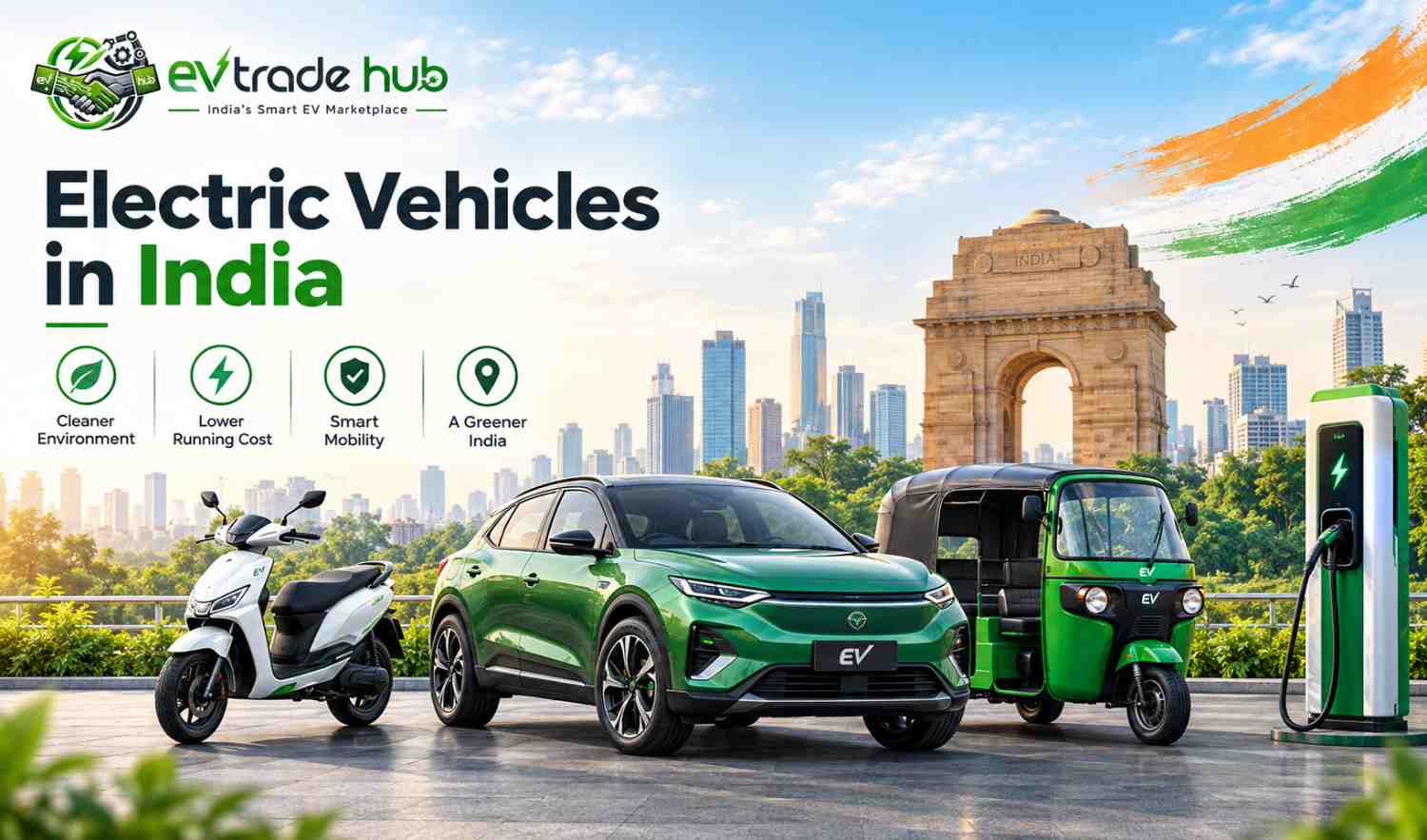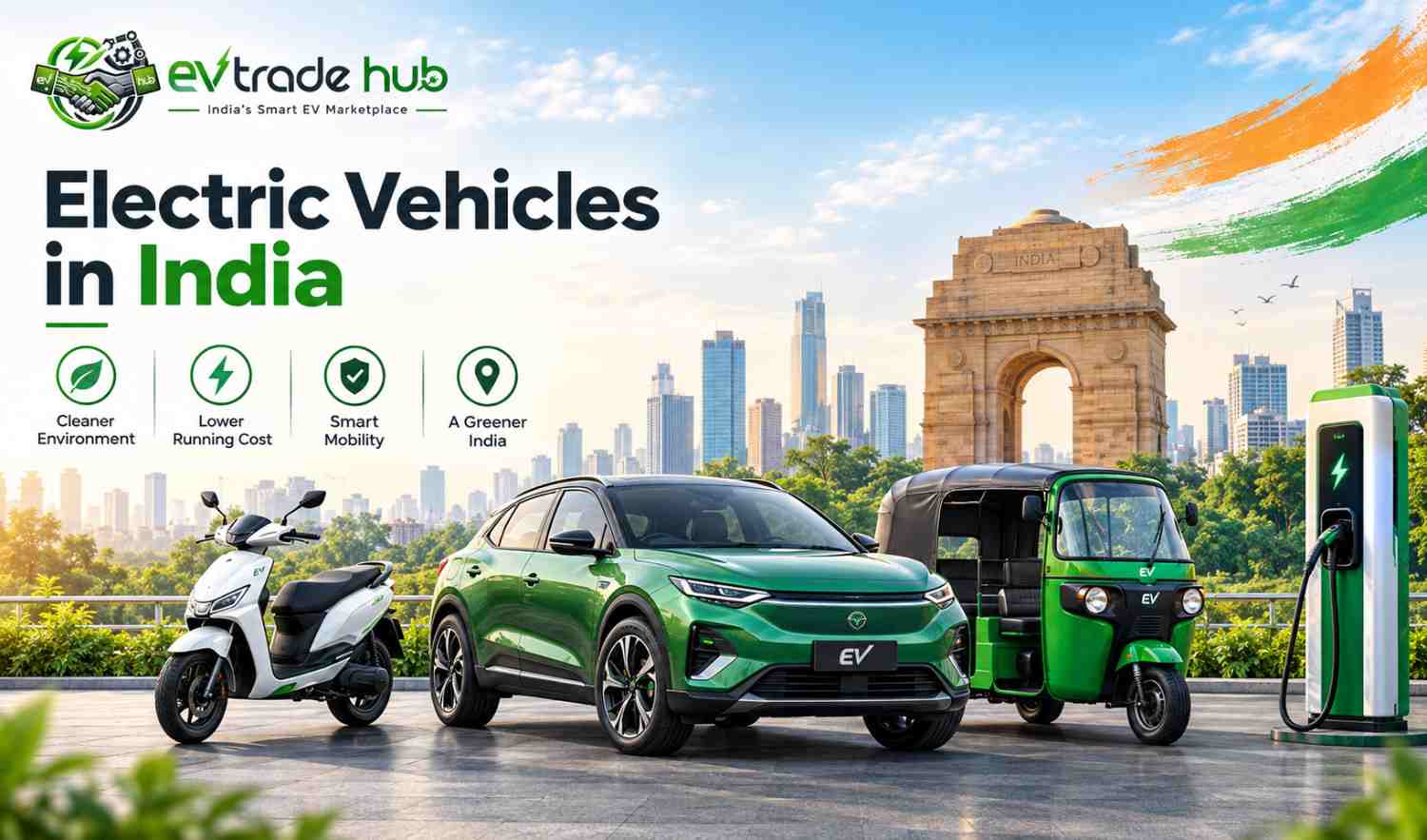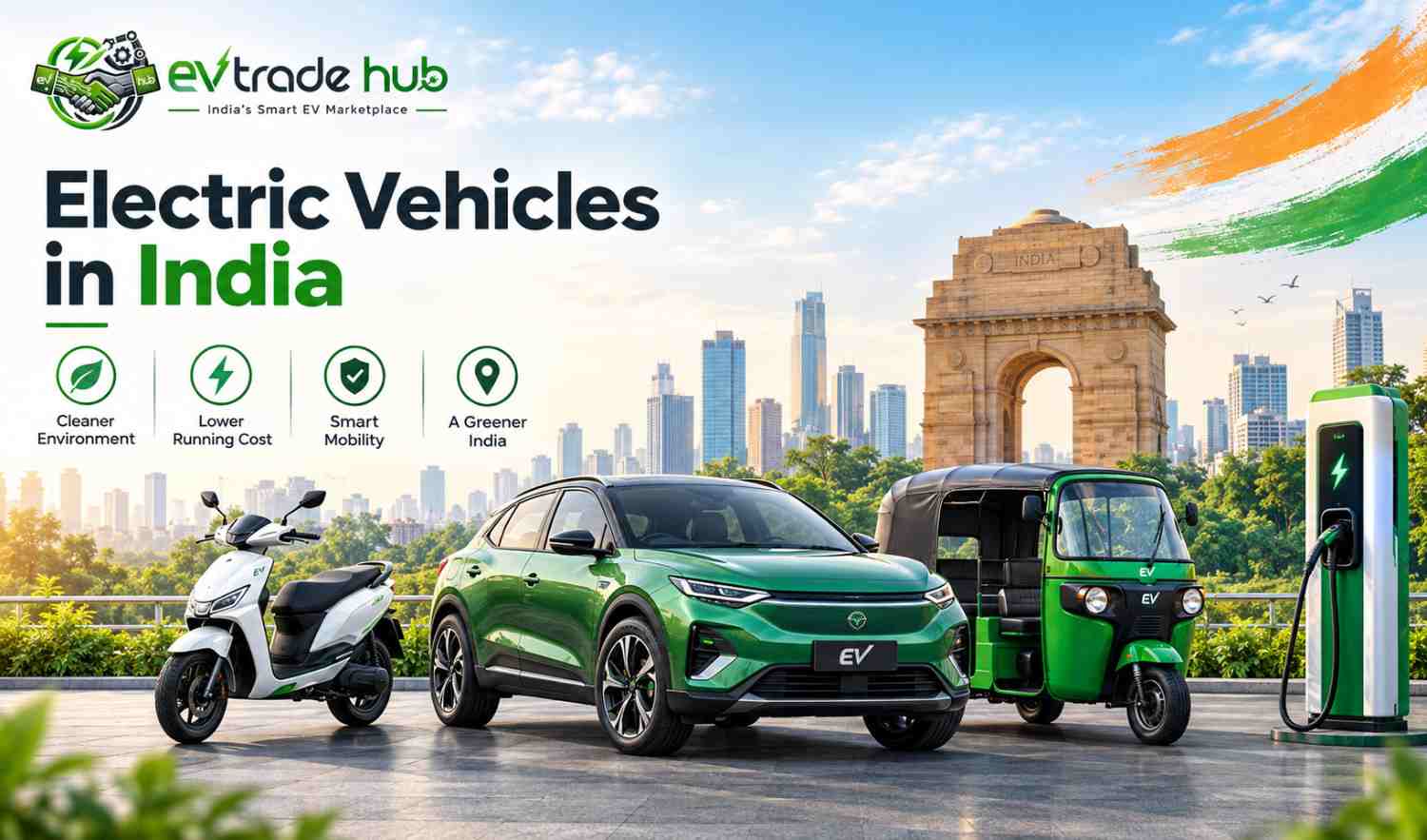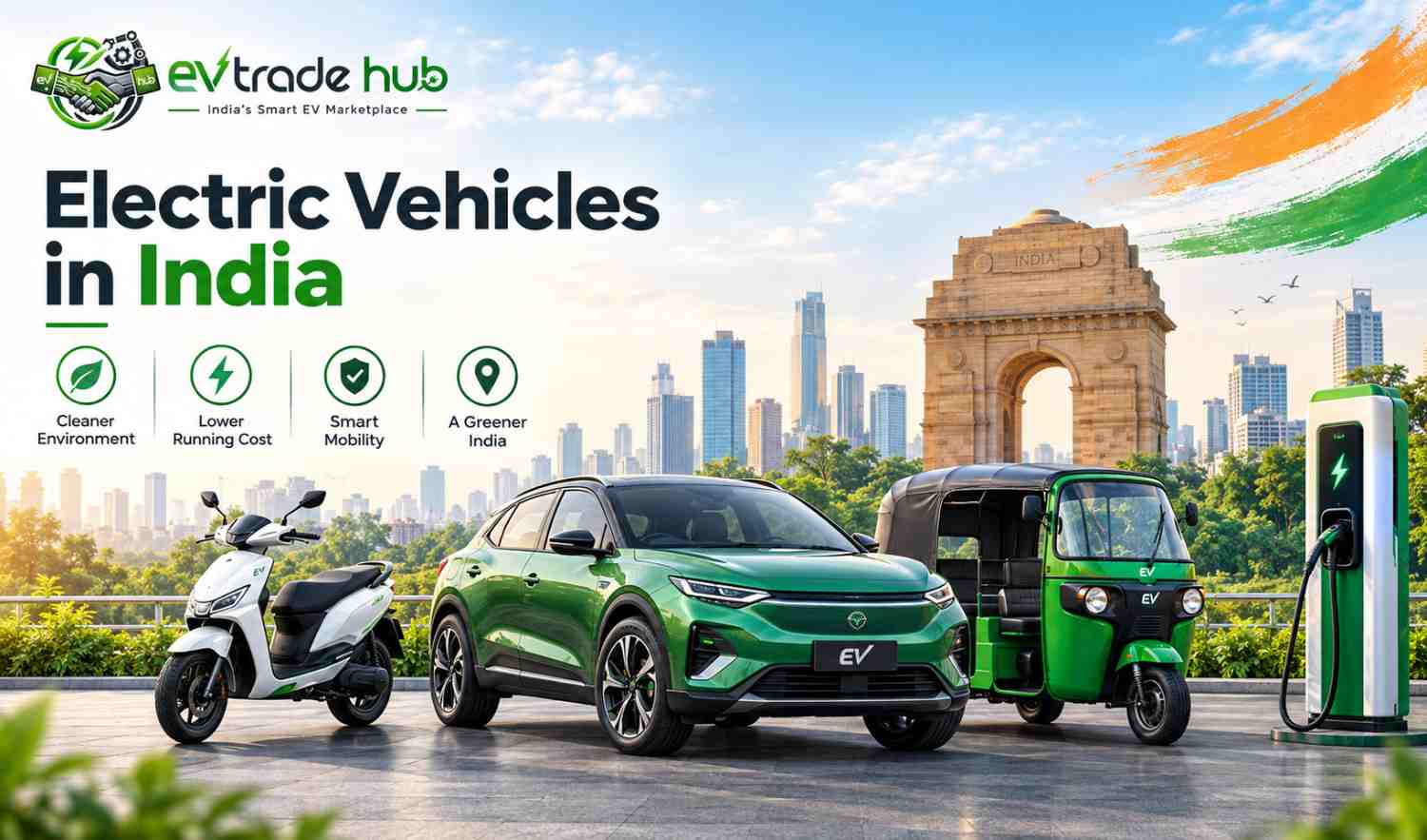
Becoming an E Rickshaw dealer can be a promising business opportunity for entrepreneurs who want to enter the growing electric three-wheeler market. E-rickshaws are widely considered for short-distance passenger transportation and commercial mobility, making them an important category within the electric vehicle industry.
An E Rickshaw dealer acts as a connection between the manufacturer and the end customer. Depending on the dealership model, the business may include vehicle sales, financing assistance, insurance support, service, battery replacement, spare parts and customer guidance.
However, starting an E Rickshaw dealership requires more than simply arranging a showroom and purchasing vehicles. Market demand, manufacturer selection, investment, inventory, service support, spare parts and working capital should all be evaluated before starting the business.
The first step is to understand the local E Rickshaw market. Demand can vary significantly between cities, towns and semi-urban areas. Study existing E Rickshaw dealers, popular brands, vehicle prices, battery options and customer preferences in your target location.
It is also useful to understand how E Rickshaws are being used locally. Some customers may purchase vehicles for passenger transportation, while others may use them for commercial routes, rental operations or other local mobility requirements.
Market research should help answer important questions such as:
Choosing a reliable manufacturer is one of the most important decisions when starting an E Rickshaw dealership. The manufacturer directly affects product quality, customer satisfaction, warranty handling and the reputation of your dealership.
Look for manufacturers that offer reliable vehicles, consistent product supply, clear dealership policies and adequate after-sales support.
Before signing a dealership agreement, understand the manufacturer's policies regarding territory, minimum purchase requirements, payment terms, warranty claims and spare parts.
Different E Rickshaw models can have different specifications and target customers. Before selling a vehicle, the dealer should understand its motor power, battery configuration, passenger capacity, chassis construction, suspension, braking system, tyres and charging requirements.
Battery technology is particularly important. Lead-acid and lithium-based battery systems can have different characteristics in terms of weight, initial cost, maintenance and expected service life.
A knowledgeable dealer can explain these differences to customers and help them select a vehicle based on their actual usage.
Location can have a significant impact on an E Rickshaw dealership. A showroom should ideally be accessible to potential customers and commercial vehicle users.
Areas with good road visibility, transportation activity, commercial markets or proximity to existing vehicle-related businesses may provide useful customer access. The location should also have enough space for vehicle display and customer movement.
Before selecting a property, consider rent, parking, accessibility, visibility and the availability of space for service or storage.
A professional showroom can improve customer confidence. It does not necessarily need to be extremely large, but it should be clean, organised and capable of displaying the available models properly.
The dealership can display different E Rickshaw models, battery options, specifications, warranty information and financing details. A small customer consultation area can also help sales staff explain vehicle features and ownership costs.
The investment required depends on the manufacturer, dealership territory, inventory requirements, showroom size and service setup. There is no single fixed investment amount applicable to every dealership.
Potential expenses can include:
Entrepreneurs should calculate both the initial investment and the working capital required to operate the dealership for the first several months.
Inventory management is important because vehicles represent a significant amount of working capital. Ordering too many vehicles can block money in unsold stock, while insufficient inventory can lead to missed sales opportunities.
Stock should be planned according to actual demand. Popular models, colours, battery configurations and frequently requested spare parts should receive appropriate priority.
Maintaining proper inventory records can help track incoming vehicles, sales, battery stock, spare parts and warranty-related components.
Many E Rickshaw buyers may prefer financing instead of paying the complete vehicle cost upfront. A dealership can potentially improve sales by helping customers understand available financing options.
Depending on the local market and manufacturer network, dealers may work with financing companies or other eligible lenders. Customers should be clearly informed about the applicable down payment, interest, tenure, documentation and repayment obligations.
The dealership should avoid making unclear promises regarding loan approval and should ensure that customers understand the actual terms offered by the lender.
After-sales service can be one of the biggest factors influencing the long-term success of an E Rickshaw dealership. Customers depend on their vehicles for daily transportation or commercial income, so unnecessary downtime can create significant problems.
A dealership should have an appropriate service arrangement for common maintenance and repair requirements.
Important areas include:
Availability of spare parts can significantly improve customer experience. Dealers should maintain or have quick access to commonly required components.
Parts such as controllers, chargers, wiring components, switches, brake parts, tyres and other vehicle-specific components may be required during ownership.
Using suitable and compatible parts is important because incorrect electrical components can affect vehicle performance and safety.
E Rickshaw service technicians should understand the vehicle's electrical and mechanical systems. Training can cover battery handling, motor and controller diagnosis, charging systems, wiring, basic troubleshooting and safety procedures.
Technicians should also understand the manufacturer's recommended service procedures. Proper technical support can reduce repair time and improve customer confidence.
Sales staff should be able to explain the complete ownership experience rather than focusing only on the purchase price.
Customers may want to know about battery range, charging time, passenger capacity, motor performance, maintenance, warranty and running costs. Sales representatives should provide accurate information and avoid unrealistic claims about range or battery life.
Marketing can help a new dealership build visibility in its target market. Both online and offline marketing can be useful.
Customer referrals can also become an important source of new business when the dealership provides reliable products and service.
Before starting the dealership, calculate the expected revenue and expenses carefully. Product margin is only one part of dealership profitability.
Rent, salaries, electricity, transportation, marketing, inventory financing, service costs and warranty-related expenses can affect the actual business profit.
A proper financial plan should consider the expected number of vehicles sold each month and the total operating cost of the dealership.
A successful E Rickshaw dealership should focus on three major areas: product quality, customer service and operational efficiency. Start with a reliable manufacturer and a manageable inventory level.
Build trust by providing transparent product information, proper test drives, clear warranty details and dependable after-sales support. Maintain sufficient spare parts and make sure service requests are handled efficiently.
As the dealership becomes established, additional models, financing partnerships, service capacity and nearby market coverage can be expanded according to actual customer demand.
The E Rickshaw market can create opportunities beyond vehicle sales. Dealerships can potentially generate additional business through batteries, chargers, spare parts, maintenance, repair services and accessories.
A dealer with strong technical and customer support can build long-term relationships with commercial users because E Rickshaw owners often require regular maintenance and replacement components during the vehicle's operating life.
Becoming an E Rickshaw dealer requires careful planning, market research and a reliable manufacturer relationship. Entrepreneurs should evaluate local demand, select suitable vehicle models, arrange an accessible showroom and maintain sufficient working capital before starting operations.
After-sales service, battery support, spare parts availability and technical assistance are equally important because E Rickshaws are often used for regular commercial transportation. A dealership that provides reliable products along with transparent sales and dependable service can build stronger customer relationships.
With the right manufacturer, suitable infrastructure, trained staff, effective inventory management and strong customer support, an E Rickshaw dealership can become a valuable business within the growing electric three-wheeler ecosystem.