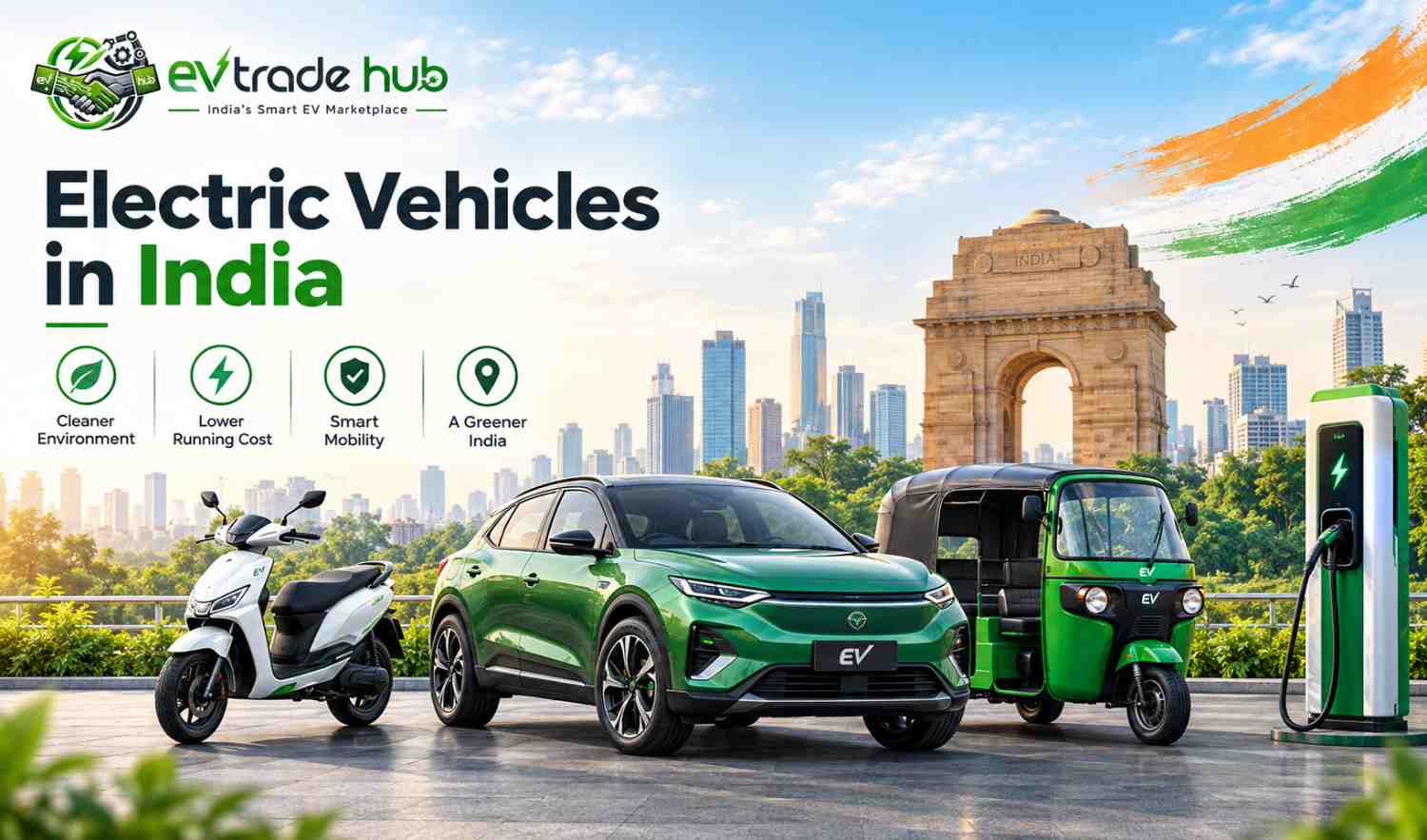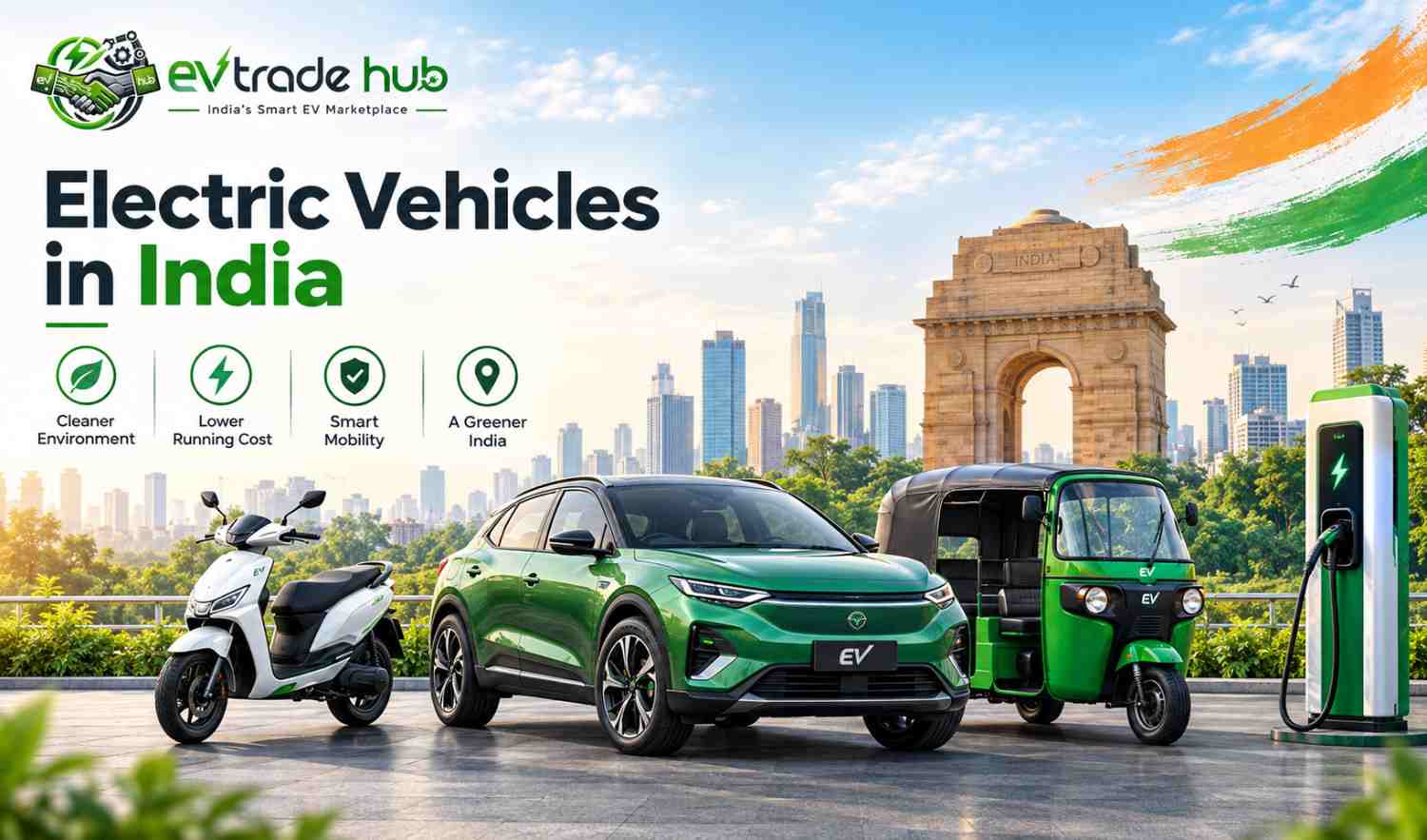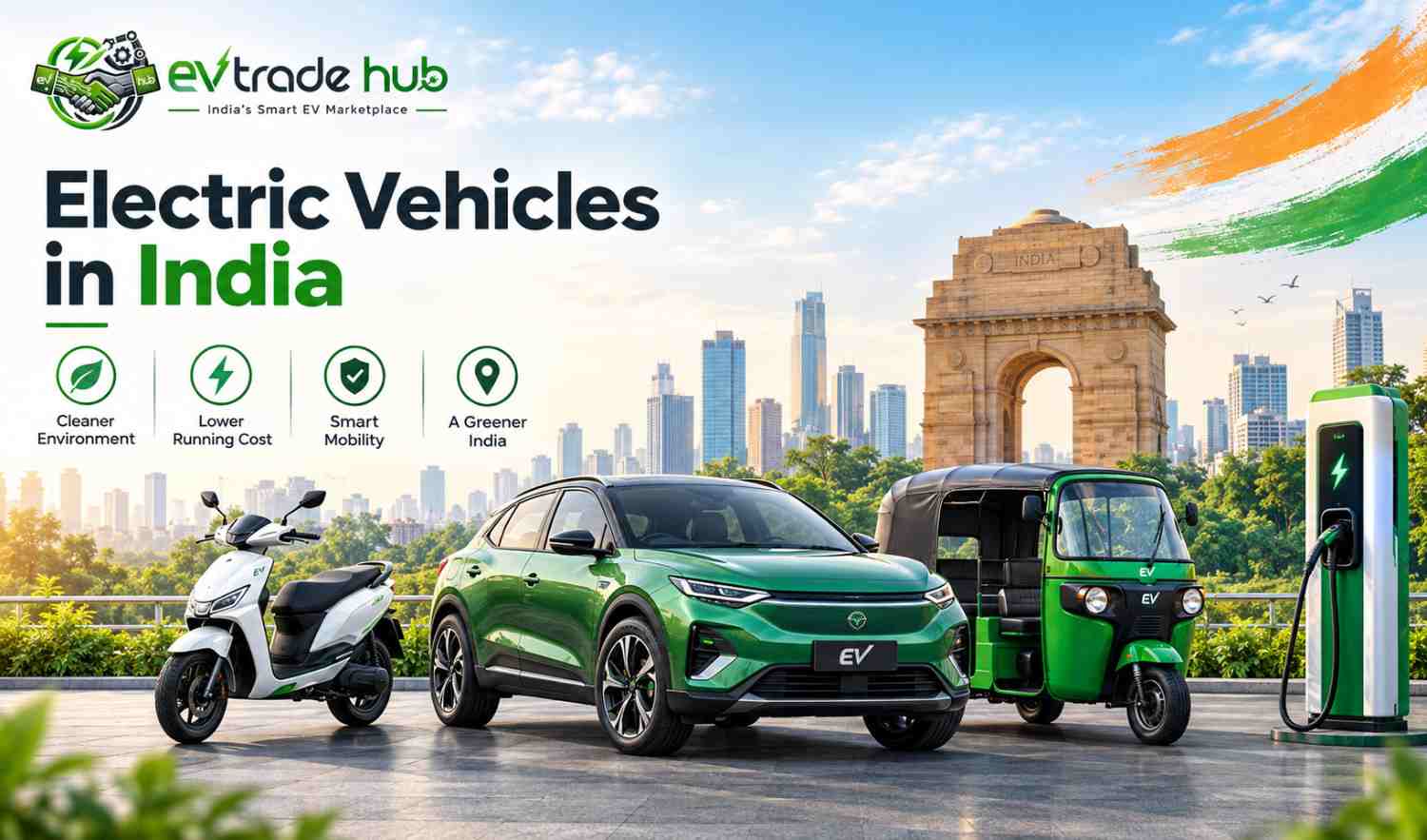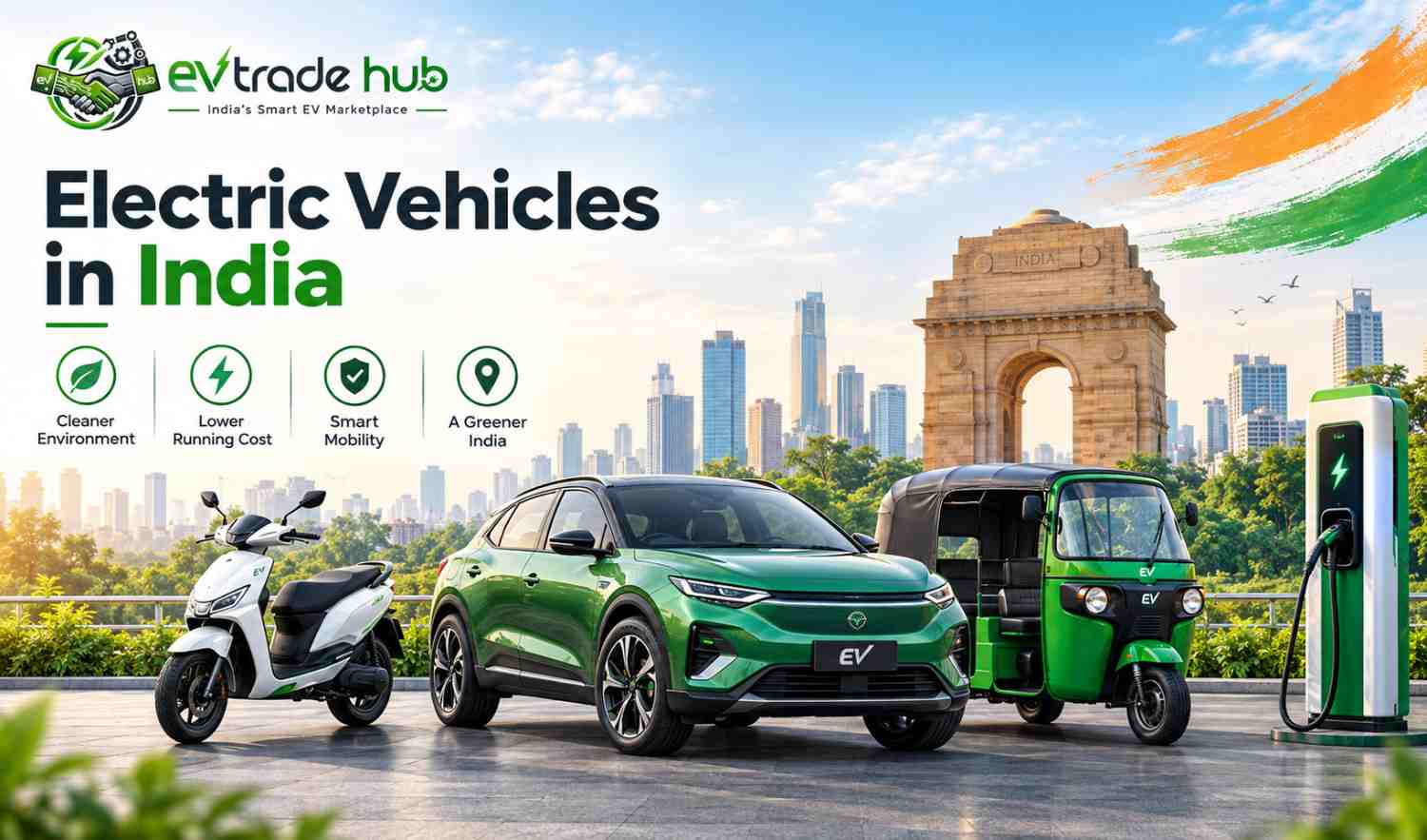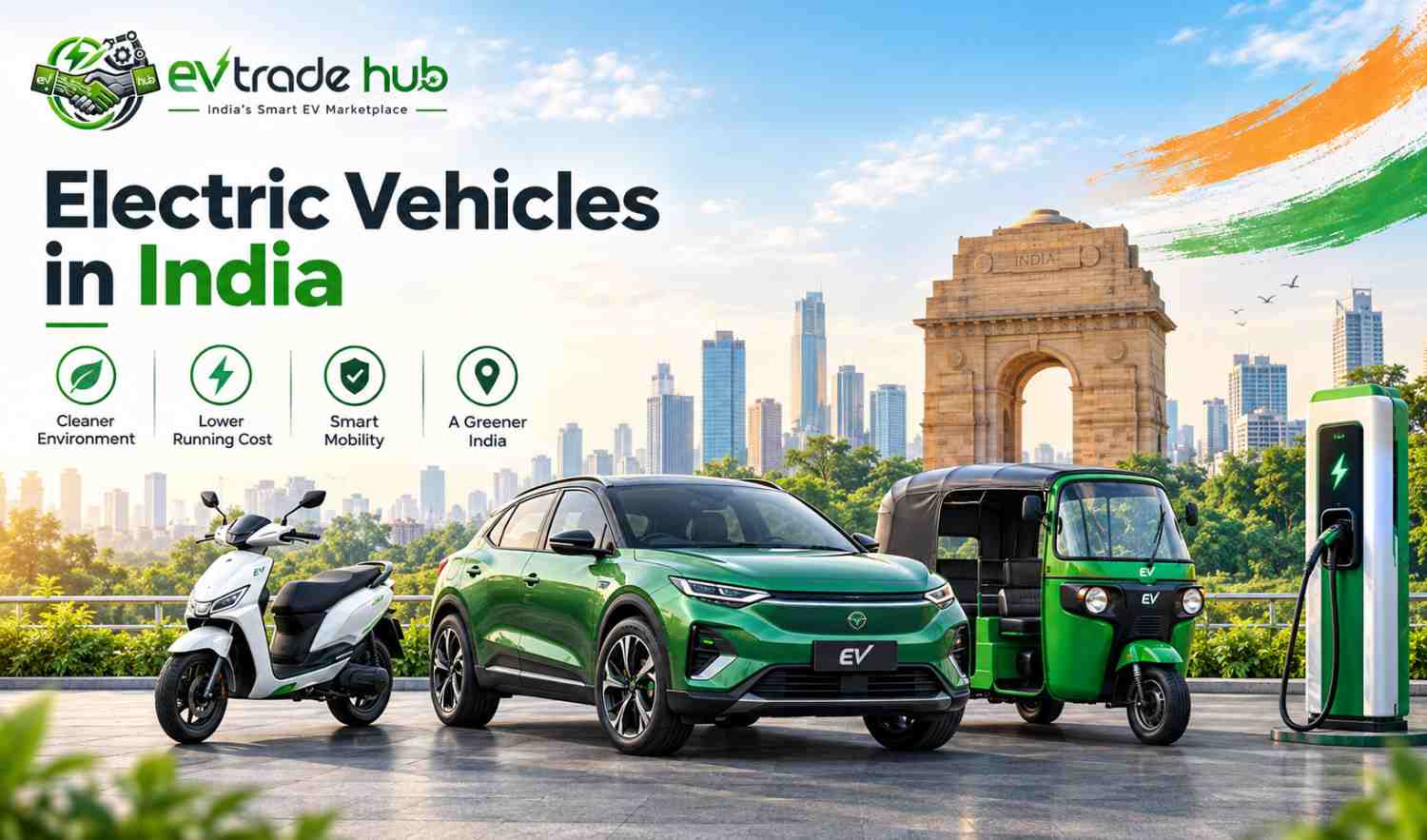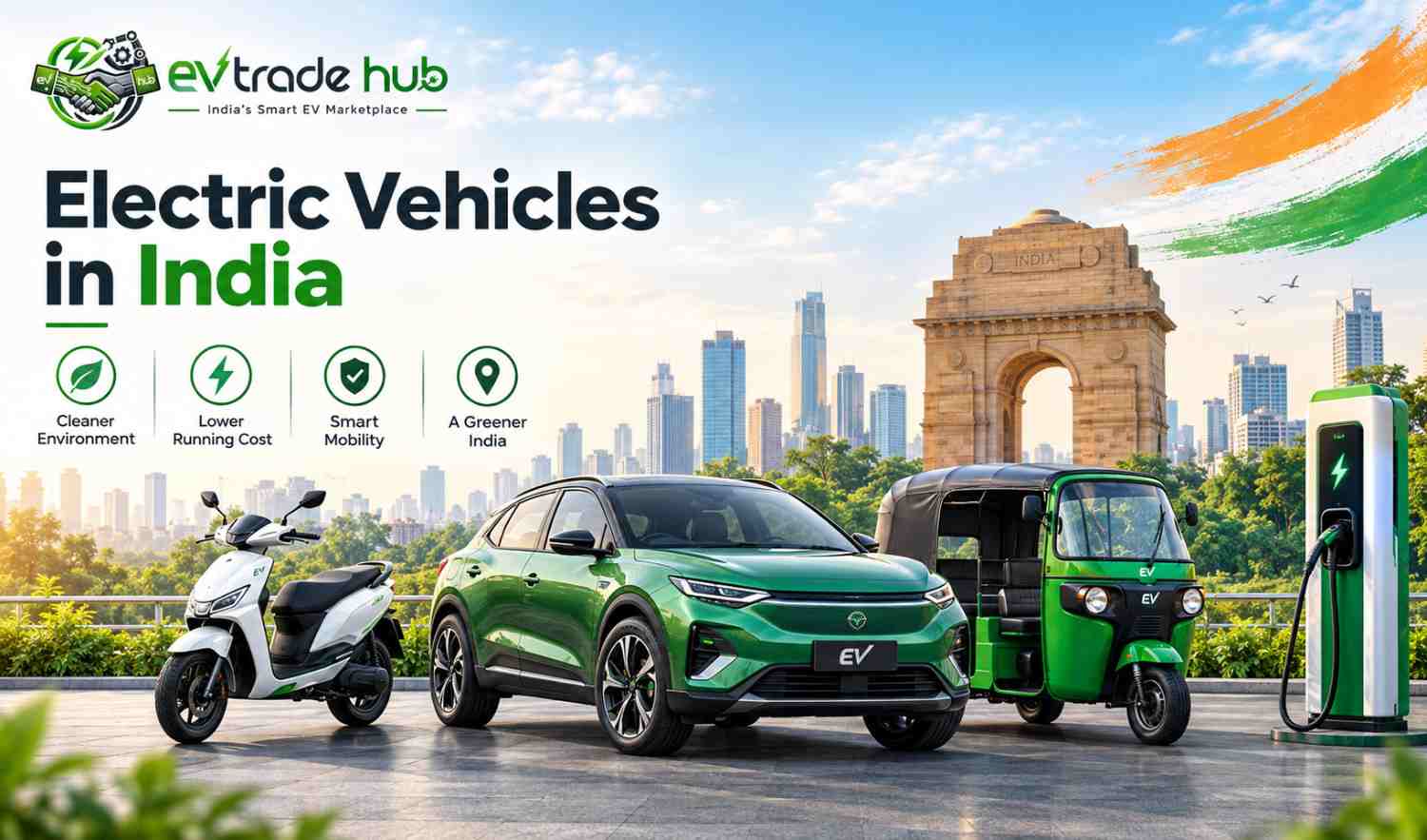
Becoming an EV distributor can be a promising business opportunity for entrepreneurs who want to participate in the growing electric mobility industry. EV distributors act as an important link between manufacturers and dealers by helping electric vehicle products reach different cities, districts and regional markets.
An EV distributor may deal in products such as electric scooters, electric bikes, e-rickshaws, electric loaders, commercial EVs, batteries, chargers, spare parts or other electric mobility products. The exact business model depends on the product category, manufacturer, distribution territory and target customers.
However, becoming a distributor is more than simply purchasing vehicles in bulk and selling them. A successful distributor needs market knowledge, adequate working capital, warehouse and logistics arrangements, dealer relationships, inventory management and reliable after-sales support.
The first step before becoming an EV distributor is understanding the local market. Different regions can have very different demand patterns. For example, electric scooters may be popular in urban areas, while e-rickshaws and electric loaders may have stronger demand in commercial and semi-urban markets.
Research the types of EV products already being sold in the target region. Identify competing brands, retail prices, popular vehicle specifications, customer preferences and the availability of service centres.
You should also understand who your potential dealers and customers will be. A distributor serving commercial EV dealers may require a different inventory and support strategy compared with a distributor dealing primarily with electric two-wheelers.
EV distribution covers a wide range of products. Before approaching manufacturers, decide which category you want to focus on.
Starting with a focused product category can make inventory management and dealer development easier. As the business grows, additional EV products can be introduced based on regional demand.
Finding the right manufacturer is one of the most important steps in starting an EV distribution business. The manufacturer you choose can directly influence product quality, dealer satisfaction, warranty claims and long-term business growth.
Before entering into a distribution agreement, evaluate the manufacturer's product range, production capacity, quality standards, warranty policy, spare parts availability and after-sales support.
It is also useful to understand how consistently the manufacturer can supply products. A distributor may have strong dealer demand, but frequent supply delays can affect the entire distribution network.
Before investing significant money, carefully understand the manufacturer's distribution terms. The agreement should clearly explain the territory, pricing structure, minimum purchase requirements, payment terms, warranty responsibilities, marketing support and termination conditions.
If territory protection or exclusivity is important to your business, it should be clearly defined in the agreement instead of relying only on verbal commitments.
Understanding these terms early can help prevent conflicts between the distributor, manufacturer and dealers later.
The investment required to become an EV distributor varies significantly depending on the product category and territory. A vehicle distributor may need substantially more working capital than a distributor dealing only in accessories or spare parts.
Major expenses may include:
It is important to calculate the total expected investment rather than focusing only on the manufacturer's product purchase price.
A distributor generally needs adequate storage space for inventory. The warehouse should be selected according to the type and quantity of products being handled.
For electric vehicles, the facility should provide appropriate space for vehicle storage, inspection and dispatch. Battery storage requires additional attention because batteries are electrical energy storage devices and should be stored according to the manufacturer's safety recommendations.
Good inventory organisation can also help reduce dispatch delays and make stock tracking easier.
Distribution depends heavily on reliable transportation. Vehicles, batteries, chargers and spare parts need to reach dealers within the expected timeframe.
Depending on the business scale, a distributor can use its own transportation system, third-party logistics providers or a combination of both.
Logistics planning should consider delivery distance, transportation costs, loading requirements, product protection and delivery schedules. Proper documentation and inventory records should also be maintained for every dispatch.
The dealer network is one of the most important assets of an EV distributor. Dealers are responsible for reaching local customers, demonstrating products and often supporting the sales process.
Instead of simply appointing as many dealers as possible, focus on developing reliable dealer relationships. Dealers should have access to product information, pricing, inventory updates, warranty procedures and technical support.
Regular communication can help the distributor understand local demand and identify which products are performing well.
EV products can involve technical specifications that dealers need to understand before selling them. Product training can cover battery capacity, charging, range, motor specifications, warranty terms and basic troubleshooting.
Well-trained dealers can explain products more confidently to customers and reduce misunderstandings related to battery performance, charging and maintenance.
Technical training can also be useful for dealership staff responsible for basic service and customer support.
Inventory management is critical for an EV distributor. Too little inventory can result in missed sales, while excessive inventory can block working capital.
Stock should be planned according to actual sales trends. Fast-moving models and commonly required spare parts may need higher availability, while slow-moving products should be ordered more carefully.
Inventory software or a properly maintained stock management system can help track purchases, sales, dealer orders, returns and available stock.
After-sales support can significantly influence dealer and customer satisfaction. A distributor should understand the manufacturer's warranty process and maintain access to commonly required spare parts.
Components such as controllers, chargers, electrical connectors, brake parts, tyres and other vehicle-specific parts may be required during regular operation.
Clear warranty procedures can make it easier for dealers to handle customer complaints and send genuine warranty cases to the appropriate manufacturer or service team.
Distributor marketing should focus not only on end customers but also on dealer acquisition. The goal is to make local businesses aware that you can provide reliable products, supply and business support.
Strong dealer relationships and consistent product availability can often be more valuable than spending heavily on advertising without an effective distribution network.
An EV distributor needs to maintain a pricing structure that works for both the distributor and dealer. Product pricing should account for manufacturer cost, transportation, warehouse expenses, taxes and other operating costs.
The distributor should also understand the margin expectations of dealers. If the dealer does not see sufficient business value, maintaining a strong network can become difficult.
Pricing should therefore be planned around the complete supply chain rather than only the distributor's purchase price.
Working capital is particularly important in distribution because money can remain tied up in inventory until products are sold to dealers.
Before starting, estimate expected inventory requirements, dealer credit periods, transportation expenses, salaries, warehouse costs and other operating expenses.
Be cautious about extending excessive credit to dealers. Clear payment terms and regular collection processes can help maintain healthy cash flow.
A successful EV distributor should focus on three major areas: reliable products, strong dealer relationships and efficient operations.
Start with a manageable territory and a focused product category. Build a small but dependable dealer network and understand which products generate repeat demand. Maintain proper inventory records and provide quick support for product and warranty issues.
As sales become stable, the distributor can expand into additional territories or product categories. Expansion should be based on actual demand and available working capital rather than only on market excitement.
The EV supply chain includes opportunities beyond complete vehicles. As electric mobility expands, demand can also develop for batteries, chargers, spare parts, accessories, service equipment and replacement components.
This creates opportunities for distributors who can build specialised networks around particular EV categories. For example, a distributor may focus specifically on electric two-wheelers, e-rickshaws, commercial EVs or EV battery products.
Businesses that combine product distribution with strong service, spare parts and dealer support can potentially build more sustainable long-term relationships within the EV ecosystem.
Becoming an EV distributor requires much more than purchasing electric vehicles in bulk. A successful distribution business needs a suitable manufacturer partnership, market research, working capital, warehouse infrastructure, reliable logistics and a strong dealer network.
Before starting, carefully evaluate the demand for EV products in your target region and select manufacturers that provide reliable products, warranty support, spare parts and consistent supply. Distribution terms, margins, territory and payment conditions should also be clearly understood.
With proper inventory management, dealer development, after-sales support and financial planning, EV distribution can become an important business opportunity within the growing electric mobility supply chain.