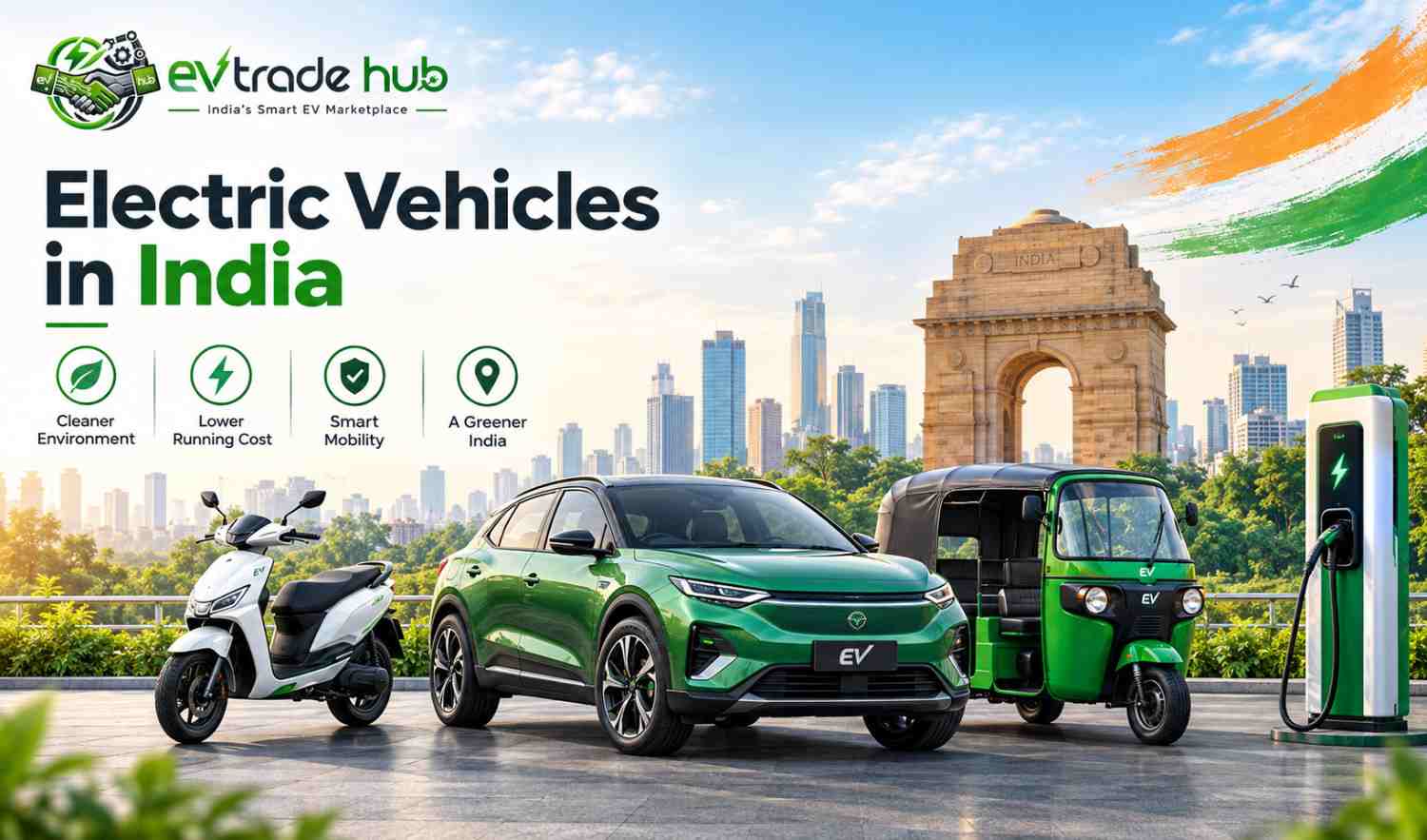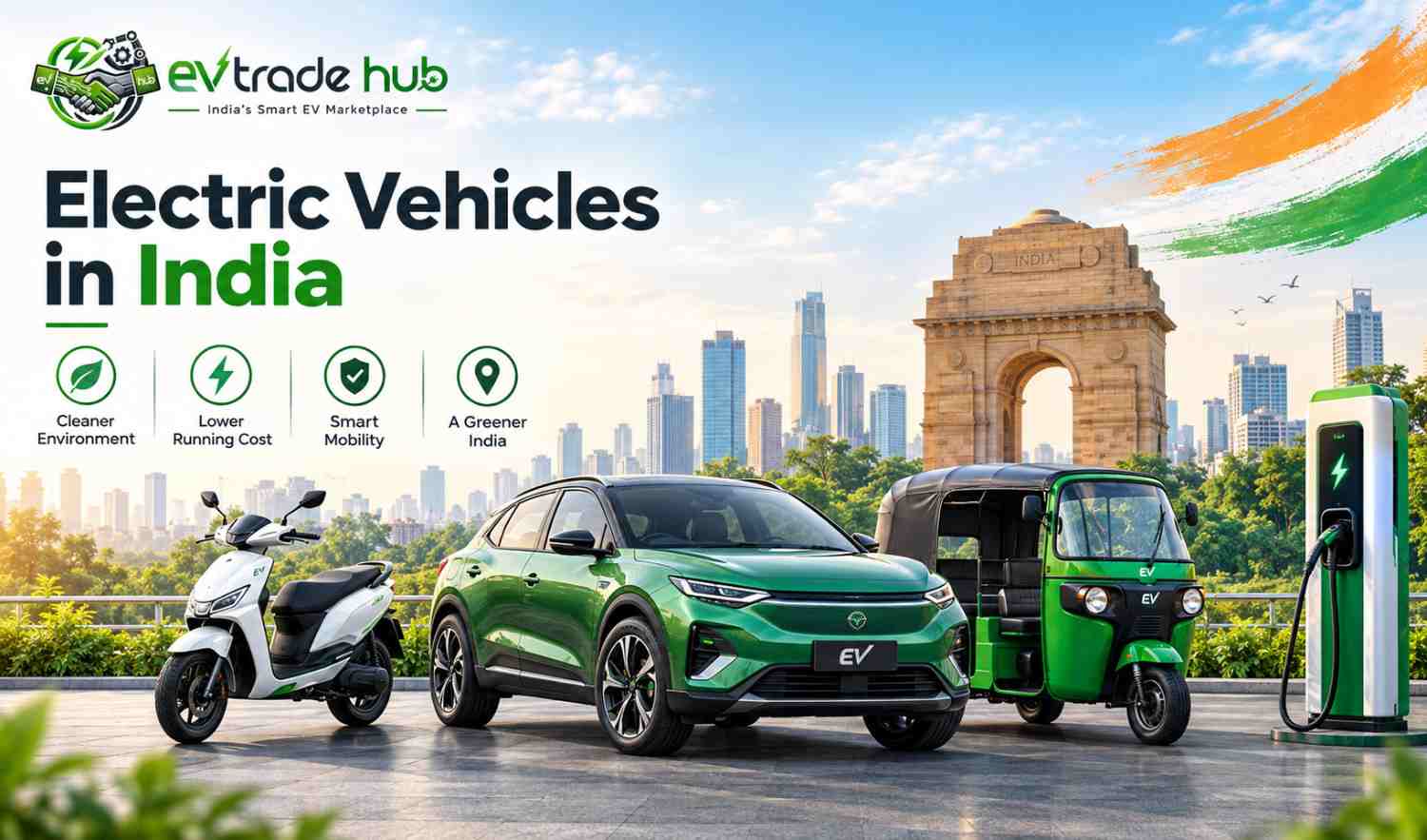
Electric bikes are becoming an increasingly visible part of the Indian two-wheeler market. They provide an alternative to conventional motorcycles by using an electric motor and rechargeable battery instead of a petrol engine.
Electric bikes can be suitable for daily commuters, technology-focused riders, students, delivery users, and people looking for an alternative form of personal transportation. Different models are designed for different riding requirements, performance levels, distances, road conditions and budgets.
The growing interest in electric mobility has encouraged manufacturers to develop electric bikes with different battery capacities, motor configurations, riding modes, digital displays, connected features and charging options. However, the right electric bike depends on how frequently it will be used and what type of riding the owner expects to do.
An electric bike is a two-wheeler powered primarily by an electric motor and rechargeable battery. Instead of burning petrol to generate power, the vehicle stores electrical energy in its battery and uses that energy to operate the motor.
An electric bike generally includes a battery pack, electric motor, motor controller, charger, battery management system, throttle or accelerator system, braking system and other electrical and mechanical components.
Depending on the model, electric bikes may also include digital instrument clusters, riding modes, connected features, navigation, mobile applications and other modern technologies.
An electric bike uses electrical energy stored in its battery to power an electric motor. When the rider operates the accelerator, the electronic control system regulates the amount of electrical power supplied to the motor.
The motor converts electrical energy into mechanical energy, which rotates the wheel and moves the bike forward.
The battery management system monitors important battery parameters and helps manage charging and discharging. The charger is used to replenish the energy stored in the battery.
Some electric bikes may also use regenerative braking, where suitable braking conditions allow part of the vehicle's kinetic energy to be converted back into electrical energy.
Electric bikes can be designed for different types of riders and applications. The design and performance can vary depending on the intended use.
City-oriented models generally focus on comfortable daily transportation, while performance-focused models may provide higher motor output and additional riding features.
Electric bikes can provide several benefits for daily transportation. Their biggest difference from conventional motorcycles is the electric powertrain and rechargeable battery system.
The actual cost advantage depends on electricity rates, vehicle efficiency, daily distance, battery condition, charging method and maintenance requirements.
The battery is one of the most important components of an electric bike. It stores the energy required to operate the motor and other electrical systems.
Battery capacity has a major influence on the potential riding range. However, range is not determined by battery capacity alone. Rider weight, speed, road conditions, riding style, tyre pressure, temperature and frequent acceleration can all affect energy consumption.
Buyers should therefore evaluate battery specifications together with the expected daily riding distance.
Most modern electric bikes use lithium-based battery systems because they can provide useful energy density while keeping battery weight relatively manageable.
Lithium battery systems can offer advantages in terms of weight, charging performance and cycle life when properly designed and maintained. Different lithium chemistries can have different characteristics, so buyers should check the exact battery specification rather than assuming that every lithium battery performs identically.
Battery management systems are also important because they help monitor and manage battery operation.
Battery capacity is commonly expressed in watt-hours or through voltage and ampere-hour specifications. A larger energy capacity can provide greater potential range under similar riding conditions.
However, a larger battery can also increase vehicle weight and purchase cost. The ideal battery size depends on the rider's daily travel requirements.
For example, a person using an electric bike mainly for short city commutes may not need the same battery capacity as someone who regularly travels longer distances.
The practical range of an electric bike can vary from one model to another and from one rider to another.
Important range factors include:
For daily commuting, riders should maintain a reasonable battery reserve instead of planning every trip around the maximum claimed range.
The electric motor is responsible for converting electrical energy into mechanical power. Motor output influences acceleration, climbing ability and overall riding performance.
Motor selection should match the vehicle's weight, expected riding conditions and intended use. A commuter bike used primarily on flat city roads may have different requirements from an electric bike expected to operate on slopes or carry additional loads.
The motor should also be properly matched with the battery and controller for reliable performance.
Performance is not limited to maximum speed. Buyers should also consider acceleration, climbing ability, throttle response, riding modes and overall stability.
Different riding modes can allow riders to balance performance and energy consumption. An economy-oriented mode may prioritize efficiency, while a higher-performance mode can provide stronger acceleration at the expense of greater energy consumption.
Charging is an important part of electric bike ownership. Charging time depends on battery capacity, charger output, battery state of charge and the charging system used by the vehicle.
Many electric bike owners charge their vehicles during periods when the bike is not being used. Home charging can be convenient when suitable electrical infrastructure is available.
The charger should always be compatible with the vehicle's battery voltage and chemistry. Using an unsuitable charger can affect battery performance and safety.
Charging time varies between models. A smaller battery may require less time to charge than a larger battery, while charger output also influences the overall charging duration.
Users should check the manufacturer's charging specifications and plan their daily schedule accordingly.
For people with long daily commutes, charging time should be considered carefully before purchasing an electric bike.
Daily commuting is one of the most practical applications for electric bikes. Riders who travel predictable distances can plan their charging routine around their daily schedule.
Before purchasing an electric bike for commuting, users should calculate their average daily distance and compare it with the practical range of the vehicle.
Comfort is also important because a commuter may spend significant time on the vehicle every day. Seat design, riding position, suspension, tyres and braking should therefore be evaluated along with battery specifications.
Electric bikes can also be used for local delivery operations. Grocery delivery, food delivery, pharmacy delivery and courier services may involve repeated short-distance trips, making electric two-wheelers suitable for certain operations.
For delivery applications, battery range, charging time, reliability, storage capacity and service availability are especially important.
Businesses should also consider the additional load carried by the rider and delivery equipment because extra weight can increase energy consumption.
Safety should be considered carefully when choosing an electric bike. The braking system, tyres, suspension, lights, mirrors, frame and overall vehicle stability can affect riding safety.
Depending on the model, safety-related features may include:
Riders should also follow applicable traffic and safety requirements and use appropriate protective equipment.
Electric bikes can have fewer conventional engine components than petrol motorcycles, but they still require regular maintenance.
Important maintenance areas include:
Regular inspections can help identify problems early and maintain reliable daily performance.
Service availability is an important consideration when buying an electric bike. Battery, motor, controller, charger and other electrical components may require specialized technical knowledge.
Before purchasing, buyers should check whether the manufacturer or dealer provides service support in their area. Availability of replacement parts can also influence long-term ownership convenience.
A strong service network can be especially valuable for riders who depend on the vehicle for daily commuting or commercial work.
Warranty coverage should be checked carefully before purchasing an electric bike. Buyers should understand the warranty terms for the battery, motor, controller, charger and other major components.
Battery warranty is particularly important because the battery is generally one of the most valuable components of an electric bike.
Warranty terms, coverage conditions and service procedures can differ between manufacturers, so buyers should review the actual documentation provided with the vehicle.
The running cost of an electric bike depends on electricity consumption, daily distance, charging efficiency, maintenance, tyre wear and battery condition.
For a simple comparison, riders can monitor how much electricity is used to recharge the battery and compare the resulting energy cost with the petrol cost of a conventional motorcycle covering a similar distance.
However, a complete ownership comparison should also include purchase price, financing, insurance, maintenance and eventual battery replacement.
The best electric bike depends on the rider's actual requirements. A commuter, delivery rider and performance-oriented user may have very different priorities.
Important factors to compare include:
A new electric bike provides access to a fresh battery, manufacturer warranty and the latest available features. However, a properly maintained used electric bike can sometimes be considered by buyers with a limited budget.
When purchasing a used electric bike, battery condition should receive particular attention. Buyers should also inspect the motor, controller, charger, tyres, brakes, suspension and overall vehicle condition.
The service history and available documentation should also be checked before completing the purchase.
Buyers sometimes focus only on advertised range, maximum speed or purchase price. A better decision requires evaluating the complete ownership experience.
The electric two-wheeler segment is expected to remain an important part of India's broader electric mobility ecosystem. Improvements in battery technology, motor efficiency, charging systems, connected features and vehicle design can make electric bikes more practical for different types of users.
As charging options become more accessible and consumers become more familiar with electric vehicles, electric bikes can continue to find applications in daily commuting, local transportation and commercial delivery.
Electric bikes are becoming an important alternative in India's two-wheeler market. They use rechargeable batteries and electric motors to provide a different approach to personal transportation compared with petrol motorcycles.
Battery capacity, practical range, motor performance, charging time, safety, comfort and service support are some of the most important factors to consider before purchasing an electric bike.
For daily commuters, the ideal electric bike is one that provides sufficient practical range, convenient charging and comfortable operation. For delivery and commercial users, battery capacity, durability, service support and total operating cost become even more important.
By comparing the complete ownership cost instead of only the purchase price, buyers can make a more informed decision and select an electric bike that matches their actual requirements.
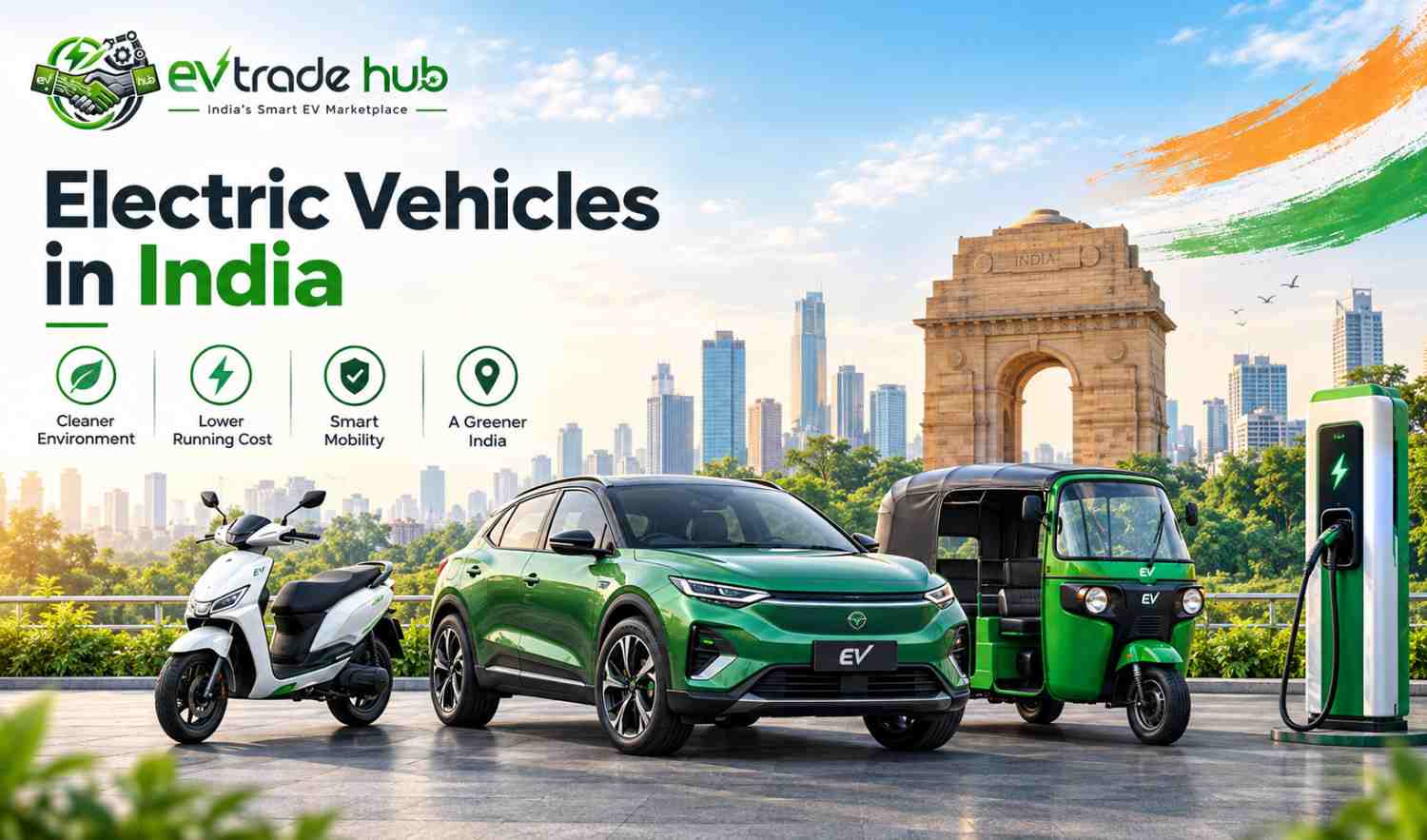
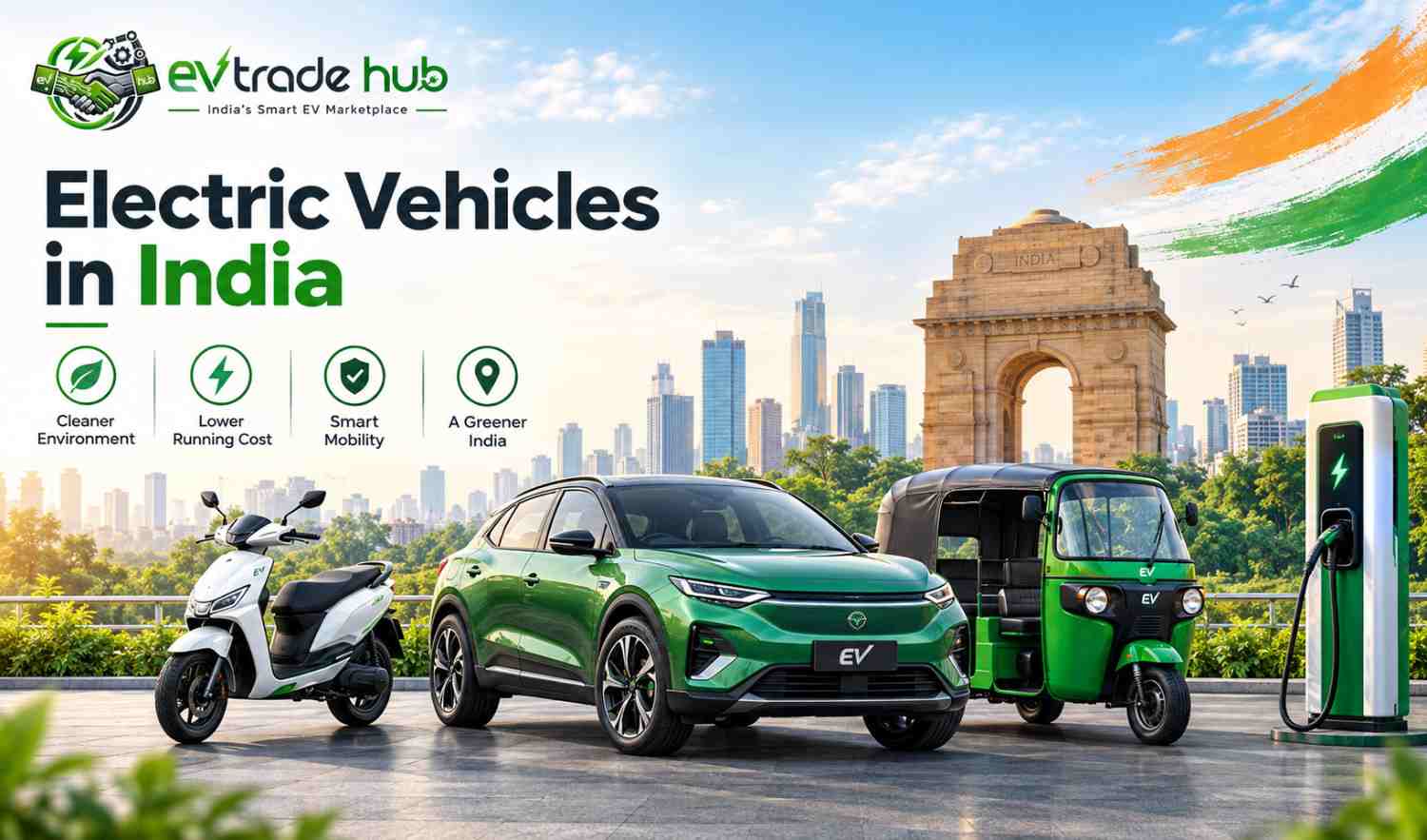
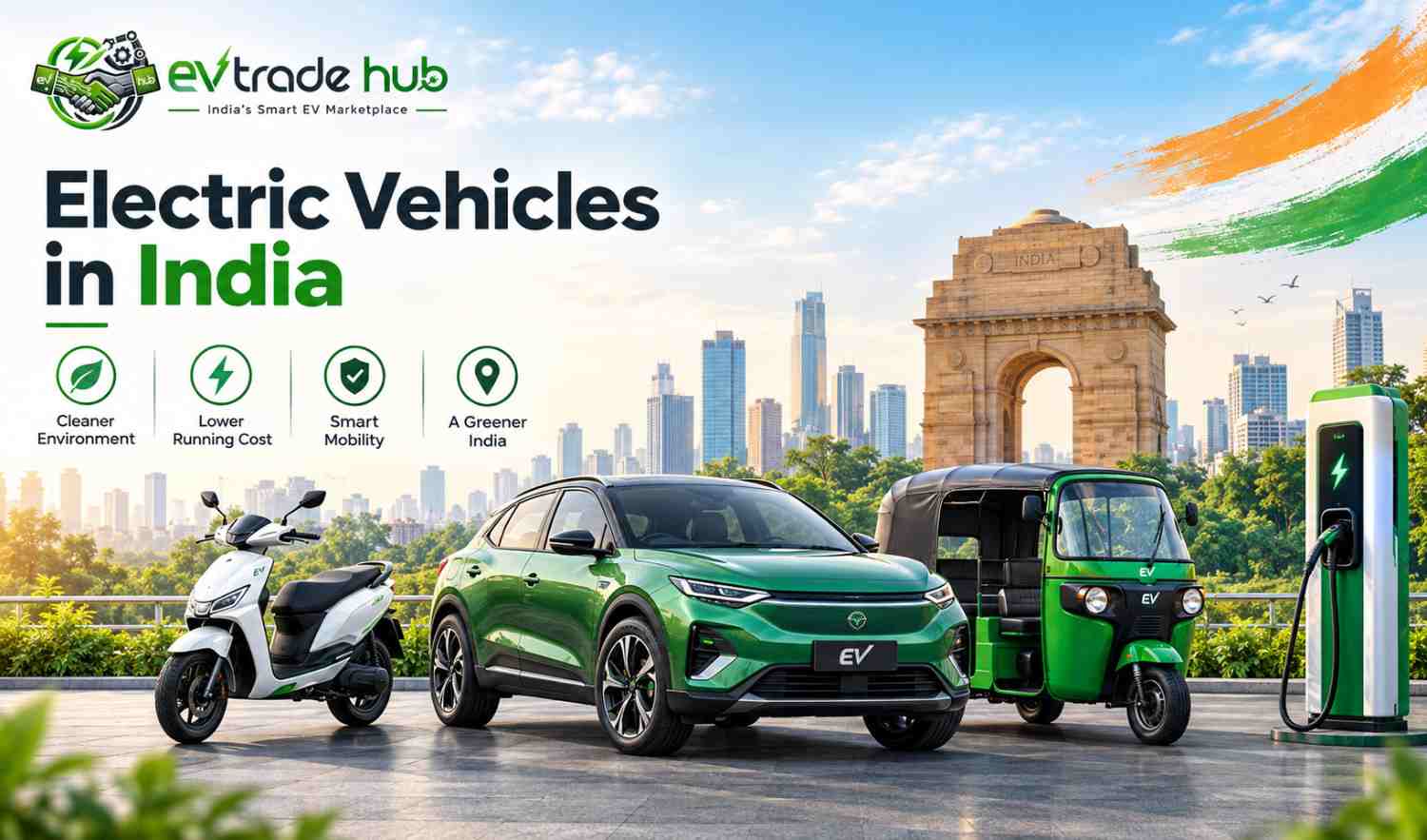
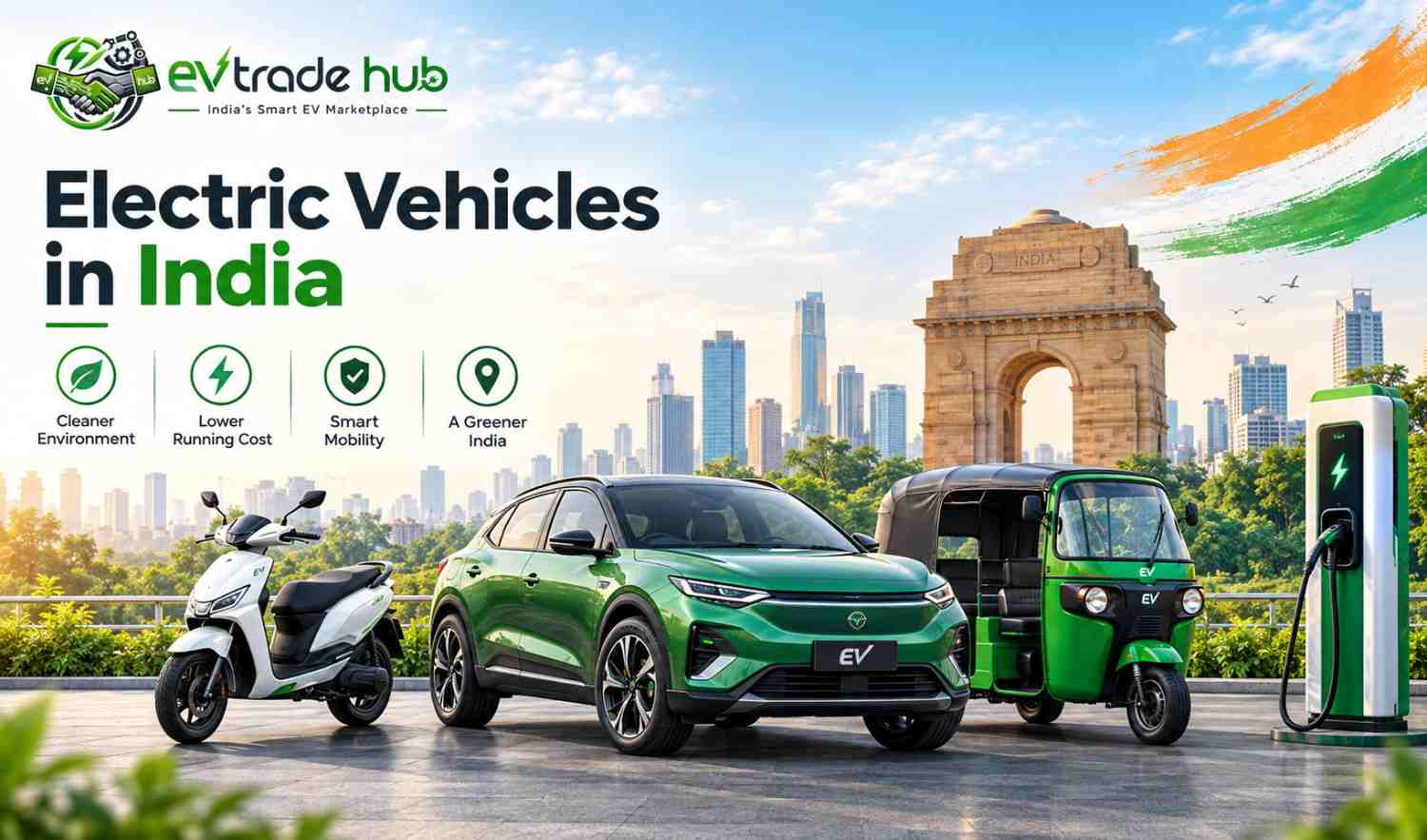
EV Trade Hub helps users explore the growing electric mobility ecosystem in India and discover different EV categories, including electric bikes, electric scooters, electric three-wheelers, commercial EVs and other electric transportation solutions.