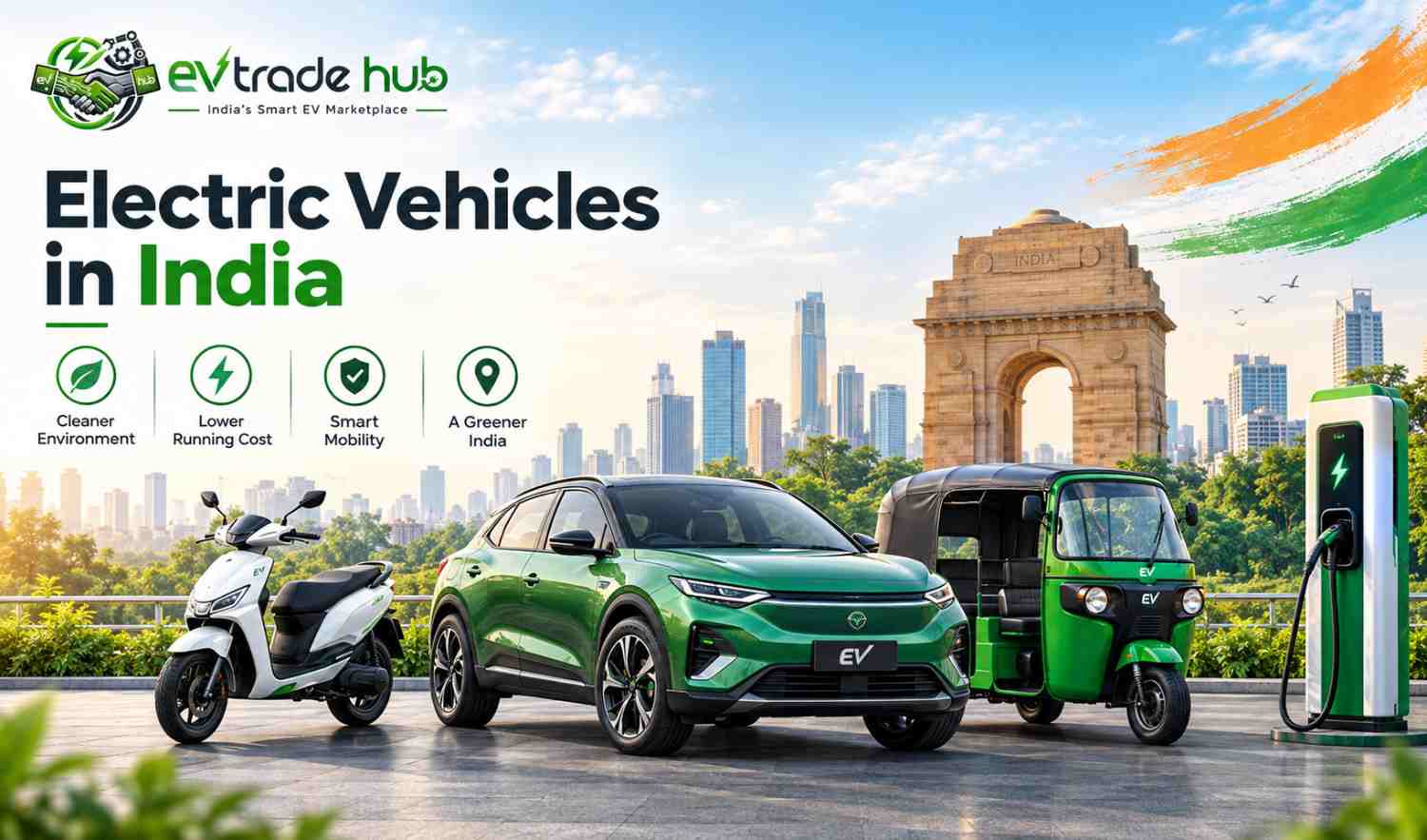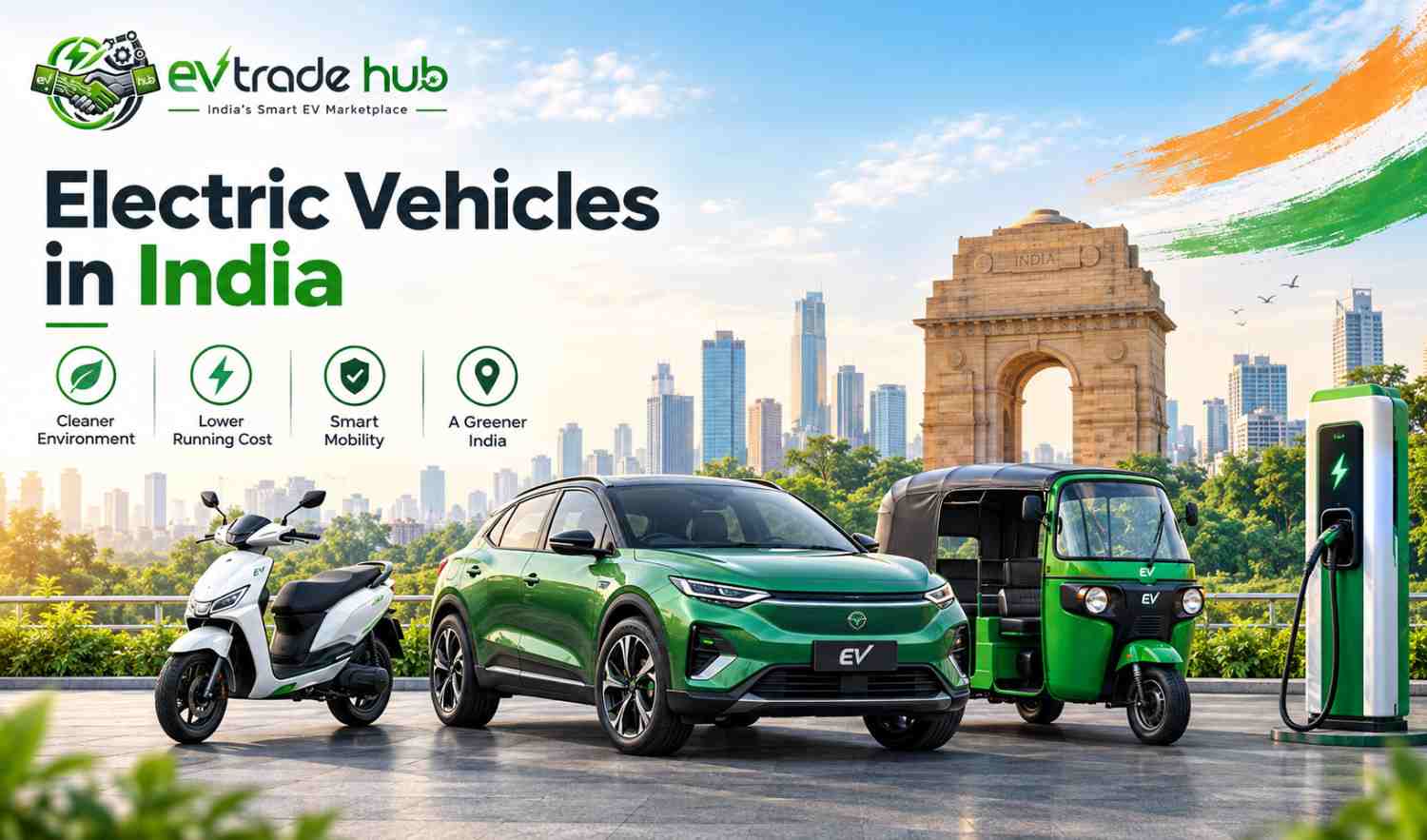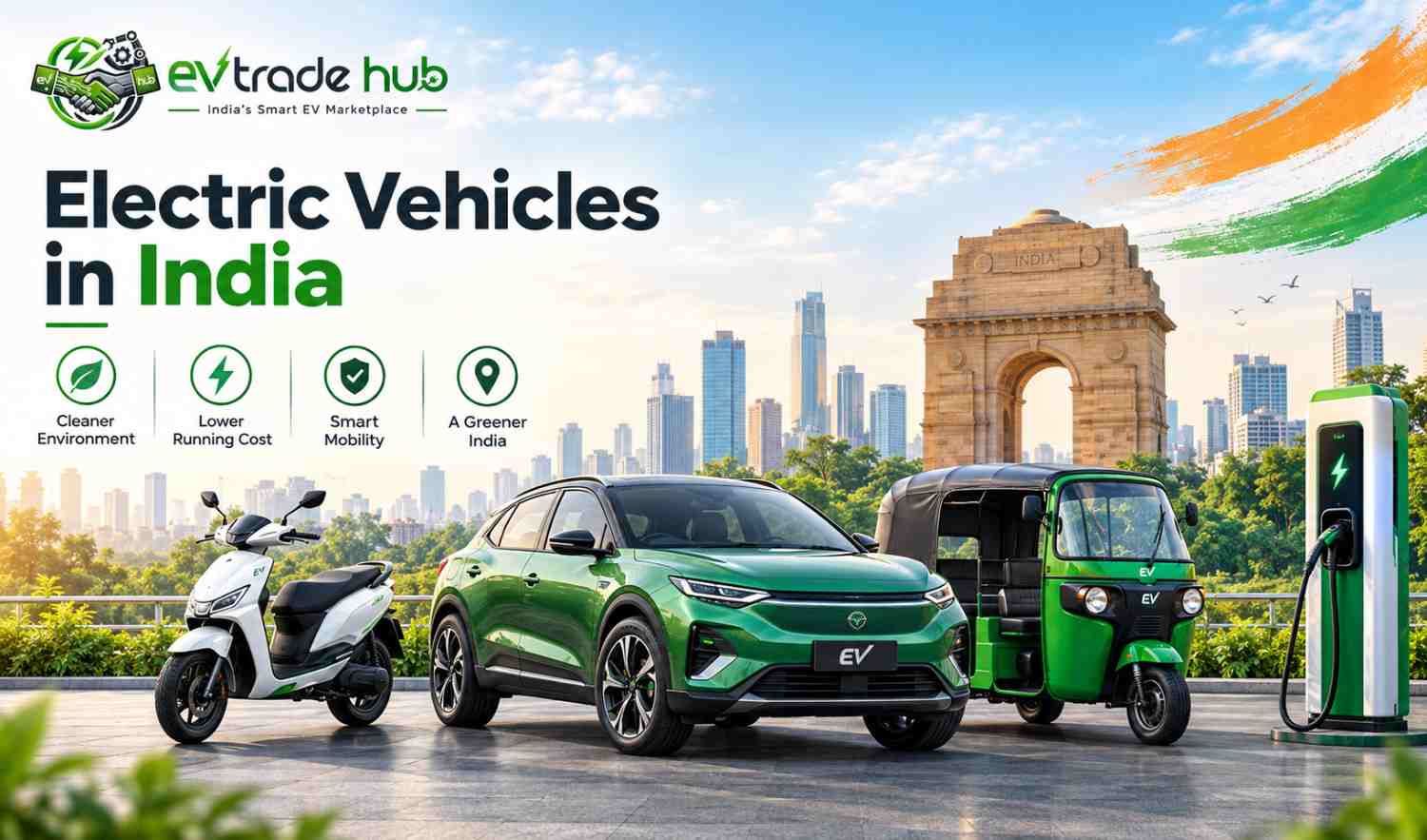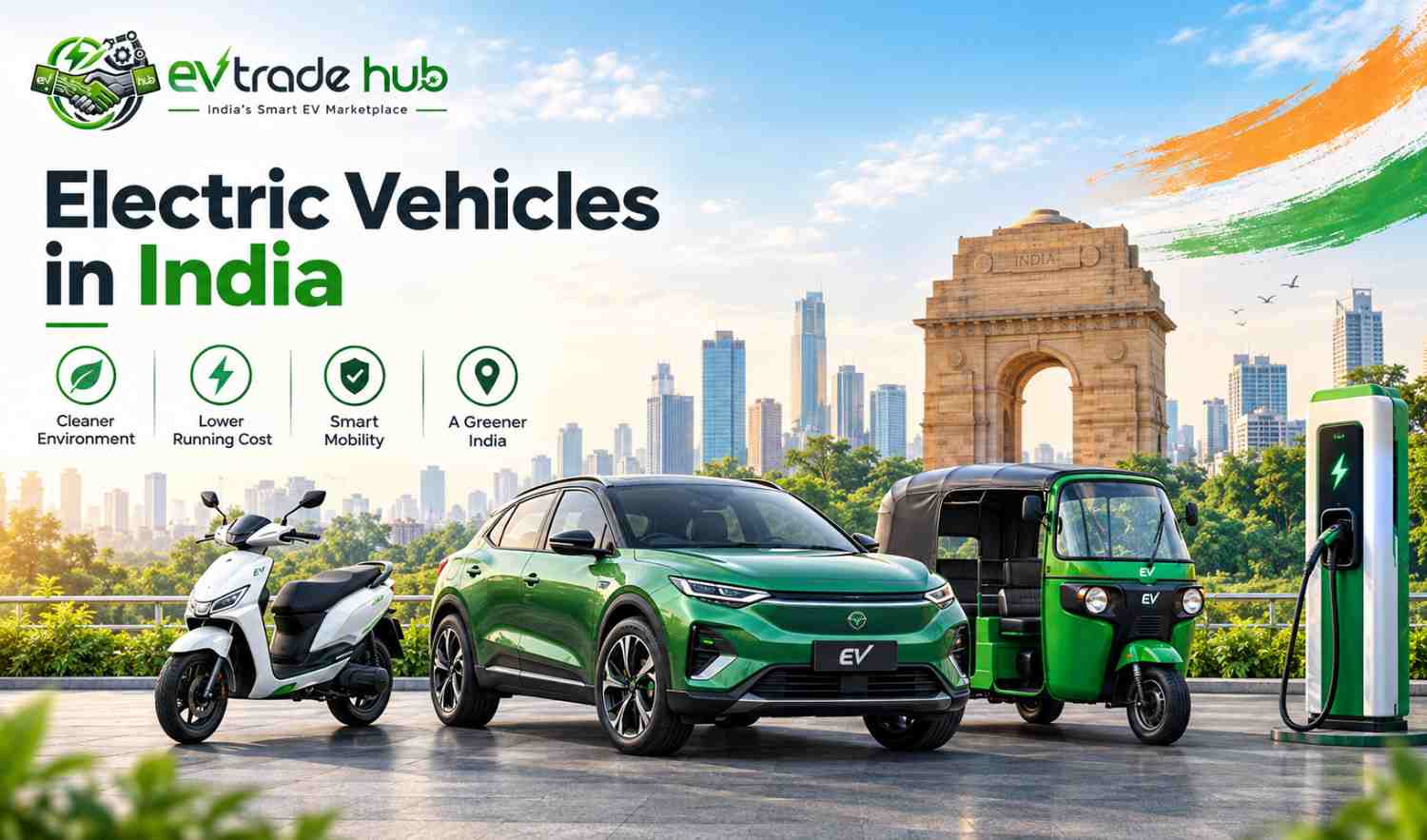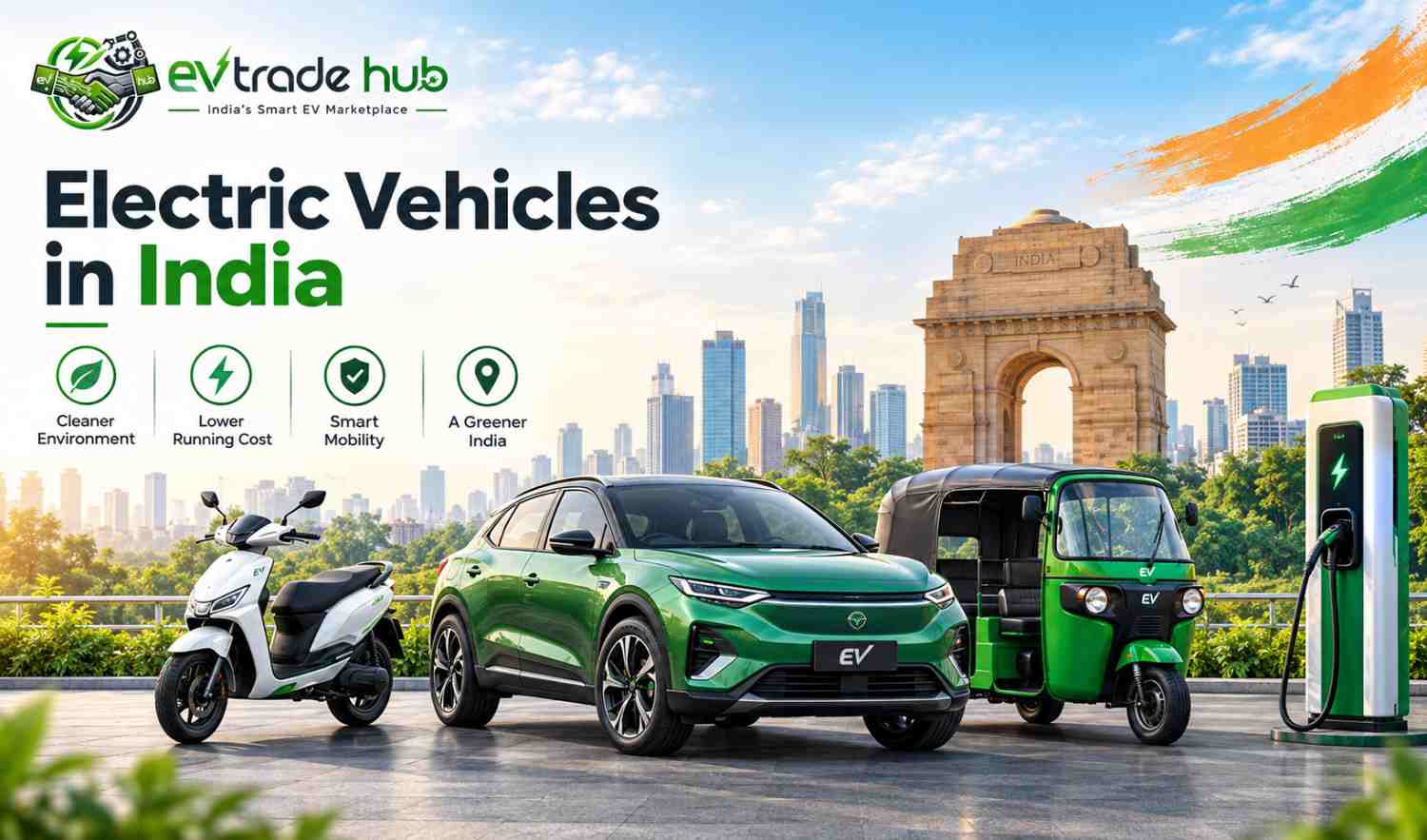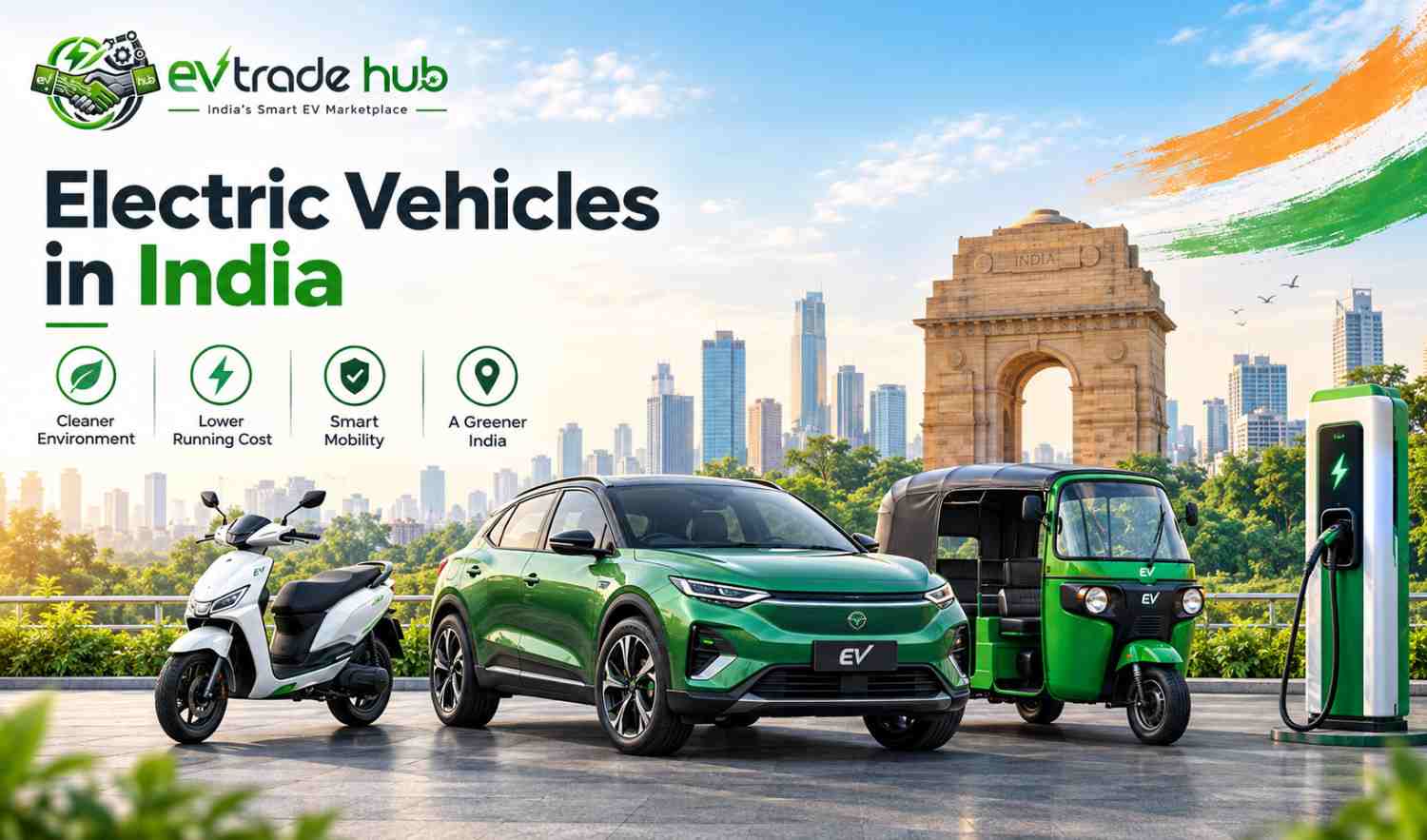
Lithium ion batteries are among the most widely used energy storage technologies in modern electric vehicles. They are used across different segments of electric mobility, including electric scooters, electric bikes, E Rickshaws, passenger cars, commercial vehicles, buses and specialized electric equipment.
The popularity of lithium ion EV batteries comes from their high energy density, comparatively low weight and ability to support repeated charging and discharging cycles. These characteristics make them suitable for electric vehicles where range, weight, performance and efficient energy storage are important.
A lithium ion EV battery is not simply a group of cells. A complete battery pack can include battery cells, modules, a Battery Management System, sensors, connectors, busbars, protection devices, wiring and an enclosure. The complete system must be designed according to the vehicle's electrical and performance requirements.
A lithium ion EV battery is a rechargeable battery system that stores electrical energy and supplies it to an electric vehicle's motor and other electrical components. Individual cells are connected in series and parallel combinations to achieve the required voltage and capacity.
The exact battery chemistry can vary within the broader lithium battery category. Different lithium-based chemistries can offer different characteristics related to energy density, safety, cycle life, cost and operating conditions.
Therefore, buyers should not assume that every lithium ion battery has exactly the same performance or specifications.
During charging, electrical energy is stored inside the battery cells. When the vehicle is being driven, the stored energy is delivered to the motor controller and motor, which converts the electrical energy into mechanical power.
The Battery Management System monitors the battery during charging and operation. It helps manage important parameters such as voltage, current and temperature according to the battery pack design.
Lithium ion batteries provide several characteristics that make them suitable for modern electric vehicles.
Actual performance depends on battery chemistry, cell quality, pack design, BMS, charger and operating conditions.
Battery capacity represents the amount of energy that can be stored in the battery pack. For larger electric vehicles, battery capacity is commonly expressed in kilowatt-hours (kWh).
The required battery capacity depends on several factors:
A larger battery can provide more stored energy, but it can also increase vehicle cost, weight and charging requirements.
One of the major reasons electric vehicle manufacturers use lithium battery systems is their ability to store a relatively high amount of energy in a compact and lightweight package.
However, battery capacity alone does not determine real-world range. Factors such as vehicle weight, driving speed, road conditions, tyre pressure, temperature, motor efficiency, passenger load and driving style can all influence the actual distance an EV can travel.
For commercial EVs, range should be evaluated using realistic daily operating conditions rather than relying only on advertised maximum figures.
Lithium ion is a broad category that includes different lithium-based battery chemistries. Each chemistry can have different characteristics.
LiFePO4, or lithium iron phosphate, is one important lithium battery chemistry used in electric vehicles. Other lithium-based chemistries can offer different balances of energy density, performance, durability, safety and cost.
Therefore, buyers should check the exact battery chemistry rather than selecting a battery based only on the term "lithium ion."
Lithium ion EV batteries should be charged using a charger designed for the specific battery pack. The charger should match the battery voltage, charging requirements and Battery Management System.
Charging speed depends on battery capacity, charger output, charging current, battery temperature, state of charge and the limitations of the vehicle charging system.
A higher-power charger should only be used when the battery and vehicle are designed to support that charging power.
Charging time varies according to battery capacity and charger power. A larger battery generally requires more energy to reach a full charge.
For example, two electric vehicles may use lithium batteries but have different charging times because their battery capacities, charger outputs and charging systems are different.
Fast charging can reduce charging time in compatible vehicles, but charging should always remain within the manufacturer's recommended limits.
The Battery Management System, commonly known as BMS, is an important component of a lithium ion battery pack. It monitors parameters such as voltage, current and temperature.
The BMS can help protect the battery from unsuitable operating conditions such as excessive charging, excessive discharge, abnormal current and temperature conditions, depending on the design.
In multi-cell battery packs, cell balancing can also help maintain more consistent operation among individual cells.
Battery safety depends on more than chemistry alone. Cell quality, pack design, electrical connections, BMS, charger, enclosure and thermal management all contribute to safe battery operation.
Important safety considerations include:
Battery packs should not be opened, modified or repaired without appropriate technical knowledge and safety precautions.
The service life of a lithium ion EV battery depends on several factors. Battery chemistry, cell quality, charging pattern, depth of discharge, operating temperature, charging current and daily usage can all influence long-term performance.
Frequent operation under extreme temperatures or unsuitable charging conditions can affect battery performance. Proper battery management and following the manufacturer's recommended operating practices can help maintain reliable performance over time.
Temperature has an important effect on lithium battery performance. Very high or very low temperatures can influence charging behavior, available power and battery efficiency.
Depending on the vehicle design, thermal management systems may be used to help maintain appropriate battery operating conditions.
For high-performance and commercial EVs, thermal management can be particularly important because these vehicles may experience frequent charging and higher power demands.
Lithium batteries are widely used in electric scooters because they can provide useful energy capacity without adding excessive weight.
For electric scooter buyers, important factors include battery capacity, range, charging time, battery warranty, charger compatibility and replacement support.
Daily commuters should choose a battery according to their regular travel distance rather than selecting the largest available battery without considering actual requirements.
Lithium battery packs can also be used in E Rickshaws and other electric three wheelers. Their lower weight compared with many lead acid battery configurations can be useful for commercial vehicle operation.
E Rickshaw owners should evaluate battery voltage, capacity, daily range, passenger load, charging availability, warranty and after-sales support before selecting a lithium battery.
Electric cars generally require larger battery packs because they need to provide sufficient energy for longer driving distances and higher vehicle power requirements.
Battery capacity, charging speed, thermal management, battery warranty and charging infrastructure can therefore become important factors when selecting or evaluating an electric car.
Commercial EVs such as electric loaders, delivery vehicles, utility vehicles and buses can benefit from battery packs designed for frequent daily operation.
For commercial applications, battery selection should consider not only range but also charging downtime, operating cost, durability, warranty and replacement availability.
Lithium ion batteries generally require less routine maintenance than many traditional lead acid systems. However, proper charging and operating practices remain important.
A lithium ion battery may require inspection if the vehicle begins showing unusual charging or performance behavior.
Serious battery problems should be inspected by a qualified EV technician or authorized service provider.
The cost of a lithium ion EV battery depends on battery chemistry, capacity, cell quality, BMS, enclosure, charging system, manufacturing quality and warranty.
Larger battery packs generally cost more because they contain more energy storage capacity. However, the purchase price should not be the only factor considered.
Buyers should also evaluate charging cost, maintenance, expected battery life, warranty and eventual replacement expenses when comparing different battery options.
Battery warranty is an important consideration because the battery is one of the most valuable components of an electric vehicle.
Before purchasing a battery, buyers should understand the warranty conditions, coverage period, applicable usage limits and service process. Warranty terms can vary between manufacturers and battery products.
Before purchasing a lithium ion battery, buyers should compare the complete technical specifications.
Choosing a lithium battery only because it has a high capacity or low price can result in compatibility and performance problems.
Lithium ion batteries are used across a wide range of electric mobility applications.
Commercial EV users often require batteries that can support frequent daily operation. Delivery vehicles, fleet vehicles and electric three wheelers may travel significant distances every day, making battery reliability particularly important.
Businesses should evaluate the battery based on total operating requirements, including range, charging time, electricity cost, battery life, maintenance and replacement cost.
Electric vehicles require energy storage systems that can provide sufficient power without adding unnecessary weight. Lithium ion technology offers a useful balance of energy density, weight and performance for many modern EV applications.
As electric mobility expands, improvements in battery cells, BMS technology, charging systems and battery pack design can continue to influence the performance and usability of electric vehicles.
Lithium ion EV batteries are an important part of modern electric mobility and are used in electric scooters, bikes, E Rickshaws, cars, buses and commercial vehicles. Their high energy density, comparatively low weight and ability to support repeated charging cycles make them suitable for many electric vehicle applications.
However, the performance of a lithium battery depends on more than its chemistry. Battery capacity, voltage, cell quality, BMS, charger compatibility, thermal management, vehicle design and operating conditions all play important roles.
Before purchasing a lithium ion EV battery, buyers should compare the battery chemistry, voltage, capacity, expected range, charging requirements, BMS, warranty and vehicle compatibility. A properly selected and well-designed battery pack can provide efficient, reliable and practical energy storage for modern electric mobility.